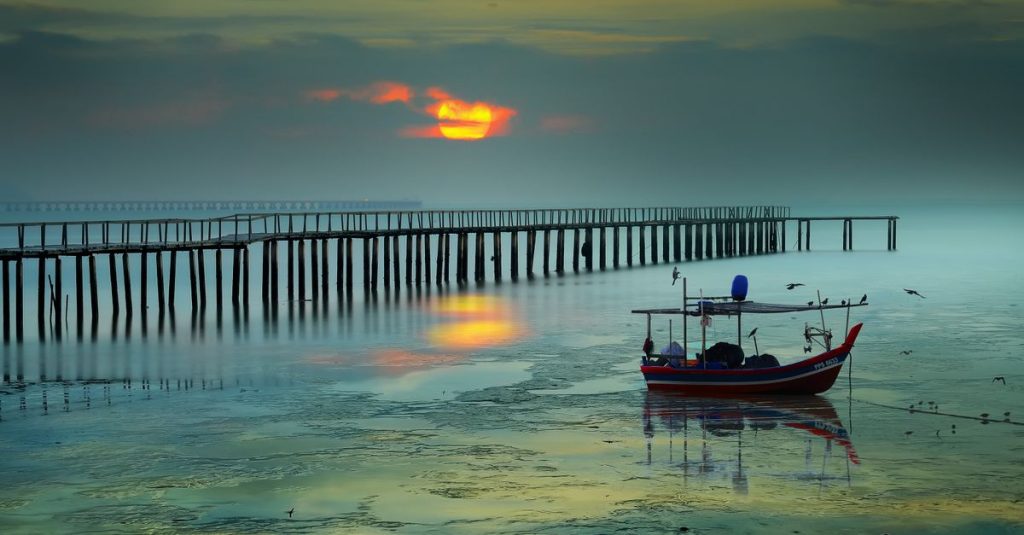
Pulau Ketam: The Fishing Island Near Kuala Lumpur
Discover Pulau Ketam, the fishing island near Kuala Lumpur, with stilt houses, seafood, mangroves and a distinctive coastal village.

Published on
When choosing when to visit Kota Kinabalu, think first about your activities rather than looking for a guaranteed rain-free period: the climate is tropical, hot and humid all year round, and showers can occur even during a sunny day. Conditions vary depending on the month and the part of Sabah; the coast, highlands and interior do not always experience the same weather at the same time. For beaches, boat trips or hikes, plan a flexible itinerary and check the forecast shortly before each outing.
In brief

Kota Kinabalu is on the coast of Sabah, in northern Borneo. Its tropical climate means year-round warmth, high humidity and possible rainfall in every season. It is therefore more sensible to plan your stay according to your tolerance for rain and the activities you want to enjoy than to look for a period when clear skies are guaranteed.
Temperatures in Kota Kinabalu vary less throughout the year than in temperate regions. How hot it feels also depends on humidity, direct sunlight and physical effort. Walking around the city in the middle of the day can feel more demanding than a seaside stroll in a breeze; for sightseeing on foot, keep the hottest hours for a break or an indoor activity.
Sabah’s climate cannot be summed up by conditions in the state capital. Coastal areas, mountainous districts and inland areas experience different conditions, and a forecast for Kota Kinabalu does not necessarily describe the weather across an entire itinerary. This is especially important if you are combining several stops: a clear day on the coast does not guarantee favourable weather at altitude.
A tropical shower can be brief and intense, but the duration and location of rainfall vary. You may be able to spend part of the day outdoors and move an activity when the weather changes. A lightweight rain jacket, quick-drying shoes and protection for electronic devices are more useful than a programme based on perfect weather.
Rain also has practical effects. Surfaces may become slippery, road journeys may take longer and some boat trips may depend on sea conditions or the operator’s instructions. Before an activity, ask whether it will go ahead in the event of rain and what happens if it is postponed. This check is more useful than a general climate average, which cannot predict the weather on a particular day.
To plan an outing, check the Sabah weather forecast shortly before departure, then ask the organiser or your accommodation for confirmation. A regional forecast gives a general trend, while a local operator can take the sea, access conditions and conditions observed on site into account. Weather information and safety instructions can change, so check them with the relevant official bodies and providers.
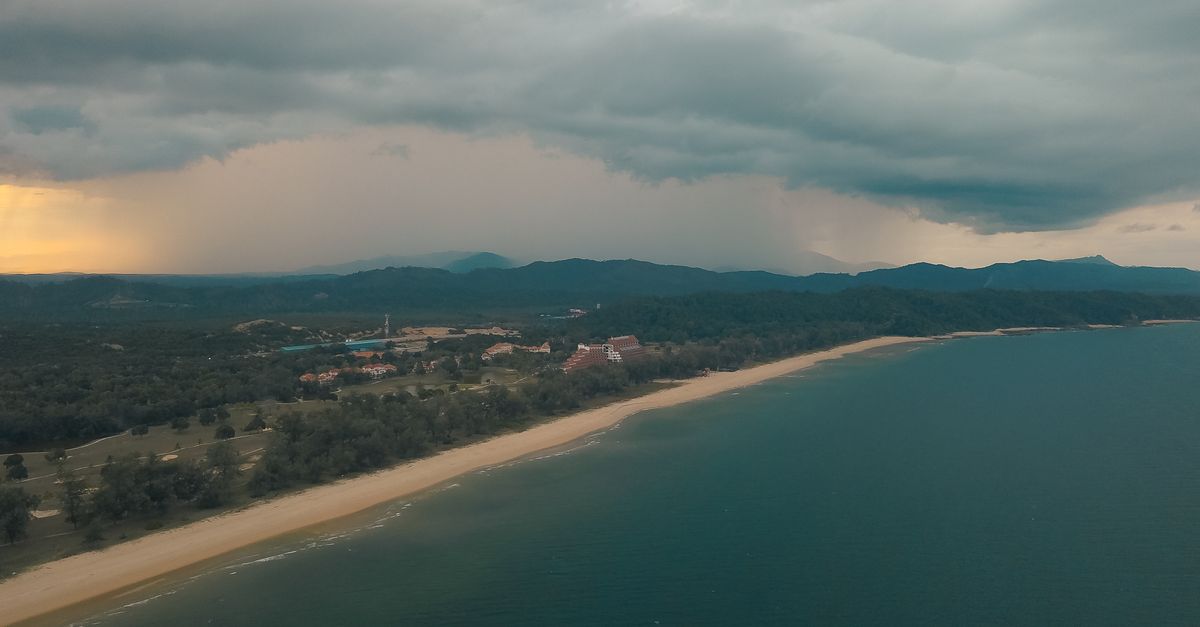
The best time to visit Sabah depends on what you want to do. For enjoying the seafront and urban sightseeing, a day with occasional showers can still be pleasant if your activities are flexible. For a boat trip, a day of diving or a hike, sea conditions and local weather matter more. There is therefore no universal calendar that guarantees the same experience for every traveller.
If a sea outing is your priority, ask the operator how conditions are assessed and when a decision is made. The sky seen from the city is not always enough to judge the state of the sea. If in doubt, avoid booking all your water activities on one day: spreading them out gives you more opportunities to reorganise.
For a day on the coast, bring protection from both sun and rain. Clouds do not block all rays, and a shower can appear quickly. A waterproof bag or cover protects your phone, documents and spare clothes; suitable sandals make it easier to move between the boat and the shore.
Rain does not automatically mean that every activity must be cancelled. The decision depends on visibility, wind, sea conditions and the operator’s safety rules. Follow the instructions given on site rather than relying only on a general weather app. If an outing is cancelled, a city visit, a local meal or an indoor activity can replace the original plan.
To discover Kota Kinabalu, alternate outdoor visits with breaks under cover. Markets, food venues and cultural sites can keep the day enjoyable when the weather deteriorates. For hikes, check conditions and access requirements with those responsible for the site: wet trails can be slippery, and conditions at altitude do not always match those in the city centre.
An itinerary linking several cities also requires some time to spare. If you are considering travelling to Sandakan, check journey conditions and allow for rain to slow the road trip. The guide to the journey between Kota Kinabalu and Sandakan can help you prepare this stage without confusing urban weather with conditions along the entire route. The sensible approach is to schedule activities most affected by weather when your itinerary offers some flexibility.
The expressions “rainy season in Kota Kinabalu” and “dry season in Sabah” are useful reference points, but they should not be understood as a promise of continuous rain or permanently clear skies. In a tropical climate, rainfall can occur outside periods generally considered wetter, and a usually drier period can still bring showers. Weather also varies from one part of Sabah to another.
For travellers, the distinction is mainly useful for anticipating practical constraints. When rainfall is frequent, it may be wise to allow more time for journeys, pack quick-drying clothes and avoid arranging several outdoor activities without a backup option. During a period generally considered more favourable for outings, it is still important to check actual conditions: a short-range forecast is more useful than a general seasonal rule.
In the city, a shower may interrupt a walk or make some streets less pleasant without preventing all sightseeing. On the road, rain can reduce visibility and slow journeys. At sea, decisions are based on specific conditions and operators’ instructions; do not infer that a trip is safe simply from how the sky looks from your hotel.
Travellers combining Kota Kinabalu with an inland destination should prepare for each stop separately. Check the forecast for the place concerned, not only for the city where you are staying. The route, altitude and means of transport can make the same day very different from one area to another.
Book activities that depend most on conditions with clearly understood change arrangements. Keep a day or a few flexible time slots available, especially if an excursion is the highlight of your stay. For bookings, prices and cancellation rules, conditions can change, so check directly with the provider before paying.
Suitable equipment also makes a difference: a light jacket, protection against moisture for your belongings and appropriate shoes reduce the impact of a shower. In hot weather, also plan for water and breaks in the shade. Your trip can remain enjoyable even when the weather does not follow the planned schedule exactly.
Tip: set up a Malaysia eSIM before departure so your data works on arrival.
Monthly weather information for Sabah can help you compare travel dates, but trends are not a forecast. Conditions change from one year to another and may differ between Kota Kinabalu, inland areas and other cities in the state. Use monthly references as a starting point when choosing your dates, then check the forecast as departure approaches and seek local information for each excursion.
| Planning period or stage | How to use it | Useful check |
|---|---|---|
| Before setting your dates | Compare monthly trends with the activities you want to prioritise. | Consult the monthly Malaysia weather pages. |
| As your stay approaches | Identify the days when a boat trip or hike is planned. | Check regional forecasts and contact the relevant operators. |
| During your trip | Adapt outdoor activities to the weather actually observed. | Ask for local information and follow safety instructions. |
To compare a few periods, you can read the references for Malaysia weather in February, May or October. This information concerns Malaysia and should not be interpreted as a precise forecast for Kota Kinabalu. It helps you prepare questions and compare broad periods, not guarantee specific weather on site.
The pages covering January, June, August, September and December also allow you to compare months by region. To decide when to go, combine these references with the length of your stay, planned journeys and the possibility of moving activities to another day.
Avoid putting all your essential activities on one day. A boat trip, hike and long journey can be spread out so that a change in weather does not affect the entire trip. If your dates are fixed, choose a flexible programme; if they are flexible, compare several periods while remembering that no calendar removes weather uncertainty.
To reach Kota Kinabalu from the peninsula, flight times and availability change: check them directly with airlines or booking services before planning a connection. The page about the flight between Kuala Lumpur and Kota Kinabalu can help you prepare your itinerary. The ideal schedule is one that leaves a margin between transport and activities affected by the weather.
A trip to Sabah is easier to prepare for with lightweight, breathable clothes that dry quickly. Pack rain protection, but avoid overloading your luggage with heavy clothing. Comfortable, grippy shoes are useful in the city and on excursions, while a waterproof cover for electronic devices keeps your belongings safe during showers.
Heat and humidity also affect the pace of each day. For walking tours, bring water, seek shade where possible and take regular breaks. A cloudy day can still be hot; do not judge the effort required solely by the absence of sunshine. These precautions are useful both for exploring the city and for longer journeys.
Before an excursion, ask specific questions: is the trip confirmed, what conditions would lead to postponement and where is the meeting point if the programme changes? For activities at sea or in the mountains, the provider’s instructions and those of local authorities take priority over a general forecast. Official advice and safety information should be checked at the time of departure, as they can change.
The Sabah weather forecast is particularly useful when checked close to the activity. A trend observed several days in advance may change; check again the day before and on the day itself. If the weather requires a change, ask for an alternative rather than trying to continue with an outing in conditions that are not recommended.
Keep urban activities, covered attractions or free time in reserve for disrupted days. This flexibility prevents a shower from turning into a wasted day. It is also useful for intercity travel: if your itinerary includes Sandakan, allow some extra time and check road conditions before setting off.
Finally, do not organise your stay around a single average temperature or a promise of a dry season. Actual conditions, local instructions and the nature of the activities determine what is sensible each day. In Kota Kinabalu, the most effective preparation is to accept the possibility of showers and keep several ways to enjoy Sabah.
No period guarantees dry weather everywhere. Choose according to your activities, compare monthly trends and check local conditions shortly before departure.
No. Showers may change your plans without preventing every activity. Plan indoor options and confirm boat trips or excursions with operators.
The climate remains hot all year, with less pronounced variations than in temperate regions. Perceived heat also depends on humidity, sunshine and physical effort.
Check it as your stay approaches, then again the day before and on the day of each weather-dependent activity. Also check instructions from providers and official organisations.
To book tours and activities in Kota Kinabalu ahead, see the options on Klook.
Discover Pulau Ketam, the fishing island near Kuala Lumpur, with stilt houses, seafood, mangroves and a distinctive coastal village.
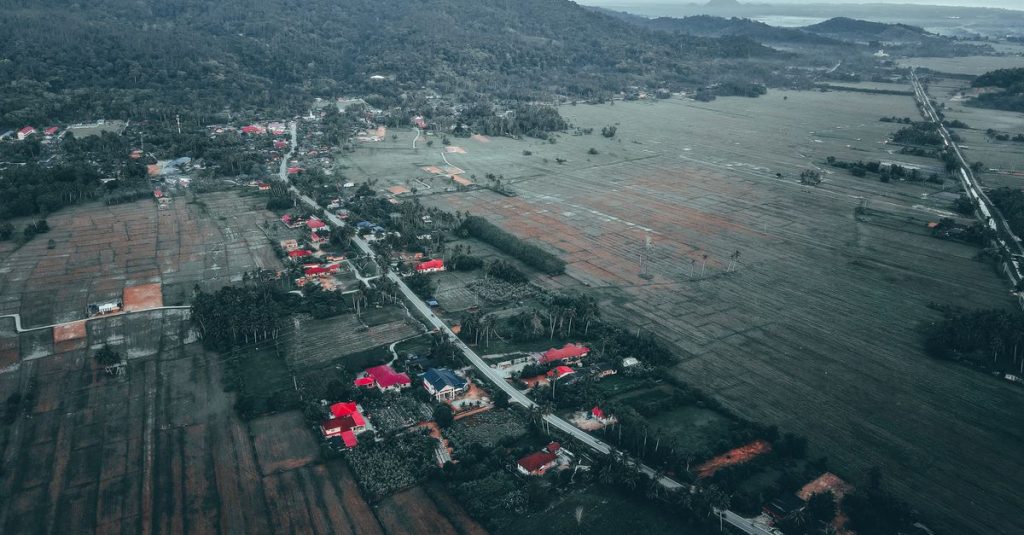
See fireflies along the Selangor River and silvered leaf monkeys at Bukit Melawati in Kuala Selangor, with practical wildlife tips.
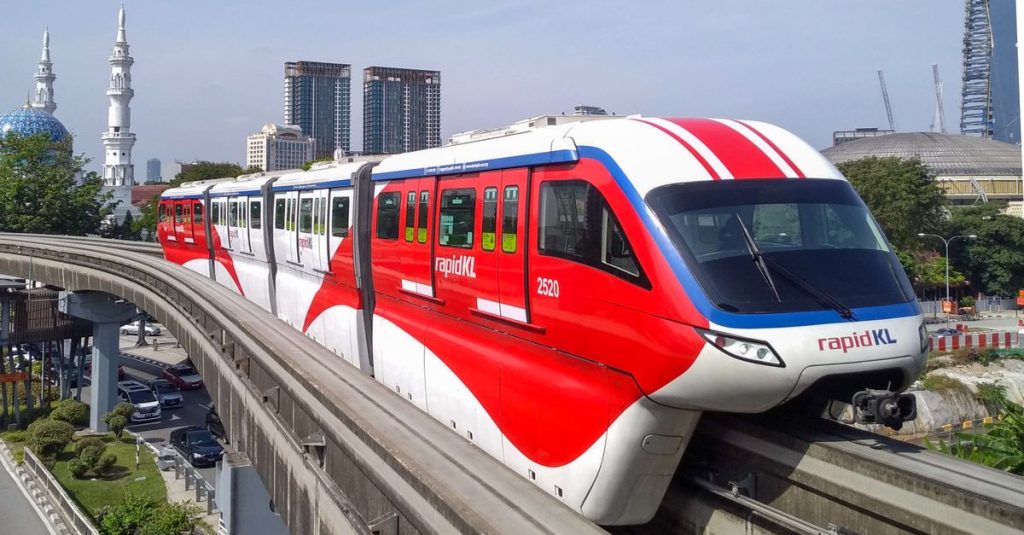
Compare the ETS train and bus from Kuala Lumpur to Ipoh, including journey times, transport options and practical tips for choosing.
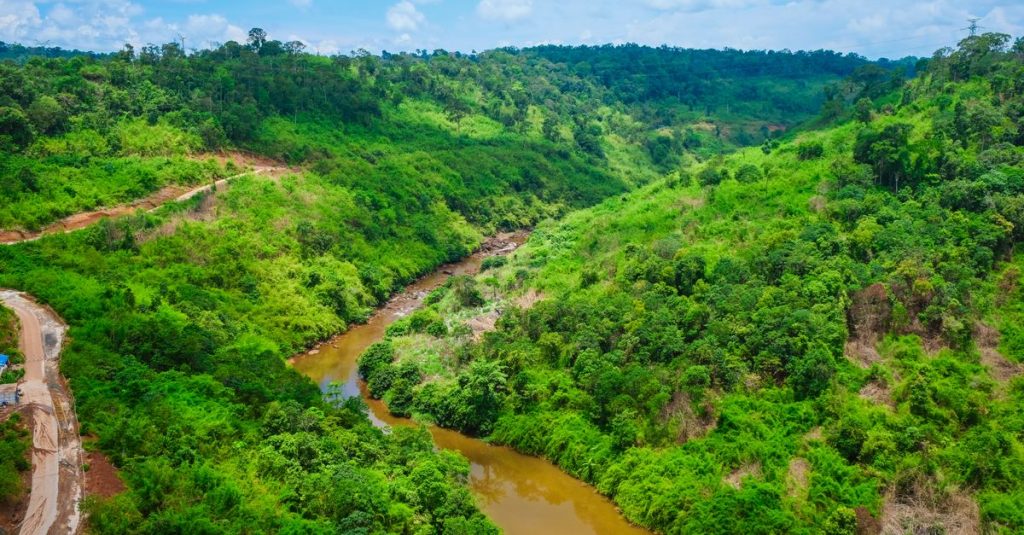
Explore Danum Valley, Borneo’s ancient rainforest, with its remarkable biodiversity, orangutans, guided walks, access details and practical advice.
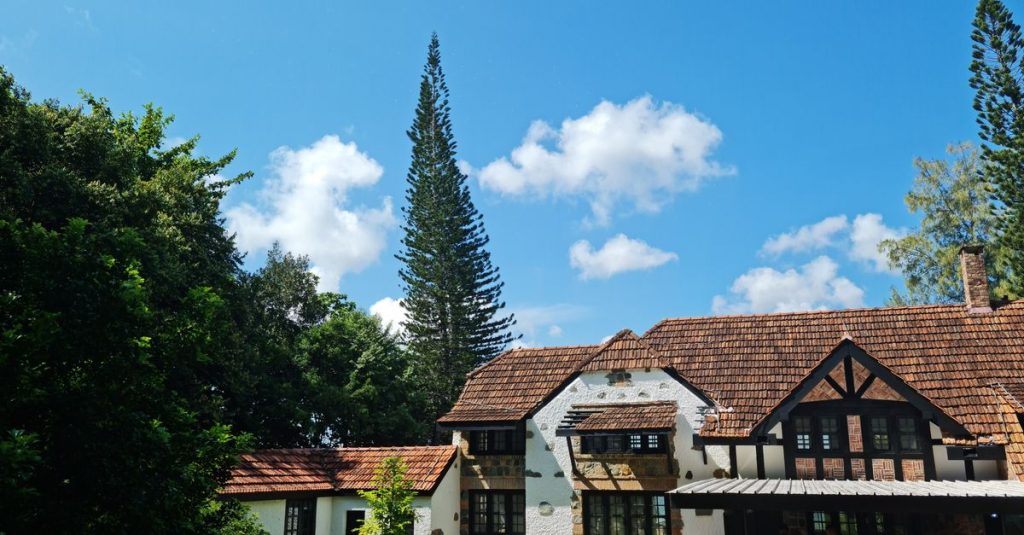
Discover Fraser’s Hill, a peaceful mountain retreat near Kuala Lumpur, with tropical forest, cool weather, hiking trails and birdwatching.
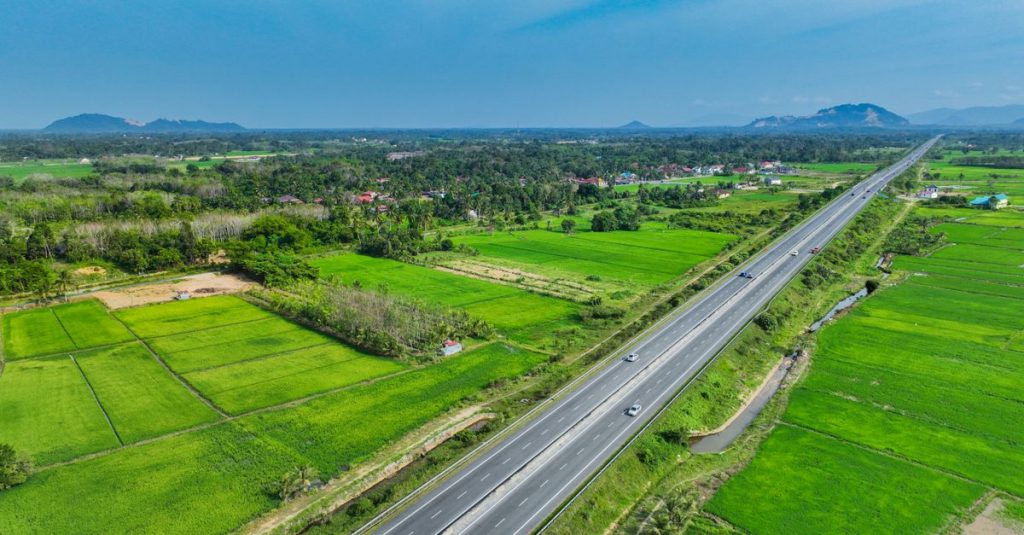
Discover what to do in Kota Bharu and how to reach the Perhentian Islands, with cultural visits, transport options and practical travel tips.
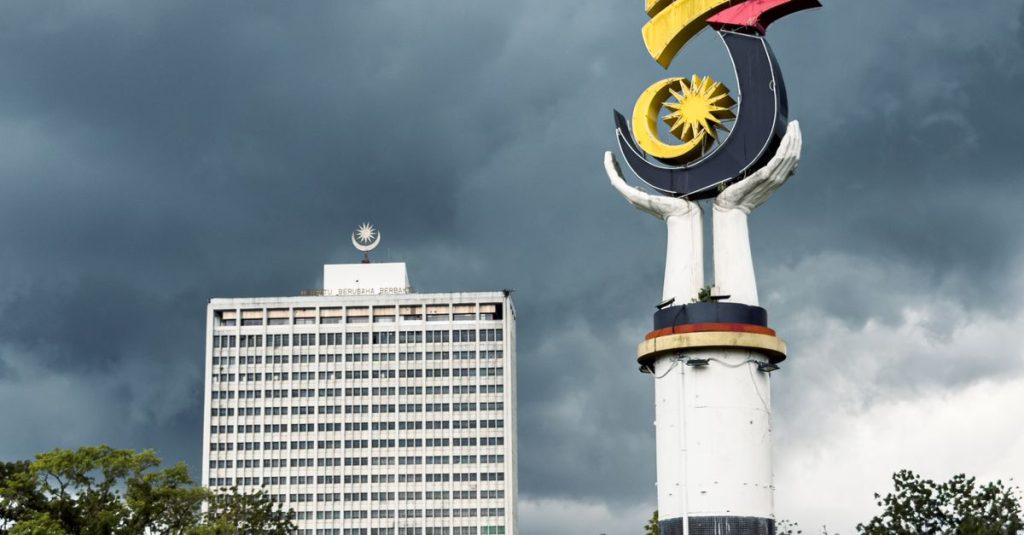
Discover S-MM2H, Sarawak’s long-stay programme: eligibility, benefits, application steps and checks before living in Malaysia.

Discover Thean Hou Temple in Kuala Lumpur, with practical advice on visiting, access, transport, opening hours and respectful behaviour.
Scroll to see more articles →