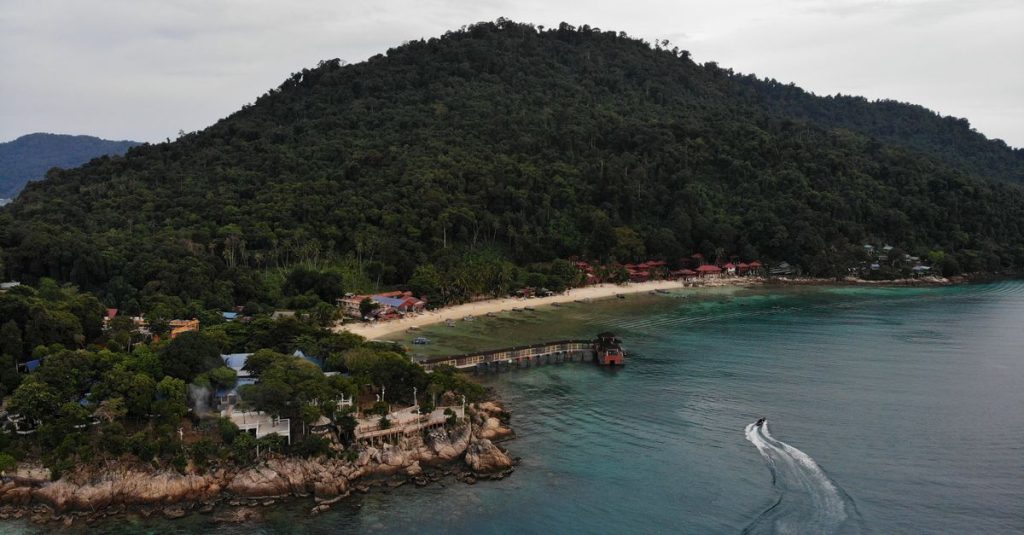
Redang Island: beaches, snorkelling and best time to visit
Discover Redang Island: paradise beaches, snorkelling in turquoise waters and practical advice for choosing the best time to visit.
Published on
Travelling to Malaysia in December is a good choice for combining cultural visits and beaches, with Kuala Lumpur, Penang and Langkawi the preferred options. The west coast of the peninsula is generally better suited to this plan than the eastern islands, which are exposed to the north-east monsoon. However, you should still expect showers: December does not guarantee permanently blue skies, even in the most recommended destinations.
The right itinerary mainly depends on your priorities. For a beach holiday, choose Langkawi; for historic neighbourhoods and food, opt for Penang; for Borneo’s forests and wildlife, allow more flexibility in case of bad weather.
In brief
Malaysia’s weather cannot be reduced to one dry season and one wet season applying to the whole country. Relief, exposure to winds and geographical location all affect local conditions. A recommendation that applies to Langkawi therefore does not automatically apply to Tioman or Kuching.
In December, the north-east monsoon particularly affects the eastern side of the peninsula. It can bring heavy rain, rough seas and disruption to coastal travel. The rainy season is not necessarily coming to an end there: December is actually part of the period when this exposure is a major factor in choosing an itinerary.
Malaysia’s west coast is generally a better option for combining urban sightseeing with an island stay. This remains a relative preference: Penang, Kuala Lumpur and Malacca can still experience humid days and thunderstorms. Avoid building your itinerary around the promise of consistently fine weather.
| Destination | Typical December conditions | Recommended choice |
|---|---|---|
| Langkawi | Generally more suitable for a beach holiday than the eastern islands | Beaches and excursions adapted to sea conditions |
| Penang | Hot and humid, with showers still possible | Heritage, food and walks |
| Kuala Lumpur | Alternating sunny spells, rain and thunderstorms | Outdoor visits with covered alternatives |
| Perhentian, Redang and Tioman | Exposed to the north-east monsoon | Avoid making them the focus of a beach holiday |
| Malaysian Borneo | Variable conditions and possible rainy spells | Flexible nature programme |
The tropical climate mainly requires you to manage humidity, sun exposure and wet clothing. Pack lightweight clothes that dry quickly, rain protection and a waterproof pouch for your documents.
Seasonal trends help you choose a region, not predict a specific day. Check MetMalaysia forecasts as excursions approach and consult our guide to Malaysia’s climate by region when preparing your itinerary.
Langkawi and Penang suit different types of traveller. The former is better for a holiday focused on the sea; the latter offers a denser cultural and gastronomic programme. Combining them allows you to vary your activities without making the entire trip dependent on swimming.
Langkawi is a destination to prioritise if you are looking for relatively favourable beach conditions at this time of year. Pantai Cenang suits travellers who want to stay close to restaurants and services, while other areas are better for those seeking peace and quiet.
Your choice of accommodation should take your travel plans into account. An isolated property may be pleasant for relaxing, but less convenient if you want to go out regularly without a vehicle.
For excursions through the mangroves or around the small islands, sea conditions take priority over the planned programme. Ask the operator about cancellation conditions and check maritime authorities’ advice before setting off. Sunshine on the beach is not enough to assess whether a boat trip is safe.
Penang is a reliable choice if you want to keep interesting activities on the agenda despite showers. In George Town, shopping streets, temples and historic houses allow you to alternate between walks and visits under cover.
Food is an integral part of the stopover: char kway teow, assam laksa and nasi kandar represent different culinary traditions found on the island. Our guide to Malaysian cuisine will help you understand these specialities before ordering them.
Penang also has beaches, but Langkawi generally makes more sense if the sea is your priority. To plan a balanced stop combining heritage and meals, see our ideas for things to do in Penang.
Kuala Lumpur deserves a proper stop, even during a wet period. The capital makes it easy to adapt your sightseeing thanks to its museums, shopping areas and urban transport. Schedule walks for favourable periods rather than continuing an outdoor itinerary during a thunderstorm.
Chinatown, Brickfields and the area around the Petronas Towers offer different atmospheres. When a shower arrives, a cultural visit or a meal indoors allows you to continue the day without making numerous journeys.
The Batu Caves require extra care in the rain: the steps can become slippery and some parts of the route are exposed. Wear shoes with good grip and follow the dress guidelines displayed at religious sites.
Avoid filling the same day with rigid bookings. The guide to things to do in Kuala Lumpur helps you choose visits close to one another, reducing unnecessary travel when the weather worsens.
Ipoh fits naturally into a route towards Penang. Its old town, culinary specialities and temples set in limestone caves offer a different experience from the capital. Outdoor access should nevertheless be assessed according to local conditions.
Malacca is better suited to a detour focused on urban heritage. Its historic districts are explored on foot, with breaks in museums and cafés; however, it lies in the opposite direction from Penang when travelling from Kuala Lumpur.
The Cameron Highlands are ideal if you want tea plantations and cooler air. This highland area is not guaranteed to be protected from rainfall: fog, muddy paths and reduced visibility may restrict outings.
Choose an additional stop based on your interests, rather than simply lengthening your list of destinations. A Kuala Lumpur–Ipoh–Penang–Langkawi route notably follows a straightforward geographical logic.
The peninsula’s east coast and Borneo are not the same region. The Perhentian, Redang and Tioman islands lie off the peninsula, while the Malaysian states of Sabah and Sarawak occupy part of Borneo. This distinction avoids applying a weather recommendation to a territory that is too large.
The eastern islands are less suitable for a beach-centred holiday in December. Swells can complicate crossings, while rainfall and sea conditions reduce the appeal of diving and snorkelling trips.
Some accommodation providers and operators suspend their activities during the monsoon. Opening periods vary: do not assume that a reopening date applies to an entire island. Confirm accommodation, dining and transfer options directly before making any booking.
An available room does not guarantee that all services are operating normally. To compare seasonal options, consult our guide to Malaysia’s islands.
Borneo remains possible if you accept the constraints of a holiday in a humid tropical environment. Kuching and Kota Kinabalu provide urban bases, but activities in forests, on rivers or at sea depend more heavily on local conditions.
In Sarawak, an excursion to Bako National Park must in particular take maritime access and park instructions into account. In Sabah, do not automatically apply conditions observed in Kota Kinabalu to mountain areas or the eastern coast.
Allow some leeway around important excursions and check access conditions with Sarawak Forestry Corporation or Sabah Parks, depending on your destination. A nature holiday requires more flexibility here than an urban itinerary on the peninsula.
A December trip to Malaysia should first be planned around transport and booking conditions. The year-end celebrations can increase demand in some Malaysian destinations. Compare availability before fixing your stops, particularly if you are looking for family rooms or beachfront accommodation.
To reach Langkawi, compare flying with journeys combining land transport and a ferry. Do not assume that a maritime connection mentioned in an old itinerary is still operating: check its service and timetable with the relevant operator and port authority.
Avoid a tight connection between a boat and an international flight. Our guide to transport in Malaysia helps you choose suitable options for each stop.
Your budget depends largely on your preferred level of comfort, transport and excursions. Use our guide to the cost of a stay in Malaysia as a planning framework, then check current prices with official providers.
Before departure, check the requirements linked to your passport, purpose of stay and arrival procedures with the Malaysian Immigration Department. Our guide to arriving in Malaysia helps identify the points to check, but does not replace this official verification.
While there, drink water regularly and seek shade during the hottest periods. Take sun protection, suitable insect repellent and shoes that can be used on wet surfaces.
For a family trip during the festive period, also consult our guide to Christmas and year-end celebrations in Malaysia. Confirm programmes and opening times with the organising establishments before booking an activity.
Prioritise changeable bookings for activities affected by the weather, checking the postponement and refund conditions carefully.
Yes, particularly for combining Kuala Lumpur, Penang and Langkawi. You need to accept showers and favour the peninsula’s west coast rather than the eastern islands exposed to the monsoon.
Langkawi is generally a more suitable choice than Perhentian, Redang or Tioman. Swimming and excursion conditions should still be adjusted according to the weather and sea conditions.
Not systematically. Sunny spells can alternate with showers, although some rainy periods last longer. Conditions vary between regions and from day to day.
Yes, with a flexible programme. Check access conditions for parks and local advice, and allow some leeway to postpone a forest or boat excursion.
Discover Redang Island: paradise beaches, snorkelling in turquoise waters and practical advice for choosing the best time to visit.
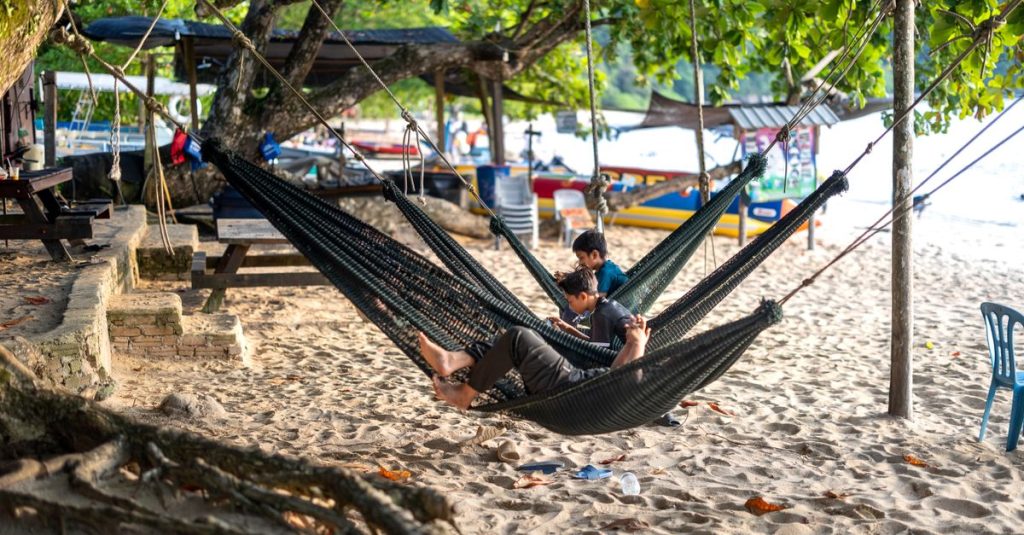
Discover Pangkor Island, from its beaches and fishing villages to ferry access, activities and practical tips for planning your stay.

Discover Sepilok in Borneo and observe orangutans in the rainforest, while learning about rehabilitation and wildlife conservation.
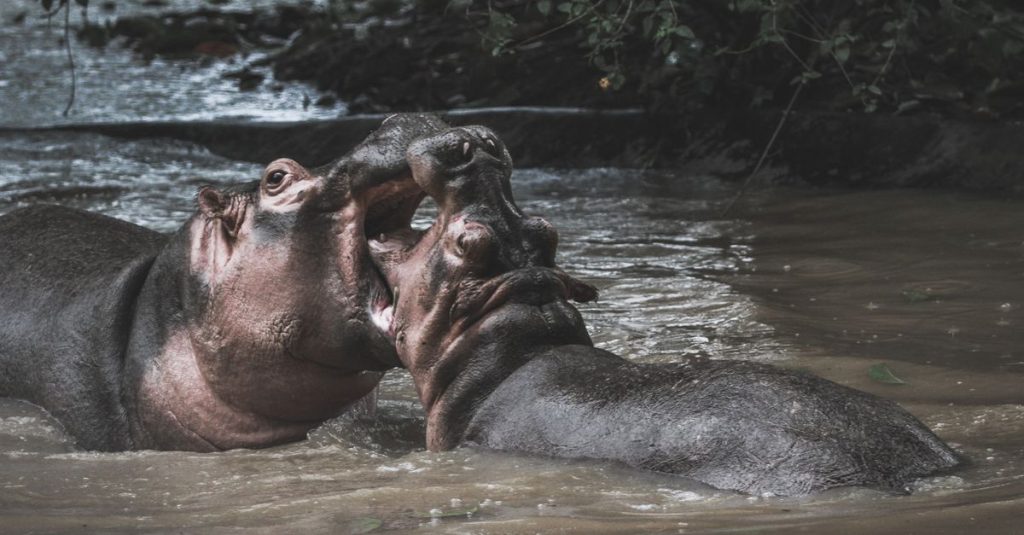
Explore the Kinabatangan River in Borneo with boat safaris, proboscis monkeys, orangutans, pygmy elephants and rainforest wildlife.
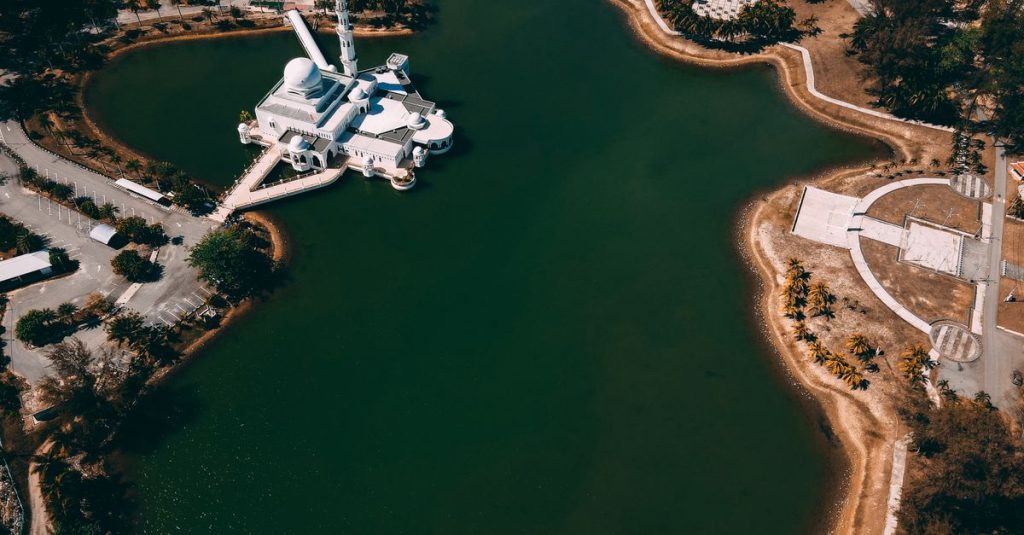
Discover Malaysia itineraries for 10 days, 2 or 3 weeks, with essential stops and practical advice for organising your trip.

Discover roti canai, Malaysia’s flaky, crisp breakfast flatbread, served with curry or dhal and enjoyed at mamak restaurants or home.
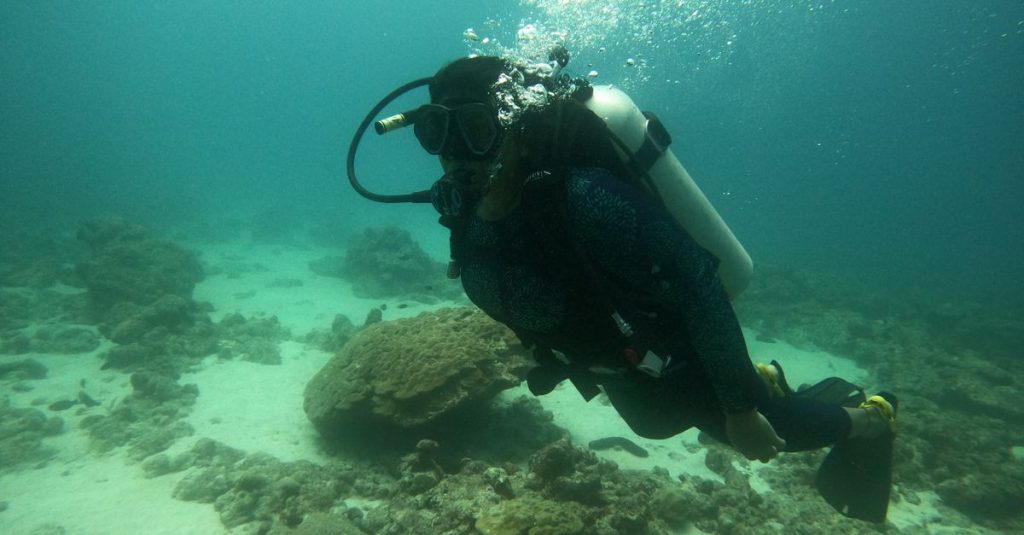
Discover Sipadan, Borneo’s legendary island: diving permits, the best season and practical advice for planning your underwater adventure.
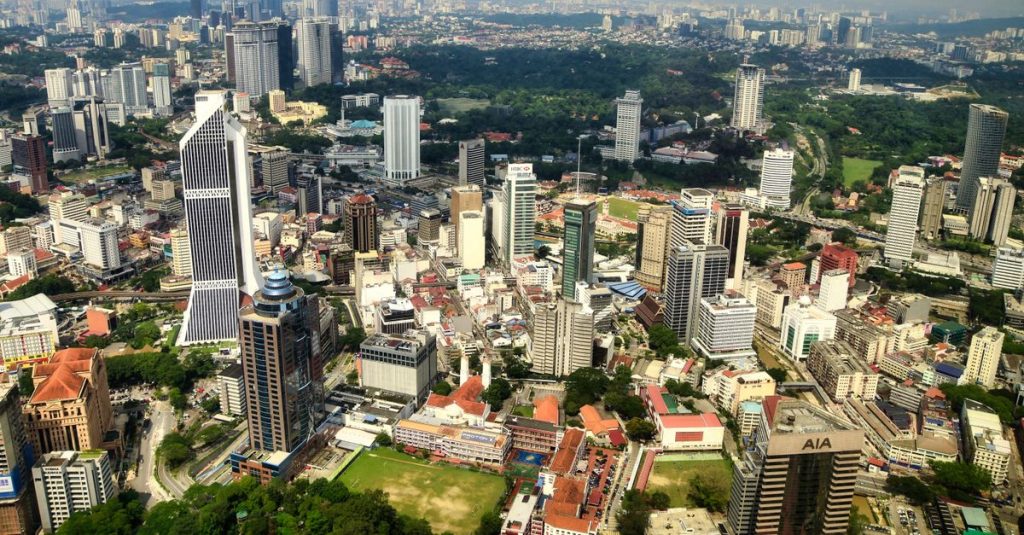
Discover Malaysia’s population, ethnic diversity and main religions, and understand the differences between citizens, residents and communities.
Scroll to see more articles →