Pangkor Island: Beaches, Access and Things to Do
Discover Pangkor Island, from its beaches and fishing villages to ferry access, activities and practical tips for planning your stay.
Published on
The best time to visit Langkawi is generally from December to March, with January and February preferred if you are looking for drier weather. The archipelago remains hot all year round: when choosing your dates, rainfall, cloud cover and sea conditions matter more than temperature variations.
Langkawi weather cannot, however, be reduced to a contrast between winter sunshine and summer rain. Showers can give way to bright spells, while a sunny day does not guarantee calm seas. Here is how to plan your stay month by month, depending on whether you prioritise beaches, boat trips or views from the hills.
In brief
For a holiday mainly focused on swimming and beaches, choose January or February. These months generally fall in the least rainy period, making outdoor activities easier to organise.
December is also an interesting option, but the transition to a drier pattern does not take place on a fixed date. A still-wet start to your stay is possible, particularly when late rainy-season conditions continue.
March is also suitable for a beach-focused programme, provided you are prepared for sometimes oppressive heat and the possible return of showers. For walking or visiting exposed sites, look for the coolest parts of the day rather than scheduling every activity around midday.
The beach does not require the same conditions as a boat excursion. A break in the clouds may be enough to enjoy Pantai Cenang, whereas an island trip also depends on the wind, swell and thunderstorms along the route.
For the cable car and viewpoints, visibility is the decisive factor. Cloud covering the higher ground can hide the landscape even when the coast remains pleasant, so it is best to keep an interchangeable day in your itinerary.
A trip focused more on greenery, meals and sightseeing can be considered during a wetter period. The compromise is clear: accept moving an excursion rather than trying to follow a rigid programme.
The seasons also vary across different parts of the country. Before combining the archipelago with another destination, consult our guide to Malaysia’s climate: conditions on one coast do not automatically apply to the other.
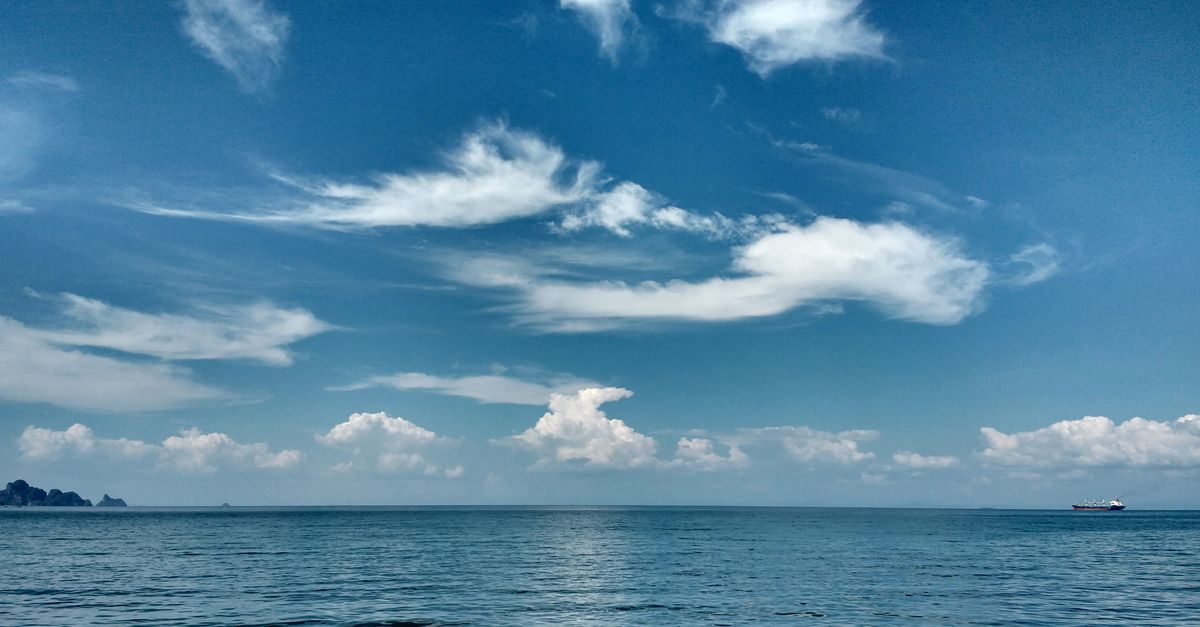
Langkawi has a tropical climate, with heat throughout the year and often noticeable humidity. Temperatures in Langkawi vary less between seasons than rainfall does: how it feels depends greatly on sunshine, ventilation and physical exertion.
A walk on a breezy beach may feel comfortable, then become tiring on a path sheltered from the wind. Take water, light clothing and breaks in the shade, even when the sky is cloudy.
The dry season in Langkawi generally corresponds to the period from December to March. The term describes a usual reduction in rainfall, not its disappearance: a shower or thunderstorm remains possible during a supposedly favourable stay.
Sunshine also calls for a few precautions. Cloud cover is not a substitute for suitable protection, and a day on the water often offers fewer opportunities to take shelter than a land-based visit.
Langkawi’s rainy season broadly runs from April to November, with wetter spells and calmer periods. The end of this period can be particularly humid, but the wettest month varies from year to year and according to the indicators used.
Rainfall in Langkawi does not always take the form of continuous rain. An intense shower may be followed by clearer skies; conversely, a spell of unsettled weather can significantly reduce opportunities for outings.
Counting rainy days is therefore not enough to imagine what a stay will be like. The duration and intensity of showers, and how they are distributed, matter just as much as their frequency, particularly when distinguishing a flexible walk from an excursion that is difficult to reschedule.
Climate trends help you choose a period; local forecasts help you choose an activity. As your departure approaches, consult the forecasts and warnings issued by the Malaysian Meteorological Department, also known as MET Malaysia.
This calendar provides useful trends for planning a trip to Langkawi according to the weather. It does not predict the conditions during your stay: transitions between dry and wet periods may come earlier or last longer.
| Month | Weather trend | Travel advice |
|---|---|---|
| January | Generally drier and sunnier period. | Preferable for the beach, while checking sea conditions. |
| February | Often favourable weather, with noticeable heat. | Good choice for outdoor activities with breaks in the shade. |
| March | Still favourable, with showers possibly returning. | Keep your excursions flexible. |
| April | Wetter transition, with possible thunderstorms. | Alternate sightseeing with sheltered activities. |
| May | More frequent showers and humid conditions. | Avoid a programme entirely dependent on boat trips. |
| June | Calmer spells are possible during a period that remains wet. | Choose outings according to updated forecasts. |
| July | Bright spells and showers may alternate. | Possible for a flexible holiday, without any guarantee of clear skies. |
| August | Rain remains a significant risk. | Plan alternatives to exposed activities. |
| September | Often very wet period. | Less suitable for a purely beach-based holiday. |
| October | Frequently humid and unsettled conditions. | Take care with boat trips and trails. |
| November | Heavy rain still possible; improvement is irregular. | Do not assume that fine weather has returned. |
| December | Generally favourable shift towards a drier pattern. | Good compromise, although the transition may still be noticeable. |
June and July deserve more nuance than simply being labelled the “bad season”. Pleasant periods are possible, but they do not form a second dry season as predictable as the heart of winter.
August also requires you to accept changes to your plans. If your holiday depends on daily swimming and fixed excursions, this variability will matter more than during a stay combining island sightseeing with relaxation.
If you are looking for improving conditions, December is generally the more consistent choice. November can still be very humid: the transition does not take place at the same time every year.
Choose a favourable window rather than a promise of constant sunshine. This approach avoids reading too much into a climate calendar and helps you book services suited to your priorities.
For beaches, pay as much attention to the state of the water as to the sky. Rough seas, noticeable currents or an unfavourable local warning should mean giving up swimming, even in fine weather.
During a thunderstorm, leave the water and exposed areas and go into an enclosed building. A simple beach shelter should not be considered sufficient protection from lightning.
Langkawi Sky Bridge is mainly enjoyed for its panoramic views. When clouds surround the hills, the visual experience changes considerably: check the conditions on site before setting off.
Wind and weather conditions can also affect the operation of the Langkawi cable car. Confirm that it is running and check its opening times with the operator, particularly after unsettled weather.
Kilim Mangrove offers another way to explore the archipelago’s landscapes. Its waterways do not remove the need to check for thunderstorms, tides and any exposed sections of the route.
For an island-hopping trip in Langkawi, ask the operator how the outing is adapted or cancelled when the sea deteriorates. Bright skies at departure do not guarantee identical conditions throughout the route.
After heavy rain, access to waterfalls and trails can become slippery. Respect closures and avoid swollen waterways: the intensity of rain upstream is not always visible from where you are.
The right activity is the one that suits the conditions on the day. Keep sheltered visits and meals centred around Malaysian cuisine as genuine programme options rather than improvised solutions.
Before you leave, distinguish seasonal averages from updated forecasts. The former guide your choice of dates; the latter help you adjust an excursion and identify a weather warning.
Check MET Malaysia, then confirm the operating conditions with the relevant providers. A rain icon displayed on an app is not enough to determine whether the whole day will be affected.
During the wetter period, accommodation close to restaurants and services makes it easier to change your plans. Our guide to where to stay in Langkawi helps you compare areas according to the way you travel.
An isolated property may suit a relaxing stay, but it increases your dependence on transport for meals and sightseeing. Check transport options before booking, particularly if you do not want to ride or drive in the rain.
Wet roads and reduced visibility make two-wheeled journeys more difficult. Plan an alternative and consult our guide to transport in Malaysia to organise the different stages of your trip.
For weather-sensitive services, check the postponement and cancellation terms before paying. A cancellation decided by the operator and one made at your initiative may be subject to different conditions.
Pack rain protection, shoes with good grip and a waterproof pouch for documents. Quick-drying clothing is useful, while sun protection remains necessary during bright spells.
Do not assume that a wet period guarantees lower prices: holidays and events can affect demand. Check prices with accommodation providers and operators; flexible booking may be more useful than a discount with no possibility of postponement.
January and February are generally the most favourable choices if you are looking for drier weather. December and March remain interesting, with a sometimes more noticeable seasonal transition.
Not necessarily. Showers may alternate with bright spells, although some unsettled periods last longer. Check local forecasts and keep interchangeable activities in your plans.
Yes, provided you accept variable weather. July can have relatively calm spells, while August retains a significant risk of rain. This period is better suited to a flexible programme than an exclusively beach-based holiday.
The heat makes swimming possible throughout the year, but safety depends on the sea, currents, thunderstorms and local warnings. Do not swim when conditions are unfavourable.
Check the forecasts and warnings from MET Malaysia, then confirm that the trip is going ahead with the operator. For the cable car, also check visibility and service status with the operator.
Discover Pangkor Island, from its beaches and fishing villages to ferry access, activities and practical tips for planning your stay.

Discover Sepilok in Borneo and observe orangutans in the rainforest, while learning about rehabilitation and wildlife conservation.
Explore the Kinabatangan River in Borneo with boat safaris, proboscis monkeys, orangutans, pygmy elephants and rainforest wildlife.
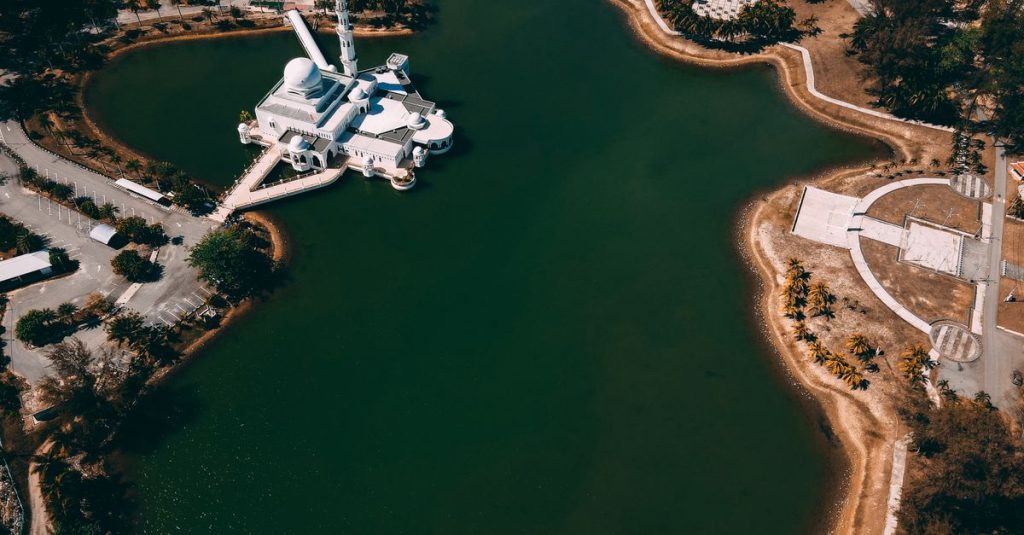
Discover Malaysia itineraries for 10 days, 2 or 3 weeks, with essential stops and practical advice for organising your trip.

Discover roti canai, Malaysia’s flaky, crisp breakfast flatbread, served with curry or dhal and enjoyed at mamak restaurants or home.
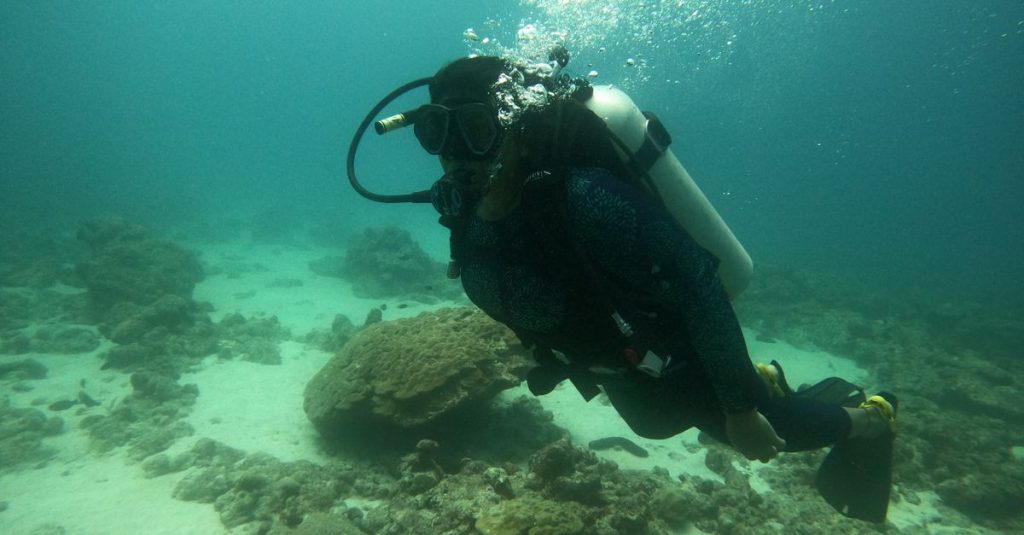
Discover Sipadan, Borneo’s legendary island: diving permits, the best season and practical advice for planning your underwater adventure.
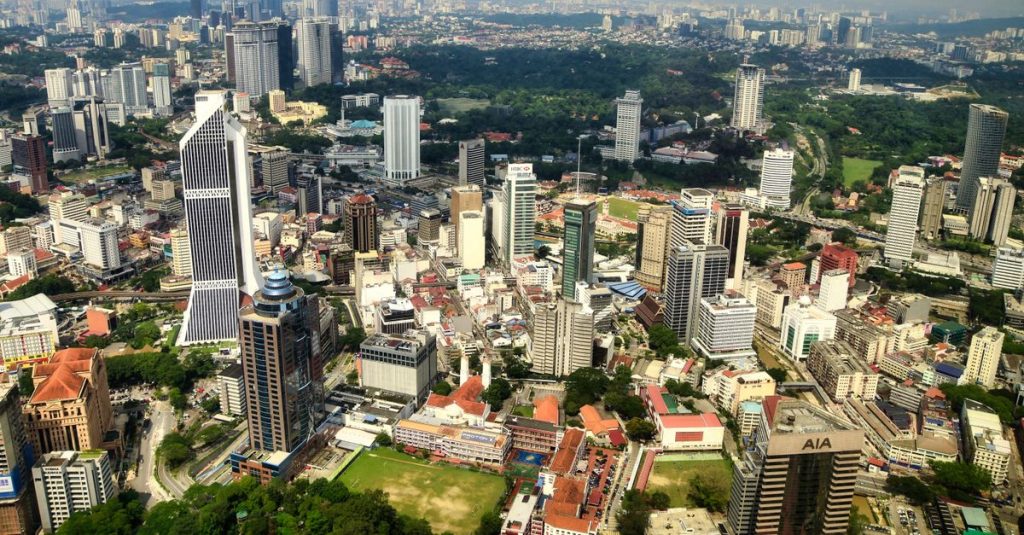
Discover Malaysia’s population, ethnic diversity and main religions, and understand the differences between citizens, residents and communities.

Experience the Malaysia MotoGP Grand Prix at Sepang: practical advice on tickets, access, accommodation and making the most of race day.
Scroll to see more articles →