Malaysia’s most beautiful islands: which one to choose?
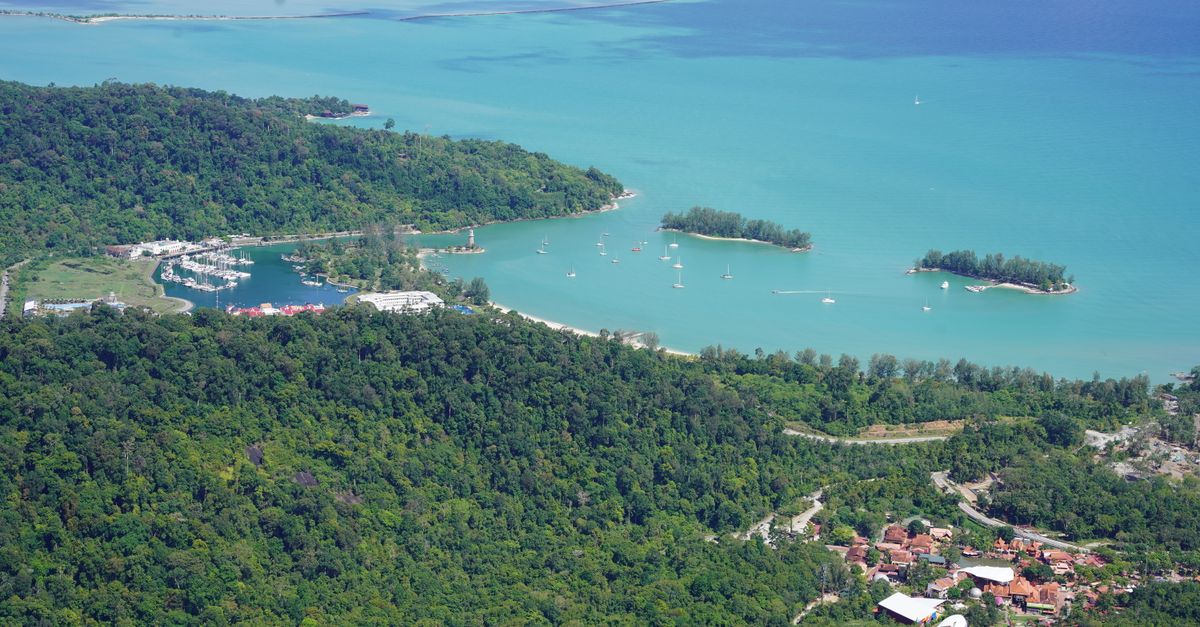
Malaysia’s most beautiful islands do not all cater to the same desires. The Perhentian Islands appeal with their beaches and accessible snorkelling spots, Redang with its comfortable resort stays, and Tioman with its forested terrain. On the west coast, Langkawi suits family holidays, Pangkor invites relaxation, and Penang prioritises culture and gastronomy. Off Sabah, Mabul and Sipadan attract divers, requiring specific organisation and precautions.
To choose an island in Malaysia, the colour of the lagoon is not enough: season, connections, overall budget, and available services matter just as much as the scenery. A perfect spot for a few nights may become restrictive for remote work or long-term stays. Consider a fictional couple, Claire and Julien: they want to balance swimming, local exploration, and a few workdays. Their ideal choice may not suit a family with young children or an experienced diver. The following comparison helps distinguish destinations based on these needs, without confusing holiday islands, diving bases, and true places to live.
What are Malaysia’s most beautiful islands for your profile?
Perhentian, Redang, Kapas and Tioman: which islands to choose for beaches?
The Perhentian Islands are an excellent choice for combining swimming and snorkelling. Kecil, in particular, offers a lively atmosphere around Long Beach, while Besar caters more to peaceful stays. This distinction remains relative: the choice of beach and accommodation influences your tranquillity more than the island’s name alone.
For Claire and Julien, a few nights on Besar would suit a genuine break without a packed schedule. However, they would avoid holding important business meetings there: check connectivity, electricity, and workspace comfort directly with the venue.
Redang typically favours organised resort stays, often centred around a hotel complex offering meals and sea outings. It suits couples and families who wish to minimise daily logistics. However, compare the beach included, the services provided, and transfer conditions: two packages may offer vastly different experiences.
Kapas is best suited for travellers who enjoy small-scale accommodations, simple days, and limited travel. Its charm lies precisely in its less developed offerings; you must accept fewer choices for meals, services, and activities when the weather prevents you from going out.
Tioman adds an adventurous edge with its coastal villages, jungle, and hiking opportunities. Choose your base before booking the boat: Tekek, Air Batang, or Juara offer different access and vibes. A jungle trek also demands more preparation than moving between two developed beaches.
Langkawi, Pangkor, Penang, and Mabul: very different island experiences
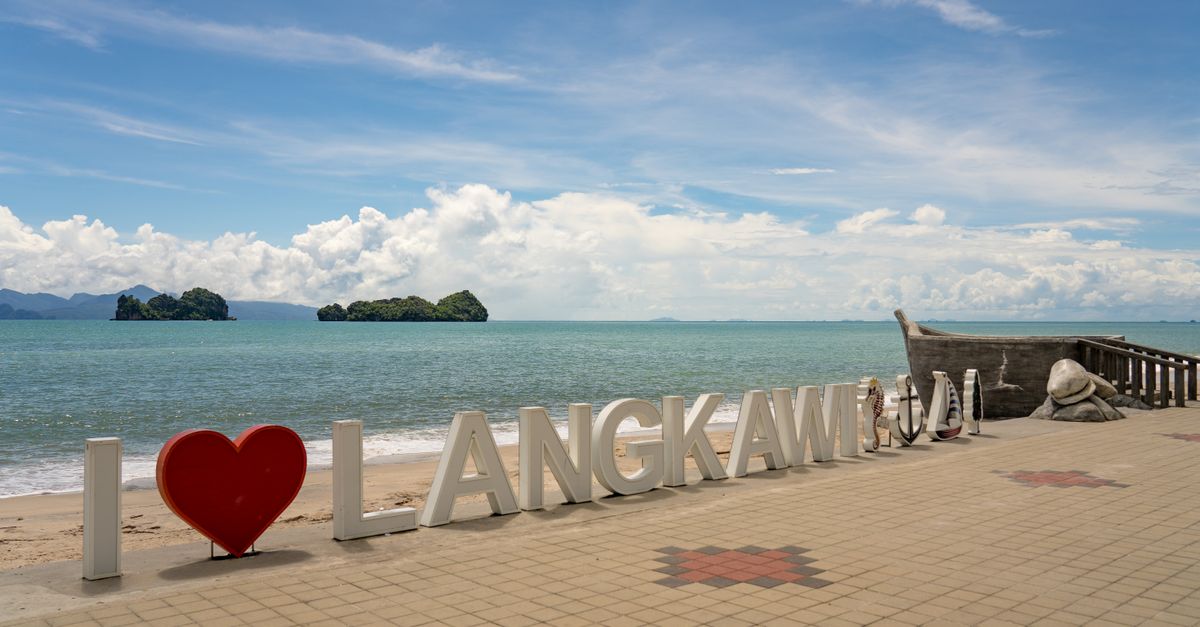
Langkawi offers one of the most practical compromises between beaches, varied accommodation, excursions, and air access. It is a suitable destination for a first family trip, provided you plan for travel: attractions are spread out, and not all areas are comfortably walkable.
Pangkor offers a glimpse of local life, with fishing villages, restaurants, and temples, including Fu Lin Kong. It suits a relaxed getaway from the peninsula. Do not confuse it with Pangkor Laut, a separate island known for its upscale hospitality.
Penang, meanwhile, is primarily a cultural and culinary destination. George Town, whose historic centre is a UNESCO World Heritage Site, alone justifies several days of exploration. Its beaches are not the best choice if crystal-clear water for coral spotting is your absolute priority.
Mabul and Sipadan cater to different types of trips: a stay focused on diving. Mabul is known for observing small marine species, while Sipadan is renowned for its drop-offs and pelagic fauna. You do not stay on Sipadan, and access requires regulated permits.
| Destination | Preferred profile | Strong point | Relative Budget | Main Constraint |
|---|---|---|---|---|
| Perhentian | Beach and Snorkelling Enthusiasts | Accessible Coves and Reefs | Budget to high | Seasonality and transfers |
| Redang | Couples and Families | Organised beach stays | High-end intermediary | Dependent on the Package Chosen |
| Tioman | Active travellers | Sea, villages, and forest | Budget to high | Choosing the Right Dock |
| Langkawi | Families and First-Timers | Accessibility and Diversity | Very variable | Land Travel |
| Pangkor | Independent travellers | Local Vibe | Budget-friendly to mid-range | Road and sea journey |
| Kapas | Simplicity Seekers | Compact and relaxation | Budget to mid-range | Limited services |
| Mabul and Sipadan | Divers | Underwater Biodiversity | High with diving | Driving licences and security context |
| Penang | Foodies and Long Stays | Heritage and urban services | Very variable | Less suitable for snorkelling |
These comparisons reflect travel styles, not guaranteed prices. To refine your selection, the Malaysian island guides from SoGuide offer further insights, while traveler reviews of island destinations highlight recurring challenges—without replacing official advice. The best choice balances your priority activities with a favourable timeframe.
When to visit Malaysia’s islands: seasons by coast
The East Coast: planning Perhentian, Redang, Kapas, and Tioman around the monsoon
On the eastern coast of the peninsula, the northeast monsoon is the key planning factor. It typically affects the region between November and March, with variations by year and location. Heavy rain and rough seas can disrupt crossings, limit marine activities, and lead to seasonal closures.
For Perhentian, Redang, and Kapas, a generally favourable window runs from April to September. This doesn’t guarantee permanent blue skies or perfect visibility: a tropical shower is still possible during an otherwise good period. Transition months require extra checks with hosts and transporters.
Tioman follows the same general logic, but its operations aren’t uniform across the entire island. Some villages and venues remain active while others scale back services. Ask specific questions: will your accommodation, ferry link, and planned activities actually run on your chosen dates?
For family travel, prioritise a period when services run normally over an off-season discount. A budget-friendly stay loses appeal if nearby restaurants are closed or swimming is discouraged. The right timing protects both comfort and budget.
The West Coast: Langkawi, Pangkor, and Penang remain more flexible options
The west coast is generally accessible year-round, but it is not immune to rainy spells. Langkawi typically experiences a drier period from December to March. Rainfall tends to increase at other times, particularly around September and October, though this does not automatically make a trip impossible.
Penang and Pangkor each have their own local variations: avoid applying a single calendar to the entire west coast. Days mixing sunny spells, humid heat, and showers are common. In George Town, this pattern still allows for museum visits, food breaks, and walks adapted to the moment’s conditions.
Claire and Julien travelling in January? Langkawi generally offers a more balanced experience than a purely beach-focused stay at Perhentian. They’re leaving in July and primarily want to explore reefs? Then the east coast should take priority in their selection. Switching coasts may be more practical than just changing hotels.
Sabah: check local weather and diving conditions
For Mabul and Sipadan, the mainland calendar isn’t directly applicable. Diving is available for much of the year, but rainfall, wind, currents, and visibility vary. No marine species can be guaranteed, even in a supposedly favourable period.
Check the forecasts and alerts from the Malaysian Meteorological Department, MET Malaysia, then ask the dive centre how it adjusts its trips. A reputable operator outlines cancellation procedures, backup sites, and experience requirements based on conditions encountered.
The Malaysian school calendar, public holidays, and peak travel periods also affect availability. Booking early can be useful, but only after checking modification policies. For an essential crossing, keep a buffer before an international flight rather than chaining boat, road, and plane travel without a contingency plan.
Finally, distinguish between rain and maritime hazards: a shower does not always cancel an outing, whereas rough seas may make it impossible despite clear skies. For islands, sea conditions matter more than just the weather icon.
How to Reach Malaysia’s Best Islands Without Endless Transfers?
Access to Perhentian, Redang, Kapas, and Tioman
The Perhentian Islands are usually reached by boat from Kuala Besut. From Kuala Lumpur, the typical route involves a flight to Kota Bharu, a road transfer to the port, and a crossing. Kuala Terengganu is another entry point, with a generally longer land journey to the ferry terminal.
Inform your transporter of your accommodation: disembarkation may depend on the beach, scheduled service, and sea conditions. Some transfers require additional arrangements upon arrival. If your flight lands late, an overnight stay on the mainland avoids relying on an uncertain last leg.
For Redang, departures can be arranged from Merang or Kuala Terengganu, depending on the connection and your chosen accommodation. Some resorts organise their own transfers. Do not select your port solely based on past travel accounts—confirm the meeting point on your booking.
Kapas can be reached from Marang, south of Kuala Terengganu. Be cautious of the similar names: Marang and Merang are two different locations. This confusion alone can jeopardise your departure if the road transfer has been arranged to the wrong terminal.
For Tioman, embarkations typically take place in Mersing or Tanjung Gemok. Schedules depend on maritime constraints and, depending on the port, tidal conditions. Verify the connection on the operator’s website, for example Bluewater for its Tioman services, and confirm the village served.
Access to Langkawi, Pangkor, and Penang
Langkawi has its own airport, making arrival easier if your route includes Kuala Lumpur or another city directly connected to your chosen dates. Ferries also serve the archipelago from Kuala Kedah and Kuala Perlis. Do not assume that a maritime route mentioned in an old guide still operates today.
Pangkor usually requires a road trip to Lumut or Marina Island, followed by a crossing. Arrangements vary by terminal: parking, tickets, and pickup points must be confirmed before departure. Once there, local taxis ease travel; cycling requires accounting for terrain, heat, and traffic.
Penang is accessible by air and road, thanks to bridges linking the island to the mainland. If you arrive by train at Butterworth, the crossing to George Town offers practical continuity, subject to operating hours. This variety of access makes it easier to integrate than a small archipelago served exclusively by boat.
Reaching Mabul and Sipadan: planning permits and safety
The usual route involves flying into Tawau Airport, taking a road transfer to Semporna, and then a boat to your accommodation. Sipadan is a regulated site, not an island where you can book a room. Confirm in writing whether your itinerary includes an access permit, and check Sabah Parks for applicable rules.
The eastern coast of Sabah and certain maritime zones are subject to specific security recommendations, which may vary depending on your nationality. Check the travel advice for Malaysia before booking, as well as any exclusions in your insurance policy.
For all these journeys, confirm who covers missed connections when tickets are separate. Carry your documents, medications, and fragile devices in waterproof luggage. A successful island itinerary allows flexibility, not just a chain of bookings.
What budget should you plan for an island in Malaysia, for holidays or to live there?
Compare Total Costs, Not Just Room Rates
The budget depends more on the level of services than just the name of the destination. A basic room at Perhentian may seem economical, but meals, outings, and transfers quickly add up. At Redang, a seemingly more expensive package may include several expenses you would otherwise pay separately elsewhere.
Base your comparison on equal terms: same number of nights, same occupancy, same comfort level, and same activities. Displayed amounts are indicative until dates and taxes are confirmed. For updated rates, consult the official booking site or provider rather than outdated articles.
- Accommodation: check for air conditioning, bathroom facilities, breakfast, taxes, and cancellation policies.
- Transport: include flights or land travel, transfers to the port, boat trips, and local movements.
- Meals: check dining options outside your accommodation.
- Activities: distinguish between equipment rental, guided tours, outings, and any required permits.
- Unexpected Costs: budget for an extra night or changes to your itinerary.
Entry fees to protected areas are not always included in an excursion. Verify the terms with the provider and relevant authorities, particularly the Department of Fisheries Malaysia for marine parks under its jurisdiction. Tariff categories may depend on the visitor’s status.
Save without compromising your stay’s quality
In Pangkor or Penang, local shops and restaurants frequented by residents help control daily costs. On a remote island, marine supply limits and fewer options often drive up prices. A *nasi lemak* bought in a residential area won’t compare to a meal at a beachfront resort.
Claire and Julien can book Penang for workdays, then allocate their leisure budget to a coastal getaway. This combo avoids overpaying for an exceptional setting they’ll barely use during work hours—and cuts the risk of needing extra connectivity solutions.
Before committing to a non-refundable booking, review your travel cancellation insurance coverage. Unfavourable weather alone does not automatically qualify for compensation; claims depend on the policy terms and required documentation.
Living on a Malaysian island: check services before settling down
Penang and Langkawi are generally easier to consider for an extended stay than Kapas or remote beaches. Access to healthcare, shops, and long-term accommodation options significantly impact daily life. For families, the proximity of suitable schools must be checked neighbourhood by neighbourhood.
Do not assume that advertised mobile coverage guarantees a stable connection in your accommodation. Request a recent test conducted in the room or workspace, then plan a backup connection. Satellite or fibre availability does not guarantee universal coverage on inhabited islands.
Residency rights and work authorisation remain separate from booking accommodation. Check the conditions with the Malaysian Immigration Department before planning a long-term stay. Similarly, foreign property purchases depend on state rules, the property type, and required permits: no single threshold applies to all destinations.
Lastly, waste management and resources are more constrained in smaller communities. Practising proper waste sorting and disposal in Malaysia, conserving water, and avoiding unnecessary packaging directly helps preserve your destination. A pleasant living environment depends on reliable services as much as on beautiful beaches.
Frequently asked questions for choosing Malaysia’s most beautiful islands
Common queries often mix landscape beauty, accessibility, and quality of stay. These criteria do not necessarily refer to the same destination. A stunning beach may be poorly suited for off-season travel, while a large urbanised island can offer a richer experience for those seeking heritage, dining, and independence.
To decide which island to pick in Malaysia, start with your real priority: exploring marine life, relaxing, discovering culture, or staying long-term. The following answers clarify these differences and place tourist rankings in context.
What is Malaysia’s most beautiful island?
No official ranking designates a universal winner. For beaches and snorkelling, Perhentian and Redang stand out—if timed right. Tioman wins for blending jungle, villages, and coastline. Langkawi suits those wanting a mix of relaxation, excursions, and varied stays. For diving, Sipadan is exceptional but requires regulated access and careful planning. Penang excels for heritage and cuisine. If undecided, pick your main activity before your hotel: it’s what turns a pretty postcard into the trip truly tailored to your holiday.
What are the most beautiful islands around Malaysia?
In neighbouring countries, Thailand’s Koh Lipe, Indonesia’s Bintan and Anambas Islands, or the Raja Ampat archipelago offer vastly different experiences. Koh Lipe can fit into some itineraries from Langkawi when seasonal international links operate. Bintan pairs more naturally with Singapore. The Anambas require specific logistical prep, while Raja Ampat is a standalone trip—far more distant. ‘Nearby’ doesn’t always mean immediate proximity. Verify entry requirements, transfers, and maritime conditions for each. If short on time, sticking to one Malaysian region often lets you make the most of your stay than adding borders and multiple connections.
What are the 5 most beautiful islands in the world?
Any selection is subjective and depends on what you’re looking for. For example, Bora-Bora for its lagoon, La Digue in the Seychelles for its granite formations, Palawan in the Philippines for its limestone landscapes, Kauai in Hawaii for its terrain, and Tioman for its mix of tropical forest and coastline form a highly varied list. This isn’t an official ranking or measurable hierarchy. Some destinations appeal for their beaches, others for hiking or biodiversity. Also compare the season, overall cost, crowd levels, and transport constraints. A globally famous spot doesn’t guarantee a better trip than a lesser-known island—especially if the latter suits your pace and preferences.
How to Get to Perhentian Island?
The Perhentian Islands consist of two main islands, Kecil and Besar. The usual route involves flying to Kota Bharu, driving to Kuala Besut, and then boarding a boat to your accommodation sector. You can also arrive by road or via Kuala Terengganu, adjusting the transfer accordingly. Book your crossing through your accommodation provider or a recognised operator, then confirm departure times, terminals, and disembarkation points. Departures depend on the season and sea conditions; a late arrival may require an overnight stay on the mainland. On your return, allow a buffer before your flight, especially if it is international. The shortest connection is not always the most reliable.
Island Cost of Living Simulator (2026)
Estimate your monthly paradise living costs based on your lifestyle.
Around 750 € / month
- Accommodation 2500 MYR
- Food & Entertainment 1,000 MYR
- Transport (Boat/Scooter) 200 MYR
The Leap into the Unknown: Formalities in 2026
Settling on a Malaysian island requires more thorough planning than moving to an urban area. In 2026, the Malaysian government simplified procedures for remote workers (**Visa DE Rantau**) and updated the MM2H programme.
Visa Selection
Between the **PVIP** for investors and the standard work visa, each option has its own advantages. Refer to our guide on visas and work permits.
Administrative Logistics
Opening a bank account and taking out health insurance are the first crucial steps upon arriving in Malaysia.
Cultural Adaptation
Living on an island means adapting to local rhythms. Understanding Malaysian culture and learning basic Malay will greatly ease your integration.
« By 2026, fibre-optic internet will even be available on smaller islands like Kapas. »
— Julien, Expat Freelancer