Healthcare and English-Speaking Doctors in Malaysia
Navigate the Malaysian healthcare system with confidence. From finding an English-speaking specialist in Kuala Lumpur to understanding private clinics, we break it all down for you.
A system of excellence at Asia's doorstep
By 2026, Malaysia has established itself as one of the most advanced medical hubs in Southeast Asia. With a high-performing healthcare system internationally recognised for its quality, the country attracts thousands of expats and medical tourists every year. This success rests on a dual infrastructure: an accessible public sector and an ultra-modern private sector, often accredited by the Joint Commission International (JCI).
For an English-speaking expat, the language barrier can be an initial source of worry. Yet the vast majority of Malaysian practitioners speak fluent English, having often completed their training in the United Kingdom, Australia or the United States. Finding a doctor who speaks your language is possible, although these rare gems are mostly concentrated in the capital, Kuala Lumpur.

95%
of private-sector doctors speak fluent English
#1
Medical tourism destination in Southeast Asia
Why choose the Malaysian healthcare system?
Private Facilities & JCI
Private hospitals such as Gleneagles, Prince Court and Pantai Hospital combine hotel-grade standards with cutting-edge technology. JCI accreditation guarantees that patient-safety protocols match those of the best European and American hospitals.
Accessibility
Unlike many Western systems, access to specialists in Malaysia is direct. There is no need to go through a GP referral to book an appointment with a cardiologist or dermatologist in the private sector.
Controlled Costs
Even in the best clinics in Kuala Lumpur, fees remain highly competitive compared with Western healthcare systems, while maintaining an elite standard of care.
Internationally Trained Specialists
Most specialists have spent part of their career in London, Sydney or New York. This ensures a keen understanding of the cultural expectations of Western expats.
How to find your doctor in Malaysia?
The language challenge
Let's be realistic: finding a GP whose mother tongue is not English remains rare in Malaysia. That said, the expat community has identified several practitioners who speak a range of languages, often Malaysians who studied abroad or long-established expats.
For your search, we recommend checking the guide to expat associations, which often keeps up-to-date lists. Platforms such as Expat.com and Medigence are also valuable resources for reading reviews from international patients.
How the "Klinik" works
For everyday ailments (a cold, a mild infection), you'll head to a Klinik. These neighbourhood practices often operate on a walk-in basis. You arrive, register at reception with your passport or resident card (IC), and wait your turn. The consultation usually lasts 10 to 15 minutes and often includes the medication being dispensed directly by the clinic itself.
Access to Specialists
This is where the Malaysian system shines for its flexibility. If you need a cardiologist, a gastroenterologist or an ophthalmologist, you can go directly to a major private hospital (such as Prince Court or Gleneagles) and request a consultation. Most specialists have their offices within the hospital buildings themselves.
Medical Cost Estimator (Est. 2026)
Estimate your consultation and treatment costs based on the type of facility you choose.
Estimate result
💡 Note: About 0 €. This estimate is no substitute for a real quote. Remember to check your health insurance.
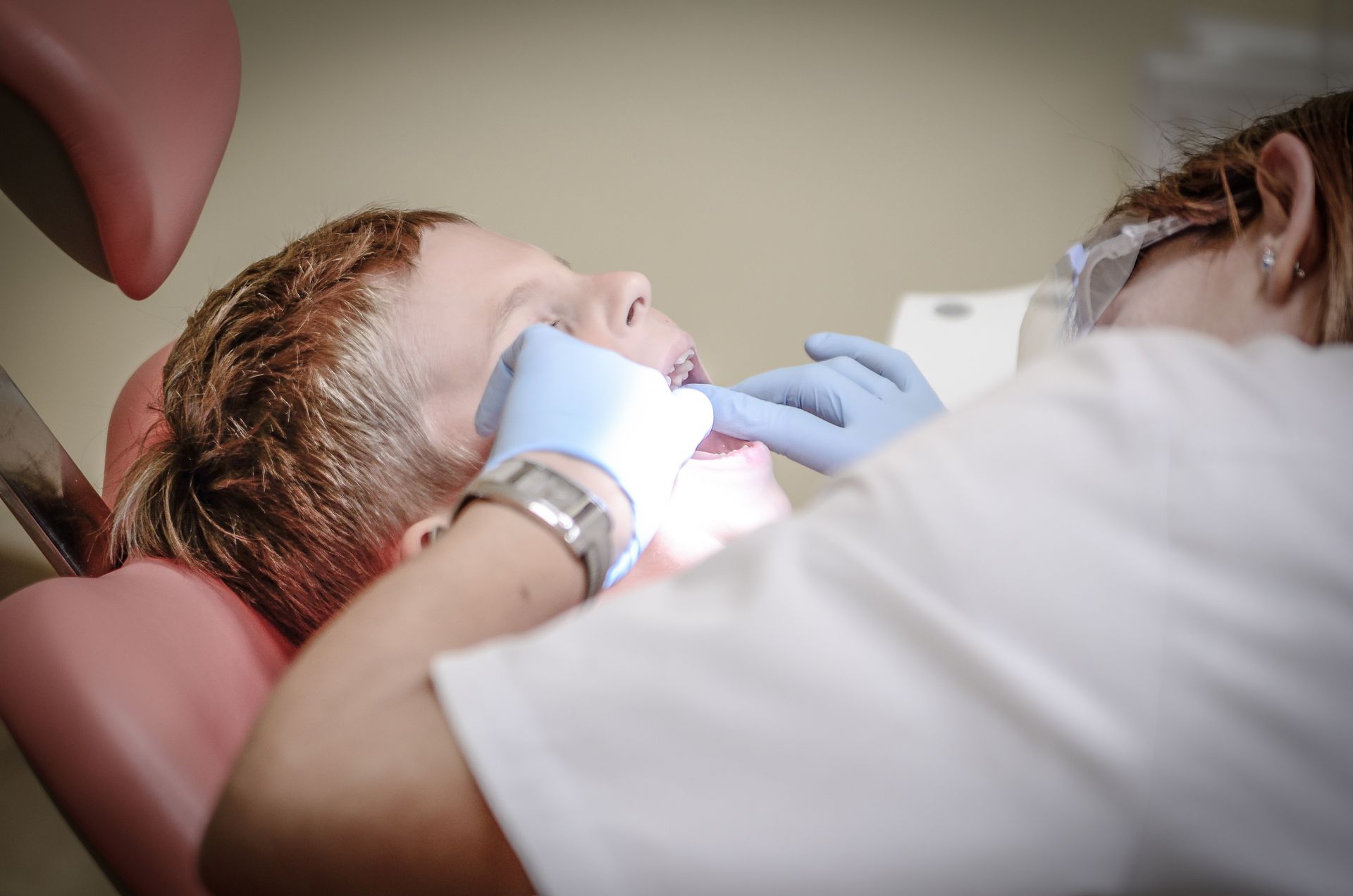
Dental Care: Excellence within reach
Dental clinics, known as "Klinik Pergigian", are everywhere in Malaysia, particularly in Kuala Lumpur and Penang. Whether you need a simple scale-and-polish or complex orthodontic treatment, you'll find first-class facilities.
- ✓ Mandatory annual licence renewal for all dentists.
- ✓ 3D imaging and laser technology commonly used in the private sector.
- ✓ Costs up to three times lower than in the West for implants and crowns.
Book your appointment via WhatsApp, the preferred method of Malaysian clinics in 2026.
Emergencies: What to do?
Call 999 or 112
This is the single number for the police, fire brigade and ambulances.
Be aware: unlike emergency medical services in many Western countries, ambulances in Malaysia are often simply transport vehicles. There is little or no intensive medical care provided on board. For maximum efficiency, if your condition allows, take a taxi (Grab) to go directly to the emergency department of a reputable private hospital.
Recommended hospitals in Kuala Lumpur:
- Prince Court Medical Centre (City Centre) - +603 2160 0000
- Gleneagles Hospital (Ampang) - +603 4141 3000
- Pantai Hospital (Bangsar) - +603 2296 0888
Pharmacies & Medication
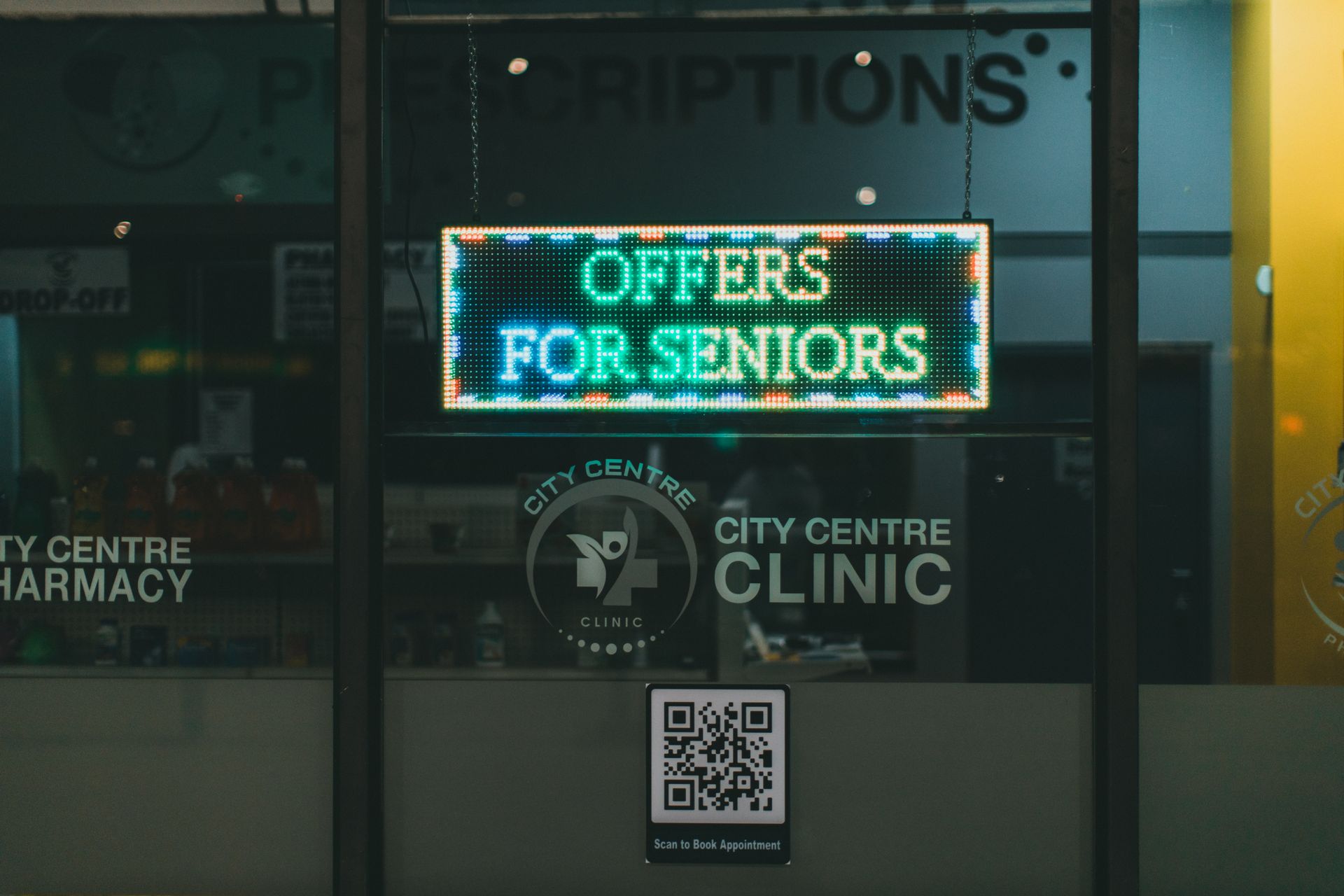
The pharmacy network is extremely dense. Chains such as Guardian, Watsons and Caring Pharmacy can be found in almost every shopping mall.
Opening hours
Generally from 10am to 10pm, in line with mall opening hours.
Prescriptions
Many medicines are available over the counter, but antibiotics and psychotropic drugs remain strictly regulated.
Telemedicine: The future is already here
By 2026, Malaysia has rolled out the widespread use of digital health platforms. You can now consult a world-renowned specialist via video for a second opinion or a follow-up appointment.
App-Based
Booking and consultation through dedicated apps (DoctorOnCall, Speedoc).
Simple Payment
Direct integration with local e-wallets (Touch 'n Go).
Delivery
Your medicines delivered to your door within 2 hours of the tele-consultation.
Multilingual
Option to filter by language (English, Mandarin, Malay, French).
Health Insurance: Your essential shield
Since the private sector can be costly in the event of surgical hospitalisation, taking out suitable health insurance is crucial. As an expat, you have two main options:
International Insurance (with top-up cover)
Offers worldwide portability and high coverage limits. Ideal for families and seniors.
Local Malaysian Insurance
Cheaper, but often limited to Malaysia with per-condition limits. Sufficient for healthy young professionals.

Frequently Asked Questions (FAQ)
Can I use my home-country health card in Malaysia? ▼
No, foreign national systems are not linked to the Malaysian one. You'll need to pay upfront and claim reimbursement if you are covered by international private insurance.
How are doctors trained in Malaysia? ▼
They follow a rigorous curriculum, often topped up with specialisations in the United Kingdom (MRCP), the USA or Australia. English is the academic language of medicine in Malaysia.
Are the medicines the same as back home? ▼
Most international compounds are available under their English brand or generic names. Brands sometimes differ, but the efficacy remains the same.
What is the average price of a GP consultation? ▼
In 2026, expect between 60 MYR (neighbourhood clinic) and 250 MYR (premium hospital, medication included).
Do I need a referral to see a specialist? ▼
No. In Malaysia, you can call a specialist directly and book an appointment without going through a GP (the "Direct Access" system).
Is the tap water safe to drink? ▼
Drinking tap water directly is strongly discouraged. Use filtered or boiled water, or bottled water, to avoid digestive issues.
What is JCI certification? ▼
It is the "Gold Standard" of global hospital quality. If a hospital is JCI-certified, it meets the strictest safety criteria.
Are there any compulsory vaccinations? ▼
No vaccine is compulsory for travellers coming from Europe, but vaccinations against hepatitis A, typhoid and an up-to-date DTP booster are strongly recommended. See our guide on health precautions.
Where to seek treatment for cancer or cardiac surgery? ▼
Malaysia is highly experienced in these fields. The IJN (Institut Jantung Negara) is one of the best cardiac centres in the world.
How to handle the air-con / heat temperature shock? ▼
Excessive air conditioning often causes sore throats and colds. Stay well hydrated and set your air-con to around 24°C at night. See our guide on the Malaysian climate.
Ready for your new life in Malaysia?
Don't leave your health to chance. Prepare for your move with our detailed guides on administrative formalities and settling in.