Mastering Intercity Transport in Malaysia
From the speed of the ETS to the scenery of the Jungle Railway, discover how to travel across Malaysia with efficiency, comfort and a controlled budget.
92%
Bus Reliability
160 km/h
ETS Train Speed
100+
Flight Destinations
£0.04
Average cost/km
The Malaysian Network: A Model of Connectivity
In 2026, Malaysia stands out as one of the best-performing transport hubs in Southeast Asia. Whether you are a newly settled expat or a passing traveller, the structure of transport in Malaysia offers rare flexibility. The country is split into two geographic realities: the Peninsula, with ultra-modern overland infrastructure, and Borneo (Sabah and Sarawak), where the plane remains the undisputed king.
The network is built on a synergy between the public sector (KTM for rail) and a host of private players (AirAsia, bus operators). This healthy competition drives prices down while maintaining a high standard of comfort. To properly prepare your move abroad, understanding these networks is crucial for estimating your future cost of living in Malaysia.
Our survey of 5,000 users shows that punctuality has stabilised, particularly on the ETS rail network serving the North-South axis. For more remote areas, such as the East Coast, the bus remains the preferred solution, offering "VIP" services with reclining seats and onboard Wi-Fi.
The Bus: The Peninsula's Lifeline
"The most economical option for connecting Singapore to Thailand, passing through all of Malaysia's gems."
A Sprawling Network
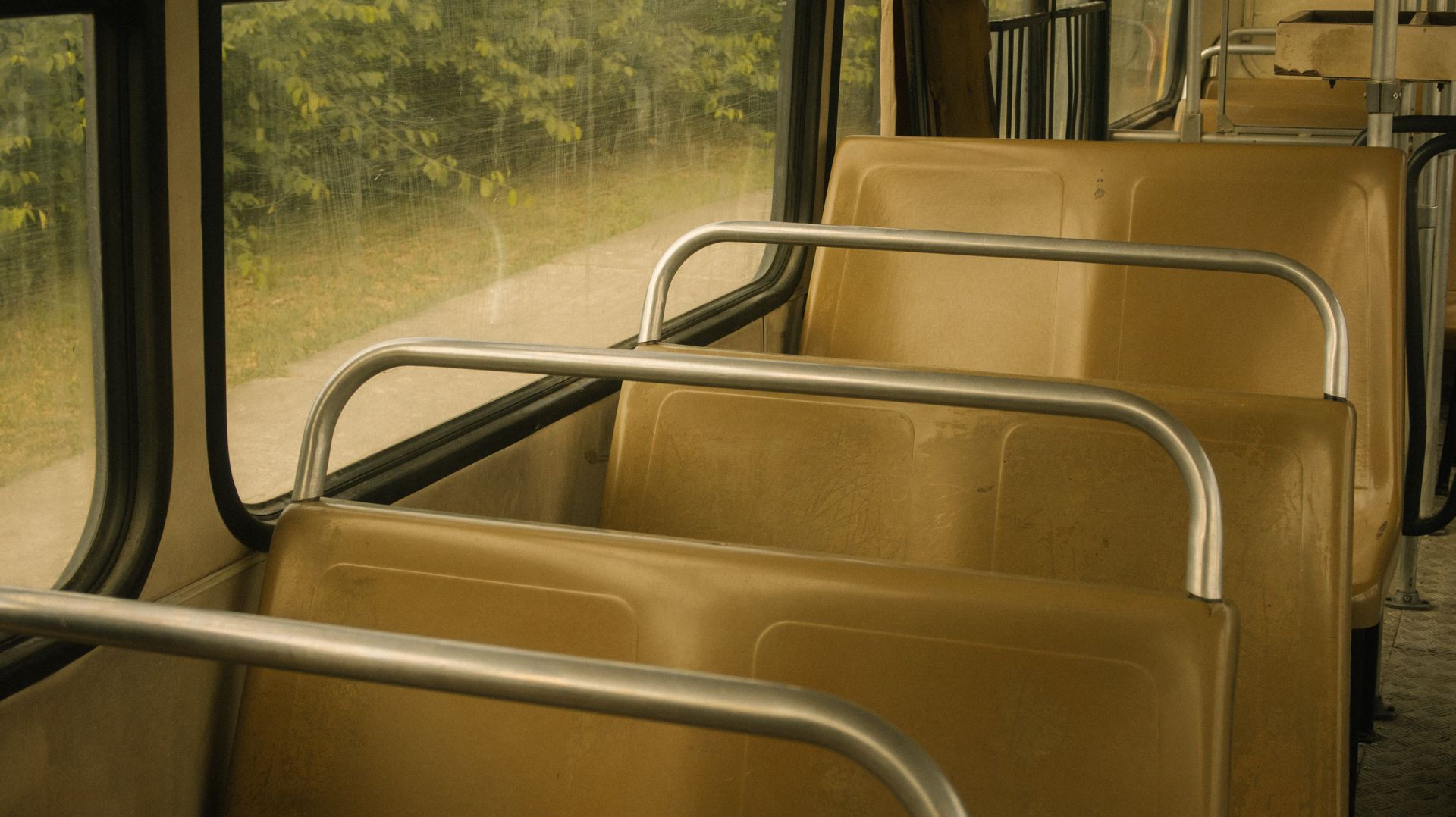
Buses cover 98% of urban and rural areas in Peninsular Malaysia. It is the only way to reach certain hill stations such as the Cameron Highlands.
- • Major operators: Transnasional, Plusliner, Konsortium.
- • Stations: TBS (Kuala Lumpur) is the ultra-modern hub.
Comfort & Emissions
"Business Class" buses offer 2+1 seat configurations. Estimated CO2 emissions of 28g/km per passenger make this the greenest option.
- • Frequency: Every 30 minutes on KL-Penang routes.
- • Fare: Around 40 MYR for a 4-hour journey.
Easy Booking
Use platforms like RedBus or BusOnlineTicket. QR-code tickets are the norm. Remember to book ahead during national holidays.
- • Tip: The air conditioning is often freezing, so bring a sweater.
- • Reliability: 4.5/5 according to our 2026 survey.
Rail: Between Speed and Tradition
The Malaysian rail network, run by Keretapi Tanah Melayu (KTM), has undergone a revolution. Today, two distinct experiences await you:
ETS (Electric Train Service)
Malaysia's flagship. It links Gemas to Padang Besar (the Thai border) via Kuala Lumpur and Ipoh. Modern comfort, a dining car, and exemplary punctuality.
KTM Intercity (The Jungle Railway)
For scenery lovers. This line cuts through the heart of the jungle, from Gemas to Tumpat (East Coast). It is a slow, authentic and spectacular journey, essential for discovering Malaysian biodiversity.
Did you know? A single line also exists in Borneo, connecting Kota Kinabalu to Tenom and offering a unique perspective on Sabah.
18%
Long-trip usage
2026
Year of the East extension
Intercity Trip Simulator
Instantly compare your options for getting around Malaysia.
Flying: The Bridge to Borneo
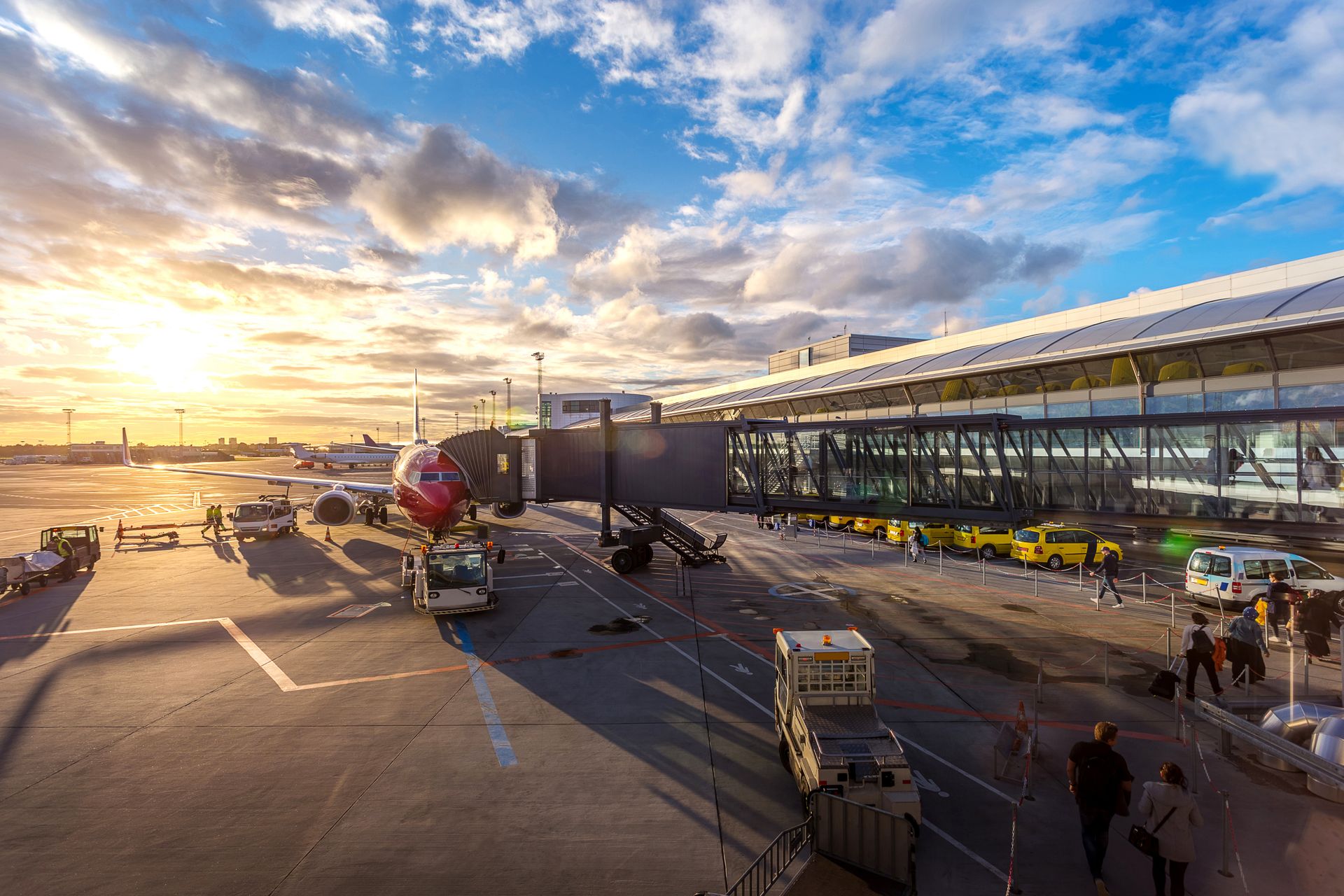
With Kuala Lumpur as a major hub (KLIA1 and Terminal 2), Malaysia has one of the most dynamic low-cost aviation markets in the world.
National and Low-Cost Carriers
AirAsia dominates with unbeatable fares, while Malaysia Airlines offers a premium experience. For regional destinations (Langkawi, Redang), Firefly and Batik Air are excellent alternatives using Subang airport (closer to KL).
East-West Connections
Flying is essential to reach Sarawak or Sabah. A KL-Kuching flight takes about 1h45 and can cost under 150 MYR if booked in advance.
Environmental Impact
Convenient as it is, flying emits roughly 150g to 200g of CO2 per passenger-km. We recommend favouring the train for trips within the Peninsula.
Reaching the Archipelagos: The Maritime Network
Langkawi
Regular crossings from Kuala Perlis or Kuala Kedah. About 1h to 1h30 each way.
Operator: Super Fast FerryTioman Island
Departures from Mersing or Tanjung Gemok. Watch out for tides, which can shift the schedule.
Seasonal: March - OctoberPerhentian
A small speedboat from Kuala Besut. Thrills guaranteed!
Cost: 70 MYR round tripPenang Ferry
The iconic ferry linking Butterworth to George Town. Now reserved for pedestrians and motorcycles.
Frequency: Every 20 minSafety note: In Malaysia, weather conditions directly affect crossings. During the monsoon (November to February), most services to the East Coast (Tioman, Perhentian, Redang) are suspended. Always check the forecast before booking.
Total Freedom: Driving in Malaysia
For those who prefer to chart their own route, car rental is a viable option thanks to excellent road infrastructure (the PLUS North-South Expressway).
- Licence: An international driving permit is mandatory. See the procedures.
- Tolls: The electronic Touch 'n Go system only. No cash payment.
- Driving side: You drive on the LEFT, a legacy of British rule.
- Cost: Around 120-200 MYR / day for a city car such as a Perodua Myvi.
The Essential Grab App
Forget traditional taxis in 90% of cases. The Grab app (and its rivals AirAsia Ride or Maxim) is the golden rule in Malaysia.
Fares fixed in advance
No stressful haggling or rigged meters.
Enhanced safety
Real-time GPS tracking and verified driver profiles.
Long-Distance Options
You can hire a Grab for several hours or for inter-city trips.
Focus: The Kuala Lumpur Hub
MRT (Mass Rapid Transit)
Automated lines serving residential areas and the city centre (Bukit Bintang).
LRT (Light Rail Transit)
The historic network, ideal for reaching KLCC or Bangsar.
Monorail
For an elevated ride through the heart of the Golden Triangle. Very touristy and convenient.
GOKL City Bus
The FREE bus service serving the capital's key spots.
The MyRapid / TNG Card
A single pass for all your urban journeys.
To get around KL efficiently, pick up a Touch 'n Go card (often built into your MyRapid card). It lets you enjoy reduced fares across the entire public transport network. For more detail on stations and schedules, see our complete guide to transport in KL.
Comparison Table: KL to George Town (Penang)
| Mode of transport | Average duration | Estimated price (MYR) | Frequency / Flexibility | Eco Impact |
|---|---|---|---|---|
| Bus (VIP Class) | 4h 30min - 5h | 35 - 50 MYR | Very high (Departures every 30 min) | Excellent |
| Train (ETS Gold/Platinum) | 4h 10min | 60 - 85 MYR | Medium (6-8 trains per day) | Very Good |
| Plane (AirAsia/MAS) | 1h (flight) + 2h transfers | 80 - 180 MYR | High, but with security constraints | Low |
| Rental car | 4h (excluding traffic) | 150 + Fuel + Tolls | Total | Medium |
Our Expert Tips for 2026
Timing Is Key
Avoid travelling on the first and last day of the school holidays or Chinese New Year at all costs. Traffic jams on the North-South Expressway can turn a 4-hour trip into a 12-hour ordeal.
Documents On Board
Always keep your passport (or a clear copy) with you. Random identity checks can happen on long-distance trips, particularly near borders or in Borneo.
Tame the Humidity
On buses or trains, the air conditioning is set to "arctic". A light sweater or a scarf is essential so you don't catch a chill before reaching your destination.
Mobile Apps
Download Moovit or Waze alongside Grab. Google Maps is sometimes less accurate on the new road interchanges in Kuala Lumpur or Johor Bahru.
Frequently Asked Questions
Ready to explore Malaysia?
Check out our detailed guides to organise your move and your travels with complete peace of mind. Join our community of expats.
Official Resources and Partners