Farm-to-Table
A rise in restaurants sourcing directly from organic farms in the Cameron Highlands.
Welcome to the crossroads of Southeast Asian flavours. From vibrant street food to Michelin-starred restaurants, discover how food defines the soul of your new life.
In Malaysia, this question often replaces "How are you?". That alone says everything about the central role food plays in everyday life here. For an expat, immersing yourself in the local cuisine is not just a feast for the senses, it is the single most powerful path to fitting in.
Malaysian cuisine is a fascinating mosaic, a perfect reflection of its multicultural population. It blends the age-old traditions of the Malays, the refined techniques of the Chinese, the fiery spices of the Indians and the unique heritage of the Peranakan (Baba-Nyonya). To understand this cuisine is to understand Malaysian culture in all its glory.
The pillars that hold up every traditional Malaysian dish.
Essential to the richness of curries and the creaminess of desserts. Fresh coconut milk, pressed daily at the markets, brings a sweetness that balances out the heat of the chillies.
Adds that citrusy, earthy note that defines spice paste bases (Rempah).
A fermented shrimp paste with a pungent smell but an incomparable umami taste once cooked.
A cousin of ginger, peppery and more citrusy, essential for an authentic Rendang.
More than a sauce, it is practically a religion. Made from pounded chillies, shallots and salt, every family has its own secret recipe. It accompanies almost every meal to lift the flavours.
The "vanilla of Asia". Its leaves perfume rice and traditional cakes.
Literally "rich rice", this dish is the very heart of Malaysia. The rice is cooked in coconut milk and pandan leaves. It is traditionally served with spicy sambal, crispy anchovies (ikan bilis), roasted peanuts, slices of cucumber and an egg. Learn more about nasi lemak.
"The best Nasi Lemak is often found in triangular banana-leaf parcels sold by the roadside."
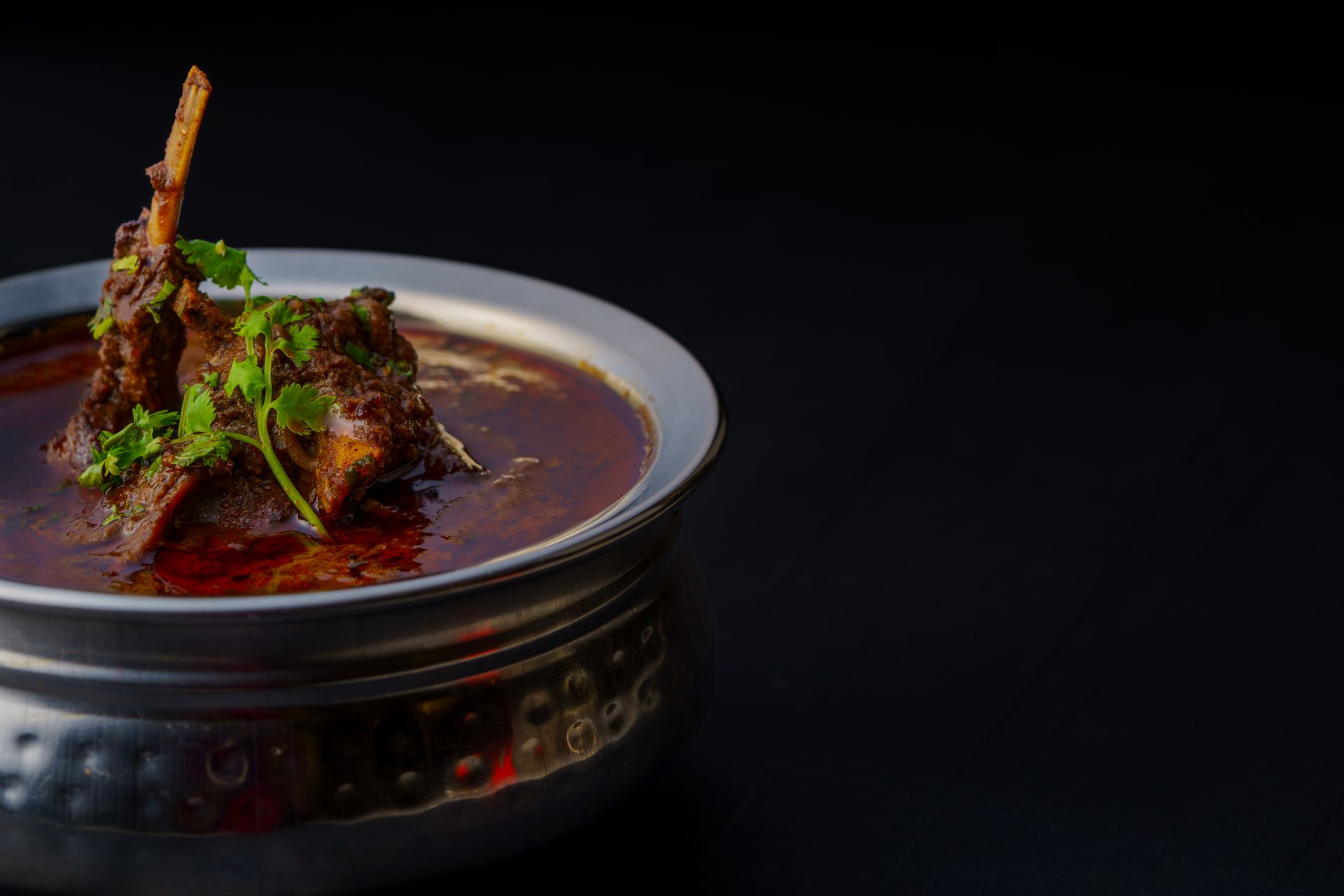
Originating from the Minangkabau community, this is no ordinary curry but a dish simmered for hours until the liquid evaporates completely. The meat becomes meltingly tender, infused with a complex spice paste and toasted coconut (kerisik).
It is the star dish of the Hari Raya celebrations. Find out more about the national and religious festivals to understand the context of this festive dish.
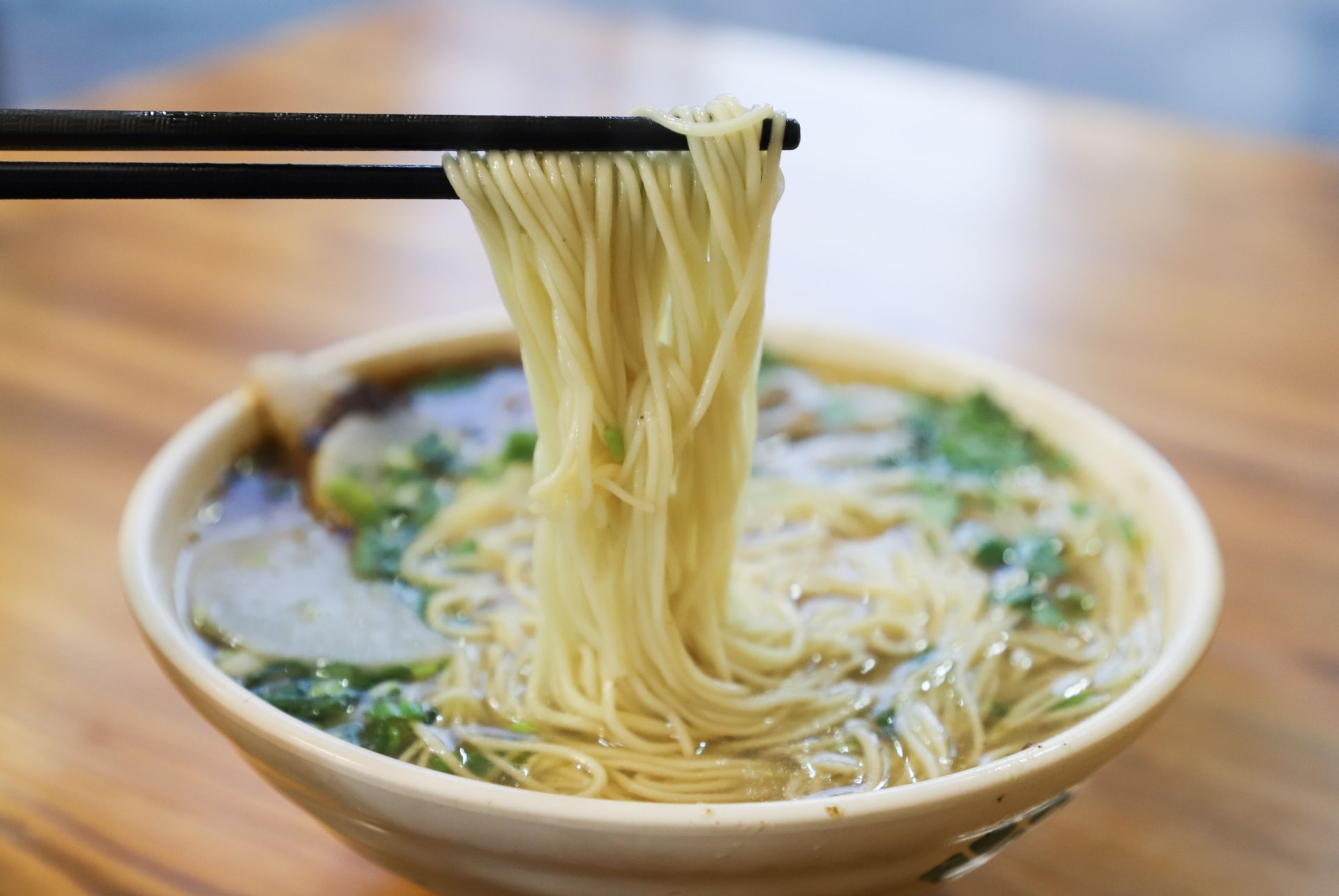
Flat rice noodles stir-fried over a fierce flame in a scorching wok to achieve the famous "Wok Hei" (the breath of the wok). Tossed with prawns, cockles, eggs, bean sprouts and Chinese chives. It is the king of street food in Penang.
Estimate your monthly food spending in Malaysia based on your lifestyle.
Estimated monthly budget
0 MYR
(Approx. 0 €)
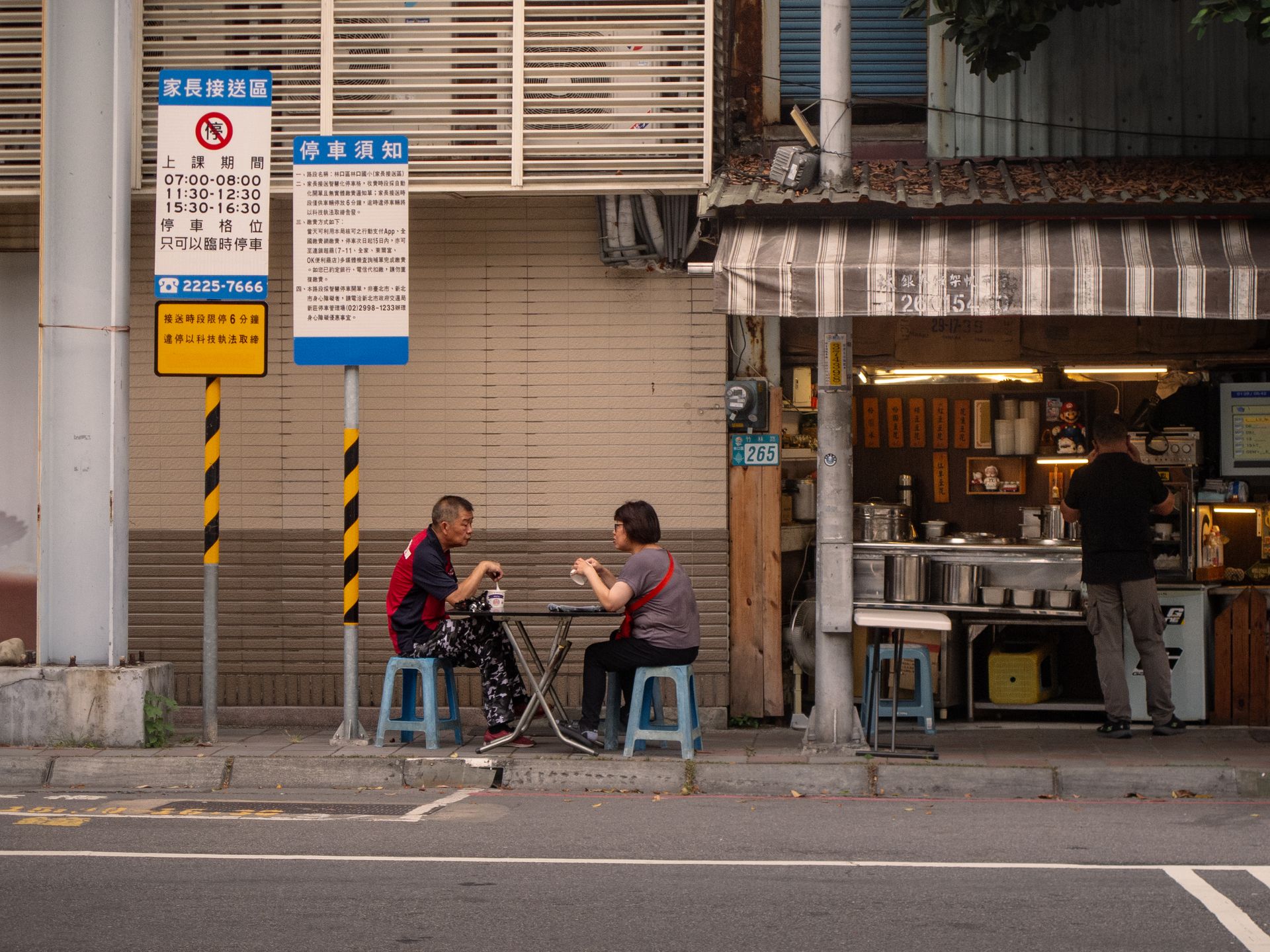
The soul of street food. Dozens of stalls under a single roof. It is loud and hot, but this is where you find the best dishes at unbeatable prices. A must for settling in!
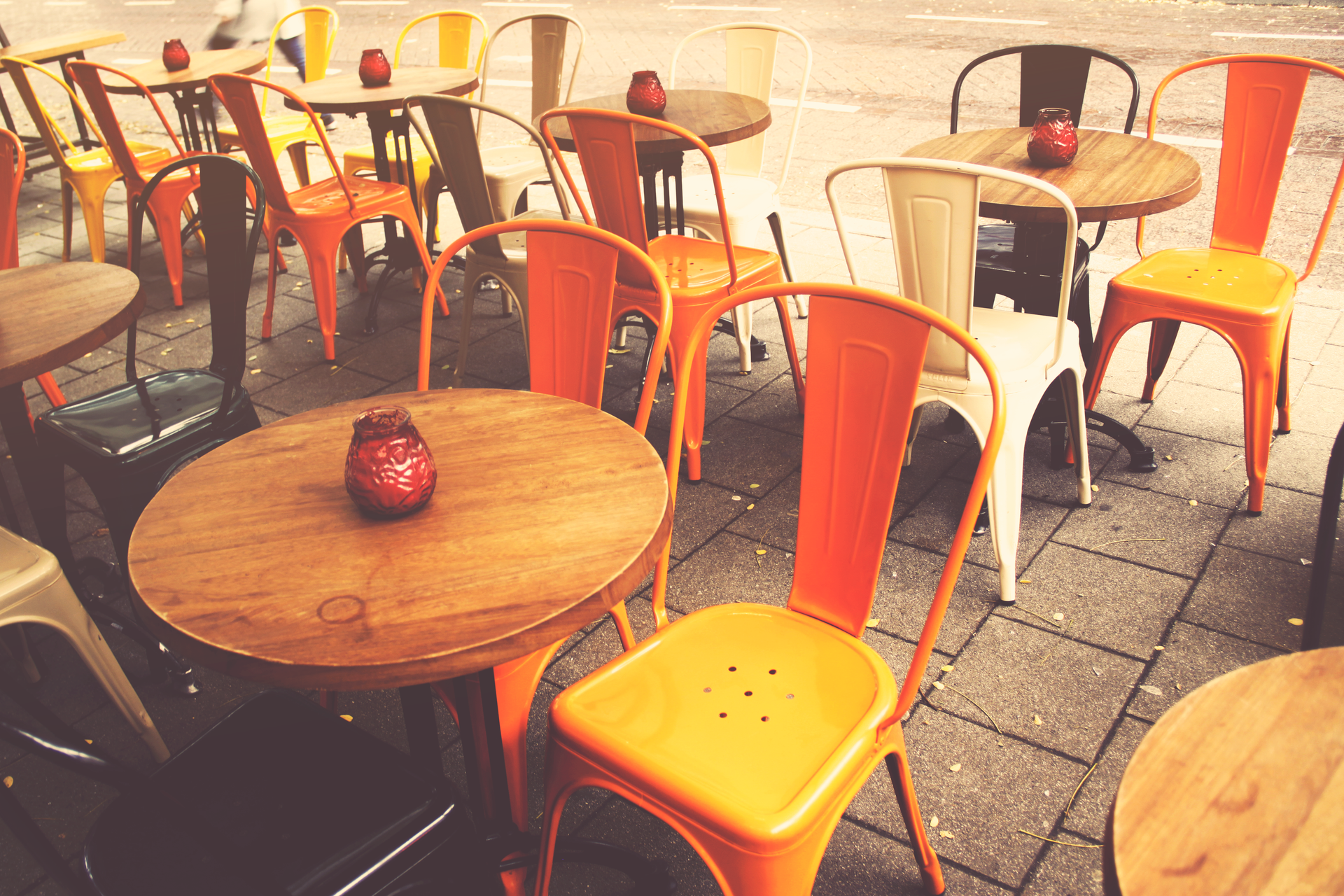
Run by Indian Muslim Malaysians, Mamak stalls are open 24/7. They are the go-to spot for a Teh Tarik and a Roti Canai after work or a football match.

Kuala Lumpur and Penang are full of starred restaurants or ones featured in the Michelin Guide (such as Dewakan or Au Jardin). The Malaysian fusion scene reinvents the classics here with incredible skill.
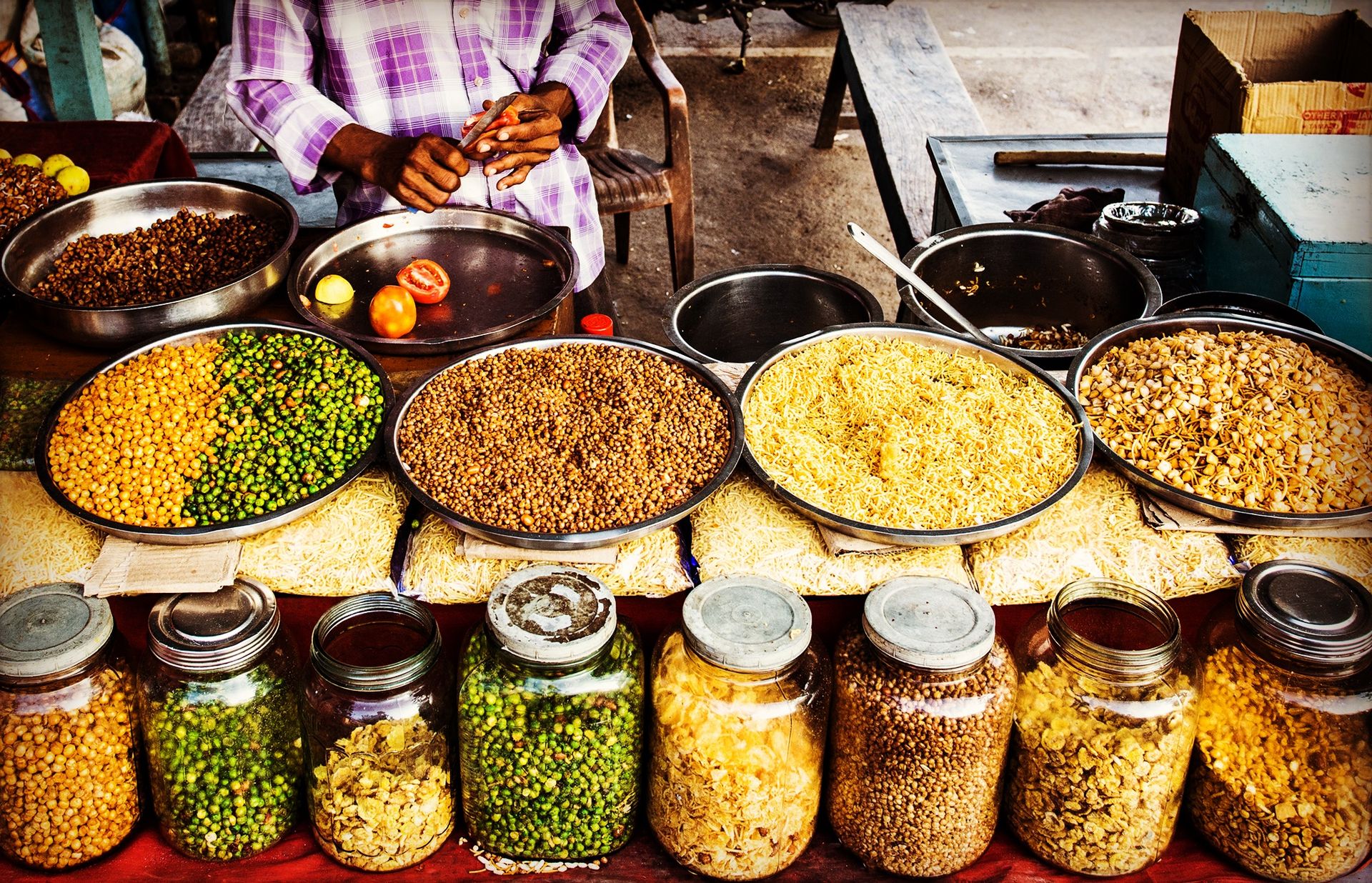
To understand the ingredients, you have to go to the source. Malaysian markets are explosions of colour and aromas.
The capital's largest fresh produce market. Authentic, raw and fascinating.
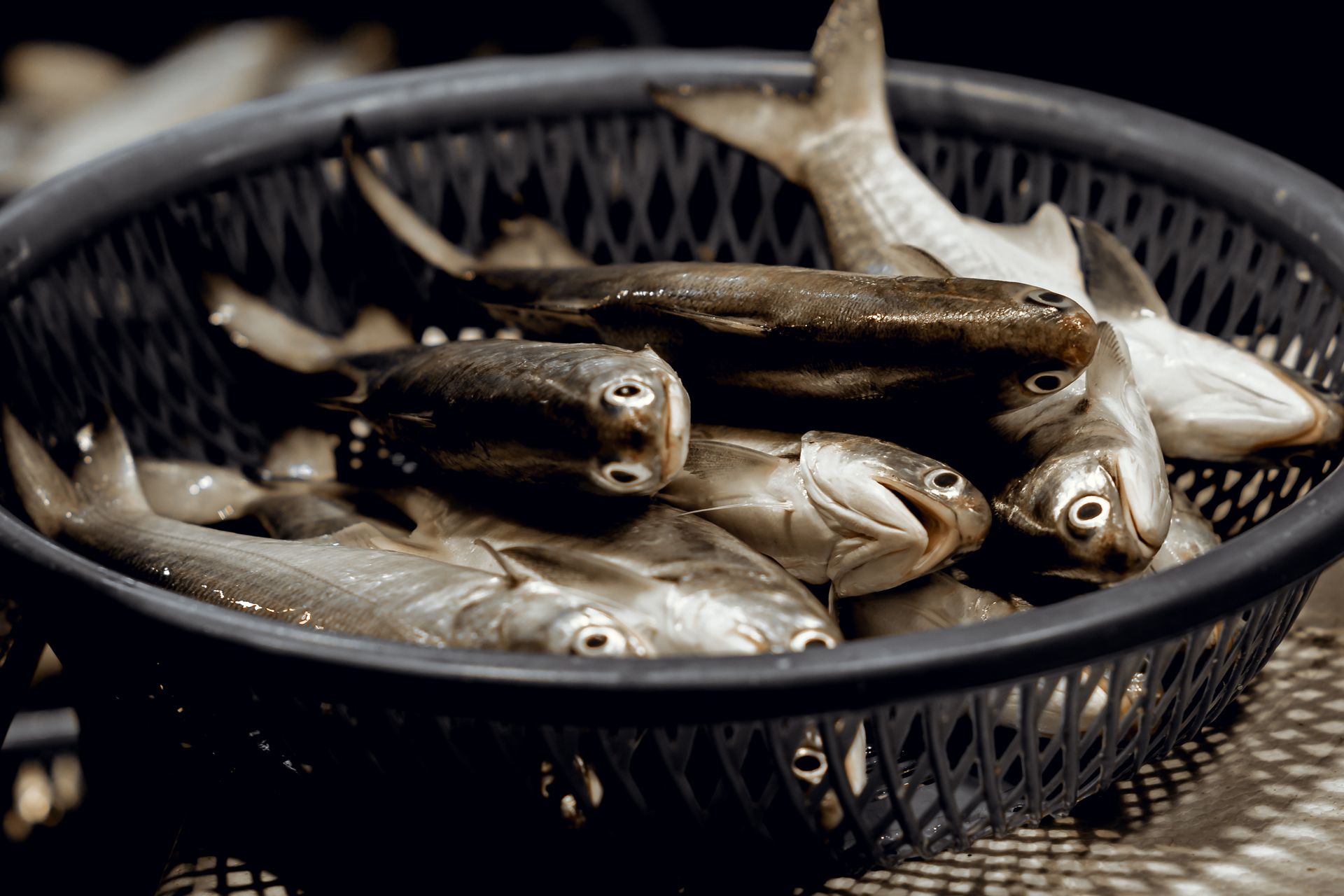
The mecca of late-night dining. A whole street dedicated to Chinese street-food restaurants and seafood.
Travelling markets that set up each evening in a different neighbourhood. Perfect for discovering snacks like Apam Balik.
Learn more about managing your everyday shopping.
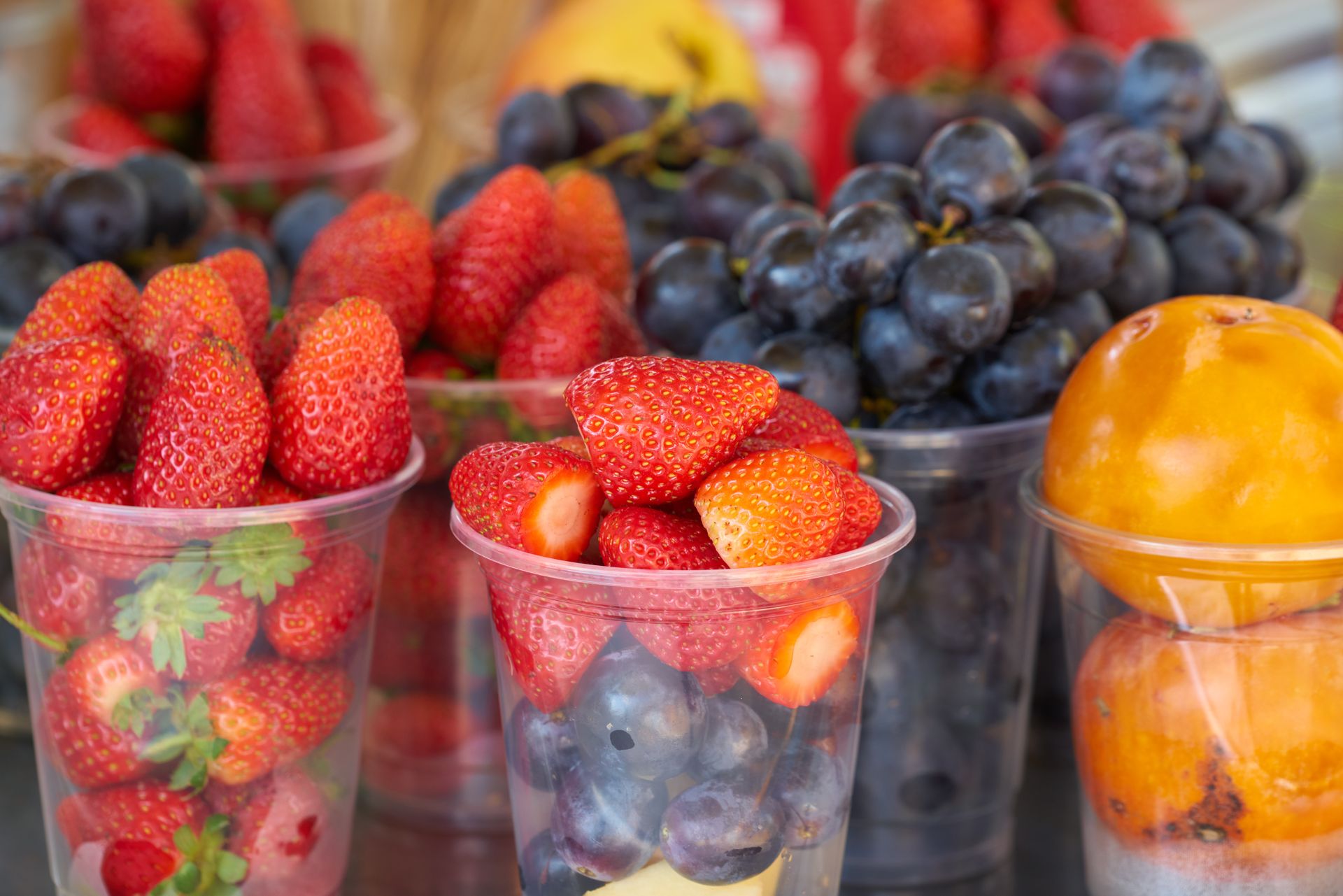
If you eat with your hands (a tradition among Malays and Indians), use strictly your right hand. The left hand is considered unclean.
The majority of establishments are Halal. Avoid asking for pork or alcohol in Malay Muslim restaurants. Respect the "Non-Halal" sections in supermarkets.
Dishes are often placed in the centre of the table for everyone to help themselves. It is polite to serve the elders first.
If a Malaysian invites you to eat, splitting the bill (going Dutch) is rare. The host usually pays, but it is good form to offer to pay or to invite them in return later on.
"Don't be surprised if you see locals rinsing their cutlery with the hot water provided in a bowl on the table at some traditional Chinese restaurants. It is a common hygiene habit."
As delicious as the local cuisine is, sometimes you just need a good cheese, a baguette or a glass of wine. In 2026, Malaysia is perfectly equipped to satisfy those cravings.
Village Grocer, Jaya Grocer and Ben's Independent Grocer (B.I.G) have huge "Import" aisles (France, Australia, UK).
Plenty of names such as Paul, Levain and Kenny Hills Bakers offer breads of European quality.
Use apps like Grab or HappyFresh to have your groceries delivered in under an hour. Check out our guide to the essential apps.
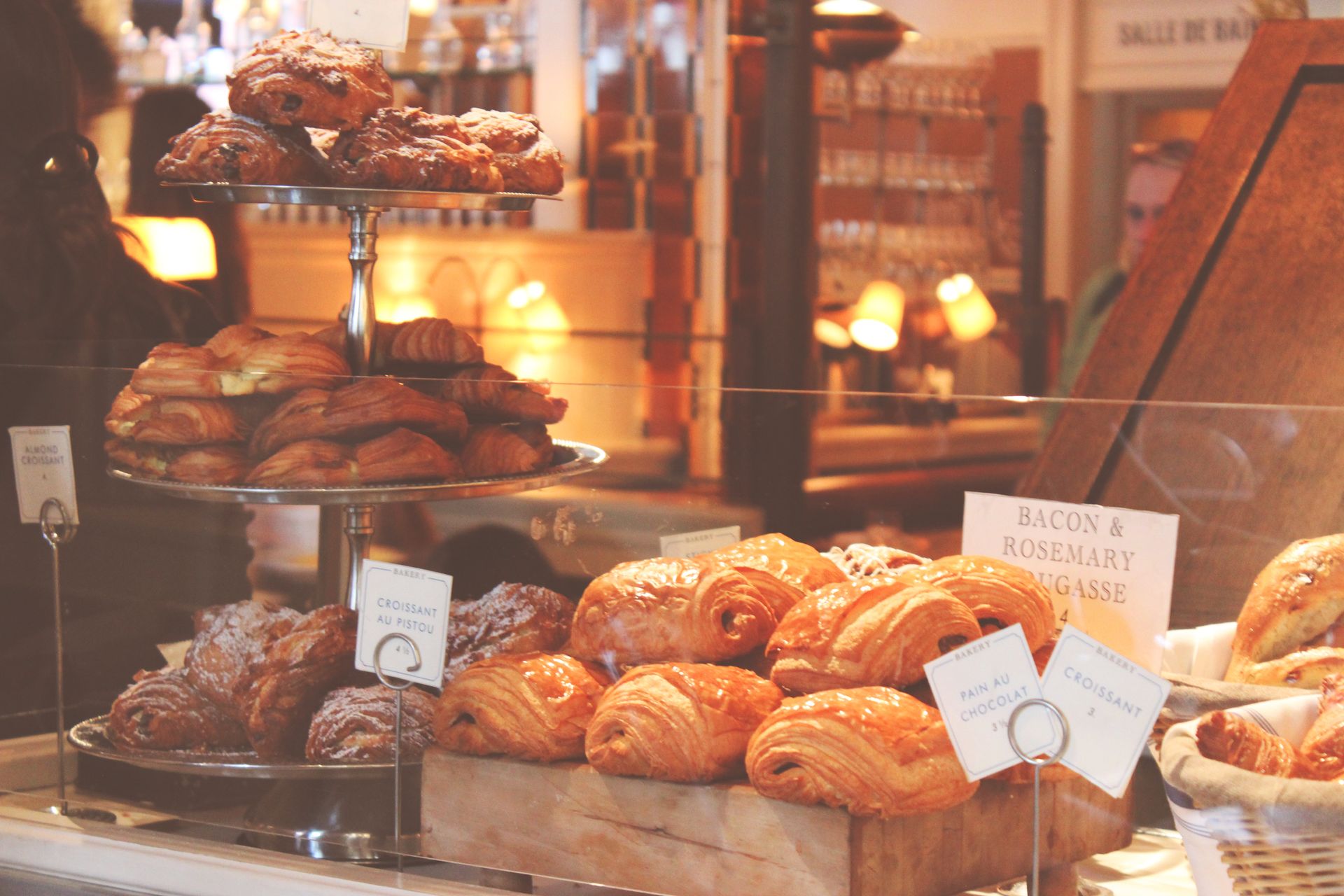
A rise in restaurants sourcing directly from organic farms in the Cameron Highlands.
Kuala Lumpur now boasts one of the most dynamic coffee shop scenes in Asia. Malaysian coffee (Liberica) is making a strong comeback.
Vegan Nasi Lemak with mushroom sambal is replacing the anchovies in many trendy cafés.
The rise of "Modern Malaysian" restaurants applying French techniques to native ingredients from Sarawak.
Yes, Malaysia loves chilli. That said, you can often ask for "Kurang pedas" (less spicy) or "Tak mahu pedas" (no spice). Chinese dishes and certain Malay curries are milder.
Drinking tap water straight from the tap is strongly discouraged. Most households use filters (such as Coway or Cuckoo) or buy bottled water.
The "King of Fruits". It has a very strong smell (banned in hotels and on public transport) but a uniquely creamy texture. It is an acquired taste that Malaysians adore.
Alcohol is available in non-halal restaurants, bars and dedicated supermarket sections. Note that it is heavily taxed. For more on going out, see nightlife in Malaysia.
Generally, yes. Popular stalls with a high turnover of customers are the safest. Rely on the hygiene grade posted by the local council (A, B or C) on the storefront.
A basic Nasi Lemak can cost 3-5 MYR. A full meal at a Hawker Centre with a drink costs around 10-15 MYR (2-3 €).
Yes, in premium supermarkets like B.I.G or Jaya Grocer. Set aside a decent budget, though, as imported dairy products are expensive.
Join our forum to share your favourite spots or ask your questions about food in Malaysia.