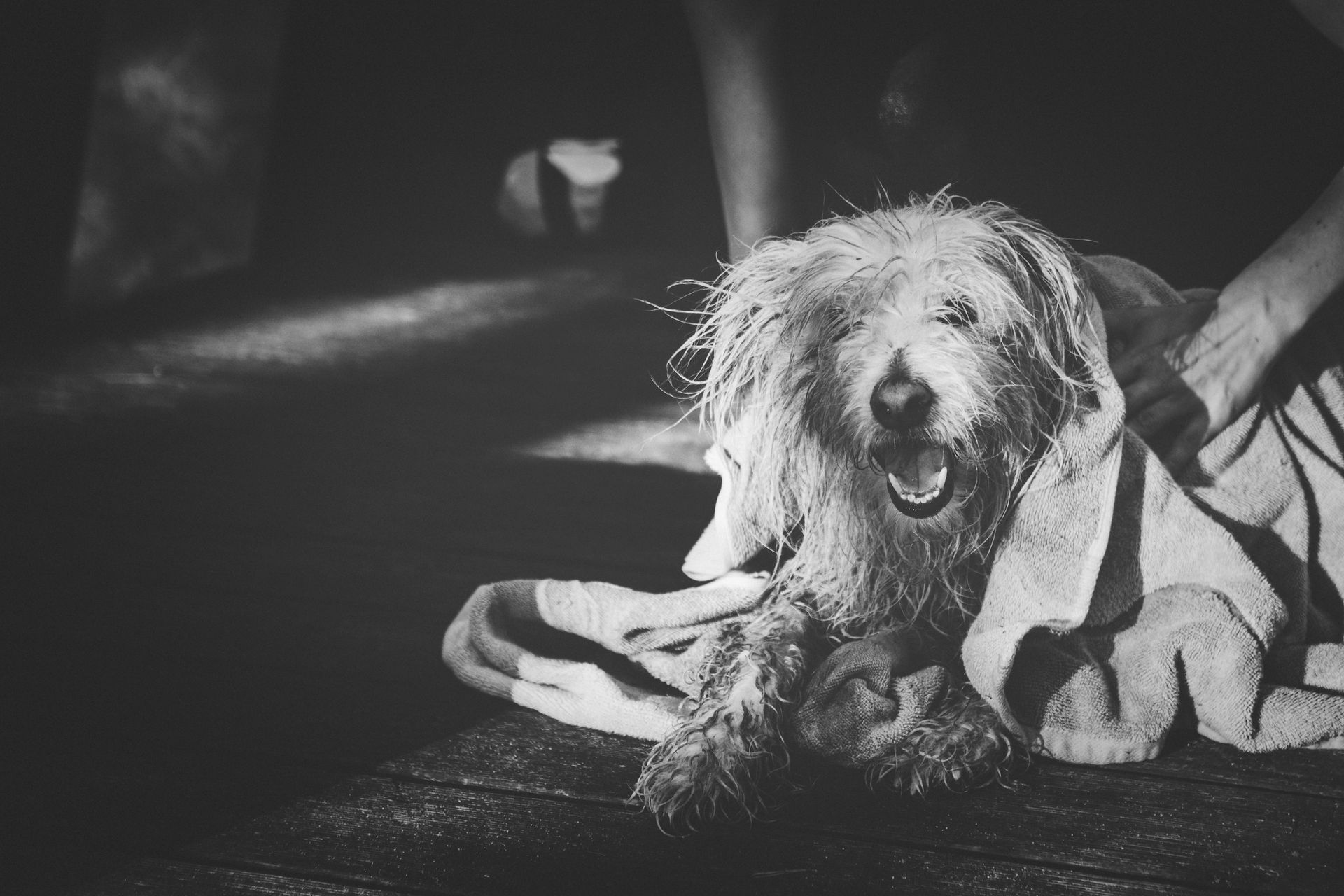
Moving to Malaysia with Your Four-Legged Companion
The complete guide to a smooth relocation in 2026: paperwork, health, transport and settling your pets in.
A full-fledged member of the family
Moving to Malaysia is an exciting adventure, but it wouldn't feel complete without your loyal companions. Whether you have a dog, a cat or a ferret, relocating an animal calls for careful preparation. In 2026, the regulations of MAQIS (Malaysian Quarantine and Inspection Services) have become more digital but remain extremely strict.
This guide was designed to walk you through every step, from the microchip to that first walk in the parks of Kuala Lumpur. We cover not only the legal side of things, but also the cultural nuances you'll need to settle in successfully in Malaysia.
The non-negotiable entry requirements for Malaysia
ISO Identification
Your pet must carry a microchip that complies with the ISO 11784 or 11785 standards. If the chip isn't compliant, you'll have to provide your own reader at inspection points.
- • Implanted before the rabies vaccination
- • Scan verified by the vet
Vaccinations & Health
Rabies vaccination is mandatory (more than 30 days and less than one year before the flight). For dogs: Parvovirus, Hepatitis, Distemper. For cats: Calicivirus, Panleukopenia, Rhinotracheitis.
See local clinics →Import Permit
Issued by the DVS (Department of Veterinary Services). This document is valid for 30 days. Without it, your pet will be turned away or euthanised on arrival.
Apply for it through the e-Permit portal at least 4 weeks ahead.
Countdown plan: getting your departure right
Check the microchip, update annual vaccinations, and start looking for an airline that accepts pets on flights to KL.
Book a place at the quarantine station (Animal Quarantine Station at KLIA). Submit your import permit application on the government portal.
Visit your vet for the certificate of good health. This document must then be endorsed by the official authorities (the DDPP in France) to be valid internationally.
Check the IATA crate. On arrival, go through the MAQIS counter at KLIA for document checks and the transfer to quarantine.
Pet Import Budget Calculator
Estimate the administrative and quarantine costs for your companion (indicative 2026 prices).
Note: This calculator does not include the cost of the plane ticket, the IATA crate or vet fees in your country of origin.
Breeds subject to restrictions
Strictly Banned Breeds
These dogs are not allowed to enter Malaysian territory:
- • Pit Bull Terrier / American Pit Bull
- • American Staffordshire Terrier
- • Akita
- • Mastiff (Neapolitan / Japanese)
- • Dogo Argentino
- • Fila Brasileiro
Breeds Requiring Authorisation
These require an inspection and a specific declaration:
- • German Shepherd
- • Rottweiler
- • Doberman Pinscher
- • Bull Mastiff / Bull Terrier
- • Perro de Presa Canario
*These breeds may require a behavioural assessment certificate and must be kept on a leash/muzzle in public.
Everyday life with your pet in Malaysia

Coping with the heat shock
Malaysia is a tropical country. The high humidity and year-round temperatures hovering between 28°C and 34°C can be tough on long-haired animals. Check out our advice on the climate to protect your pet from heatstroke.
Cultural sensitivity
Malaysia is a multicultural, majority-Muslim society. In Islam, dogs are considered impure by many believers. Be respectful: avoid walking your dog near mosques, always ask permission before entering private premises, and always pick up after your pet. Learn more about good conduct here.
Pet-Friendly Housing
Not every condo allows dogs. In Kuala Lumpur, neighbourhoods such as Mont Kiara and Desa ParkCity are known for being animal-friendly. Always check the building's by-laws before signing a lease through our KL housing guide.
The Malaysian pet ecosystem
World-class services for your companions.
Veterinarians
24/7 clinics such as Gasing Veterinary Hospital in Petaling Jaya.
Grooming
Luxury salons and home services (Pawfect, Pets Iconic).
Boarding
Cat hotels and dog daycare while you travel.
Pet food
International brands available (Royal Canin, Hills, Orijen).
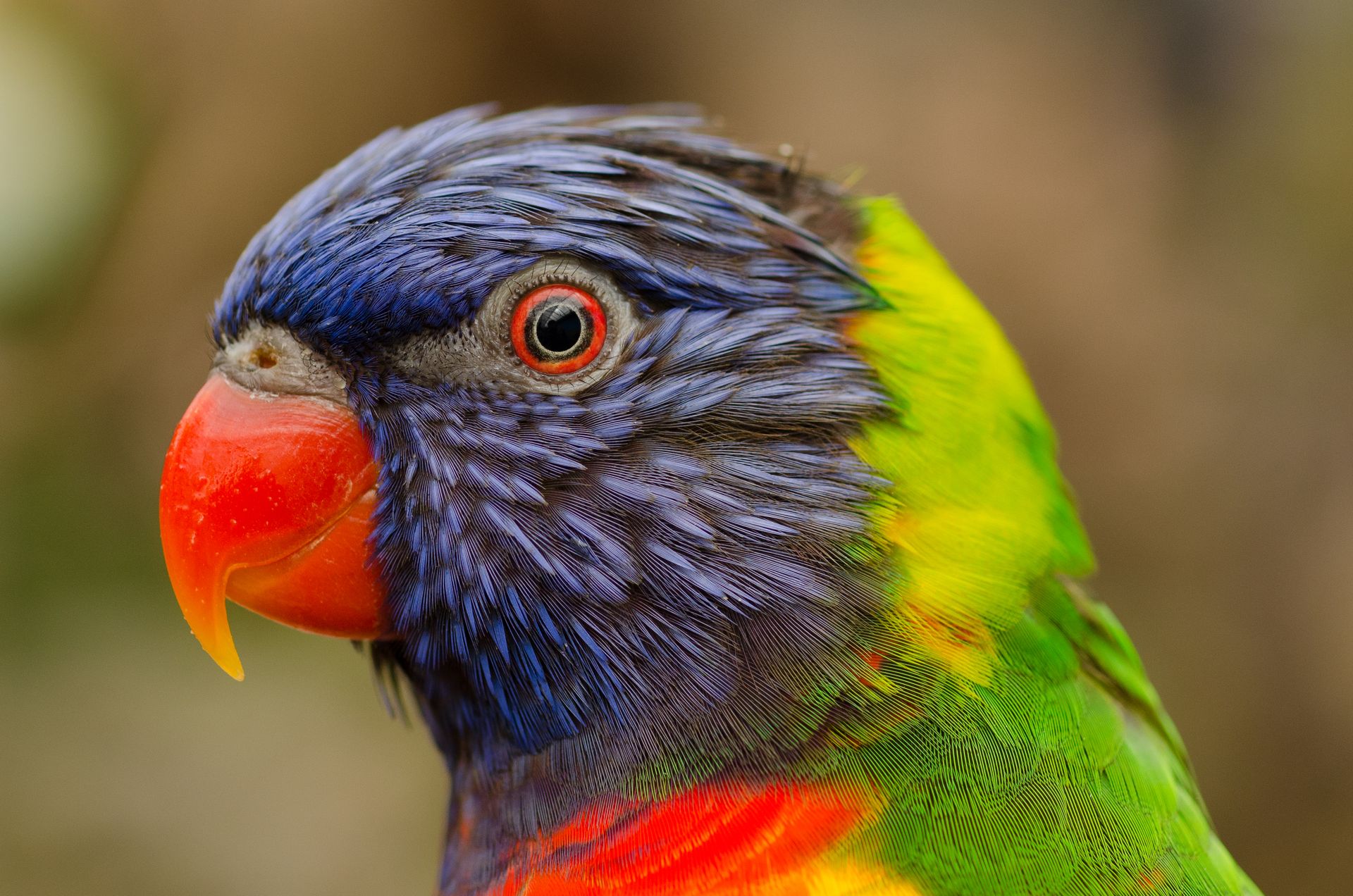
Exotic Pets (reptiles, birds, ferrets)
If you're travelling with a bird, a reptile or a ferret, the rules are different. You absolutely must check whether your animal is protected under CITES (the Convention on International Trade in Endangered Species of Wild Fauna and Flora).
- ✓ Ferrets: Subject to distemper vaccination rules and sometimes a longer quarantine.
- ✓ Birds: Often require a negative avian flu (H5N1) test carried out within the previous 14 days.
Note: Importing certain rodents or insects may be completely banned for biosecurity reasons. Always contact an embassy before making any plans.
Frequently Asked Questions (FAQ)
How long exactly does quarantine last? +
Can I visit my pet in quarantine? +
How much does a quarantine place cost? +
Does my pet have to travel in the hold or in the cabin? +
Is it easy to find French-speaking vets? +
Is the rabies vaccine enough? +
Can I take my pet to the beach? +
What health risks are there on the ground? +
Is there pet insurance in Malaysia? +
What if I move back to Europe later on? +
Ready to take the leap with Felix or Fido?
Leave nothing to chance. Download our complete 2026 checklist and join our community to swap notes with other expats.