
Moving to Malaysia with Your Four-Legged Companion
The complete guide to a stress-free import: formalities, vaccinations and local living tips for your pets.
A family project that includes your pets
Moving to the other side of the world is an exhilarating adventure, but it can become a source of intense stress when it comes to bringing your pets along. Malaysia, with its tropical setting and rich culture, welcomes animals in a structured and regulated way. Successfully settling in your dog, cat or any other pet requires careful planning that often begins six months before the planned moving date.
This guide was designed to walk you step by step through the maze of Malaysian red tape, with a focus on animal welfare and compliance with international health standards. We will cover not only the legal requirements, but also the everyday realities of life with a pet in the tropics, so that your relocation is a complete success.
Identification and the vaccination protocol
The first essential step is identifying your pet with an electronic microchip that meets ISO standards (11784/11785). This chip must be implanted before any mandatory vaccination, as it serves as a unique identifier on all health certificates. In Malaysia, the veterinary authorities are particularly strict about the match between the chip number and the medical records presented.
The rabies vaccine is the cornerstone of importation. It must be administered at least 30 days before departure, but less than one year before arrival. For dogs, other vaccines are required, notably against distemper, hepatitis, parvovirus and leptospirosis. Cats, for their part, must be protected against feline panleukopenia, rhinotracheitis and calicivirus. Keeping a health record that is up to date and perfectly legible is a guarantee of a smooth process during border checks.
Expert tip: Ask your vet to use the scientific names of the vaccines on the certificates to avoid any language confusion with the Malaysian authorities.
Getting the all-important Import Permit
Unlike a simple trip within Europe, entering Malaysia requires prior authorisation issued by the Department of Veterinary Services (DVS). This import permit is valid for 30 days from its date of issue. It is therefore crucial to synchronise your application with your flight date. To obtain it, you will need to provide proof of the animal's vaccination and identification.
At the same time, an international health certificate must be completed by an official veterinarian (often tied to the competent government veterinary service in your home country) within the 7 to 10 days before departure. This document certifies that the animal has been clinically examined and shows no sign of any infectious or contagious disease. Coordinating with the Malaysian embassy can prove useful to confirm the latest details of regulatory requirements, which may change depending on the global health situation.
Travel preparation simulator
Estimate your key dates for a successful relocation.
Breeds subject to restrictions
Strictly banned breeds
Some dog breeds are completely banned from importation into Malaysia for reasons of perceived public safety. These include the Pit Bull Terrier (in all its forms), the American Staffordshire Terrier, the Staffie, the Neapolitan Mastiff, the Japanese Tosa, the Akita, the Dogo Argentino and the Fila Brasileiro. If your companion belongs to one of these breeds, its entry into the country will be systematically refused, regardless of the documentation provided.
Restricted breeds (Special permit)
Certain other breeds are allowed but under very strict housing and behaviour conditions. These include the German Shepherd, the Rottweiler, the Doberman, the Bull Mastiff, the Bull Terrier and the Belgian Shepherd (Malinois). Importing these dogs often requires an inspection of your future home by the local authorities to ensure that the fencing is adequate and that the animal poses no risk to the neighbourhood.
Before signing a lease, always check with your future housing in Malaysia whether these breeds are accepted by the building management.
The journey and the quarantine period
Choosing the airline is decisive. Favour carriers known for their expertise in transporting live animals (IATA LAR). The travel crate must be approved, spacious and secure. Gradually familiarising your pet with the crate several weeks before departure will considerably reduce its stress during the 12 to 14 hours of flight from Europe.
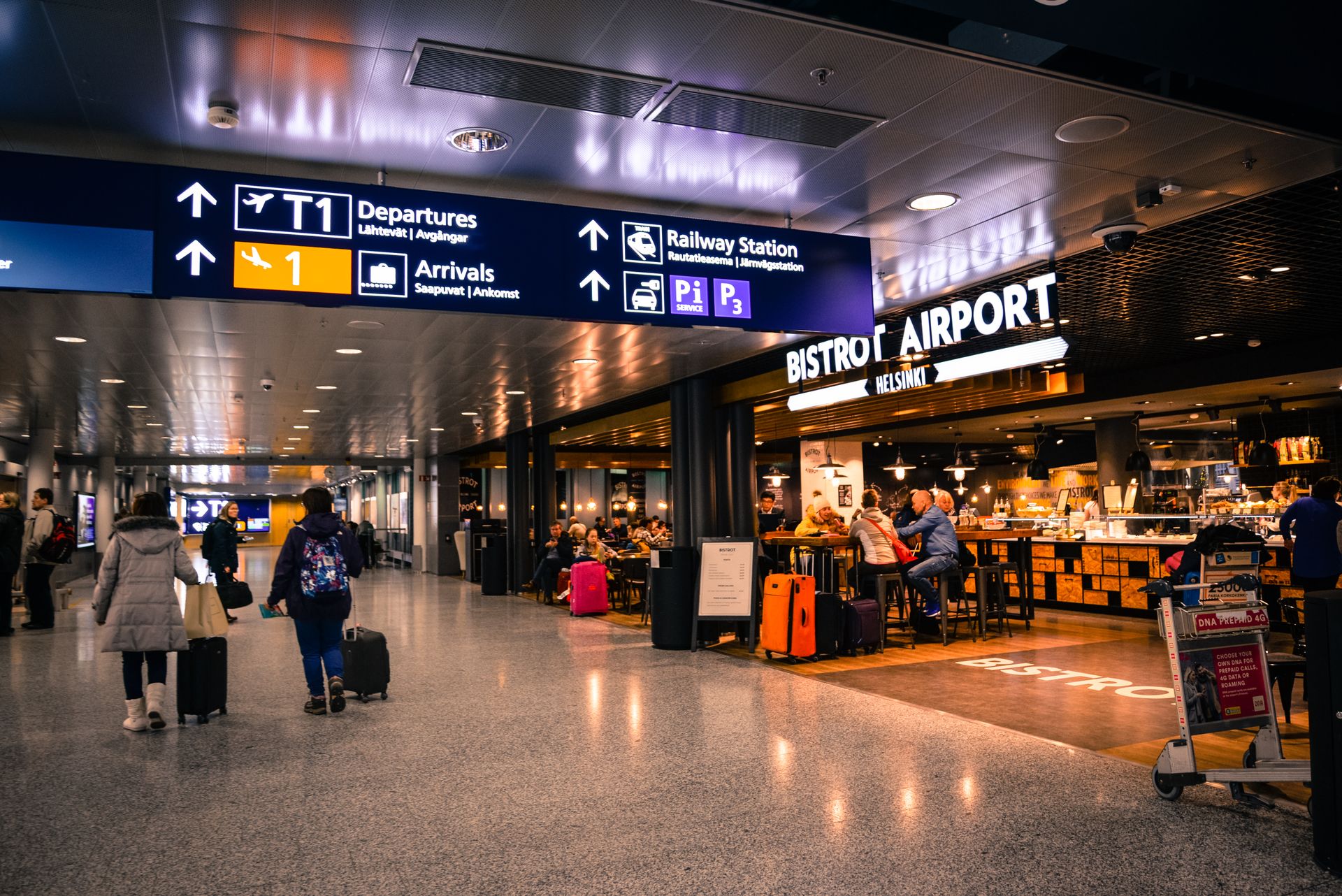
On arrival at Kuala Lumpur International Airport (KLIA), most animals coming from countries that are not rabies-free (such as France or Belgium) are subject to a mandatory quarantine of at least 7 days. This period may be extended if any doubts remain about the animal's state of health. The quarantine stations are run by the government, and owners are encouraged to visit their pet to keep its spirits up and make sure it is eating well.
It is essential to book quarantine space well in advance, as places are limited, especially during peak relocation periods.
Did you know?
Animals arriving from Singapore, Australia or the United Kingdom may be exempt from quarantine under certain conditions.
Adapting to Malaysia's tropical climate
Once the quarantine gate is behind you, the real adventure begins: adaptation. The climate of Malaysia is marked by constant heat and very high humidity. For a dog used to the cooler weather of Europe, this change can be abrupt. It is vital to allow for a period of acclimatisation, limiting walks to the coolest hours, early in the morning or after sunset.
Hydration is the watchword. Make sure your companion always has fresh water available, including when you are out and about. The presence of tropical parasites, such as ticks carrying specific diseases or heartworms transmitted by mosquitoes, calls for reinforced preventive protection that your new local vet will be able to prescribe.
On the nutritional side, try to keep the same brand of food at first to avoid digestive issues linked to stress. You will find plenty of well-stocked pet shops in Kuala Lumpur and Penang, offering high-quality international brands.

Cultural aspects and life in society
Malaysia is a multi-ethnic society where perceptions of pets vary. In the majority Muslim community, dogs are often considered ritually impure. It is therefore important to show tact and respect: avoid walking your dog in parks frequented by Muslim families if no dedicated areas are signposted, and never let your animal approach people without invitation.
Conversely, cats enjoy great popularity and are accepted almost everywhere. You will indeed notice many stray cats in the streets. Be careful about your pets' interactions with local wildlife and stray animals to avoid the risk of disease.
When it comes to services, you will have no trouble finding modern veterinary clinics with staff who speak perfect English. Some facilities even offer luxury boarding services (pet hotels) if you need to travel within the region without your animal.
Learn more about the local culture →Birds, reptiles and other companions
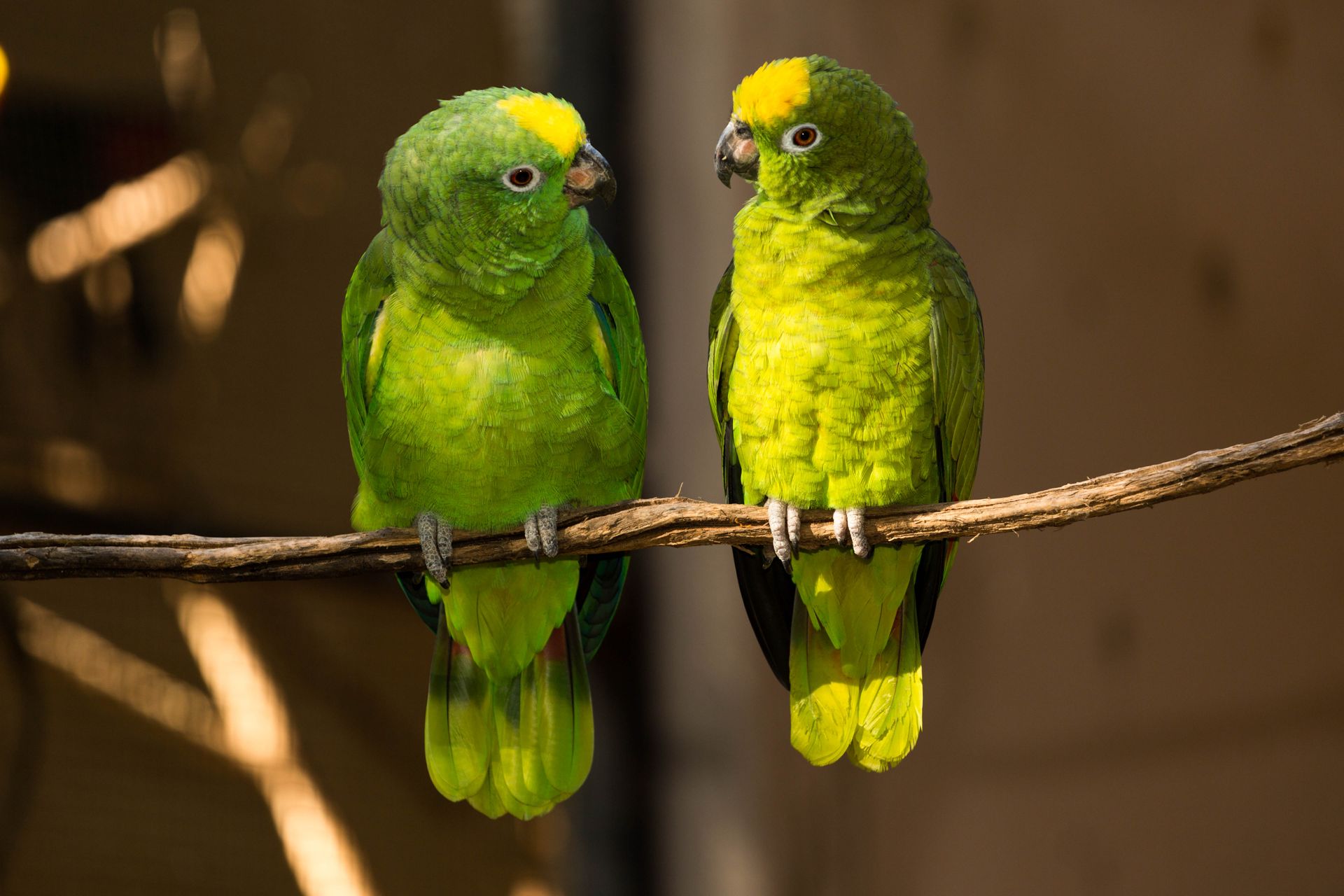
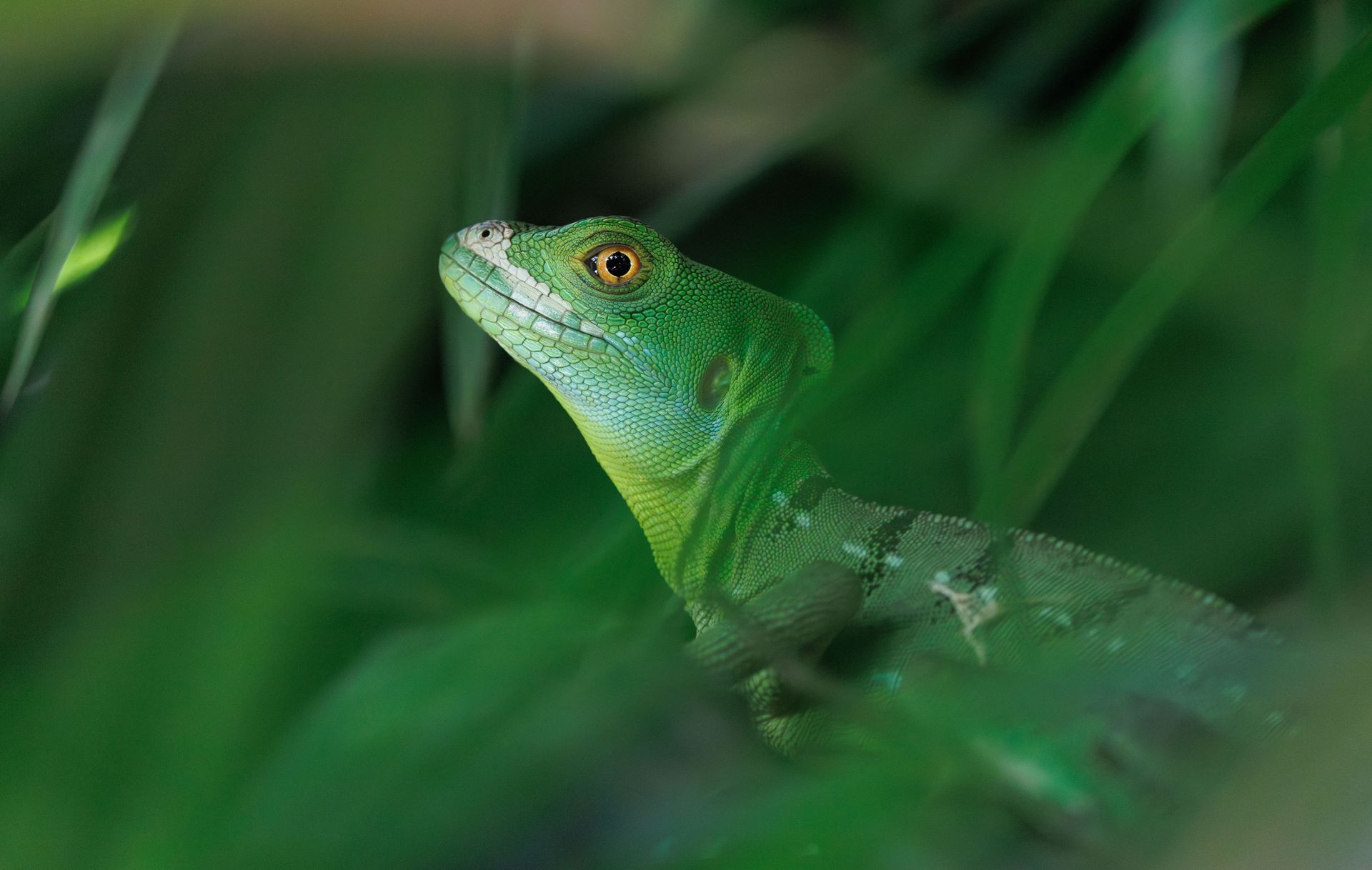
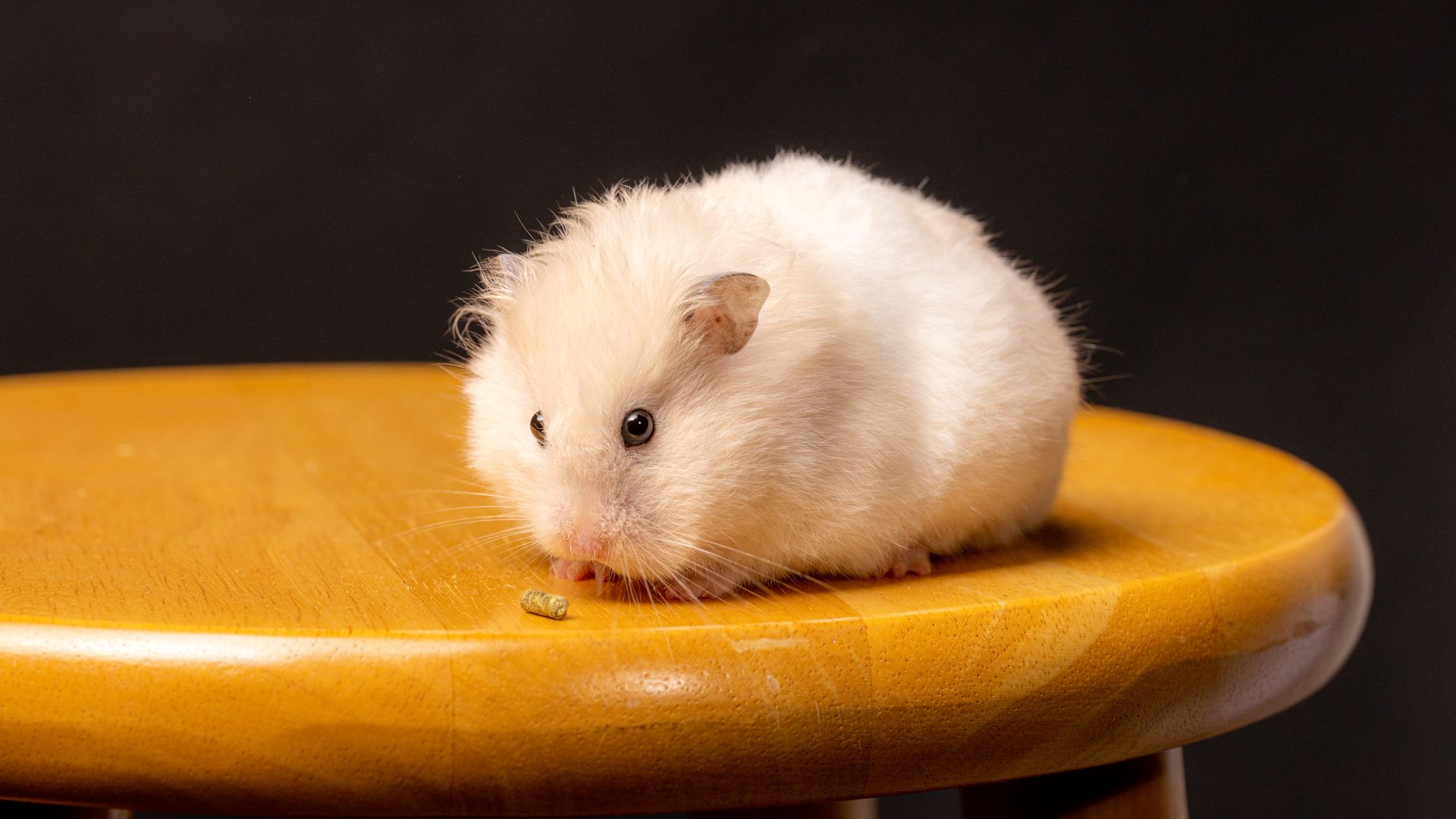
If you own a bird, a reptile or a small rodent, the import rules can be even more complex. For protected species, a CITES certificate is essential both for leaving the country of origin and for entering Malaysia. Parrots, for example, are subject to very strict avian flu testing. Always check with the DVS before starting any process for these less conventional animals.
Planning ahead for the return to Europe
Even if you have only just arrived, it is wise to think about the conditions for returning. To re-enter the European Union from Malaysia, your animal will be required to have a rabies antibody titration test. This test, carried out on a blood sample, must be performed at least three months before the return journey.
Without this valid test, your animal could be refused boarding or placed in quarantine on arrival in France. Carefully keep all original documents and make sure the vaccinations never lapse, even by a single day, at the risk of having to start everything over.
Frequently asked questions: Pets in Malaysia
Can I take my dog on the metro in Kuala Lumpur?
No, animals are not allowed on public transport (LRT, MRT, Monorail) or on most buses in Malaysia.
What is the average cost of quarantine?
The cost is moderate but varies depending on the size of the animal and the care required. Expect around 10 to 20 MYR per day, excluding administrative fees.
Do apartments readily accept dogs?
It depends on the building's management. Some condos are pet-friendly, others strictly forbid pets. Always check your contract.
What are the risks of local diseases?
Dirofilariasis (heartworm) and tick-borne diseases are the most common. Monthly prevention is essential.
Do you need a permit to keep a dog at home?
Yes, a municipal licence (Dog License) is mandatory and must be renewed each year with your local council (e.g. DBKL).
Are there French-speaking vets?
It is extremely rare. However, the English level of Malaysian vets is excellent and technical terms are often similar.
Is Malaysia a safe country for pets?
Yes, as long as you follow the hygiene and safety rules, your pets will live happily there.
Can my cat roam outside freely?
It is not advisable in the city because of traffic, predators and the risk of theft or fights with stray cats.
What is an IATA-approved crate?
It is a rigid crate with metal fastenings, ventilation on 4 sides and enough room for the animal to stand up and turn around.
Can you import exotic animals?
It is possible but subject to special permits that are very difficult to obtain, especially for species protected by CITES.
Ready to take the leap with your pets?
Leave nothing to chance when it comes to your companions' safety. Read our complete guide to everyday life to organise your arrival.