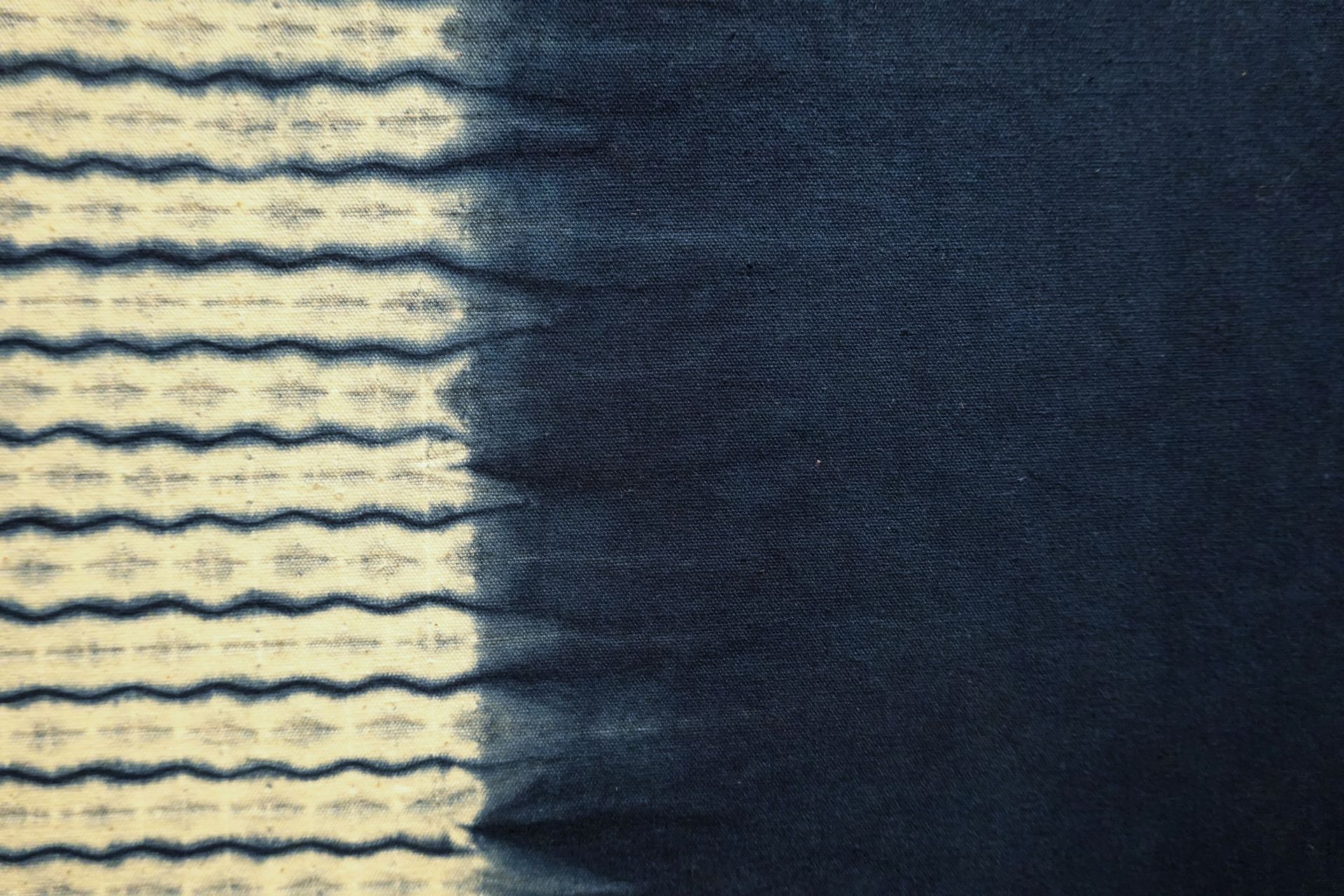
Traditional Art and Craft
in Malaysia
In 2026, Malaysia continues to shine through its cultural mosaic. Dive into the heart of age-old craftsmanship, from delicate Batik to the sacred carvings of indigenous tribes.
An Expression of the Malaysian Soul
Craftsmanship in Malaysia is far more than the production of decorative objects; it is a visual language that tells the story of a people. From the influence of the silk roads to the animist traditions deep in Borneo, every motif and every texture carries centuries of heritage. For an expat or a visitor, understanding these crafts means opening yourself up to Malaysian culture at its most intimate.
Whether through the intricate weaving of Songket, often called "the cloth of kings", or the vibrant dyeing of Batik, Malaysian artisans blend spirituality, nature and geometry. In 2026, this heritage is more alive than ever, safeguarded by national institutions and celebrated as much in the galleries of Kuala Lumpur as in the remote villages of Kelantan.

Batik: Poetry of Wax and Colour
Unlike its Indonesian cousin, Malaysian Batik stands out for its larger floral and butterfly motifs, avoiding human figures in keeping with local artistic principles. The "canting" technique (a tool used to apply hot wax) allows for unrivalled delicacy.
Today it is worn with pride at official ceremonies and remains a key part of everyday life in Malaysia for many locals.
Songket
The "Cloth of Gold". An intricate hand-weaving technique incorporating gold and silver threads. A symbol of prestige, it is inseparable from weddings and royal celebrations. Each piece can take months of painstaking work.
- ✔ Origin: Terengganu & Kelantan
- ✔ Technique: Hand weaving
- ✔ Price: Premium / Luxury
Wood Carving
From the traditional houses of Malacca to the Mah Meri masks of Carey Island, wood is a sacred medium. The motifs are often inspired by stylised Quranic verses or local flora.
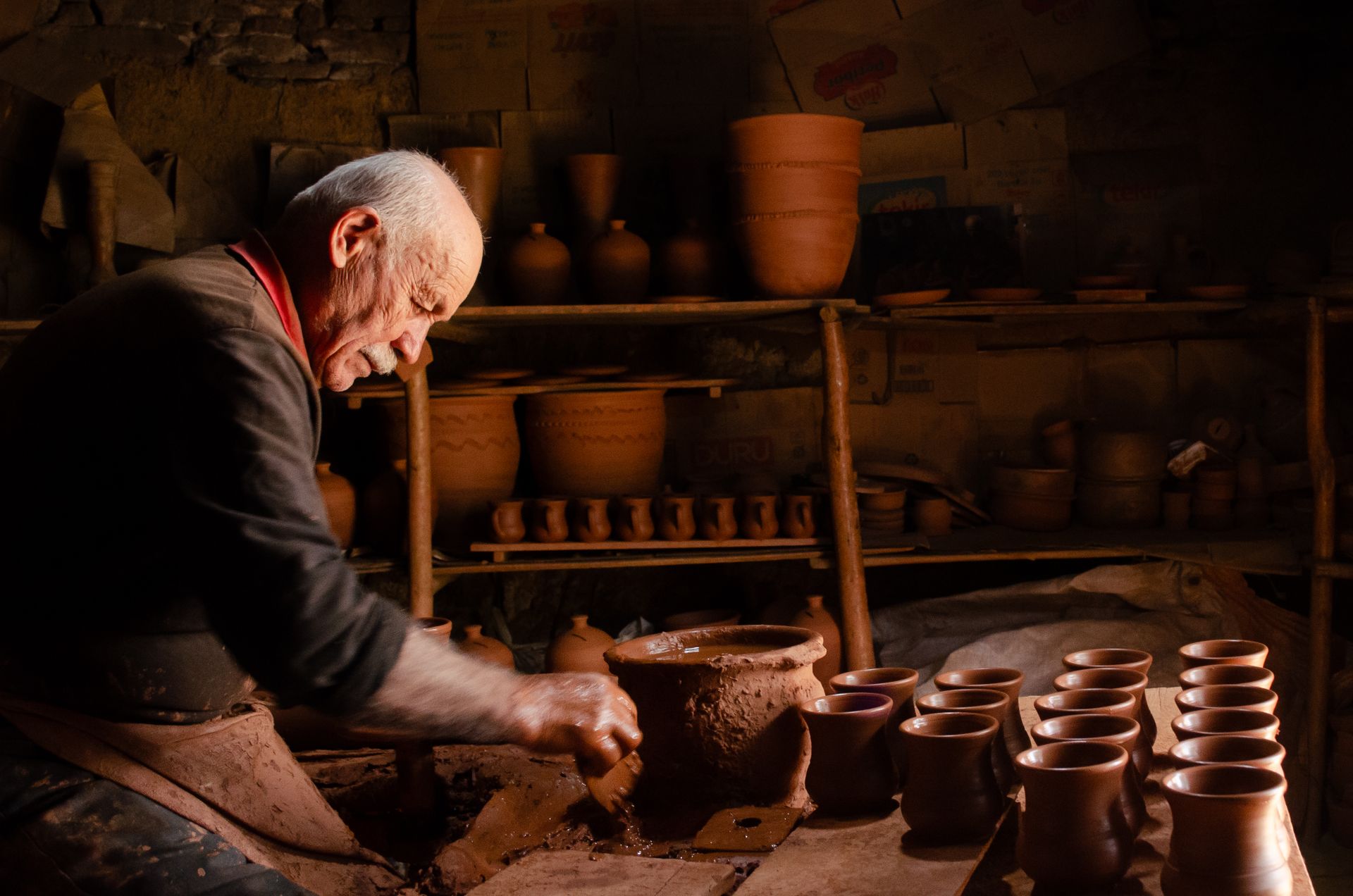
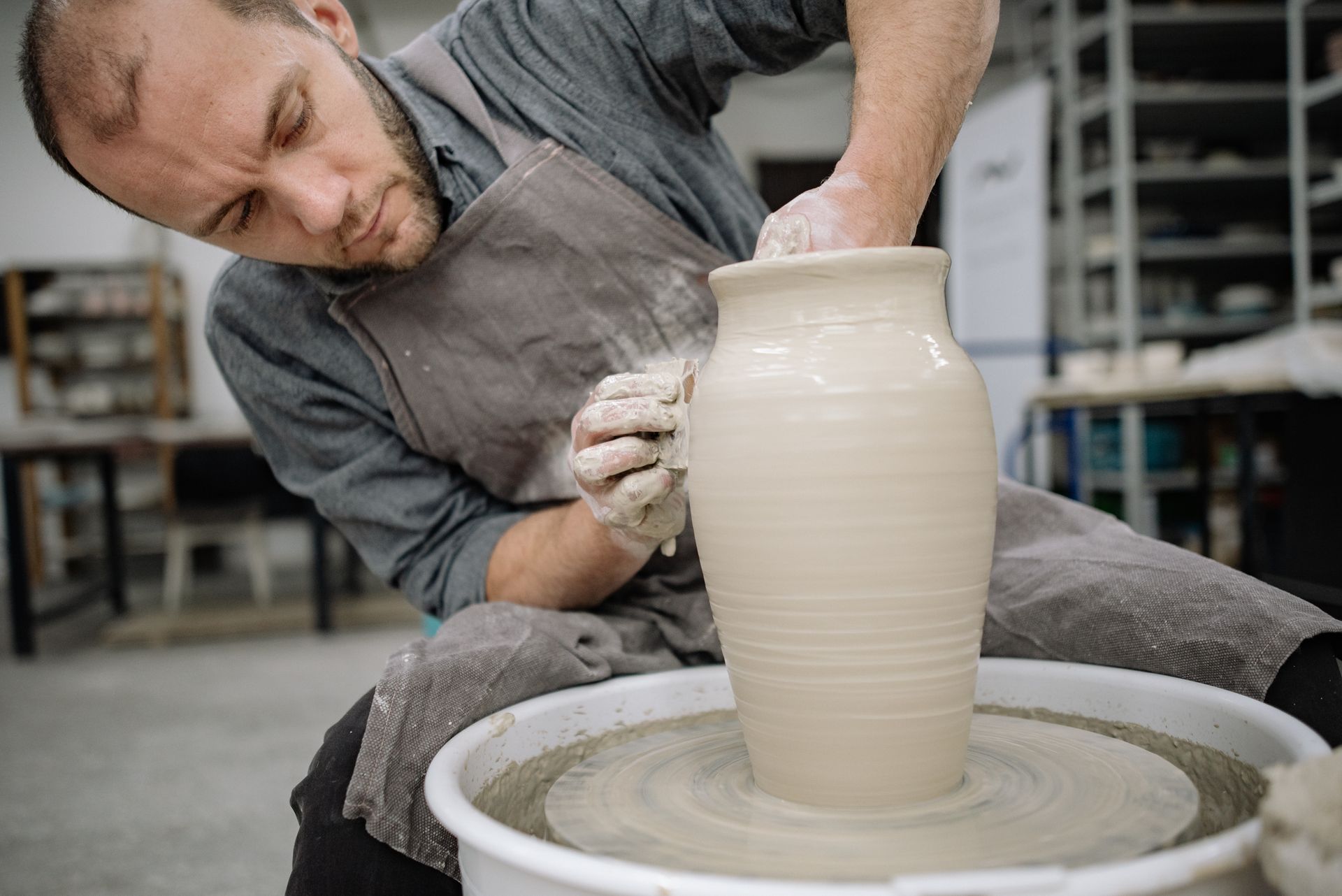
Labu Sayong
Black gourd-shaped pottery originating from the state of Perak. Renowned for keeping water naturally cool, it is now a prized work of art among collectors.
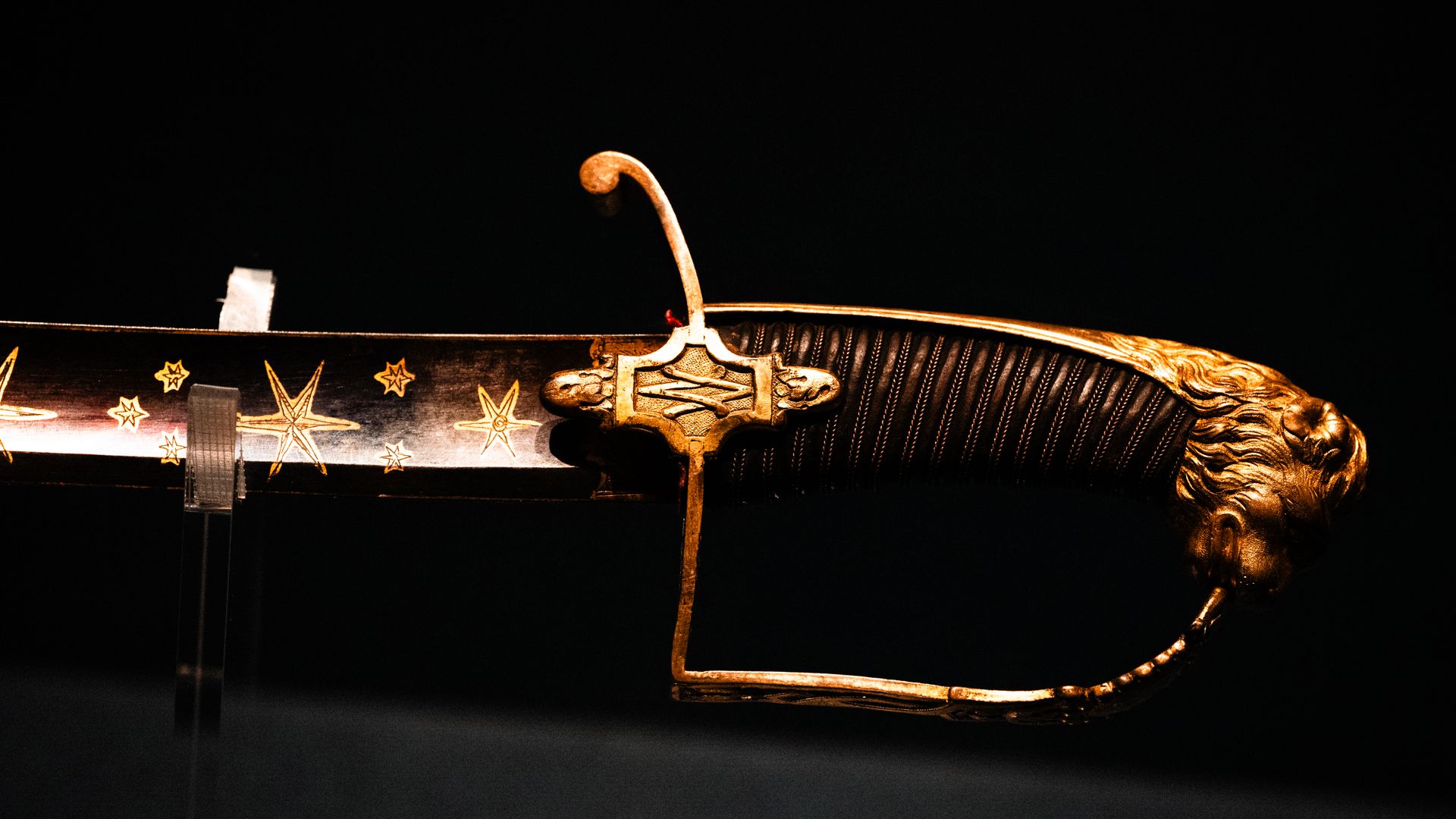
The Keris
An asymmetrical dagger with legendary curves. More than a weapon, it is a spiritual object believed to possess a soul of its own. Crafting one requires the expertise of a master smith (Empu).
Regional Variations and Ethnic Influences
Malaysia is split into two major regions, and its craftsmanship reflects this geographical divide. In Peninsular Malaysia, Malay, Islamic and Chinese influences dominate. This is where you find the finest textiles and metalwork.
In the east, in the states of Sabah and Sarawak on the island of Borneo, craftsmanship is deeply rooted in the traditions of the Dayak, Iban and Kadazan-Dusun tribes. Beadwork, rattan basketry (Pua Kumbu) and the carving of ritual masks are all major art forms there.
"Sarawak's Pua Kumbu is regarded as a sacred cloth, with each motif telling a dream or a vision of the weaver."
Culture & Craft Budget Simulator
Estimate your spending on authentic pieces or hands-on workshops in 2026.
Total Estimate (MYR)
0 RM
≈ 0 €
* Average prices based on 2026 rates including local taxes.
Legal Framework and Heritage Protection
Malaysia takes the protection of its crafts very seriously. The Intellectual Property Corporation of Malaysia (MyIPO) oversees Geographical Indications to protect names such as "Songket Terengganu" or "Labu Sayong".
In 2026, new laws on intangible cultural heritage are strengthening artisans' rights against mass industrial production. Buyers are advised to look for the official "Kraftangan Malaysia" label, which guarantees that the product is authentic and locally made.
Heritage Law
Protection of ancestral motifs against unauthorised commercial exploitation.
Fighting Counterfeits
Regular seizures of illegally imported, chemically printed Batik copies.
Where to Discover These Crafts?
Kuala Lumpur
The Central Market (Pasar Seni) and the Kompleks Kraf on Jalan Conlay are the perfect starting points to watch artisans at work.
Guide to the Capital →The East Coast
Kelantan and Terengganu are the strongholds of Batik and Songket. Visit the family-run workshops of Kota Bharu for a full immersion.
Explore the Regions →Borneo (Sarawak)
The Sarawak Cultural Village near Kuching offers demonstrations of Pua Kumbu weaving and traditional Iban beadwork.
Tourist Guide →Cultural and Ethical Considerations
Understanding the Symbolism
Many motifs carry a religious or protective meaning. For example, the 'Awan Larat' motif (trailing clouds) symbolises humility and spiritual growth. Do not treat these objects as mere souvenirs.
Polite Bargaining
While haggling is common at local markets, it should remain respectful. For fine art crafts (Songket, Keris), prices are usually fixed because they reflect hundreds of hours of work.
Eco-responsibility
Favour natural plant-based dyes. In 2026, the Batik industry is shifting heavily towards environmentally friendly methods to protect Malaysia's rivers. Read more about sustainability.
Frequently Asked Questions about Crafts
Ready to bring a piece of Malaysia home?
Craftsmanship is the bridge between your life as an expat and the deep soul of the country. Do not just buy, understand the story behind each object.