Daily Life in Malaysia:
The 2026 Practical Guide
Buying, shopping, moving your belongings and thriving in the pearl of Southeast Asia.
Settling in for 2026: The Malaysian dream decoded
Malaysia continues to establish itself as one of the top destinations for expats in 2026. Why? A unique balance between futuristic modernity and well-preserved traditions. In this guide, we explore every facet of daily life, from handling your first grocery runs to shipping your personal belongings.
We draw on the story of the Lemoine family, who have lived in Kuala Lumpur for two years, to give you an unfiltered look at the realities on the ground. Between the economic opportunities and the cultural challenges, discover how to make the most of your move.
Lower cost of living than in France in 2026
Fibre & 5G coverage in urban areas
World ranking for private healthcare quality
Average delivery time via Grab/Shopee
Testimonial: "Two years of life in Kuala Lumpur"
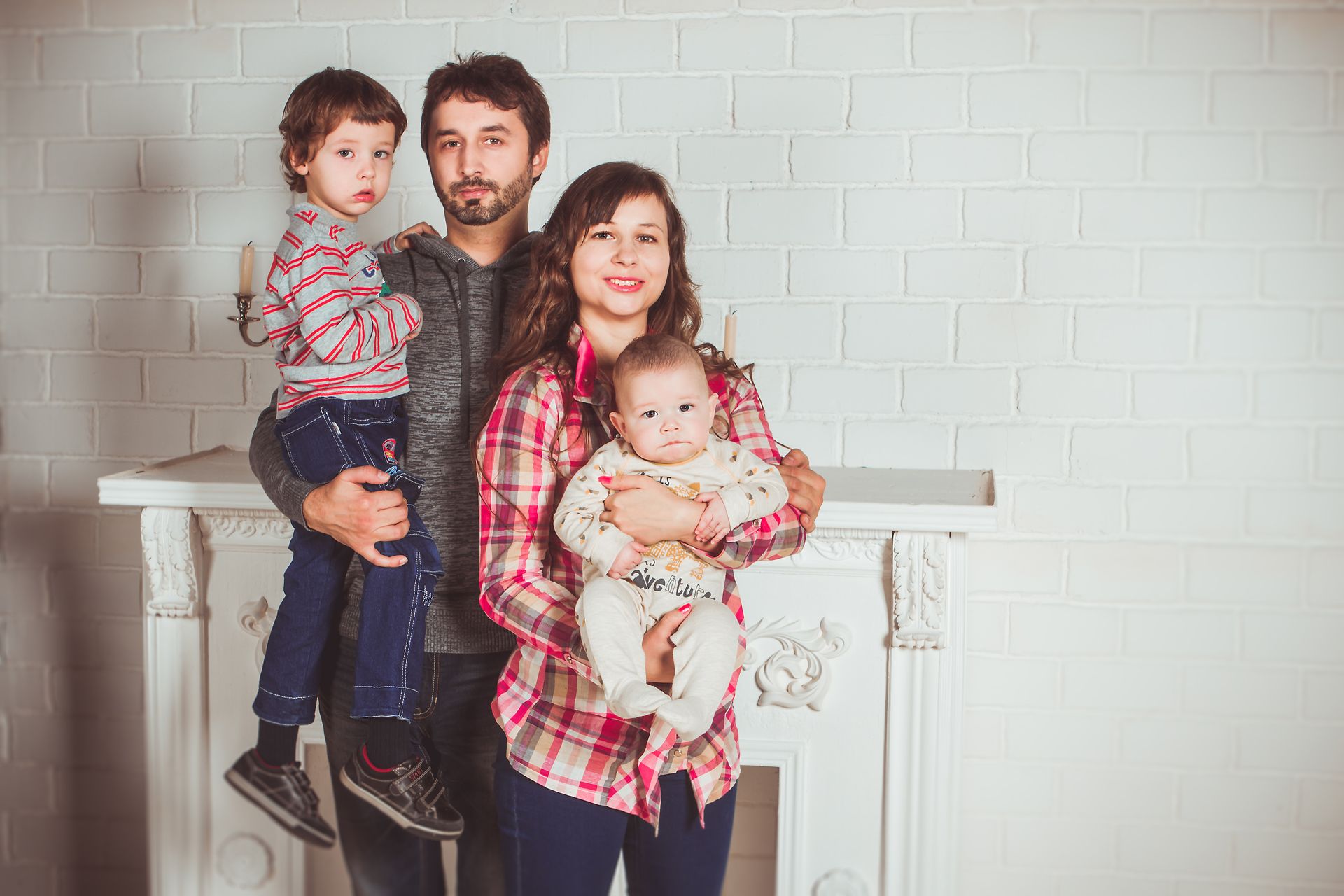
"We arrived with three suitcases and a lot of apprehension. Today our children speak three languages and we don't see ourselves heading back to Europe anytime soon."
— Claire and Marc Lemoine, expats since 2024.
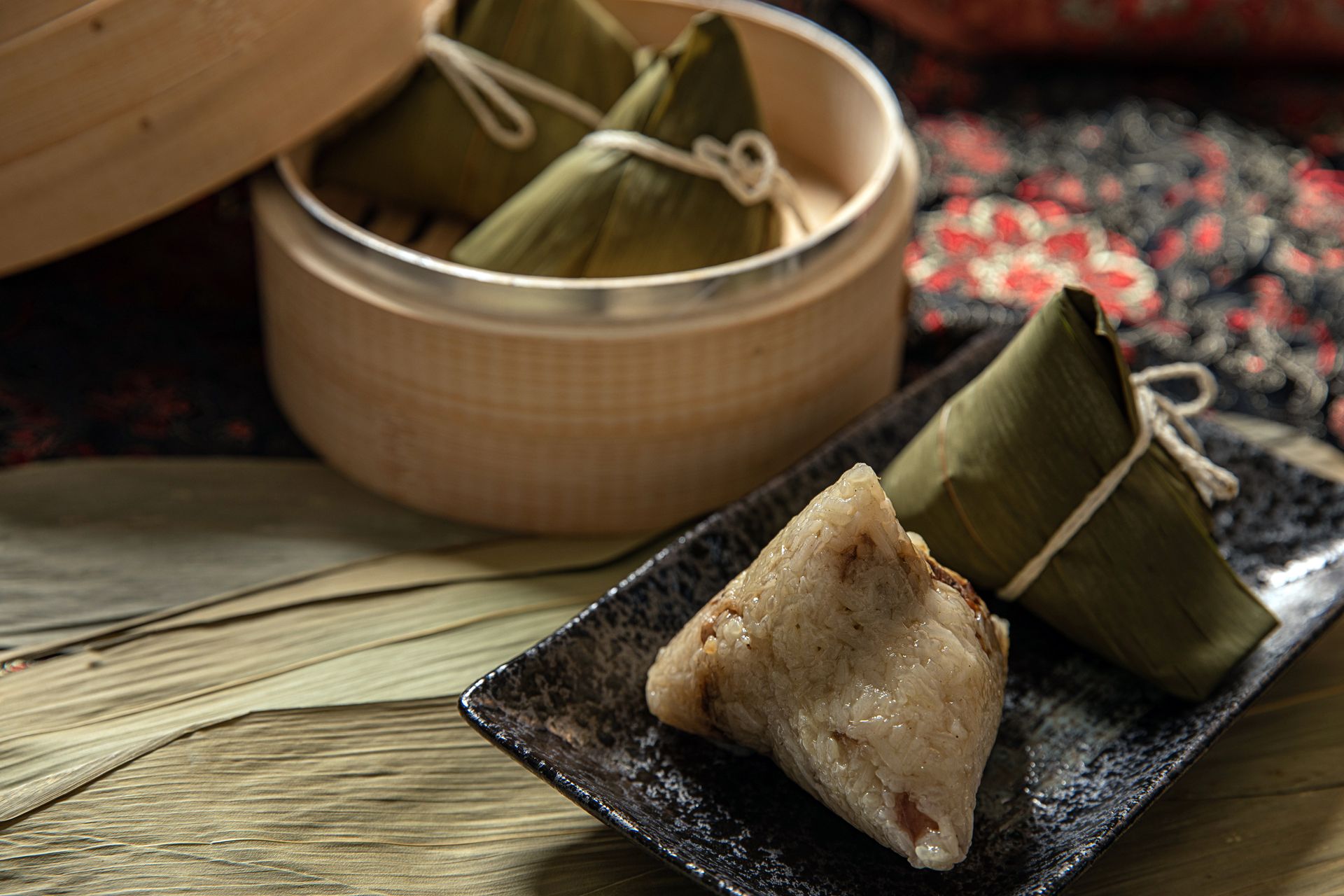
"The biggest shock wasn't administrative, it was culinary and social. In Malaysia everything revolves around food, but not the way it does back home. Here people eat at all hours, and the idea of 'dessert' after a meal barely exists. You often end on a savoury or spicy note instead!"
Read more testimonialsThe pillars of your new life
Paperwork & Visas
To work in 2026, obtaining a work visa (Employment Pass) is crucial. It determines not only your right to reside but also your ability to open a Malaysian bank account. Without this all-important pass, you can't rent long-term housing or register a vehicle.
Housing
Unlike in France, most apartments are rented fully furnished. Residences with a pool, gym and 24/7 security are the norm for expats.
Explore the neighbourhoods →Shopping & Groceries
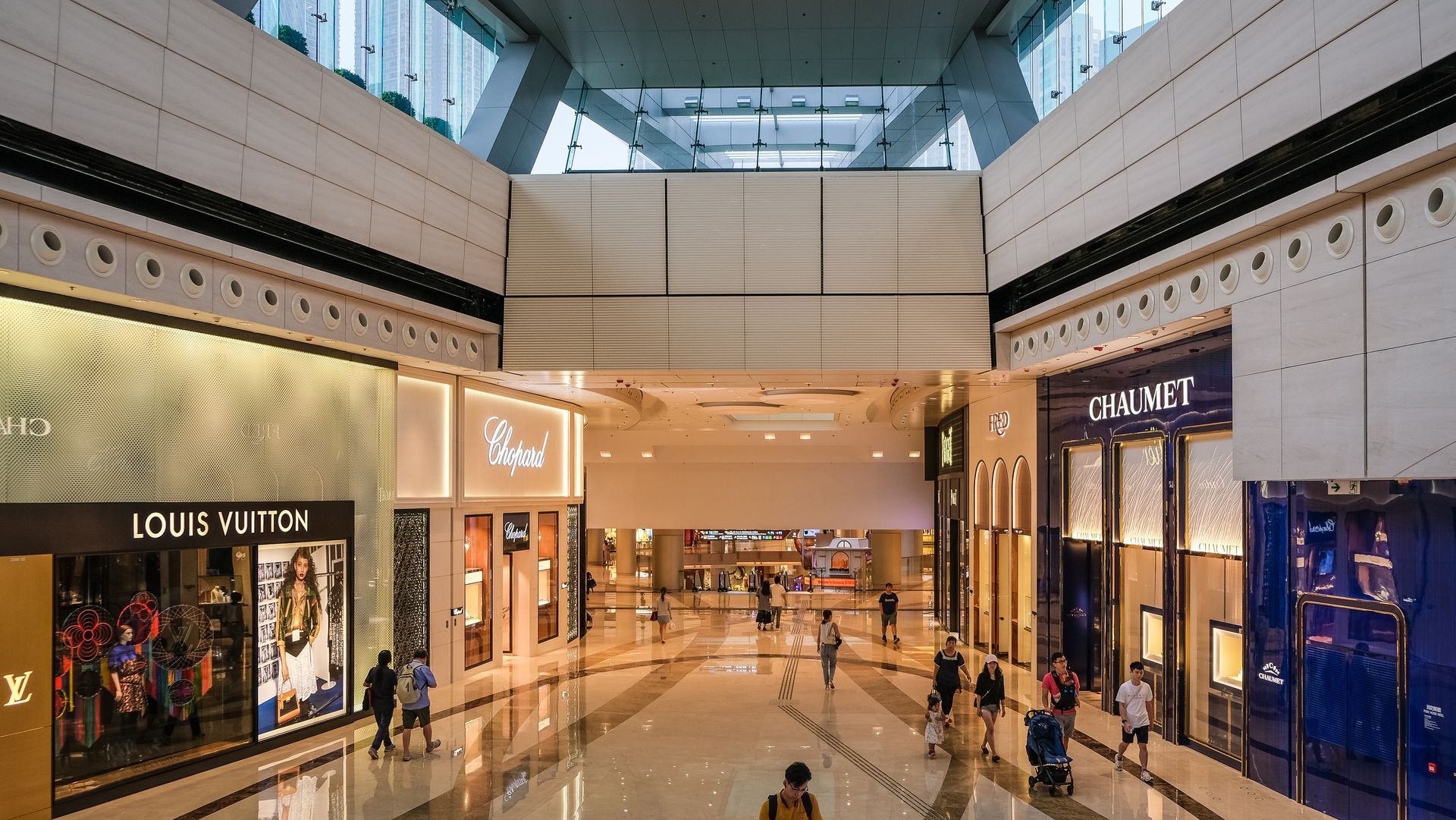
From the luxury of Pavilion KL to the local markets (Pasar Malam), the choice is endless.
Health & Wellbeing
The healthcare system is world-class, but expats access it through the private sector. Taking out a solid expat insurance plan is essential to cover hospital costs, which can climb quickly.
Budget Calculator: Monthly Groceries
Compare your food budget between France and Malaysia based on your habits.
Prices estimated in Ringgit converted to Euros (2026 rate: €1 = 5.2 MYR). Imported goods (salted butter, cheese) can double the bill.
The food challenge: Local vs Imported
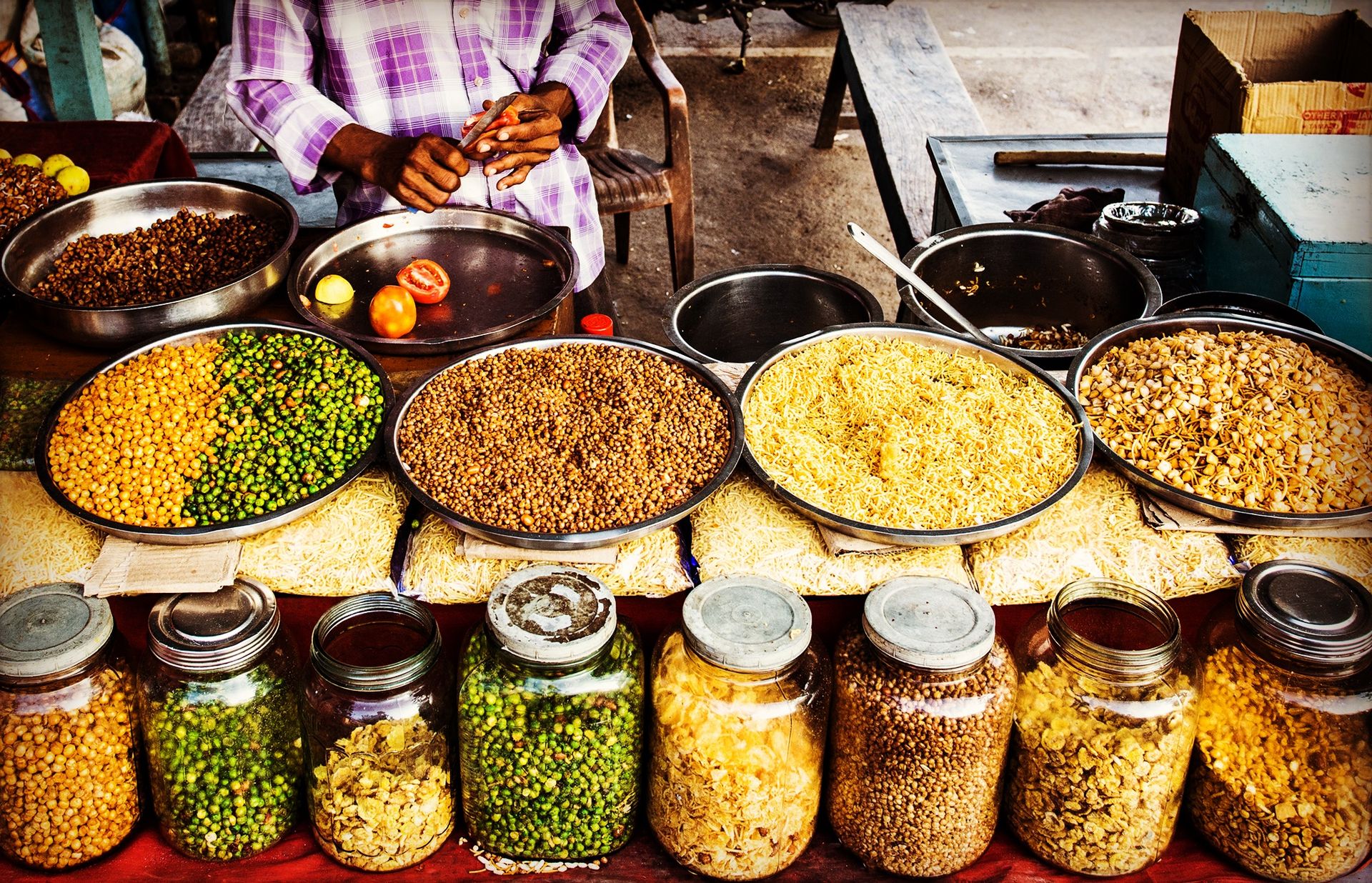
One of the biggest surprises for newcomers is the structure of prices. Tropical fruit, rice, chicken and local vegetables are incredibly cheap. However, the moment you start looking for familiar flavours, prices soar.
- ✔ Wet Markets: A must for the freshest produce. Get there at 7am for the best fish and spices.
- ✔ Premium Supermarkets: Chains like Village Grocer or Jaya Grocer carry whole aisles of French products, but expect to pay €8 for a Camembert.
- ✔ The "Makan" culture: Eating out often costs less than cooking at home if you go for the Hawker Centers.
Expat tip: In 2026, ordering through GrabFood has become the norm. For less than €2 in delivery fees, you can have any dish in the city brought to your door.
Moving your life: The logistics of importing
Ship your furniture or start from scratch? A crucial question for every expat.
Sea Freight
Allow 6 to 8 weeks for a container from Europe. In 2026 customs formalities have gone digital, but the help of a freight forwarder remains essential to avoid hold-ups at Port Klang.
Taxes (GST/SST)
Importing used personal belongings (owned for more than 6 months) is generally tax-exempt, with the notable exception of vehicles and alcohol, which are heavily taxed in Malaysia.
Buying locally
Many choose to buy on the spot. IKEA is here, but local craftspeople and teak furniture shops offer beautiful, long-lasting alternatives.
Building connections: The integration challenge
While Malaysians are extremely welcoming and polite, expats often report finding it hard to build deep friendships with locals beyond the workplace. Social circles tend to break down along community lines.
To make up for this, networking is vital. Groups like the AFM (Association Francophone de Malaisie) and sports clubs are key catalysts. For parents, children are often the first gateway to socialising, through the international schools.
Responsibility: Living greener in 2026
Malaysia faces major environmental challenges: plastic waste management, traffic-related air pollution and deforestation. As an expat, adopting an eco-friendly lifestyle in Malaysia takes a conscious effort.
Zero Waste
Bulk-buy stores are popping up across Bangsar and Mont Kiara.
Energy
Air conditioning is the single biggest energy expense. Go for Inverter models.
Frequently Asked Questions: Practical living
Can I drink the tap water?
Although the water is treated, the pipes are often old. It is strongly recommended to use a water purifier (Cuckoo, Coway) or bottled water.
Is it easy to find domestic help?
Yes, it's very common. You can hire a full-time live-in helper or a cleaner by the hour through dedicated apps.
How do I get around without a car?
In Kuala Lumpur, the LRT/MRT network is excellent. Elsewhere, the Grab app is your best friend for cheap rides.
How much does an international school cost?
Expect between €8,000 and €20,000 per year per child, depending on the school and the curriculum (French, British or IB).
Can you find good cheese?
Yes, but it's a luxury item. Fine food shops in Kuala Lumpur offer a great selection imported from France.
Is the climate bearable all year round?
It's hot and humid (28-32°C) all year. You get used to it, but shade and air conditioning become your daily priorities.
Is English enough for everyday life?
Absolutely. "Manglish" (Malaysian English) is spoken by almost everyone in urban areas.
Is it a safe country for a woman travelling alone?
Malaysia is generally very safe. Basic precautions apply as anywhere, but respect for women is a strong cultural value.
When is the best time to shop at the market?
Very early in the morning (before 8am) for the wet markets, or late in the evening (after 9pm) for the deals at the big supermarkets.
Can you buy alcohol everywhere?
In non-Muslim areas and international supermarkets, yes. However, taxes are very high (prices equal to or higher than in Europe).
Ready to take the plunge?
Don't leave your questions unanswered. Join our community and prepare your move with the best tools.