Understanding and Living the Soul of Malaysia
Far more than a destination, Malaysia is a symphony of cultures. Learn the social codes, respect the traditions and turn your move abroad into an unforgettable human immersion.
"Malaysia, Truly Asia": A multi-ethnic reality
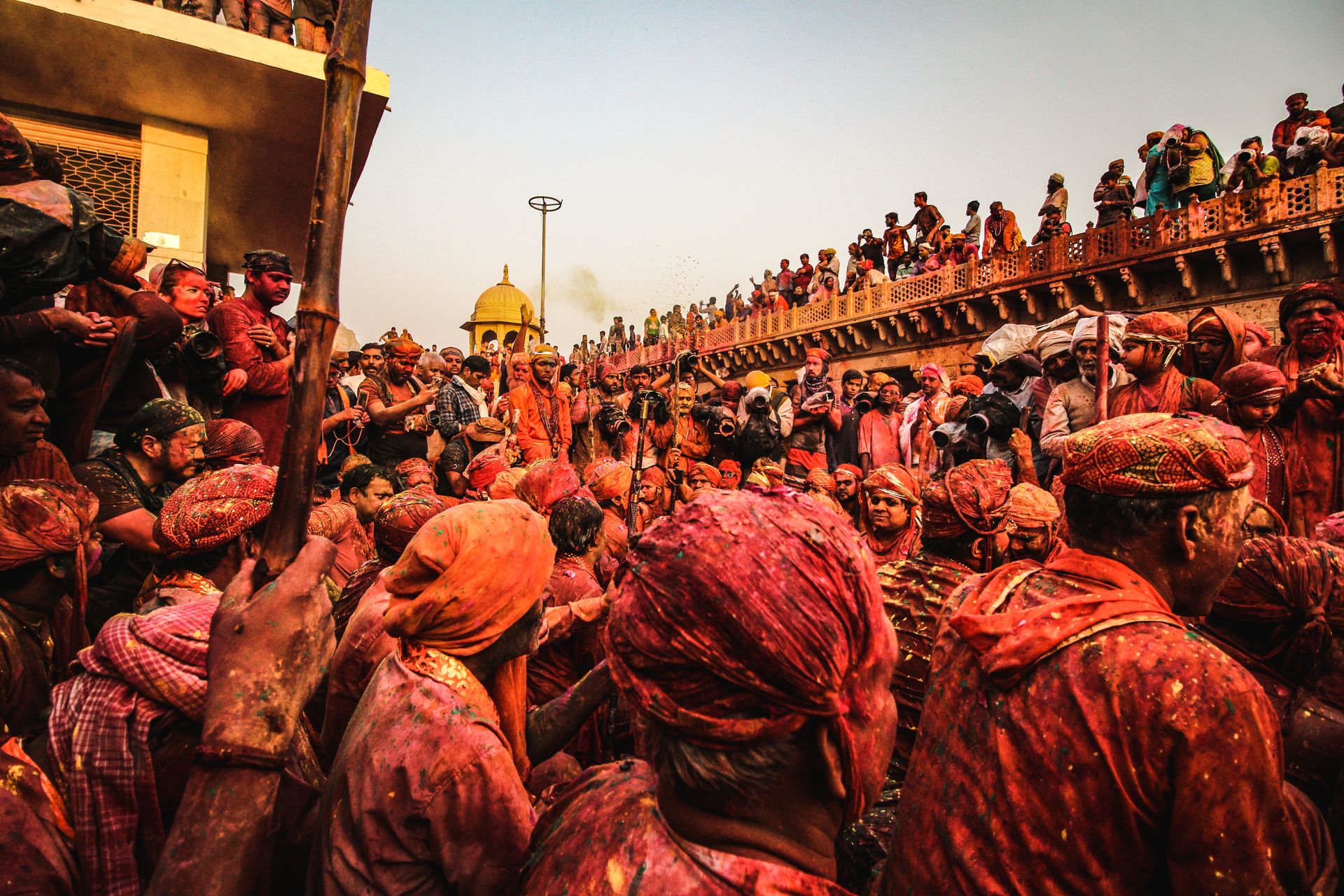
Arriving in Malaysia in 2026, the first thing that strikes you is the apparent harmony between three distinct worlds. The population is made up mainly of Malays (Bumiputera), Chinese and Indians, not forgetting the indigenous peoples of Indonesia and Borneo.
Each community has preserved its language, religion and traditions while forging a shared national identity. This coexistence rests on one fundamental concept: mutual tolerance (Tolak ansur). For the expat, understanding this structure isn't optional; it is the cornerstone of a successful social life.
The Pillars of Social Interaction
Understanding these invisible concepts will spare you plenty of misunderstandings while managing culture shock.
The Notion of "Face"
The concept of "Face" (Malu) is central. It's all about preserving the dignity of others in public. Never criticise openly, never put anyone in an awkward position. Indirect, diplomatic communication is always preferred over blunt honesty.
The Royal Hierarchy
Respect for elders and titles is sacred. Honorific titles such as Datuk, Tan Sri or Datin are no small detail. Use them with deference. This respect applies within the workplace too: the senior's voice carries the most weight.
Gotong-Royong
The spirit of community cooperation (Gotong-Royong) means the interest of the group comes before the individual. Hospitality isn't a luxury but a social duty deeply rooted in the "Kampung Spirit" (the village spirit).
A Calendar of Celebrations

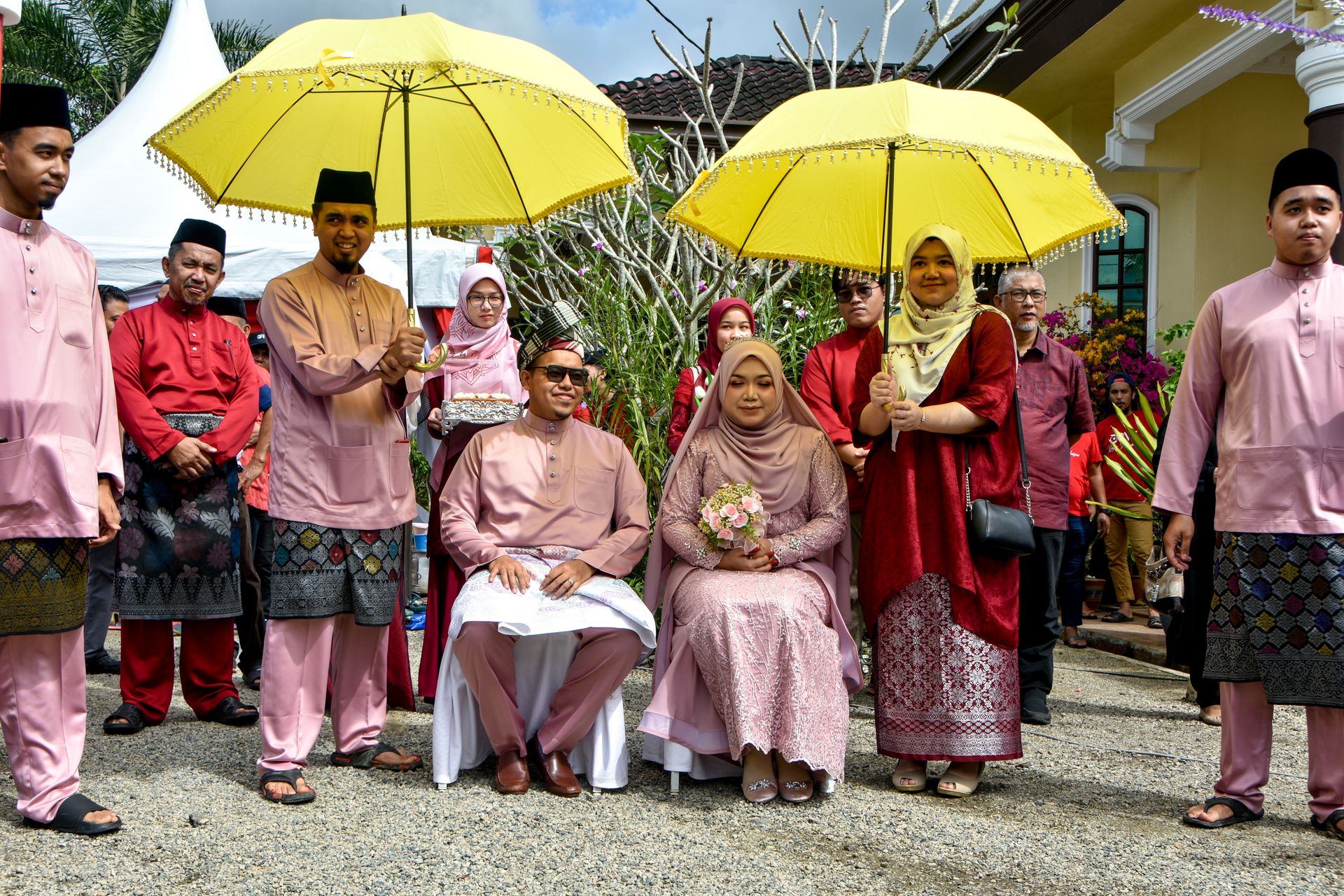
Hari Raya Aidilfitri
Marking the end of Ramadan, this is the most important festival for Malays. It embodies forgiveness and renewal.
- • The "Open House" tradition (Rumah Terbuka)
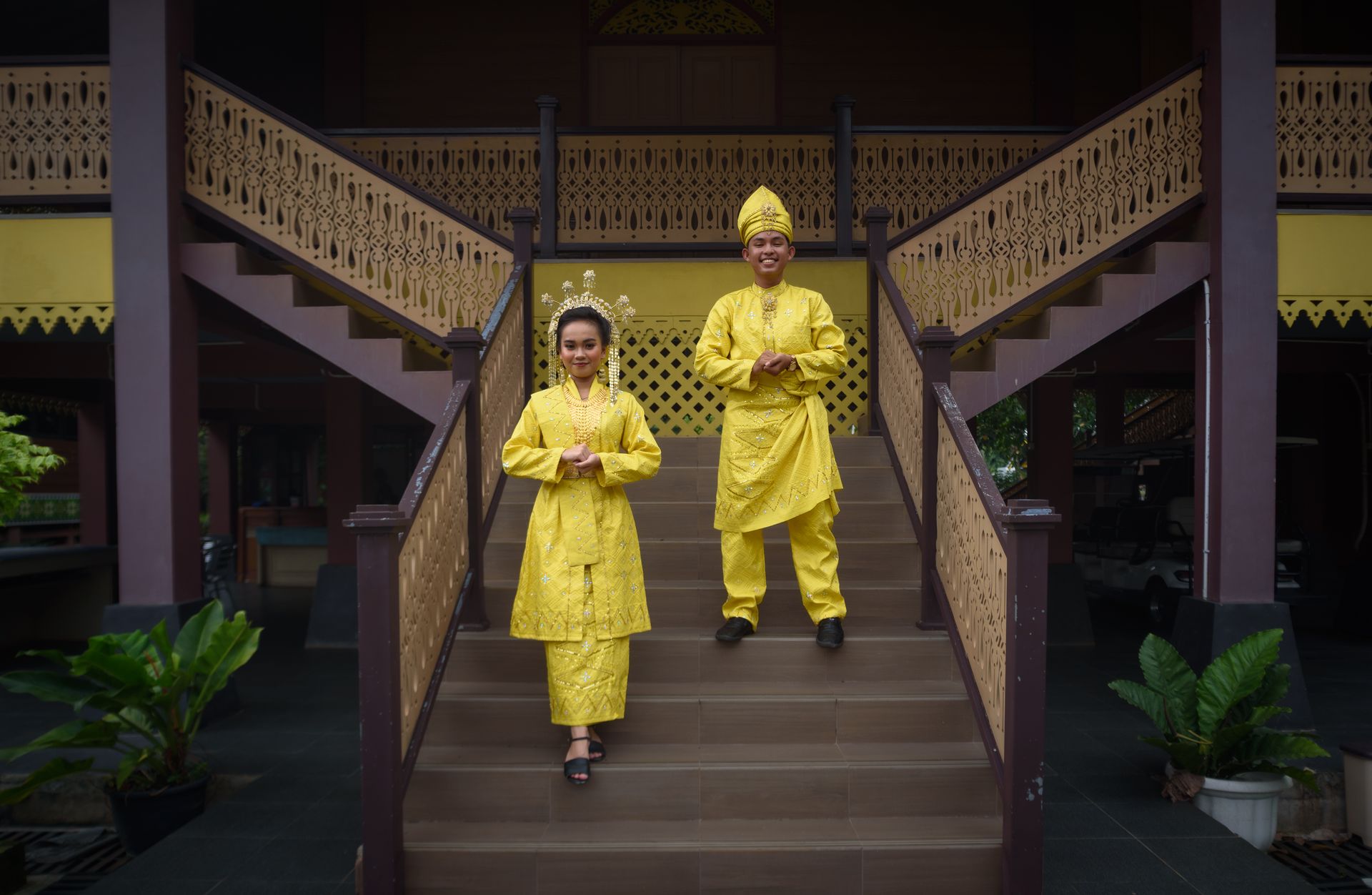
- • Traditional dress: Baju Melayu and Baju Kurung
- • Asking elders for forgiveness (Maaf Zahir dan Batin)
Chinese New Year
Lion dances, red envelopes (Ang Pao) and family reunion dinners dominate this vibrant 15-day period.
Deepavali
The Indian festival of lights turns Little India into a spectacle of colour, oil lamps and intricate Kolams.
The "Open House" Concept
This is one of the most fascinating aspects of Malaysian culture. During religious festivals, homes open their doors to everyone: neighbours, friends, strangers, no matter the ethnicity or religion. It is the ultimate chance to build connections.
Cultural Etiquette Simulator
Avoid the faux pas and put your Malaysian instinct to the test!
Scenario 1: You're invited to dinner at a Malay family's home. What do you do first?
Well done!
You seem ready for your new life in Malaysia.
Eating: The National Sport
In Malaysia, people don't ask "How are you?" but "Sudah makan?" (Have you eaten yet?). Malaysian cuisine is the true glue that holds society together.
-
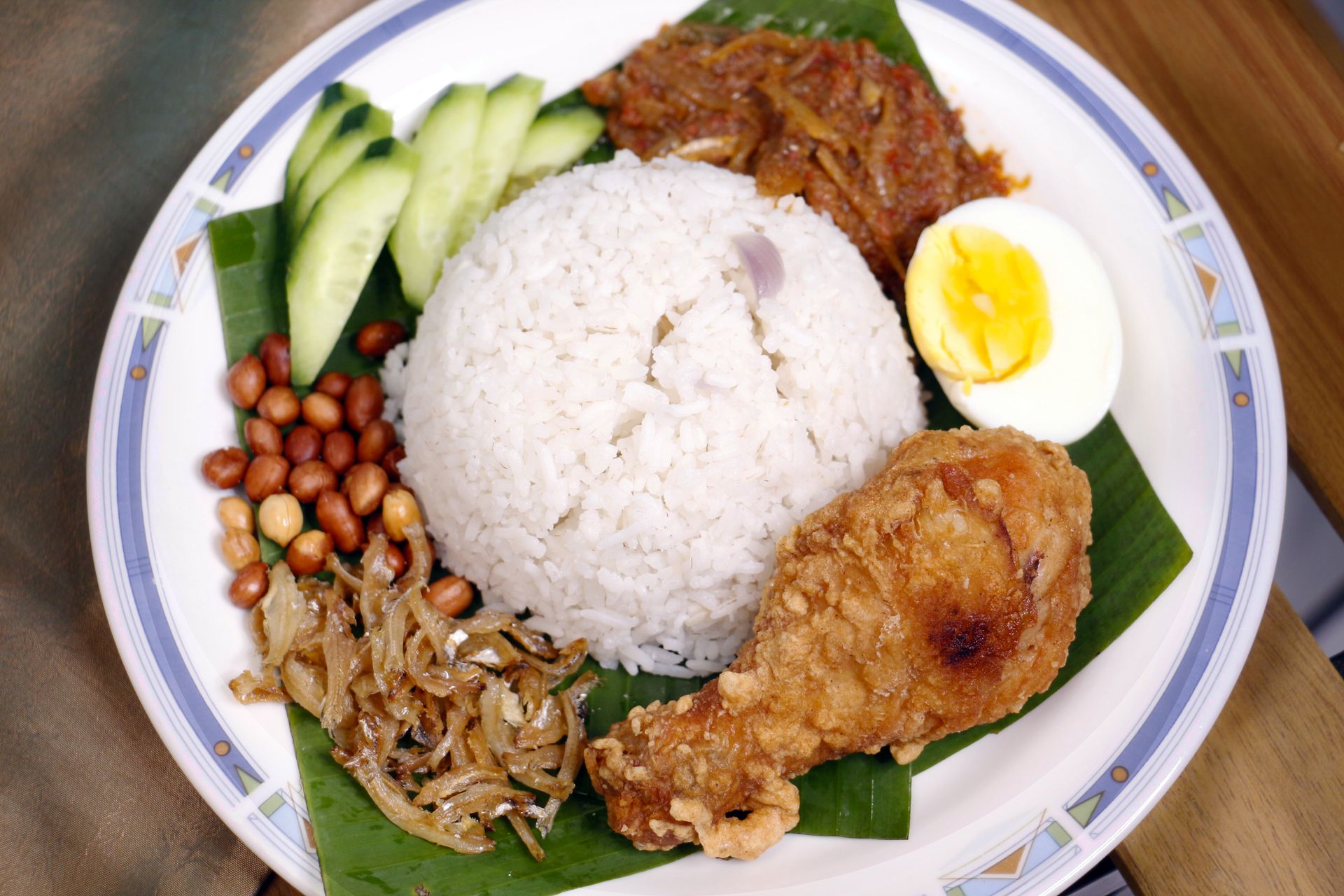
Nasi Lemak: Coconut rice, sambal, anchovies and peanuts. The sacred breakfast.
-
Satay: Meat skewers grilled over a wood fire with peanut sauce.
-
Durian: The king of fruits. You either love it or hate it, but tasting it is a rite of passage.
Expert tip: Most restaurants serve Halal food. Respect your Muslim friends' dietary restrictions by choosing suitable venues for your outings.
Can I join festivals of a different religion?
Yes, and it's actively encouraged. Thanks to the "Open House" tradition, Malaysians of every faith widely invite neighbours, colleagues and friends to celebrate with them, regardless of their own religion. Joining a Hari Raya, Chinese New Year or Deepavali celebration at a colleague's home is one of the best ways to integrate quickly.
The one thing to avoid: turning up empty-handed (a small gift or fruit is enough) and not respecting the dress code or food customs of the place of worship or the hosting family. For more on the religious dimension, see our guide to religion and social life in Malaysia.
Language as a Bridge
Although English is widely spoken (especially in business), mastering Bahasa Melayu radically changes how locals see you. It's a sign of respect and a genuine willingness to fit in.
Manglish
A colourful blend of English and local dialects. Learn to use the "lah" suffix to round off your sentences and you'll sound like a regular in no time.
The Writing System
The shift from Jawi (Arabic script) to Rumi (Latin script). Today, everything is readable for an English speaker, which makes learning Malay easier.
Arts and Living Heritage
Batik & Songket
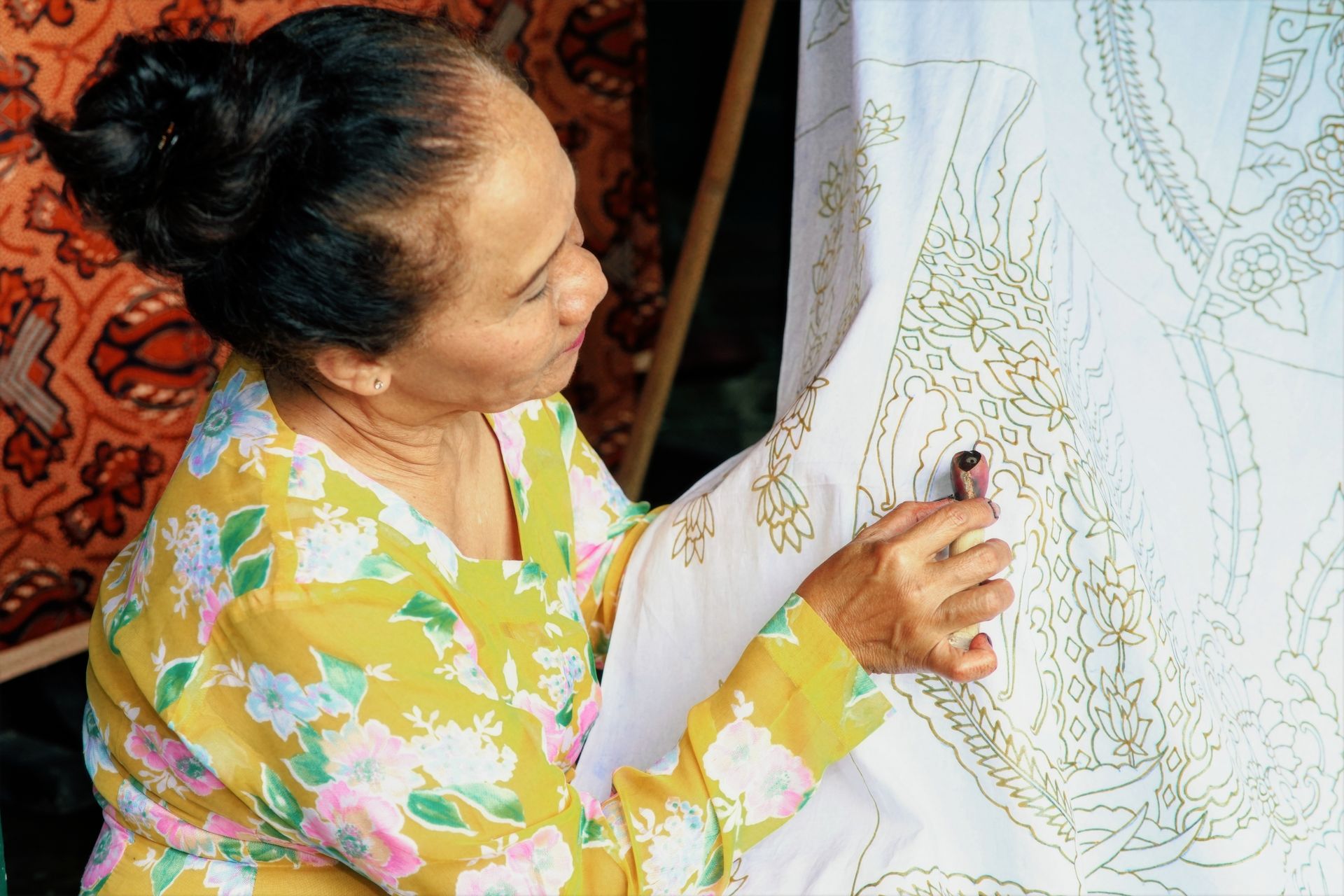
Malaysian textile art is recognised worldwide. Batik (wax dyeing) and Songket (gold-thread weaving) are worn with pride at official ceremonies.
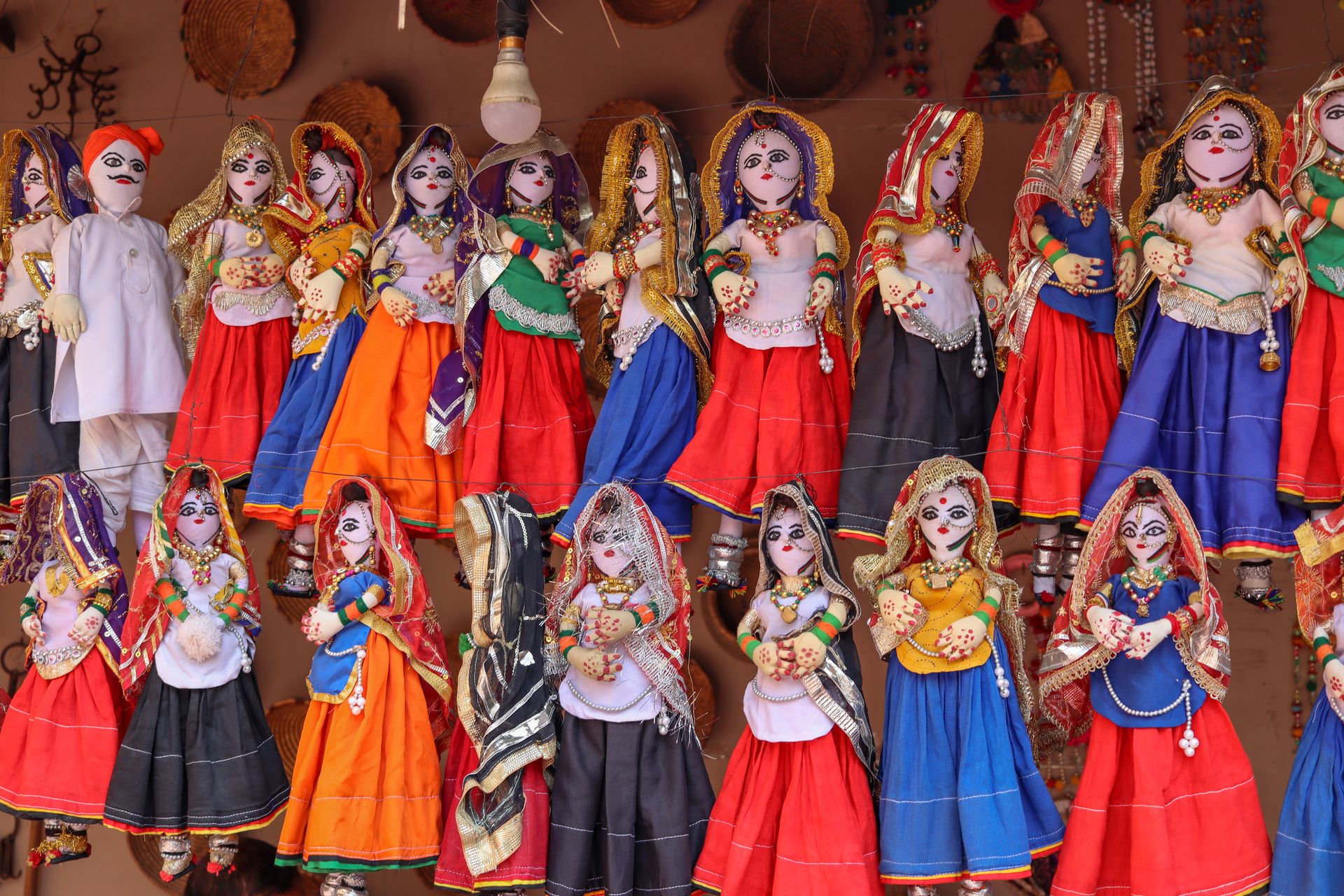
Wayang Kulit
Traditional shadow theatre tells the epics of the Ramayana and the Mahabharata. An ancient art still alive in the northern states such as Kelantan.
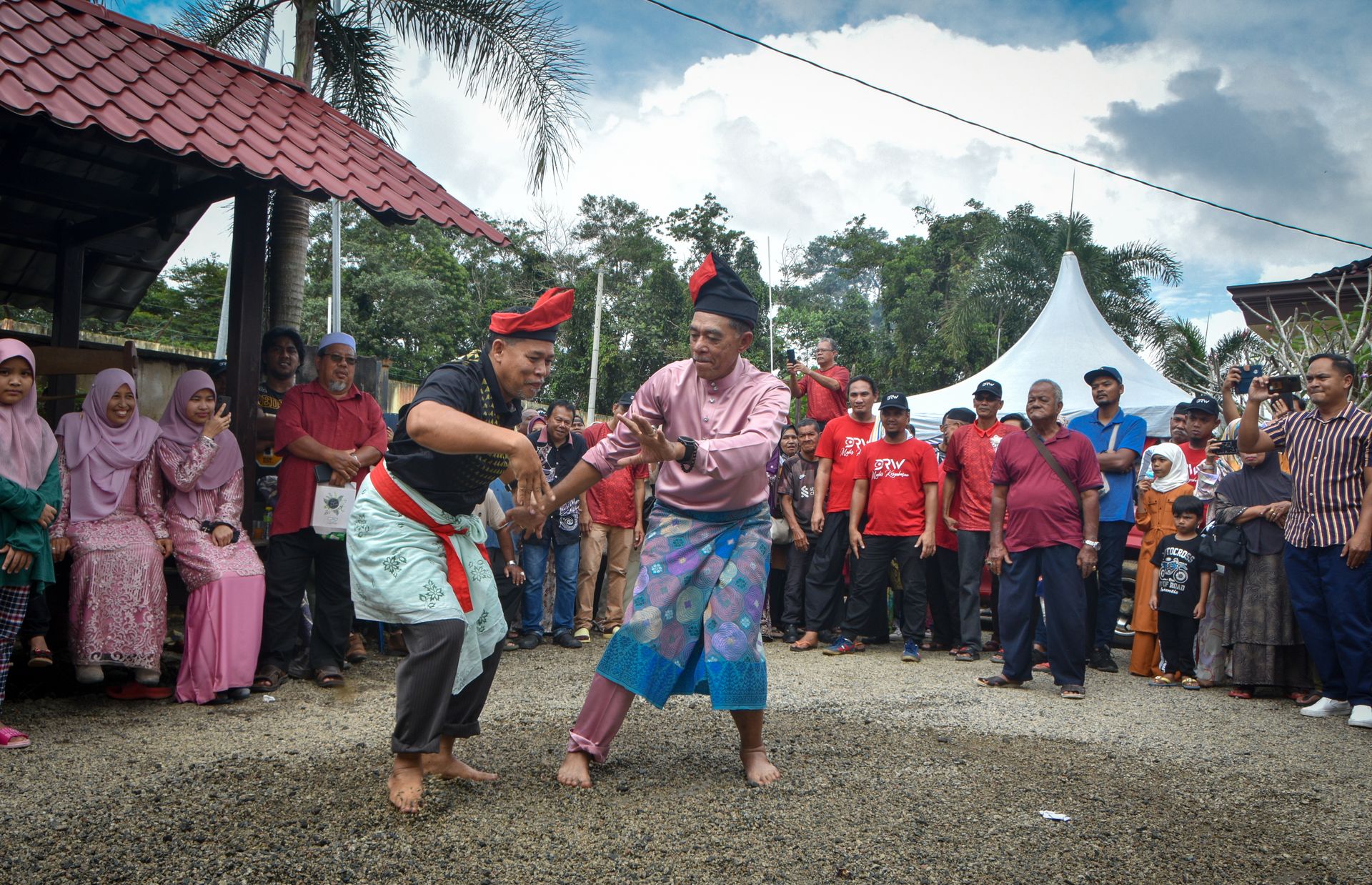
Zapin & Joget Dances
Influenced by the Arab and Portuguese worlds, these social dances express the joy of living and the elegance of Malay culture.
Ethnic diversity in Malaysia: origins, identities and everyday coexistence
Malaysia is often described as a plural country, but that phrase only makes full sense once you look at how its identities were formed. The Malay majority is tied to a history rooted in the peninsula, in Islam and in the former sultanates. Alongside them are the Chinese communities, whose presence largely traces back to trade migration and colonial-era labour needs, followed by waves of urban and entrepreneurial settlement. Indian communities, also long established, have strongly shaped the plantations, trade, urban professions and religious life, notably through Hinduism and Tamil and Sikh heritage.
In Borneo, the mosaic is even finer. Sabah and Sarawak bring together many indigenous peoples, such as the Dusun, Kadazan, Iban, Bidayuh and other groups with their own languages, rites and cosmologies. Their traditions are a reminder that Malaysia is not limited to the peninsula. In rural areas as well as in some Bornean towns, harvest festivals, communal chants, dances and forest-related know-how remain powerful markers. This diversity is not only demographic; it is historical, territorial and linguistic. It explains why a single country can naturally celebrate several cultural calendars at once.
In everyday life, this plurality translates into a very visible form of cohabitation. A single neighbourhood can bring together a mosque, a Hindu temple and a shop run by families of different origins. In a company, it is not unusual for colleagues to exchange varied cultural references, then adapt to each other's religious constraints during lunch breaks or year-end gatherings. This coexistence works because it rests on habits learned early: avoiding certain topics in public, respecting other people's festivals, and recognising the forms of politeness suited to each situation. Malaysia does not erase differences; it organises them.
For an expatriate, this reality has a direct impact on settling in. The choice of neighbourhood, proximity to a place of worship, the availability of suitable meals and even an understanding of public holidays all shape daily life. Administrative steps may look simple on paper, but social life relies on a careful reading of local sensitivities. Knowing who you're speaking to, how to greet them, which topics to avoid and when to make yourself available during festivals quickly becomes just as important as knowing the rules for a visa or housing. Malaysian diversity is therefore not an abstract notion: it is a practical skill.
Hari Raya in Malaysia: religious meaning, family gatherings and festive customs
Hari Raya Aidilfitri, also known as Eid al-Fitr in many international contexts, marks the end of the Muslim fasting month of Ramadan. In Malaysia, this festival carries both a religious and a social dimension. Homes are prepared well in advance: thorough cleaning, careful decoration, new clothes, large-scale cooking and the planning of visits. On the day itself, traditional dress is very much on display, with the baju kurung for women and the baju Melayu for men, often in coordinated colours within the same family. In residential neighbourhoods, the flow of visitors and the sharing of sweets give the festival a very particular intensity.
The practice of the open house is one of the most revealing gestures in contemporary Malaysian culture. Family, colleagues, neighbours or friends are all invited to share a meal without strict distinction of origin. This openness is much more than a friendly get-together. It shows a local way of combining hospitality, respect for beliefs and social cohesion. For an expatriate, accepting a Hari Raya invitation is often a way to grasp the subtlety of local customs: taking off your shoes before entering, waiting for the host to indicate where to sit, accepting a little food even if you cannot try everything, and avoiding overly demonstrative gestures. The moment is warm, but it is also marked by real attention to form.
Food plays a central role here. Tables are often filled with dishes served continuously, festive cakes, sweet drinks and family recipes passed down from one generation to the next. Children move between the adults, elders receive marks of respect, and the mood shifts between prayer, conversation and indulgence. In some families, the following days remain dedicated to visits, including between people of different backgrounds, turning the festival into a social bridge. This is why Hari Raya is not only a Muslim event; it is also a moment when Malaysia shows off its collective way of life.
For expatriates, this period can have very concrete consequences on professional organisation. Some services slow down, certain administrative offices change their hours, colleagues take leave, and transport networks can get busier. Anticipating these rhythms avoids many misunderstandings. A meeting scheduled without regard for the festival can come across as abrupt. Conversely, showing that a trip was planned around the celebration is seen as a mark of respect. In local life, paying attention to the calendar is a language of its own, and Hari Raya offers a clear demonstration of it.
Chinese New Year, Deepavali and Borneo's festivals: a shared cultural calendar
Chinese New Year transforms neighbourhoods with a strong Chinese presence every year, but its influence reaches well beyond that community alone. Shopfronts are dressed in red and gold, families gather, meals stretch on, and the exchange of well-wishes takes on a highly codified dimension. Red envelopes, symbolic meals and family visits recall a culture in which prosperity, family continuity and luck hold an essential place. In Malaysian cities, this period often offers a striking contrast between commercial bustle and a deeply intimate dimension. The noise, lights and decorations catch the eye, but the heart of the festival remains the family.
Deepavali, or Diwali, holds an equally important place for Hindu communities. The festival celebrates light, the victory of good over darkness, and inner renewal. Homes are cleaned, decorative lamps are set up, outfits are carefully chosen, and family visits shape the day. In areas where Indian families are strongly present, the streets come alive well before the celebration itself. Sweets, offerings and colourful fabrics become visible signs of preparation. For a newcomer, what is often most striking is the continuity between private and public space: the festival spills out of the home into the neighbourhood, then to colleagues and friends.
In Sabah and Sarawak, Gawai Dayak and Kaamatan are a reminder that Borneo's indigenous peoples also celebrate their bond with the land, the harvest and the memory of their ancestors. These festivals are rooted in agricultural rhythms, songs, dances and rituals of gratitude. They reflect a relationship with the land that is not merely folkloric but vital. When a community prepares communal meals, wears traditional dress and organises dances, it is affirming a sense of identity and continuity within a rapidly changing modern world. This dimension is especially visible in the villages and towns of Borneo, where modernity has not erased older reference points.
The Malaysian calendar thus becomes a succession of bridges between communities. Some dates belong to one particular group, but they are rarely experienced in a closed way. People invite one another, offer cakes, adjust meetings, learn a few well-wishing phrases, and discover that festive politeness is almost a language in itself. For an expatriate, this means that good integration also comes from getting to know other people's festivals. Saying a few words at the right moment, sending a message of good wishes, or simply respecting the rest day of a sacred occasion can have a very positive effect on human relationships.
Malaysian culture: traditions, festivals and diversity in 2026
Compare at a glance the major festivals to know when living in Malaysia as an expat: what they mean, how to behave, and their impact on daily life.
Malaysian gastronomy: street food, mamak cuisine and a blend of influences
Food is one of the best ways to understand Malaysia, because it reveals a constant exchange between traditions. Within a single meal, Malay, Chinese, Indian, Peranakan and regional influences can meet without any rigid hierarchy. The country is famous for its street food, which shapes daily life just as much as the international image of certain cities. Night markets, noodle stalls, grilled skewers, fragrant soups and colourful desserts make up a very readable culinary landscape. In Penang or Kuala Lumpur, eating out is not just practical: it is a form of sociability.
Mamak restaurants embody this blend particularly well. Historically linked to traders of Indian Muslim origin, they have become hybrid places where people come at any hour for a tea, a quick dish or a long dinner. You'll often see students, families, office workers and groups of friends. Conversation stretches out, opening hours are flexible, and food habits show a great capacity for adaptation. For an expatriate, these places are valuable because they let you sample local culture without complicated protocol. Often, all it takes is ordering, watching how the counter works, and accepting the pace of the service.
Malaysian cuisine also reflects religious requirements. The presence of halal food in many places, the separation of certain products, and careful attention to ingredients and preparation methods all shape eating habits. In practice, this creates an economy of trust. You ask, you check, you get used to reading the signs, and you quickly understand that a dish can be delicious while still following precise rules. This matters especially for expatriates who host guests, organise company meals or wish to welcome colleagues of different backgrounds. Knowing the basics avoids awkward moments and enriches the exchange.
The blending of cuisines is also visible in the country's iconic dishes, often reinterpreted by region. Chinese noodles may be served with distinctly local condiments. Indian curries sit alongside vegetables, herbs and sauces typical of the Malay world. Desserts make use of coconut milk, pandan, palm sugar, glutinous rice or tropical fruit. This culinary blending is not a simple patchwork of elements; it reflects a social history in which exchange has produced shared tastes. In everyday life, the table becomes a space of mutual understanding, sometimes more effective than a long speech.
To go further in reading local food habits, just observe an ordinary lunch in a shopping mall: some choose rice dishes, others noodle soups, others still spicy fare served with flatbread. This apparent freedom rests on a genuine culture of coexistence. Malaysian gastronomy does not simply place recipes side by side; it teaches people to share a common space around diverse preferences. This is often where many newcomers understand the country faster than any guidebook could teach them.
Etiquette and social codes in Malaysia: greeting, dressing and behaving
Politeness in Malaysia is not just a set of courteous phrases. It reflects a way of avoiding direct confrontation, preserving everyone's dignity and leaving the other person a comfortable amount of space. In greetings, restraint is often appreciated. A light handshake may be accompanied by a slight bow of the body, and it is not unusual to wait for the local person to extend their hand first, especially in a cross-cultural setting. Between men and women, physical contact is not automatic. Some people will prefer a warm verbal greeting over a direct gesture. Reading the cues and not forcing the exchange is a quiet but essential rule.
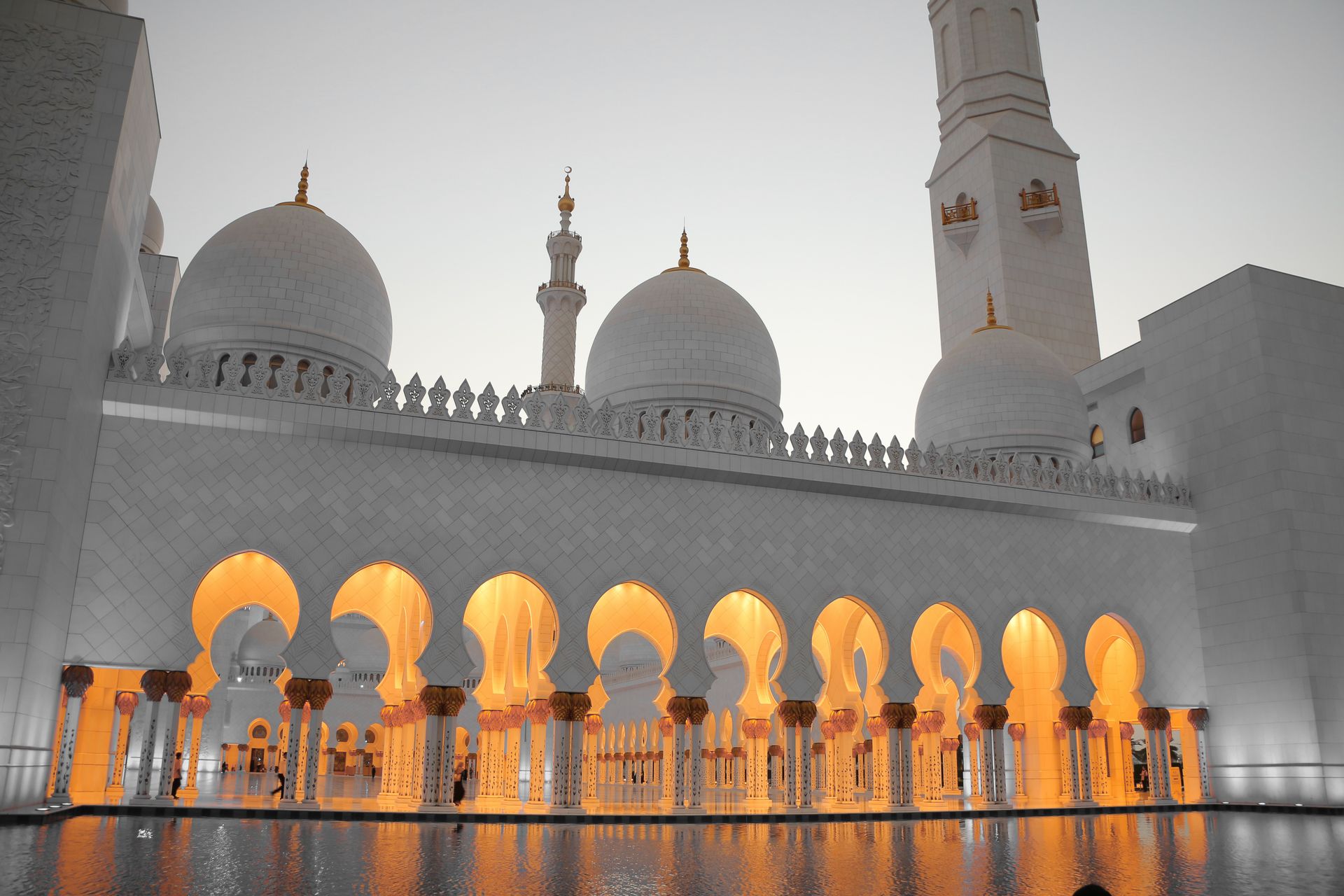
Dress also deserves attention. In professional life, style generally remains neat and measured. In places of worship, the rules are more specific. Shoulders and legs should be covered, shoes removed when asked, and restricted areas respected. In mosques, temples or shrines, calm and discretion come first. Visitors are usually made welcome, but the expected attitude is clear: do not walk into a sensitive area without being invited to, avoid attention-drawing gestures, and ask before taking photos whenever the situation seems unclear. This caution is not a burden; on the contrary, it shows genuine consideration for local beliefs.
In everyday exchanges, tone matters a great deal. Blunt criticism is rarely well received, especially in public. It is better to make a request gently, allow time for a response, and keep an appearance of calm even in case of disagreement. In an office, this can change the outcome of a meeting. A colleague who raises a point tactfully will often get further than someone too direct. For a French-speaking expatriate, this sometimes requires an adjustment, since French communication habits can favour lively debate or quick argument. In Malaysia, cooperation tends to happen through softer forms.
Business meals are a good illustration of this etiquette. It is common to wait for the host to indicate where to sit, for elders to start serving themselves, or for drinks to be offered before talking business. Refusing a small gesture of hospitality can be seen as a misstep. Accepting a tea, a snack or a piece of cake, on the other hand, helps create a smoother atmosphere. The most useful rule remains simple: observe first, act afterwards. In such a culturally diverse environment, this caution almost always prevents faux pas and speeds up trust.
A practical list of everyday habits worth keeping in mind:
- Observe local codes before repeating a gesture or raising a sensitive topic.
- Avoid public criticism and prefer a discreet remark instead.
- Adapt your outfit for places of worship and family ceremonies.
- Ask before photographing people, offerings or rituals.
- Respect festive rhythms and rest days linked to celebrations.
Traditional Malaysian arts: batik, wayang kulit, music and living heritage
Traditional arts in Malaysia are not confined to museums. They continue to exist in ceremonies, festivals, contemporary creations and certain everyday craft practices. Batik remains one of the most visible symbols. This fabric, printed or dyed through specific techniques, can be worn in a professional setting, at official events or during festivals. It illustrates Malaysia's ability to bring together craftsmanship, elegance and cultural identity. Songket, with its metallic threads and refined patterns, holds a more ceremonial place, particularly at weddings, royal events or major celebrations.
Wayang kulit, the traditional shadow theatre, occupies a special place in the local imagination. Cut-out silhouettes, narration, songs and musical accompaniment combine into an experience that blends performance, memory and transmission. Even as forms modernise, the principle remains the same: telling foundational stories and shared values through image and voice. The fact that Mak Yong theatre and Dondang Sayang have been recognised by UNESCO underlines the vitality of a living heritage that does not belong to a frozen past. It continues to circulate through festivals and cultural stages.
Traditional music rounds out this picture. Dikir barat, regional vocal forms, ensembles tied to certain Bornean communities, and rhythms inspired by the wider Malay world all show a great diversity of expression. Contemporary festivals, whether dedicated to jazz, world music or regional scenes, often let these forms engage in dialogue with more recent genres. It is no accident that Malaysia also supports a lively contemporary music scene. Tradition is not locked away in a museum; it circulates, transforms and makes itself visible in new contexts.
For an expatriate, this artistic dimension is very useful to understand, as it sheds light on local sensitivities. A batik gift, a dance performance, or decoration inspired by traditional patterns are not mere aesthetic accessories. They express a connection to history and to the land. In the cities, cultural events also reveal very different forms depending on the region. In Borneo, indigenous music and dance offer an often spectacular sense of the collective, while on the peninsula, Malay, Chinese and Indian influences cross paths more visibly in urban spaces. This dialogue between heritage and creation remains one of the country's strongest hallmarks.
An expatriate's social and professional life: understanding Malaysia to fit in better
Living in Malaysia calls for a careful reading of interactions, since cultural diversity shapes every exchange. In a professional setting, this means taking into account religious festivals, regional public holidays, variable working hours during certain periods, and differing sensitivities from team to team. A well-thought-out shared calendar avoids badly placed meetings and shows an attentiveness that is appreciated locally. In companies, the quality of human relationships often matters as much as technical skill. Trust is built through consistency, courtesy and respect for colleagues' family or religious priorities.
The variety of backgrounds also changes how networking works. A Malay partner, a Chinese contact and an Indian colleague may have slightly different expectations about how to run a meeting, validate a decision or express disagreement. This does not necessarily create a difficulty; on the contrary, it encourages a great deal of flexibility. Expatriates who adapt quickly gain credibility. For example, accepting a simple lunch at a mamak restaurant, honouring an invitation to a home during a festival, or sending a well-wishing message at the right time can open doors that no formal introduction could unlock on its own.
In personal life, this diversity also enriches everyday connections. Children often attend schools where cultural reference points are varied. Residential buildings can bring together families of very different origins and religions, which calls for careful cohabitation: noise, use of shared spaces, prayer times, celebrations held at home. When a Chinese neighbour celebrates the New Year, a Muslim family holds Hari Raya, or an Indian family prepares for Deepavali, the whole neighbourhood feels the change in atmosphere. Diversity then becomes less of a concept and more a string of moments lived at the scale of the landing outside your door.
The biggest shift for a French speaker often lies in learning the local relational rhythm. Sometimes you need to slow down, let things settle, accept that an answer won't come immediately, or that a sensitive topic will be raised indirectly. This is not avoidance; it is a different way of relating socially. In return, Malaysia offers a rare quality of relational life for those who learn to work with it. Festivals are more frequent than they may seem, invitations can arise spontaneously, and exchanges quickly grow warmer once the codes are understood. Successfully settling in therefore depends as much on cultural intelligence as on paperwork.
To keep this in mind, one simple idea is enough: in Malaysia, integration is not about erasing differences but about learning to live alongside them actively. It is this flexibility that turns an expatriate's daily life into a lasting, vivid experience.
Cultural Frequently Asked Questions
How should I dress to respect local customs?
Modesty is the rule, especially outside the big cities. Avoid clothing that is too short or low-cut, particularly when visiting places of worship (mosques, temples).
Is it rude to refuse food?
It's best to at least taste a small portion. Refusing outright can be seen as a lack of respect towards your host.
Can I touch a child's head?
No. The head is considered the most sacred part of the body in many Asian cultures. Avoid patting the head, even out of affection.
Which hand gestures should I avoid?
Never use your index finger to point at someone or something; use your folded thumb instead. Never give or receive anything with your left hand.
Is punctuality important?
In a professional setting, yes. Socially, there's the concept of "Malaysian Time" (15-30 minutes late is often accepted), but as an expat, staying punctual is always the safer bet.
How should I behave during Ramadan?
Avoid eating, drinking or smoking openly in front of Muslim colleagues. Be patient, as energy levels may be lower in the afternoon.
What is the Malay "Salam"?
It's a gentle handshake with both hands, followed by a gesture bringing the hand to the heart. It's a sign of deep respect.
Is tipping mandatory?
It isn't part of the local culture, though a small gesture is appreciated in tourist spots. Bills often include a 10% service charge.
Why do people call me "Uncle" or "Aunty"?
It's an affectionate and respectful term used to address someone older, even without any family ties. It's a sign you're fitting in!
How can I handle a conflict without anyone "losing face"?
Talk it through in private, start with positive points, and keep a calm tone. Never raise your voice in public.
What are the most important courtesy gestures in Malaysia?
Restraint, respecting the other person's pace, simple greetings and avoiding public criticism all matter a great deal. In places of worship, you should also adapt your outfit, remove your shoes if asked, and get permission before taking photos.
How should I behave at a Hari Raya open house?
It's best to arrive at the stated time, take off your shoes at the entrance, greet the hosts simply, and try at least a few of the dishes on offer. The mood is friendly, but respecting local customs still matters.
Is Malaysian street food suitable for expats?
Yes, as long as you check the ingredients if you have any dietary restrictions. Street food centres and mamak restaurants often give an excellent introduction to local cuisine, with plenty of options suited to different diets.
Do the different communities' festivals affect work?
Yes, because they often change working hours, travel patterns and colleagues' availability. Anticipating the cultural calendar helps avoid misunderstandings and improves working relationships.
Why do traditional arts remain so visible in Malaysia?
Because they still play a part in social, religious and festive life. Batik, wayang kulit, certain dances and traditional music are still used to express identity, memory and community bonds.
Ready for the Malaysian adventure?
Cultural immersion is the finest gift of moving abroad. Don't stay a mere spectator, become a part of local life.
See also: Lonely Planet Culture Guide