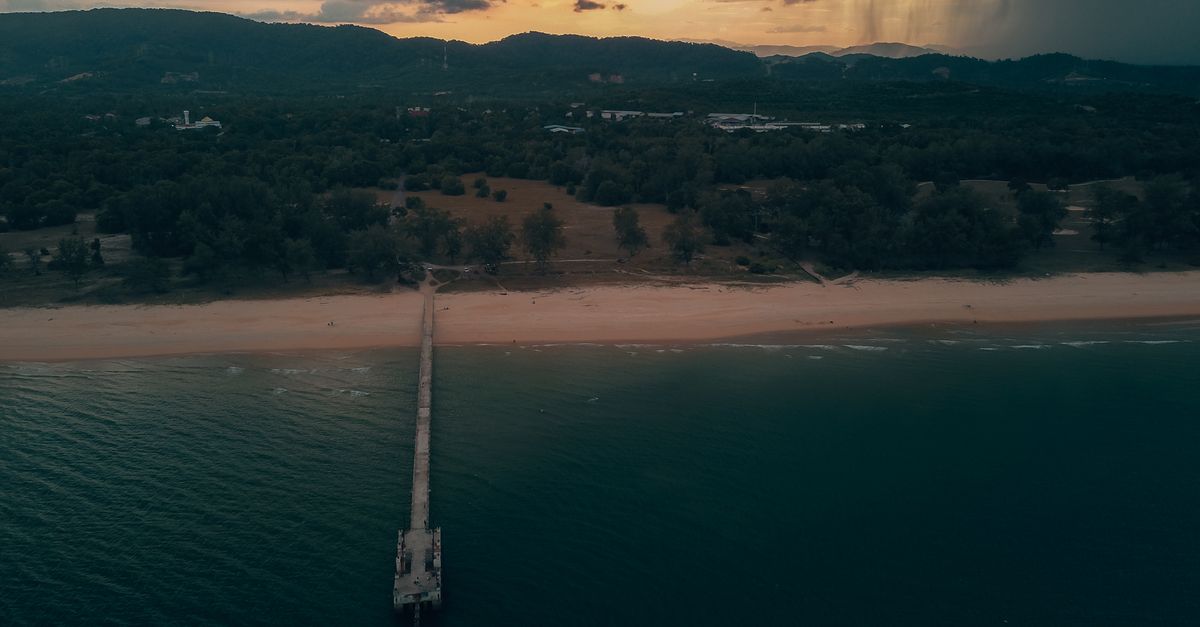
Malaysia Climate: When to Go and Monthly Weather
When to visit Malaysia? The answer depends more on your destination than on a national season. Langkawi and the Perhentian Islands do not follow the same schedule, Borneo’s terrain alters rainfall, and the Cameron Highlands offer a coolness absent from the plains. To plan a trip, it is therefore better to choose a region suited to your dates rather than look for a supposedly ideal month everywhere.
The country has a hot, humid equatorial climate, with possible showers year-round. The two monsoons mainly influence rainfall distribution, wind, and sea conditions: key factors for crossings, diving, or forest outings, but less restrictive for exploring George Town and Kuala Lumpur.
The calendar below shows climate trends, not daily forecasts for 2026. For travel or relocation, also consider storms, flood risks, and haze episodes known as haze. A well-planned itinerary includes backup activities and avoids relying on an international flight on a last-minute sea crossing.
Malaysia’s climate: understanding monsoons and regional differences
Heat and humidity: the constants of Malaysia’s climate
In lowland areas, temperatures remain relatively stable throughout the months. It’s mainly cloud cover, rainfall, breeze, and altitude that affect your comfort: a shaded walk in Penang may feel more pleasant than a short stroll along a dusty avenue in Kuala Lumpur.
Humidity slows sweat evaporation, making physical effort more taxing. For your first few days, plan strenuous activities early in the day, then balance movement with breaks and sheltered activities—don’t rush into your usual pace immediately.
A forecast showing a storm symbol every day doesn’t necessarily mean your stay will be soaked. It may indicate localised risk for part of the day; however, some disrupted periods bring sustained rain and aren’t limited to a brief shower.
Malaysia’s Monsoon: Two Seasons, Different Impacts
The northeast monsoon typically runs from November to March. It heavily affects the eastern coast of the peninsula, particularly Kelantan, Terengganu, and Pahang, with heavy rain and rough seas.
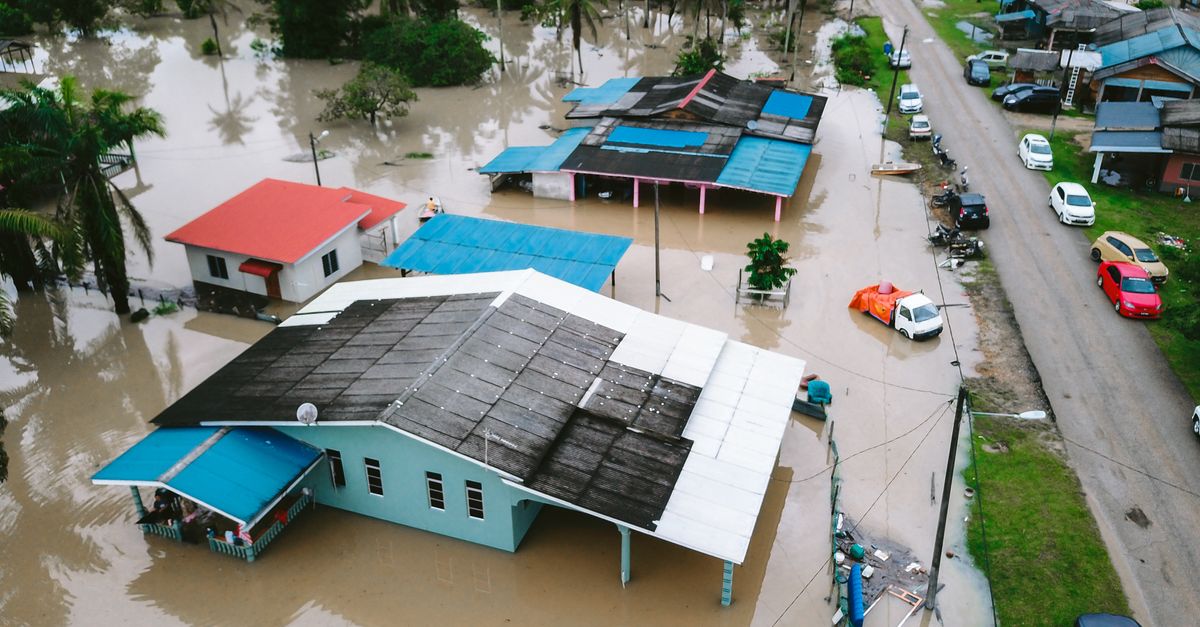
This circulation also impacts Borneo regions, notably Sarawak and parts of Sabah. During peak episodes, effects go beyond discomfort: flooded roads, cancelled outings, and altered crossings may force itinerary revisions.
The southwest monsoon generally lasts from May to September. It corresponds to a relatively drier period in many regions, but does not create a true dry season everywhere; the west coast, for instance, may still experience squalls from the Strait of Malacca.
Between these regimes, transition periods favour storms, particularly around April and October. The exact calendar shifts yearly: Malaysian Meteorological Department METMalaysia updates take precedence over monthly breakdowns when an alert is issued.
West Coast, East Coast, Borneo, and Highlands: Four Essential Guides
On the West Coast of the Peninsula, Langkawi and Penang usually enjoy better conditions between December and March. Kuala Lumpur is visitable year-round, but its weather patterns do not exactly mirror those of the northwest islands. See our Kuala Lumpur weather guide for monthly climate details.
On the East Coast, beach holidays typically run from March to October, with variations depending on the island and the monsoon’s progress. However, an open accommodation does not guarantee comfortable crossings or dive trips.
In Borneo, terrain and wind exposure create stark contrasts. Kota Kinabalu, Sandakan, the inland forests, and the mountains should not be lumped together under a single regional average.
In the Cameron Highlands, altitude brings cooler temperatures, especially when skies cloud over. This coolness does not mean humidity-free conditions: mist, showers, and muddy trails remain compatible with an enjoyable stay.
Take Claire and Mathieu, a fictional couple torn between beaches and hiking: by prioritising their activities, they can pinpoint the constraints that truly matter. The best season is the one that suits your most weather-dependent plans.
Malaysia’s Monthly Weather Guide: The Table to Plan Your Trip
This table describes general trends, useful for selecting a region before booking. It does not provide observed records for a specific year or guarantees of sunshine: a typically favourable month may still experience several disrupted days.
Guidance on Borneo requires extra caution, as this large island has vastly different environments. For hiking, river cruises, or diving trips, always supplement this information with site-specific details.
| Month | West Coast and Kuala Lumpur | East Coast Islands | Malaysian Borneo | Practical Advice |
|---|---|---|---|---|
| January | Generally good for Langkawi and Penang; showers possible in Kuala Lumpur. | Active monsoon, rough seas possible. | Wet season in several areas, especially Sarawak. | Prioritise cities and northwest peninsular regions. |
| February | Frequent good balance in the north-west. | Conditions Still Variable, Activity Resumption to Be Confirmed. | Varies by coastline and terrain. | Pair Penang and Langkawi instead of relying solely on the Perhentians. |
| March | Heat and showers; still favourable in the north-west. | Gradual improvement, reopenings operator by operator. | Often Interesting Around Kota Kinabalu. | Check ferry crossings before booking island stays. |
| April | More transition showers present. | Conditions Often Favour Beach Getaways. | Trip possible with local adjustments. | Schedule exposed activities early in the day. |
| May | Gradual Shift to the Southwest Monsoon Regime. | Generally good for islands. | Many possible itineraries, but no guarantee of dry weather. | Plan a Flexible Itinerary with Adjustable Days. |
| June | Showers and squalls possible despite clear spells. | Typically a strong beach season. | Activities vary by location and local conditions. | Also monitor air quality. |
| July | Mixed sun and rain. | Ideal for swimming and water-based outings. | Contrasting Conditions Between Coastal Areas and Inland Regions. | Book early for holiday periods. |
| August | Humidity and Occasional Heavy Showers, Especially in Langkawi. | Still Generally Favorable Window. | Rain possible during forest excursions. | Secure luggage during boat transfers. |
| September | Rainfall often heavier in the northwest. | Trips still possible, but check sea conditions carefully. | Strong Dependence on Local Conditions. | Avoid tight connections after a crossing. |
| October | Frequently stormy transition. | Gradual End of Season for Some Establishments. | Heavy showers possible in several areas. | Opt for flexible bookings. |
| November | Variable weather; gradual improvement possible in the northwest. | Onset of the Northeast Monsoon. | Increased Rainfall in Affected Areas. | Don’t base your trip solely on eastern beaches. |
| December | Often favourable for Langkawi and Penang. | Heavy Rain and Possible Marine Disruptions. | Marked Humidity in Several Parts of Borneo. | Opt for the west coast for a primarily beach-focused trip. |
How to Read a Weather Calendar Without Mistakes
A monthly rainfall total doesn’t tell the full travel experience. Concentrated evening showers and a succession of overcast days can create very different constraints, even if the totals appear comparable.
To compare regional profiles, the climate guides by destination from Où et Quand and the seasonal charts from Partir.com offer complementary insights. Use them to understand the contrasts, then check the official forecasts as your departure approaches.
Traveling during French school holidays? July and August naturally steer beach plans towards the east coast, while December and February often favour Langkawi; this logic holds stronger than a promise of nationwide good weather.
Public holidays can also affect crowds regardless of rain. Chinese New Year, Hari Raya, and Malaysian school holidays require checking the annual calendar, as they influence transport availability and accommodation bookings.
Claire and Mathieu, available only in August, gain nothing by searching for a hypothetical perfect month. They gain much more by adapting their itinerary to the trends of their actual travel period.
Best Time to Visit Langkawi, Penang, Perhentian, Tioman, and Sabah?
Langkawi and Penang: Generally Best from December to March
Langkawi is particularly well-suited for a visit between December and March, when conditions are often less rainy. This suits beach days, mangrove walks, and excursions, subject to the current forecast. See our Langkawi weather guide for month-by-month conditions.
The Rest of the Year Isn’t Automatically Off-Limits, but a Trip Entirely Focused on Marine Activities Becomes More Vulnerable to Disruptions. A Year-Round Hotel Doesn’t Mean the Sea Is Always Accessible.
In Penang, the same window serves as a useful guide, with the added advantage of an adaptable urban offering. You can explore George Town before peak heat, then book a heritage home, museum, or kopitiam break for a rainy spell.
Between these two destinations, the reliance on clear spells is not identical. If your priority is food, architecture, and local life, Penang remains a more flexible option than a trip focused solely on beaches.
Perhentian and Tioman: Pick the Right Season, Not Just the Hotel
For the Perhentian islands, the main tourist season runs from March to October, with April to September often preferred. However, exact opening and closing dates may vary depending on individual establishments and observed conditions.
At the edge of the season, request written confirmation for accommodation, transfers, and planned activities. A room may be available, but if the dive centre or scheduled connection is not yet fully operational, it won’t suffice.
Tioman is also easier to organise between March and October. Access depends on maritime services, sailing conditions, and, depending on the departure point, port constraints and tides.
Water clarity isn’t determined solely by the month on your ticket. Swell, runoff after heavy rain, currents, and location choice affect visibility; a reputable centre adjusts outings rather than guaranteeing a uniform experience.
Why leave a buffer before your international return? A delayed crossing can jeopardise connections—a final mainland stop reduces dependency, though risks remain.
Sabah: Distinguishing Kota Kinabalu, the Rainforest, and Dive Sites
For Kota Kinabalu and western Sabah, February to April often strikes a good balance. Other periods also allow travel, but showers may become more frequent, and conditions must be assessed activity by activity.
Around Sandakan and the Kinabatangan, you move through humid tropical environments. River levels, track accessibility, and wildlife sightings can change rapidly—no month guarantees an encounter with a wild species.
Mount Kinabalu Has Its Own Altitude Constraints. Even when coastal conditions are pleasant, high-altitude conditions may require adjustments or halt ascents, depending on park authorities’ decisions.
For the islands off Semporna, contact your chosen centre directly for details on usual conditions, required permits, and cancellation policies. The Sabah Tourism website also helps place each step in its geographical context.
For Claire and Mathieu, it’s better to opt for a cohesive package — Peninsular Malaysia and the East Coast islands, or a Sabah circuit — rather than juggling multiple transfers. The diversity of landscapes is all the more rewarding when it aligns with a relaxed pace.
Rainy Season, Haze, and Heat: Comfortable Travel and Living in Malaysia
Dry haze in Malaysia: understanding haze and monitoring air quality
Haze refers to an air pollution episode, often linked to vegetation and peatland fires in the region. Its intensity depends on fires, winds, and rainfall; it is neither natural mist nor a systematic season.
Risk May Rise During Dry Periods, Especially During the Southwest Monsoon, Without Being Strictly Limited to These Months. A Sunny Spell Doesn’t Guarantee Good Air Quality, Especially When the Horizon Turns Milky.
Check the official Air Pollution Index APIMS for the station nearest your accommodation. Follow associated recommendations, reduce outdoor exertion when advised, and seek personalised medical advice if you suffer from respiratory or cardiac conditions.
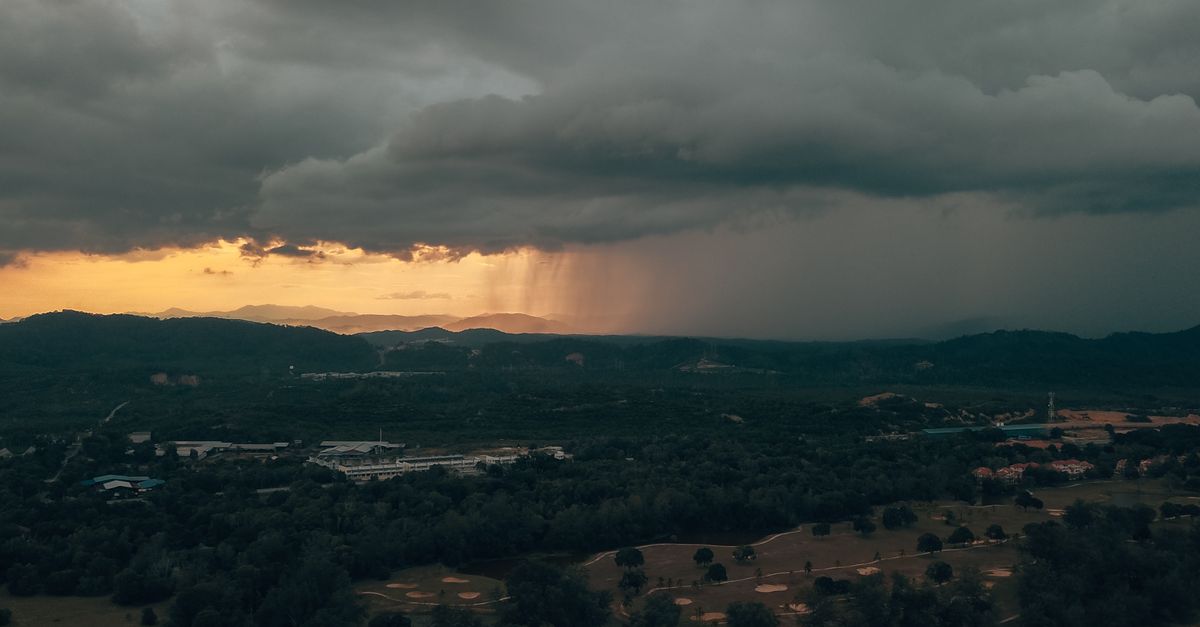
Storms and Flooding: Plan Backup Options
Searching for ‘Malaysia rainy season’ can sometimes give the impression of a single period to avoid. In reality, prolonged monsoon rains on the east coast and sudden urban flash floods are different scenarios.
In Kuala Lumpur, drainage infrastructure reduces some risks but doesn’t make all areas invulnerable. Check METMalaysia warnings and updates from the official Public InfoBanjir portal when heavy rain affects your journey.
- Do not cross a flooded road on foot or by vehicle: depth and currents can be deceptive.
- Leave water activities immediately upon the onset of a storm and head for suitable shelter rather than an isolated tree.
- Keep your documents dry in a waterproof pouch that is accessible during transfers.
- Postpone an exposed hike if local authorities report risks of flooding, landslides, or closure.
A backup activity should be genuinely accessible without risky travel. During heavy disruption, staying in your accommodation may be more sensible than heading to a shopping centre on the other side of town.
Humidity, Sun, and Mosquitoes: Daily Habits for Comfort
Stay hydrated, pace yourself, and seek shade. Confusion, severe discomfort, or rapid deterioration after heat exposure requires urgent care—not just a longer break.
Dengue-carrying mosquitoes also bite during the day—protection shouldn’t be limited to evenings. Use repellent as directed, wear appropriate covering clothing, and avoid stagnant water around your accommodation.
Pair clothing, hats, sunglasses, and suitable sun protection, even on overcast days. The guide dedicated to UV index in Malaysia complements these habits, without turning an indicative calculation into a guaranteed risk-free exposure duration.
At home, check for leaks, maintain air conditioning, and dry fabrics before storing them. A dehumidifier may help in a damp room, but it doesn’t replace fixing a leak or addressing mould causes.
Before committing to a long-term stay, the guide on opening your electricity and water meters helps you anticipate housing-related procedures. Also, protect cameras and electronics from condensation during sudden temperature changes.
Tropical comfort relies on regular habits and local alerts more than on buying specialised equipment.
Frequently Asked Questions: Best Time, Budget, and Destinations in Malaysia
Selecting dates means prioritising your interests: beach, heritage, wildlife, and hiking each have different constraints. The following insights help balance climate trends, short-term forecasts, and tourism availability.
For prices and crossings, only a check at the exact travel dates allows you to build a reliable itinerary. A general estimate should remain a starting point, never a promise of pricing or conditions.
What’s the Best Month to Visit Malaysia?
February is often an excellent choice to combine Langkawi, Penang, and a stop in Kuala Lumpur. If your priority is to stay at Perhentian or Tioman, June usually offers a more balanced compromise, with marine activities typically well-established. There’s no single best option for the entire country. For your first trip, start by choosing your must-visit destination, then arrange urban visits around it—they’re easier to adjust. Also check school holidays and festivals, as a climatically favourable period may be highly sought after.
Which Month to Avoid in Malaysia?
No single month rules out the entire country. November to February, however, is generally less suited for beach-focused trips to the Perhentians, due to the northeast monsoon, seasonal closures, and possible sea disruptions. October may also complicate rigid itineraries, with transitional storms and a gradual end-of-season shift on some islands. These dates remain viable for other destinations, particularly cities and, depending on the month, the west coast. Avoid an activity if local advisories discourage it, rather than dismissing the whole country based on the calendar alone.
Budget for 3 Weeks in Malaysia?
Budget depends mainly on the international flight, the number of travellers sharing a room, and internal transport costs. For three weeks, add up actual nights needed, meals, transport, activities, insurance, and a contingency fund; then separate shared expenses from per-person costs. A Kuala Lumpur–Penang–Langkawi route doesn’t necessarily cost as much as a Borneo circuit with flights, forest lodges, and diving. Check official company, accommodation, park, and transport websites for exact dates. Compare included services: an island package with meals and transfers isn’t the same as a standalone room.
What’s the Most Beautiful Place in Malaysia?
The Perhentian Islands are a standout choice if you’re looking for forested beaches and snorkelling activities. For architecture, cuisine, and street vibes, George Town offers a very different experience, while Sabah attracts visitors primarily for its biodiversity and stunning landscapes. The Cameron Highlands are better suited to travellers who appreciate plantation views and highland coolness, though they don’t guarantee clear skies. The best choice depends on your preferences and travel dates. A less crowded destination visited at the right time may leave a stronger impression than a famous island picked out of season.
Does It Rain All Day During Malaysia’s Monsoon?
Not always—many episodes take the form of heavy downpours separated by lulls. However, the northeast monsoon can also bring prolonged rain over several days in exposed areas; claiming it only rains briefly would be misleading. The sea may remain rough even when skies clear, and water levels can stay high after an episode ends. For daily planning, check local forecasts, alerts, and operator advice. The visible duration of rain matters less than its impact on your journey or planned activity.
Heat Index Simulator 2026
Plan for thermal comfort and hydration needs.
Calculating…