National and Religious Festivals
in Malaysia
An immersion at the heart of multicultural harmony: discover the traditions, rhythms and colours that define Malaysian life in 2026.
A kaleidoscope of age-old traditions
Living in Malaysia means being swept away, almost every month, into a different cultural world. Here, the minarets of mosques sit alongside the carved roofs of Hindu temples, the red lanterns of Chinese New Year and colonial-era churches. This coexistence is not only spatial, it is celebrated through one of the densest public holiday calendars in the world.
For expats, understanding these festivals is the key to a successful integration. Whether you want to anticipate office closures or join the famous "Open Houses", this guide gives you a comprehensive look at the celebrations that shape the year 2026.
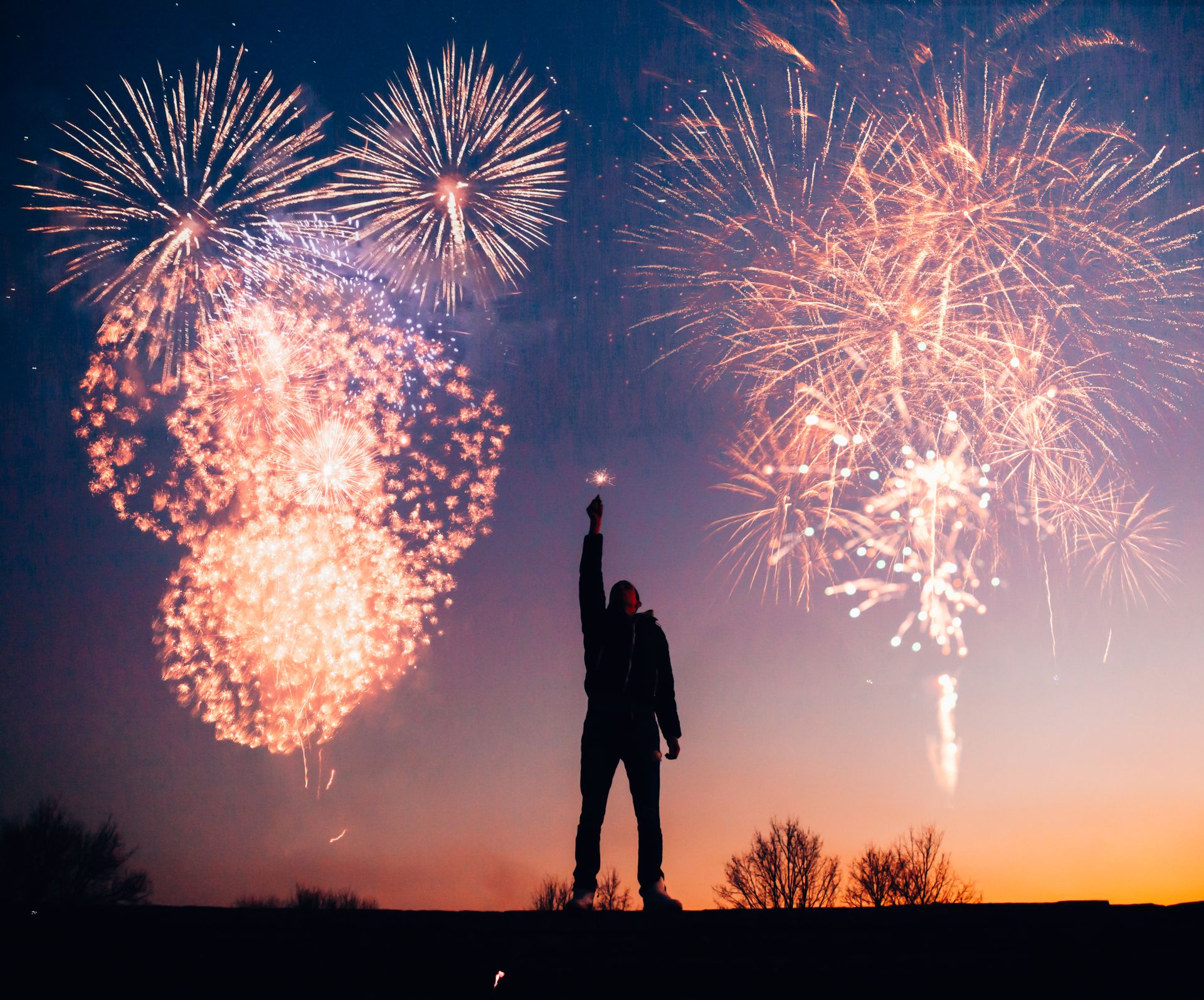
Hari Raya Aidilfitri (Eid al-Fitr)
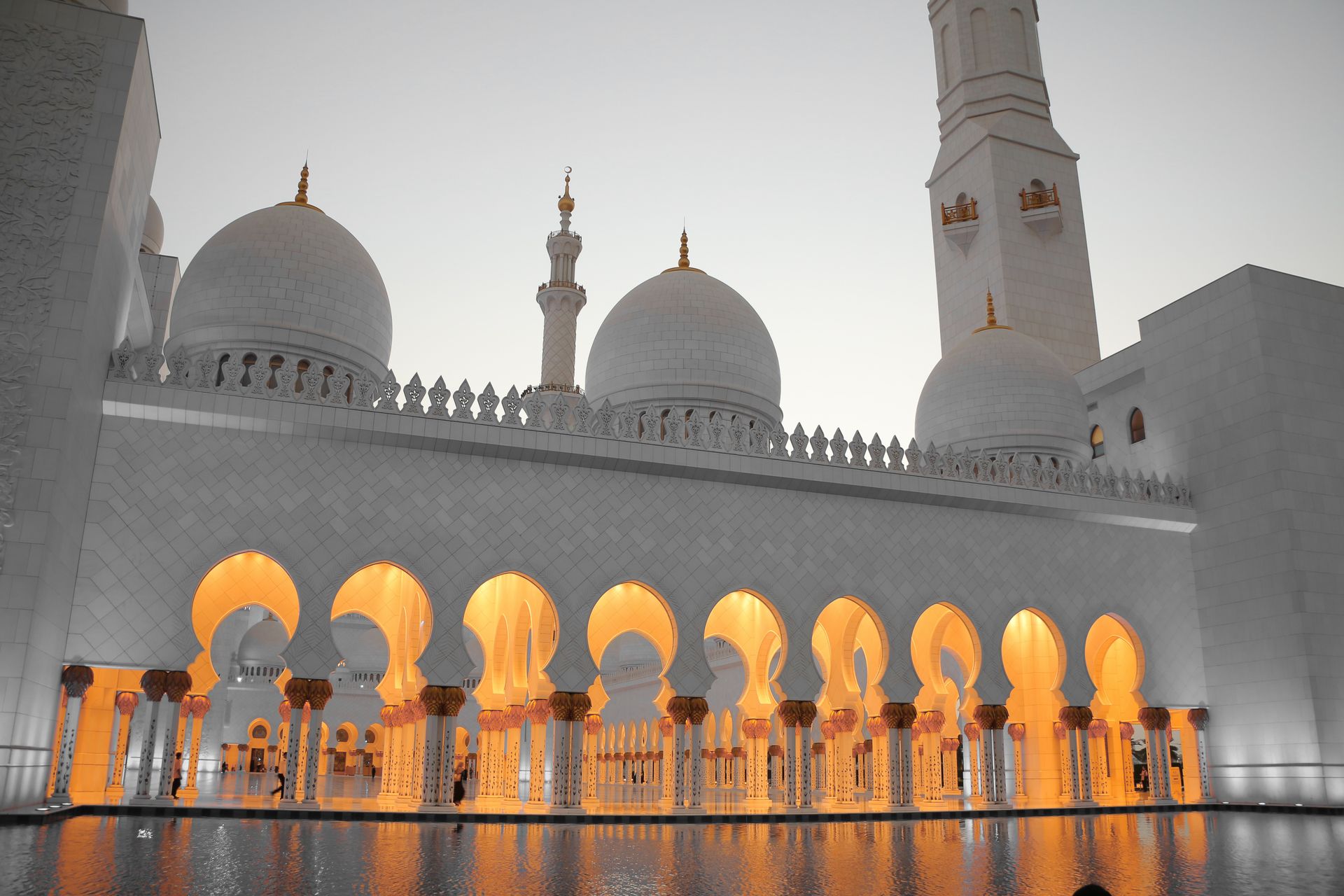
Renewal after Ramadan
Celebrated at the end of the holy month of Ramadan, Hari Raya Aidilfitri is the most important moment for the Malay Muslim community. In 2026, this festival will see the cities empty out in favour of the countryside during the massive "Balik Kampung" phenomenon (the return to one's home village).
-
Rumah Terbuka (Open House): Families open their doors to everyone, regardless of religion, to share delicious dishes.
-
Food: This is the time to taste Rendang, Ketupat and traditional pastries. See our guide to Malaysian cuisine to learn more.
-
Forgiveness: Malays traditionally ask their elders for forgiveness with the phrase "Maaf Zahir dan Batin".
Chinese New Year: Red and Gold
The Lion and Dragon Dance
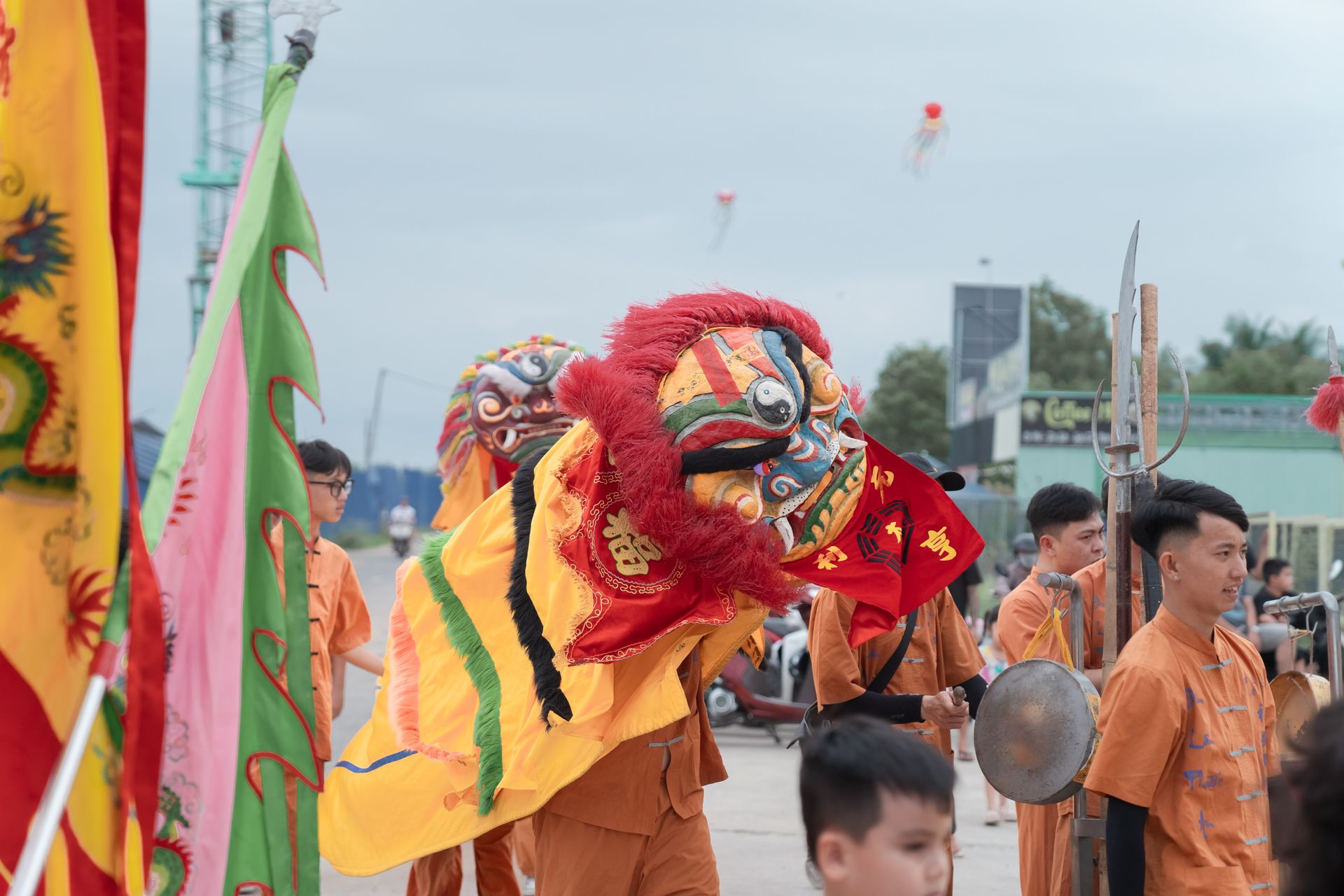
All over the country, and especially in Kuala Lumpur and Penang, the clash of cymbals and drums heralds the lion dances. These performances aim to drive away evil spirits and bring prosperity and luck for the year ahead.
Yee Sang
The "prosperity salad" tossed into the air by all the guests. The higher you toss, the greater the luck!
Chap Goh Mei
The 15th day marks the end of the festivities. It is the Chinese Valentine's Day, when young women throw mandarin oranges into the water.
Red Envelopes (Ang Pow)
Sharing wealth: elders and married couples give red envelopes containing money to children and unmarried adults.
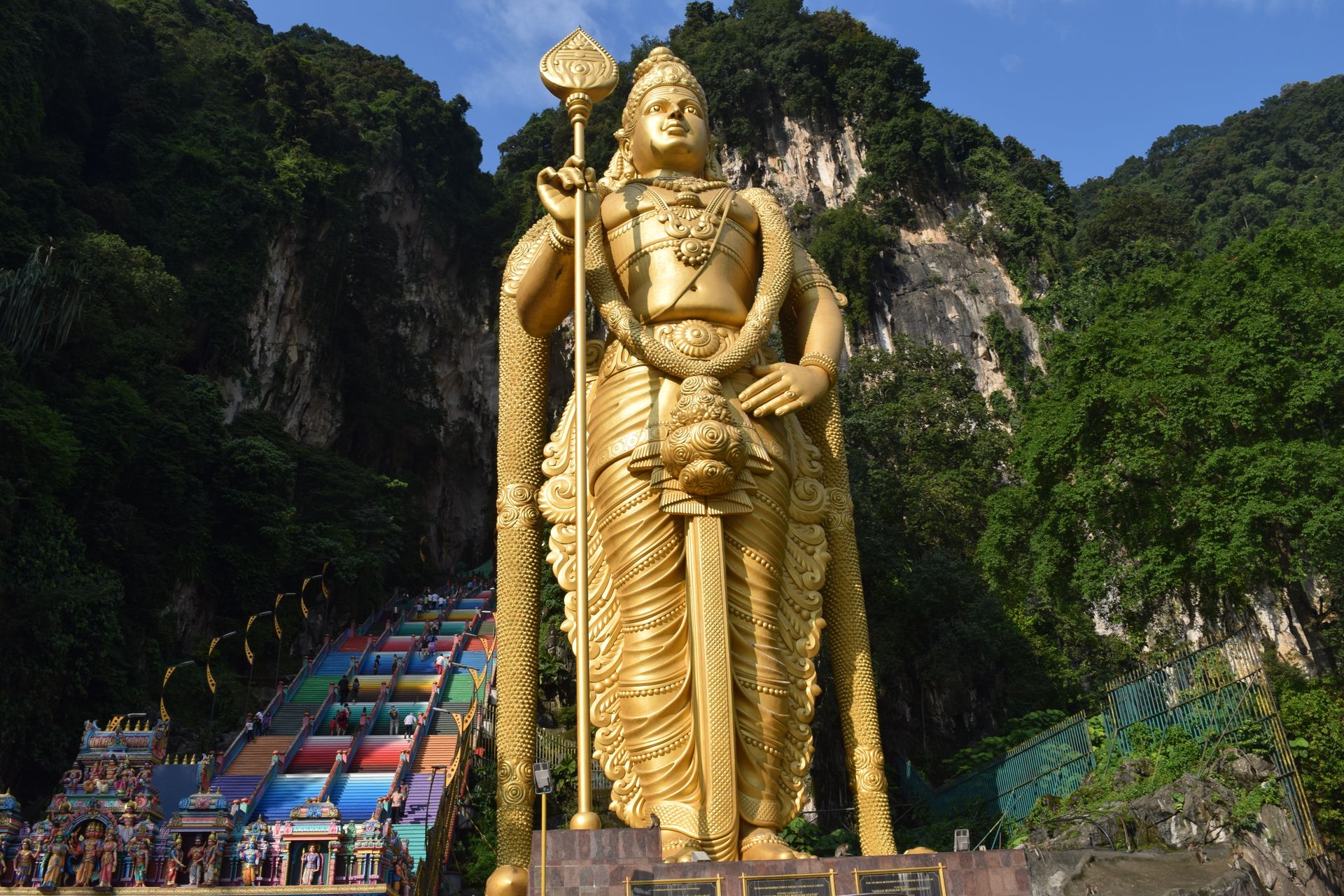
Thaipusam: Fervour and Penance
Thaipusam is arguably the most visually striking festival in Malaysia. Dedicated to Lord Murugan, it draws more than a million devotees to the Batu Caves. The spiritual intensity is palpable.
"Watching thousands of pilgrims climb the 272 colourful steps carrying Kavadis (steel altars fixed to the body) is an experience that stays with you for life."
Vels
Some devotees pierce their cheeks or tongue with silver rods symbolising Murugan's spear.
Key location
Batu Caves (Selangor) is the global centre, but Penang also hosts superb processions.
2026 Cultural Impact Simulator
Select a festival to discover its impact on your travel and daily life.
Hari Raya Aidilfitri
The impact is at its peak. The capital empties out, but the highways heading north and south are gridlocked. Book your bus/train tickets 2 months in advance.
💡 Expat tip:
"Dress in a Baju Melayu if you are invited to an Open House!"
Deepavali
Celebrating the victory of good over evil and of light over darkness, Deepavali sees Indian homes light up with oil lamps. Shopping mall floors are decorated with magnificent Kolams (colourful designs made with rice flour or dyed rice).
To make the most of it, head to Brickfields (Little India) in KL for the atmosphere and the vegetarian food specialities.
Wesak Day
Wesak commemorates the birth, enlightenment and passing of the Buddha. It is a day of reflection, prayer and generosity. Devotees gather at dawn in temples such as the Thai Buddhist Temple in Petaling Jaya or Kek Lok Si in Penang.
The major symbolic act is the "bathing of the Buddha" and the release of birds, symbolising compassion towards all living beings.
The Treasures of Borneo: Gawai and Ka’amatan
Far from the bustle of the peninsula, the states of Sabah and Sarawak celebrate the land and their indigenous roots.
Pesta Ka’amatan (Sabah)
The harvest festival of the Kadazan-Dusun people. It is a tribute to the spirit of the rice (Bambaazon). On the programme: the Unduk Ngadau beauty pageant, Sumazau dances and tasting of Lihing (local rice wine).
Explore SabahGawai Dayak (Sarawak)
Celebrated by the Iban, the Bidayuh and other ethnic groups. The festivities often take place in the Longhouses. Sharing Tuak (rice liquor) and warrior dances are the pillars of this vibrant festival.
Explore SarawakNational Unity: Merdeka & Malaysia Day
31 AUGUST
Hari Merdeka
Commemorates independence in 1957. The streets are adorned with the Jalur Gemilang flag. Don't miss the national parade at Independence Square (Dataran Merdeka).
16 SEPT
Malaysia Day
Celebrates the formation of the Malaysian federation in 1963, uniting Peninsular Malaysia, Sabah and Sarawak. It is a day focused on multi-ethnic unity.
Cultural & Seasonal Festivals
Mid-Autumn Festival (Mooncake Festival)
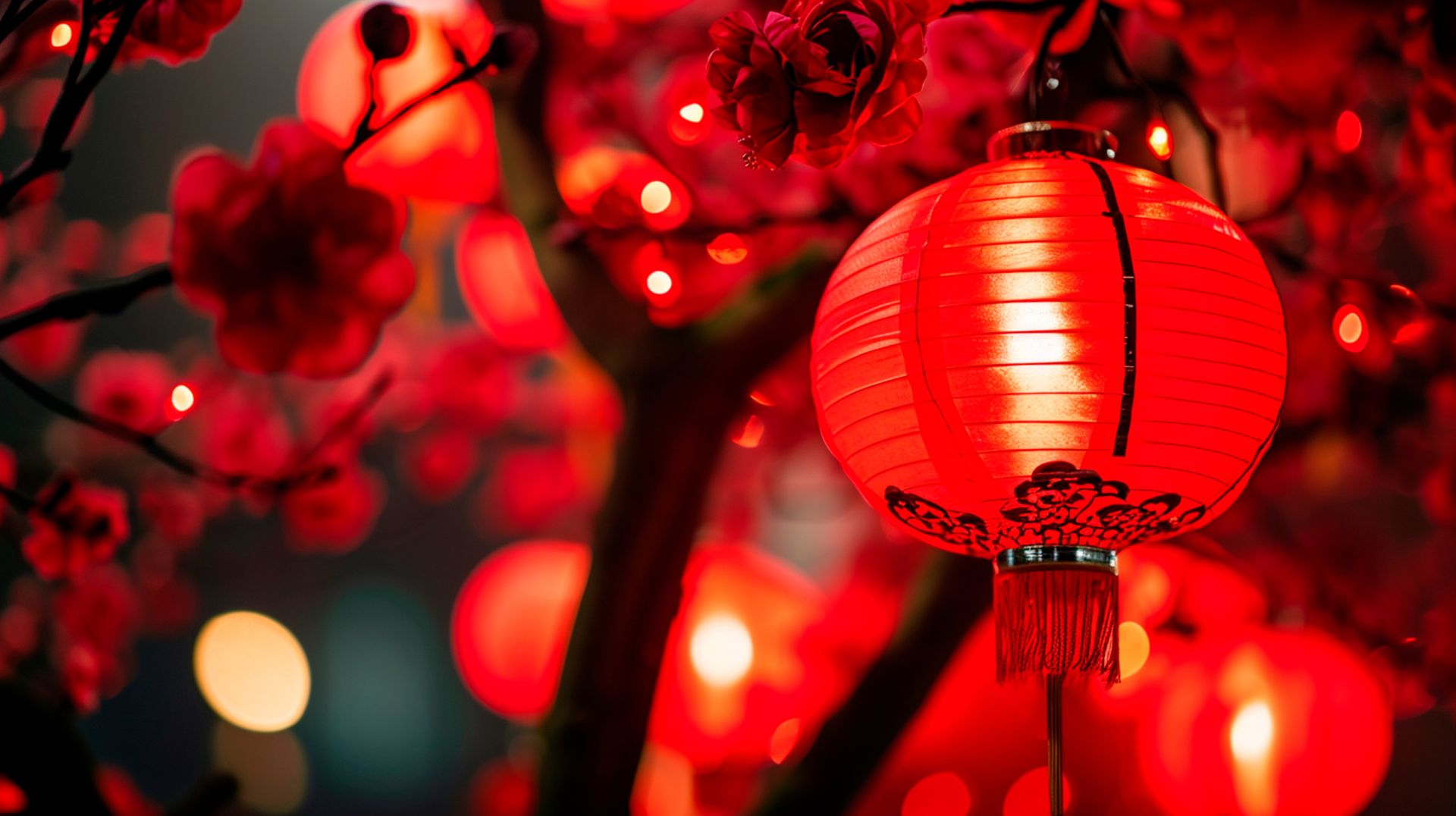
September/October. Sample a variety of mooncakes (lotus paste, durian, red bean) and admire the colourful lanterns in the Chinese neighbourhoods.
Dragon Boat
Spectacular races on the water, particularly in Penang and Putrajaya.
Hungry Ghost Festival
The month of August. Street theatre shows to appease the spirits.
Christmas in Malaysia
Celebrated by the Christian community (and adored by retailers). The shopping malls compete with extravagant winter decorations under 32°C!
Discover all our tips for your days out
See leisure activitiesPractical Tips for Expats
Time management
Government offices often close for 2 to 3 days during the major festivals. Plan your administrative procedures outside these periods.
Transport & Booking
Flight prices to Borneo or Penang triple during Chinese New Year. Use apps like Grab for your local journeys, as taxis are scarce.
Etiquette & Dress
When visiting temples or mosques during the festivals, cover your shoulders and knees. Check our dress code guide to avoid any faux pas.
Frequently Asked Questions
Which public holidays are the most disruptive for banks?
Hari Raya Aidilfitri and Chinese New Year are the most disruptive, with nationwide closures of 2 consecutive days. Plan your banking transactions ahead of time.
Is it rude not to bring a gift to an "Open House"?
It is not mandatory, but very much appreciated. Chocolates or fruit are safe choices. Avoid alcohol or non-halal products when visiting Malay Muslims.
Can you attend Thaipusam as a tourist?
Absolutely! It is a public event. Just be respectful, don't get in the way of pilgrims for your photos and wear decent clothing.
Do restaurants stay open during Ramadan?
In the big cities, most non-Muslim restaurants stay open. Malay establishments usually open in the late afternoon for Iftar.
What is the best time to see the lanterns?
Chinese New Year (February) and the Mid-Autumn Festival (September/October). The Thean Hou Temple in KL is magnificent during these periods.
How are the dates of religious festivals determined?
They follow lunar calendars (Hijri, Chinese, Hindu), which means the dates change every year in our Gregorian calendar.
Are there fireworks for Merdeka?
Yes, massive firework displays take place at KLCC and Dataran Merdeka on the evening of 30 August.
What is the "Replacement Day"?
If a public holiday falls on a Sunday, the following Monday is usually declared a holiday in compensation.
Do shops hold sales for the festivals?
Yes! The "Malaysia Mega Sales" often take place around Merdeka and Chinese New Year. It is ideal for daily life.
Where can I find the official 2026 calendar?
Check our local news page regularly for government updates.
Ready to experience these unique moments?
Join our community to share your first festive experiences in Malaysia.