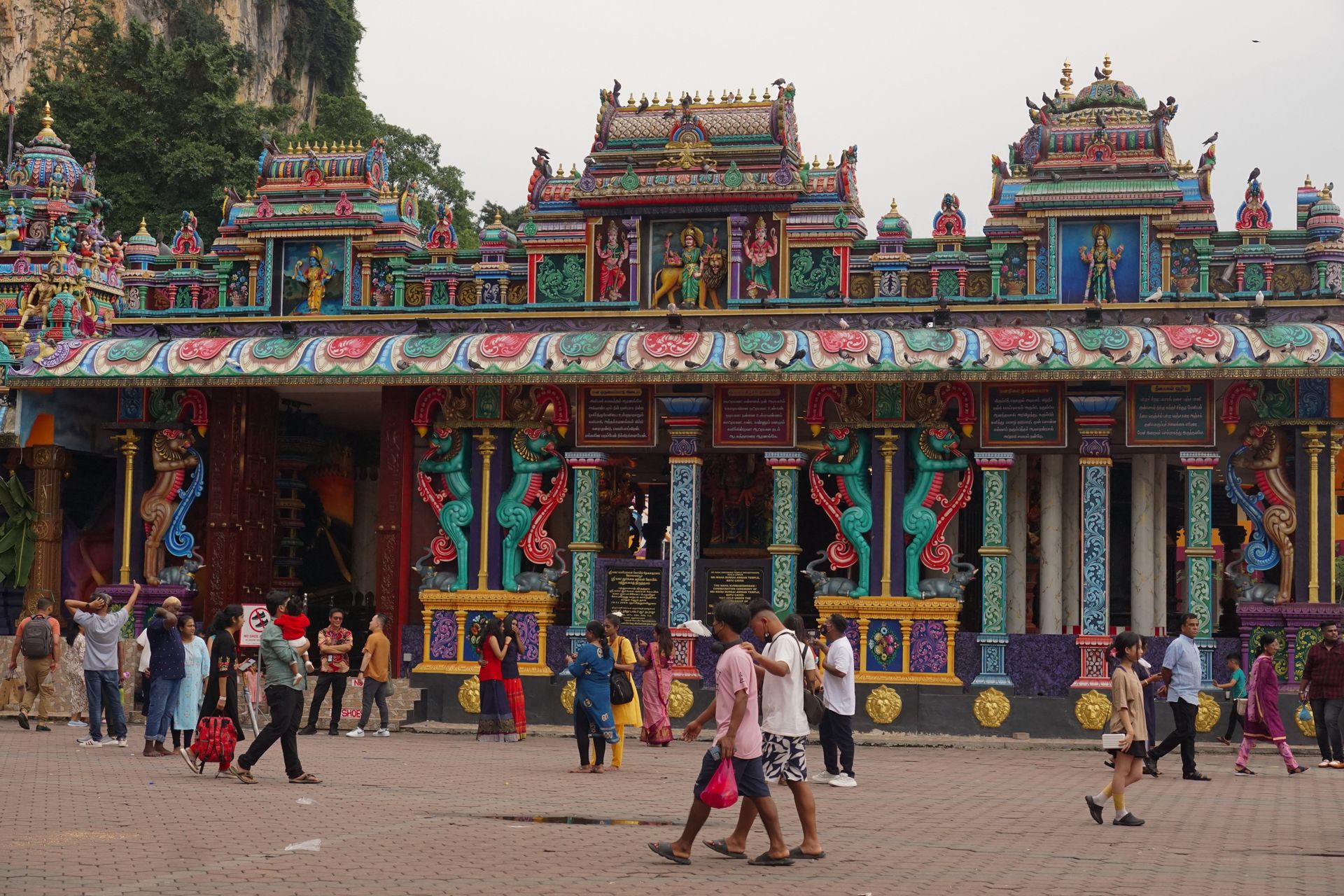
The Art of Dressing in Malaysia
In 2026, Malaysia remains a crossroads of tradition and modernity. Discover how to balance timeless elegance, respect for religious customs and tropical comfort.
A Visual and Spiritual Immersion
Arriving in Malaysia means embracing a one-of-a-kind sensory journey. From the futuristic skyscrapers of Kuala Lumpur, crowned by the majestic Petronas Towers, to the stilt villages of Borneo, every landscape sets its own rhythm and its own code. In 2026, expats and travellers no longer simply visit; they immerse themselves.
That immersion inevitably runs through appearance. Malaysia is a multi-faith nation where Islam, Buddhism and Hinduism coexist in harmony. What you wear is the first signal of respect you send to your hosts. Understanding the rules of good conduct starts with the choices you make each morning when you get dressed.
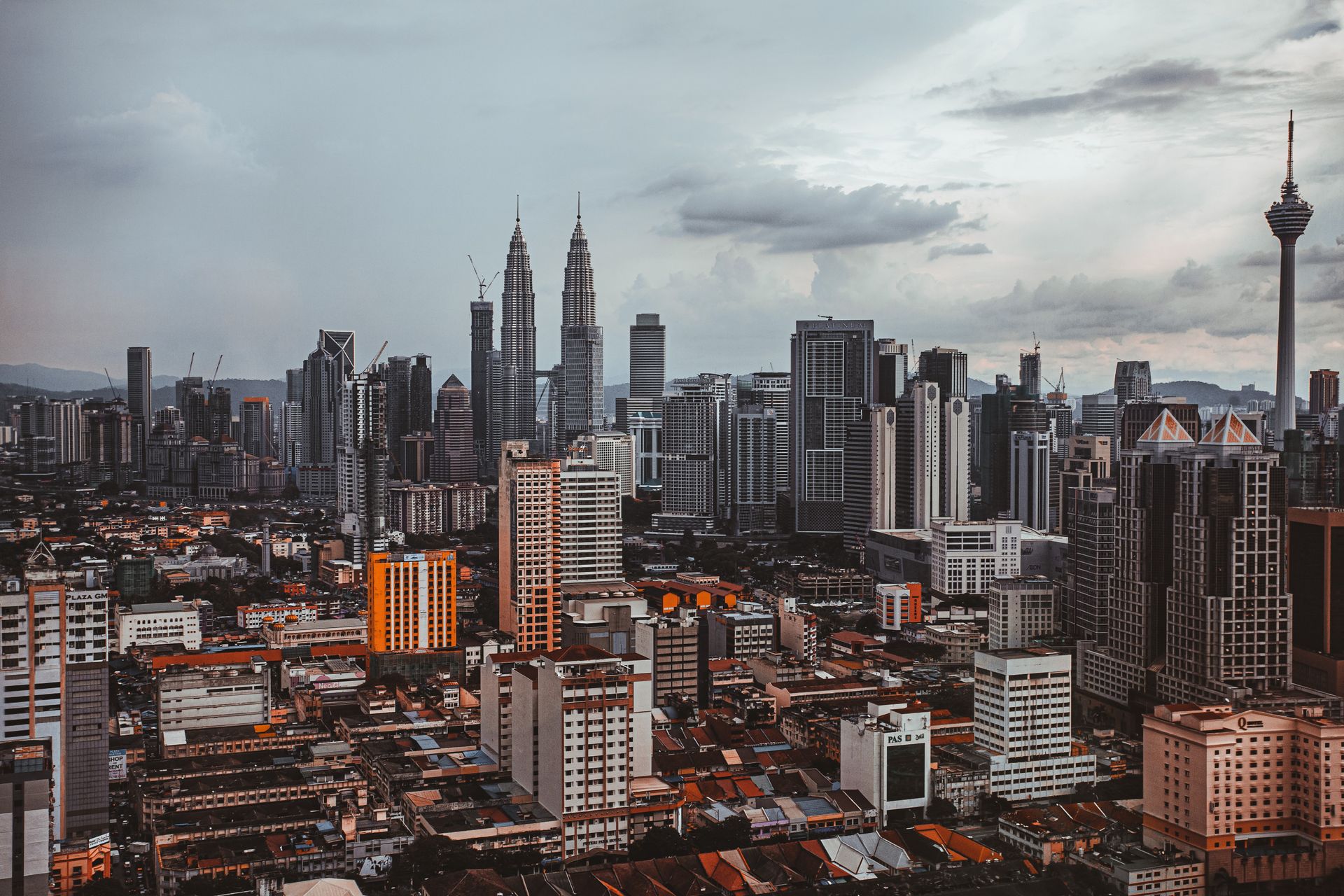
Visiting Places of Worship: An Etiquette Guide
🕌 Inside Mosques
As Islam is the state religion, mosques enforce the strictest rules. For women, wearing the tudung (headscarf) is mandatory inside, and the body must be covered down to the ankles and wrists. Men should avoid shorts and opt for long trousers.
Tip: most large mosques lend out robes and headscarves at the entrance.
🩴 The Golden Rule
No Shoes
Whether it is a mosque, a Hindu temple or a Malaysian home, always take off your shoes at the entrance. It is the ultimate sign of respect.
🕉️ Hindu Temples
Avoid leather (bags, belts) where possible. Shoulders and knees must be covered without exception. Wearing a sarong is often recommended.
☸️ Buddhist Temples
The rule is much the same: discretion and modesty. Never point the soles of your feet towards a statue of Buddha or another person.
📅 In 2026
Always check the local news to learn the prayer times and avoid disrupting important ceremonies.
Textile Heritage: Between Identity and Ceremony
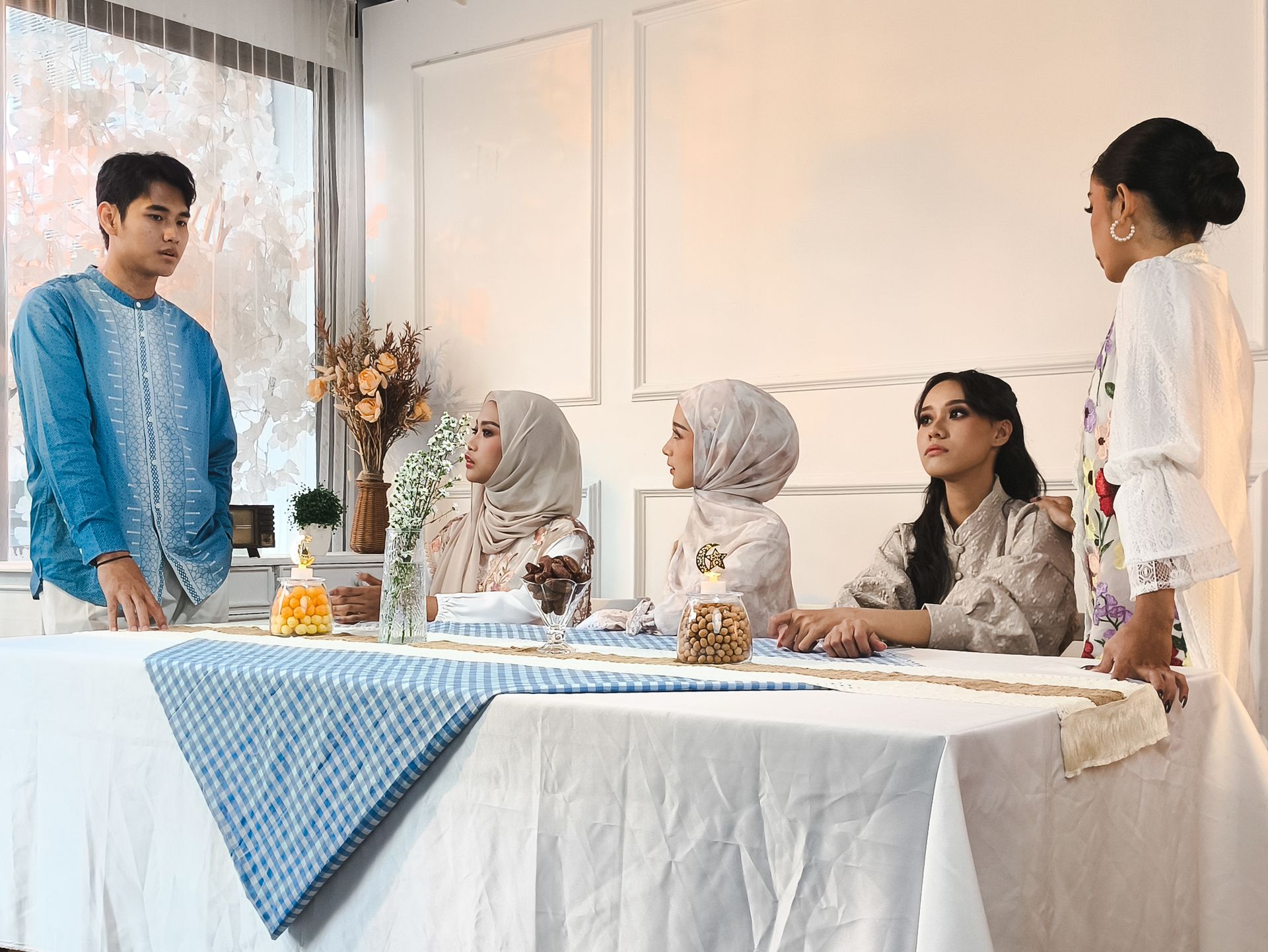
Malay Elegance
The Baju Melayu (Men)
Worn at religious festivals and weddings, this outfit features a long-sleeved tunic, matching trousers and the sampin, a length of songket fabric wrapped around the waist. The songkok (black cap) often completes this distinguished look.
The Baju Kurung & Baju Kebaya (Women)
The Baju Kurung is the national dress: a long skirt paired with a loose-fitting tunic. The Baju Kebaya, more fitted and often embroidered, reflects Peranakan influence. In 2026, these outfits are being modernised with breathable fabrics suited to a changing climate.
The Chinese Influence
The Cheongsam (or Qipao) is emblematic of the Chinese-Malaysian community. Worn mainly during Chinese New Year, it now comes in more casual versions for everyday wear. The Samfu, which is more practical, remains a favourite among older generations.

The Indian Influence
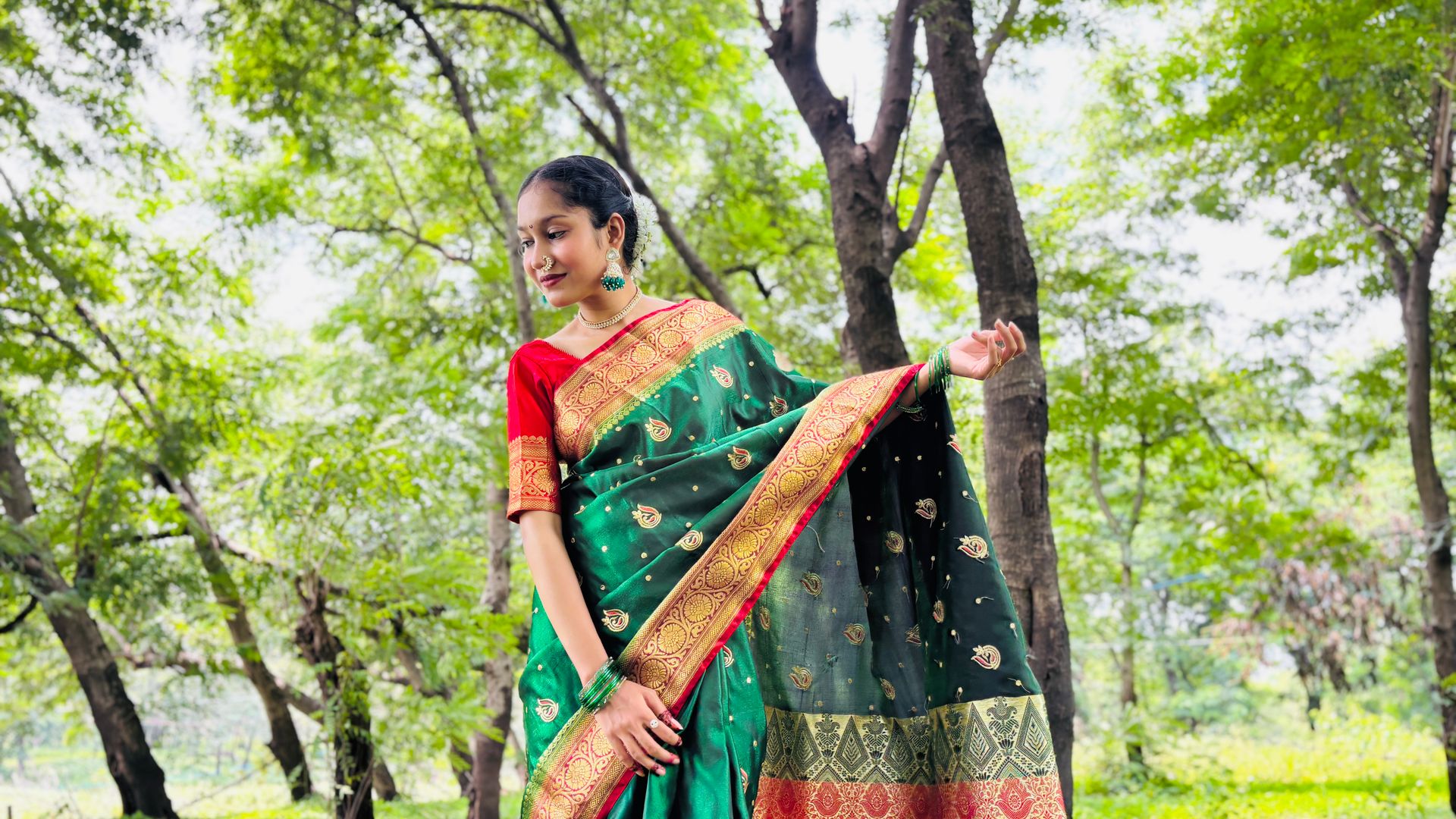
The Sari, between 5 and 9 metres long, is a burst of colour on the streets of Little India. For men, the Dhoti or the Kurta are the go-to outfits during festivals such as Deepavali. These garments are made from high-quality silks and cottons.
Ideal Outfit Selector
Plan your day and find out which outfit is the most appropriate for respecting local customs.
Tropical Survival Tips
The Malaysian climate is hot and humid all year round. Your clothes need to work with you, not against you.
- ✔ Fabrics: Favour linen, lightweight cotton and technical moisture-wicking materials.
- ✔ Cuts: Loose-fitting clothing allows better airflow.
- ✔ Protection: A hat and sunglasses are essentials.
For Women 👗
In the city, steer clear of plunging necklines and very short shorts. Opt for midi dresses, wide-leg linen trousers or long skirts. On the paradise islands, a two-piece swimsuit is fine on tourist beaches, but always pack a sarong to wear once you are out of the water. For evenings, an elegant yet understated outfit is the way to go.
For Men 👕
Shorts are perfect for sightseeing, but lightweight trousers are a better choice for dinners or business meetings. In Malaysian professional settings, a long-sleeved shirt (sometimes in batik) worn without a tie is widely accepted, combining formality with thermal comfort.
Footwear 👟
Comfortable sandals are ideal for exploring cities, as they slip off easily. For jungle hiking, however, trail shoes with good grip are vital. Watch out for mosquitoes in the evening: wear closed shoes and socks if you are in a rural area.
The Ultimate Accessory 🧣
The selendang (light scarf) is your best friend. It shields you from the freezing air conditioning in shopping malls, doubles as an improvised head covering for entering a mosque, or works as sun protection. In 2026, it is also a sought-after fashion accessory.
What to Avoid: Do Not Make These Mistakes
The Colour Yellow (Sometimes)
Historically, bright yellow is the colour of Malaysian royalty. While it is tolerated today, avoid it at official receptions unless you are an invited dignitary.
Overly Revealing Clothing in Rural Areas
In the Kampungs (traditional villages), revealing clothing can be seen as a deep mark of disrespect towards the local community.
Counterfeit Luxury Goods
If you buy clothes at markets such as Petaling Street, be aware of the poor quality. In 2026, customs authorities are stricter about carrying counterfeit goods into Europe.
Managing Your Wardrobe on the Ground
The tropical climate is tough on delicate fabrics. Use the local laundry services, which are affordable and efficient. That said, be careful with expensive silk garments; local washing methods can be rough. For quality purchases, head to modern shopping malls or to local designer boutiques in Bangsar.
Read our guide to shopping and daily life →Frequently Asked Questions About Clothing
Can I wear shorts in Kuala Lumpur?
Yes. In most modern neighbourhoods, shopping malls and parks, shorts are perfectly acceptable for both men and women.
Do I need to cover my hair in the street?
No, absolutely not. Malaysia is a tolerant country. Only Muslim women wear the veil, as a personal religious choice. As a foreign visitor, you are not expected to, except when entering a mosque.
What kind of shoes should I wear for Batu Caves?
Bring comfortable trainers. There are 272 colourful steps to climb and the monkeys can be unpredictable. Avoid flip-flops, which slip.
Is it rude to wear sunglasses while talking to someone?
Yes. It is best to take them off during a formal conversation or a first meeting, to show your sincerity and make eye contact.
Do children have to follow the same dress codes?
Children enjoy a great deal of flexibility. For teenagers, however, it is advisable to start adopting modest clothing in places of worship.
Where can I buy a beautiful, authentic Batik?
Head to the Central Market in KL or to state craft centres (Kraftangan Malaysia) to be sure of authentic, handmade work.
Is a one-piece swimsuit compulsory?
No. Bikinis are common in tourist areas (Langkawi, the Perhentian Islands). That said, modesty is still appreciated on public beaches frequented by local families.
What should I wear to a Malaysian wedding?
If you are invited to a "Kenduri" (wedding feast), wear bright colours! A Baju Kurung for women or a Batik shirt for men will be very much appreciated by your hosts.
Is the air conditioning really that strong?
Yes, it is often a real shock to the system. Always carry a light jacket or a pashmina for cinemas, buses and shopping malls.
What is Songket fabric?
It is a precious fabric woven by hand with gold or silver threads. It is very stiff and is worn only on major occasions such as national celebrations.
Ready for Your Malaysian Adventure?
Clothing is only the start of settling in. Join our community to share your tips and ask your questions.