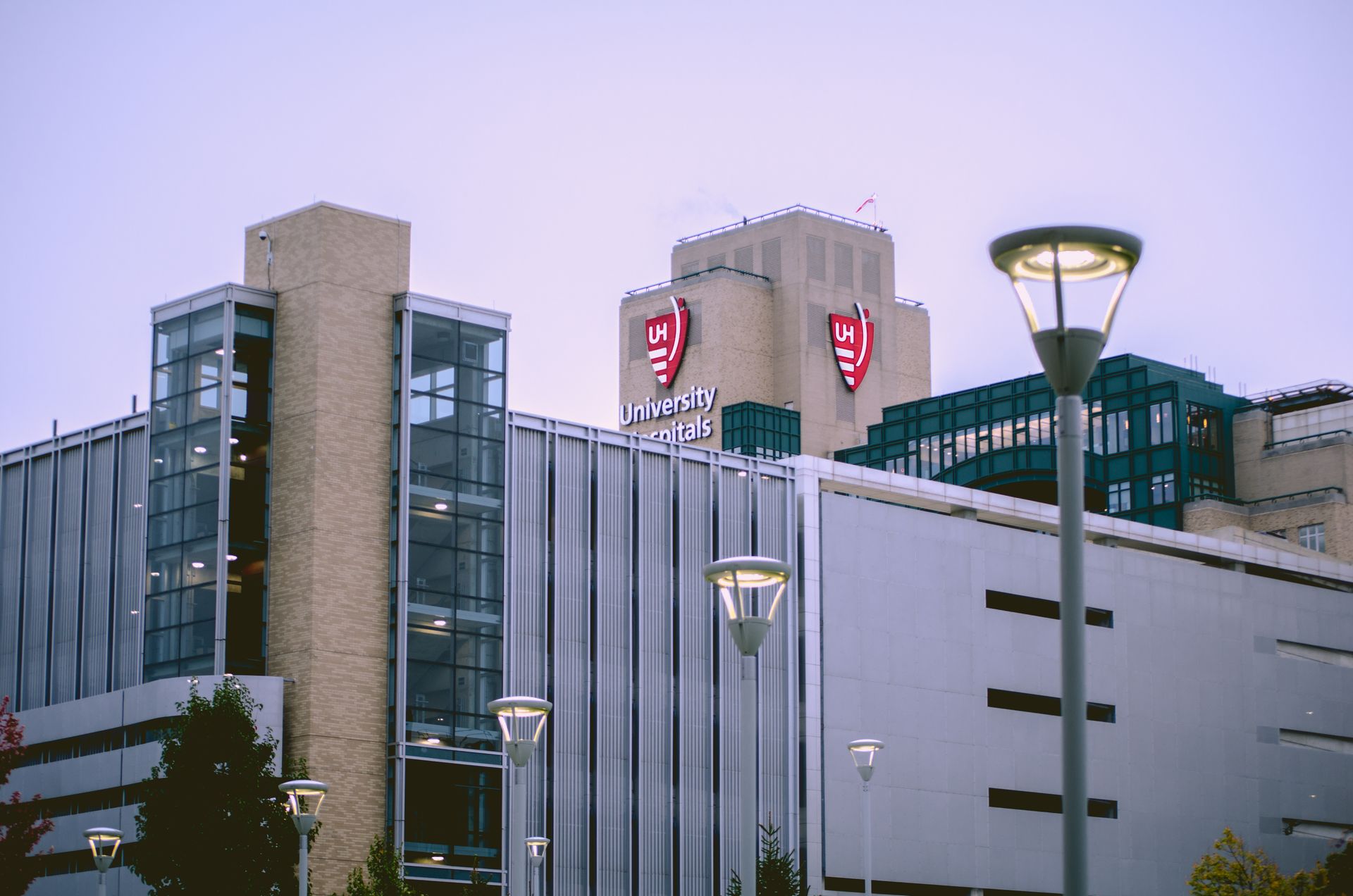

Modern hospital in Malaysia

The Healthcare System in Malaysia:
Excellence and Accessibility

In 2026, Malaysia stands out as one of the world's leading healthcare destinations in Southeast Asia. Discover how to navigate the public and private sectors for a worry-free move abroad.

A system recognised by international organisations

MHTC
JCI Accredited
WHO Standards
MSQH

Why is Malaysia a top-tier healthcare destination?

A High-Performing Dual System

The Malaysian healthcare system is built on a unique two-tier model: a public sector heavily subsidised by the government and an ultra-modern private sector. This complementary structure ensures that, whether you are a local citizen or an expat, you will always find a solution suited to your needs and your budget. In 2026, Malaysia continues to modernise its infrastructure, with growing digitalisation of medical records.

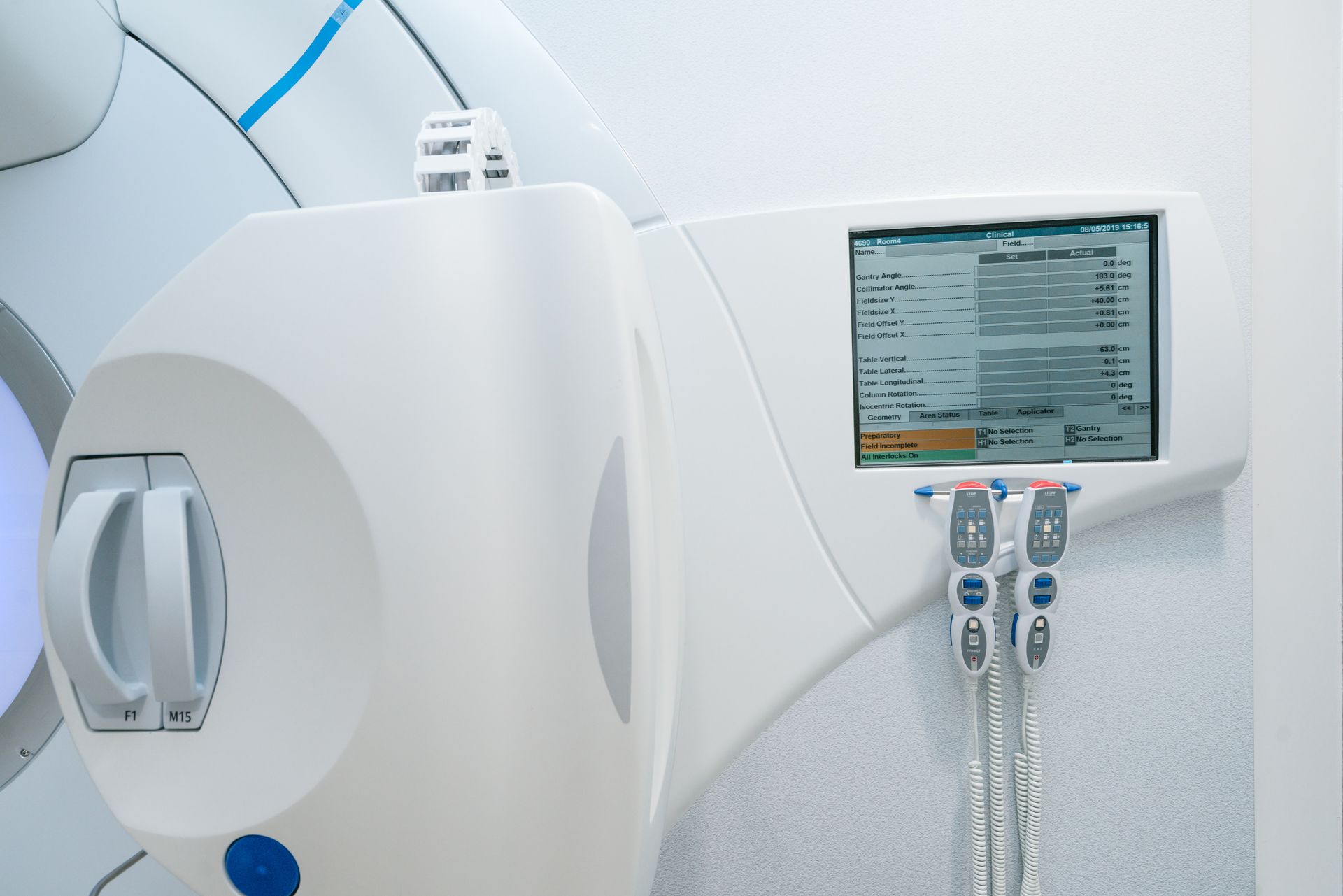
Medical technology

Medical Tourism

Ranked among the world's best destinations for medical tourism, Malaysia welcomes millions of foreign patients every year who come seeking cutting-edge care at prices 60% to 80% lower than in Europe or the United States.

Top 5

Worldwide for Value for Money

The Language Barrier

Almost all doctors and nursing staff speak fluent English, having often trained in the United Kingdom, Australia or the United States. For French speakers, specific options are also available.

Find a French-speaking doctor →

Universal Access

Access to healthcare is regarded as a fundamental right. While expats do not enjoy the same subsidised rates as nationals, the cost remains extremely competitive by Western standards. To properly prepare your move abroad, understanding this structure is essential.

Smiling doctor

The Public Sector: An Affordable Safety Net

Run by the Ministry of Health (MOH), Malaysia's public sector is known for its extensive network, ranging from community clinics (Klinik Kesihatan) to major general hospitals such as Kuala Lumpur Hospital (HKL).

  • Pricing: Very low for basic consultations (around 50-100 MYR for foreigners).
  • Quality: Highly qualified doctors and rigorous care protocols.
  • ! Drawbacks: Often long waiting times, sometimes older facilities and overstretched staff.

Expats can use it, but they pay the "foreigner rate", which is still far more affordable than a private consultation in the West without insurance. To learn more about the financial side, see our guide to the cost of living.

The Private Sector: Premium Comfort

For most expats, the private sector is the obvious choice. Groups such as Gleneagles, Pantai and Prince Court offer service worthy of a five-star hotel, combined with state-of-the-art medical technology.

  • Speed: Specialist consultations are often available the same day, with no referral needed.
  • Equipment: Latest-generation MRI scanners, robotic surgery and ultra-modern intensive care units.
  • i Insurance: Medical coverage is essential here to avoid hefty bills in the event of hospitalisation.

It is crucial to check the essential insurance policies for expats to ensure the facility bills your insurer directly.

Malaysia Healthcare Budget Calculator (2026 Estimates)

Estimated total cost

--- MYR
--- €

Note: These prices include average fees, administrative charges and basic medication.

Specialist Care and Everyday Practicalities

Maternity and Gynaecology

Giving birth in Malaysia is a very positive experience for many. In the private sector, you benefit from luxurious private rooms. Costs range between 8,000 and 15,000 MYR for a vaginal delivery, and can climb to 25,000 MYR for a complex caesarean. For families, this is a key consideration when moving abroad with your family.

Dental Care and Optometry

The standard of dentists is exceptional. A scale and polish costs around 150-250 MYR in the private sector. For optometry, you will find shops throughout shopping malls offering free eye tests and brand-name glasses at reduced prices.

Regional Disparities

While Kuala Lumpur and Penang (discover life in Penang) are perfectly equipped, rural areas of Sabah or Sarawak may have more limited facilities. In the event of a serious emergency in these regions, evacuation to a major city is often necessary.

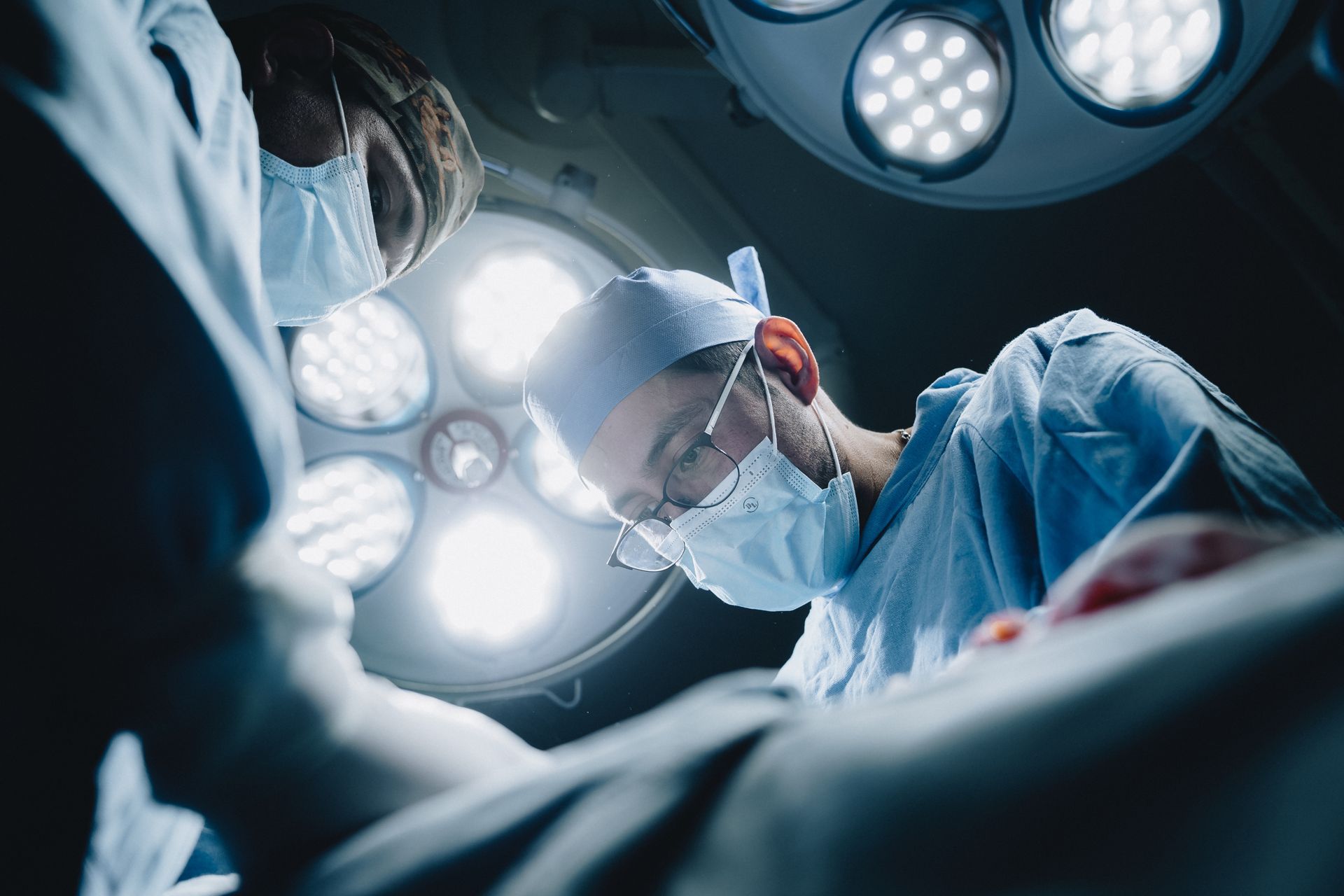
Operating theatre
"I had my appendix removed at Prince Court (Kuala Lumpur). I was seen within 30 minutes, the surgeon was outstanding and spoke perfect English, and the room felt like a hotel. My insurance covered everything."

— Marie-Laure, expat since 2024

Emergencies and Legal Matters

What you need to know when every second counts.

999

The Single Emergency Number

This is the national emergency number for police, fire services and public ambulances. Note that for a faster private ambulance to a specific hospital, it is better to call the private hospital's emergency line directly.

List of emergency contacts
⚖️

Abortion Legislation

In Malaysia, abortion is legal only if the mother's life is at risk (physical or mental health). It is a sensitive subject that requires an understanding of local laws to avoid any legal trouble.

🌿

Traditional Medicine

Malaysia officially recognises traditional Chinese medicine (TCM), Ayurvedic care and Malay practices (Jamu). Many modern hospitals incorporate alternative medicine departments.

Public vs Private: Head to Head

A summary to help you choose based on your situation in 2026

Criteria Public Sector (MOH) Private Sector (International)
Consultation cost Low (~80-150 MYR for foreigners) Medium/High (~250-500 MYR)
Waiting time Long (2-6 hours) Very short (15-45 minutes)
Choice of doctor Limited (subject to availability) Full (choose by specialty)
Language (English) Very good level Native/Expert level
Hospital comfort Basic (shared wards) High-end (private rooms)

Health Frequently Asked Questions

Do I have to take out private insurance?

Legally, no. In practice, yes. A simple hospital stay for a severe infection in the private sector can cost several thousand euros. Without insurance, some private hospitals may require a substantial deposit (cash or card) before admission.

Are medicines reimbursed?

There is no French-style social security system. Medicines are paid for at the pharmacy or hospital. That said, generic medicines are very affordable in Malaysia.

What about mental health?

It is a rapidly growing field. Many private hospitals now have psychiatry and clinical psychology departments. For more details, read our guide to mental health in Malaysia.

Is tap water safe to drink?

Although it is treated, it is strongly recommended to boil the water or use a purifier (such as the very popular Coway or Cuckoo) to avoid stomach problems. See our health precautions.

How do I get a health record book for my children?

At birth or during your first visit to a private paediatrician, you will be given a local vaccination record book. It is essential for enrolling your child in school.

Can I use my French insurance card for cashless billing?

Generally, no. You will have to pay the costs upfront and claim reimbursement from your CFE or international insurer, unless the hospital has a direct billing agreement with your insurer.

Nature

Your health is your number one priority in Malaysia

Don't leave without suitable coverage. Compare the best expat insurance plans and discover our tips for staying healthy in the tropics.

Related articles