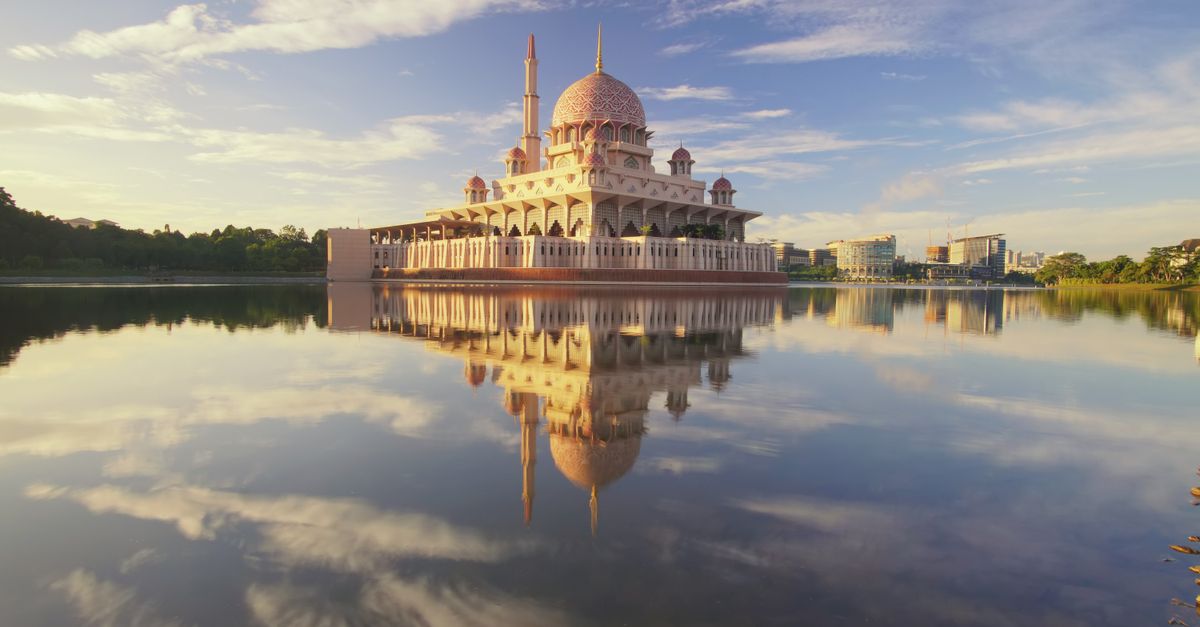
Religions in Malaysia: Islam, Buddhism, Hinduism, and social life
A mosque on a street corner, offerings in a Chinese temple, a Hindu procession, or a lively church on Sundays: religions in Malaysia shape neighbourhoods as much as family habits. For French-speaking travellers and expats, understanding this diversity helps choose visits, anticipate festivals, and avoid awkward moments at the table or in sacred spaces.
Islam holds a special constitutional status, while Buddhism, Christianity, Hinduism, and other traditions have a lasting place in society. This diversity does not mean legal uniformity or the absence of tensions: applicable rules depend on religious affiliation, the state involved, and the area of personal life.
Between Kuala Lumpur, Penang, and the Borneo states, balances shift significantly. A francophone family might experience a highly cosmopolitan environment in the capital, more conservative practices elsewhere, and a visibly Christian landscape in certain regions of Sarawak. The key is to differentiate the law, religious prescriptions, and social conventions rather than applying a rule assumed to be valid everywhere.
Islam in Malaysia: Federation’s Official Religion and Freedom of Worship
What role does the Constitution give to Islam in Malaysia?
Article 3 of the Constitution establishes Islam as the religion of the Federation, while allowing other religions to be practised in peace and harmony. The common phrase ‘official religion of Malaysia’ refers to this provision, but the constitutional wording should be retained to understand its precise status.
This recognition does not make all Muslim prescriptions binding on every resident. The country has a federal legal system, civil courts, and Islamic institutions whose jurisdiction is defined by the Constitution and applicable laws.
In the nine hereditary monarch states, the ruler is the head of Islam in their state. The Yang di-Pertuan Agong fulfils this role in other states and federal territories, per constitutional provisions.
This explains why a rule observed in Kelantan should not automatically apply in Kuala Lumpur. For travellers, differences are most noticeable in social settings; for Muslim residents, they may also have direct legal consequences.
Religious freedom and limits: what the Malaysian framework provides
Article 11 protects the right to profess and practise one’s religion, with limits set by the constitutional framework. It allows for controlling or restricting the propagation of other religious doctrines among Muslims, through state laws or federal legislation in federal territories.
It would therefore be inaccurate to claim that all non-Muslim practices are banned, or to present religious freedom as unrestricted. Temples, churches, and gurdwaras operate openly, but proselytising, certain publications, and changes in religious affiliation can raise sensitive issues.
Coexistence is thus built within an asymmetric framework. It relies on neighbourhood habits and genuine exchanges, without erasing debates around conversions, family rights, or the use of certain religious terms.
Islamic Law, Conversion, and Family Matters
Sharia courts primarily handle matters concerning Muslims, including certain aspects of marriage, divorce, inheritance, and religious offences as defined by local laws. They do not replace civil courts for the entire population.
Leaving Islam may require complex procedures, varying by state, with significant administrative and legal hurdles. Questions about converting children or recognising a change of faith also need individual assessment rather than generic forum advice.
Imagine Claire and Julien, a French couple preparing to settle in: their cultural visits raise different concerns than a mixed marriage involving a Malaysian Muslim spouse. In the latter case, consulting a professional familiar with Malaysia’s mixed-marriage rules becomes a priority, as religious status may affect various aspects of family life.
To delve deeper into a situation, the official portal of the Attorney General’s Chambers on Malaysian laws serves as a key reference. A first overview of Malaysian justice system then helps identify the right contact: administration, civil lawyer, or Islamic law specialist.
Your nationality alone does not determine the applicable rules: faith, location, and the nature of your visit also matter.
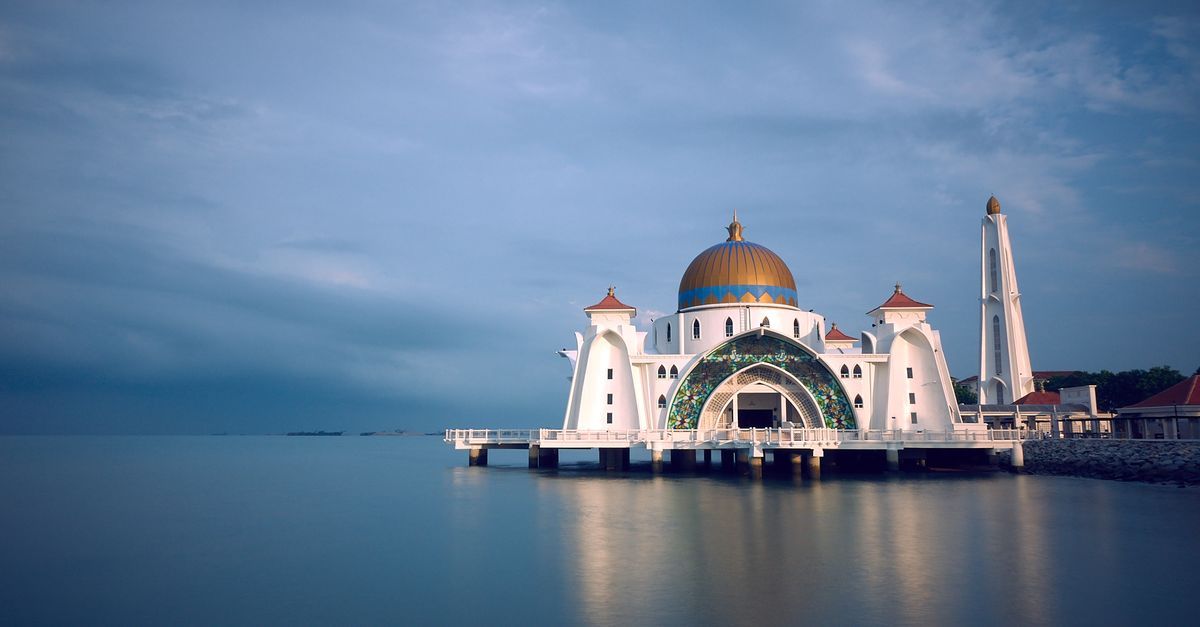
Religions in Malaysia: Malay, Chinese, Indian, and Borneo communities
Religious Demographics: Putting Numbers in Context
The 2020 census provides an official snapshot of Malaysia’s religious composition, showing 63.5% Muslim, 18.7% Buddhist, 9.1% Christian, and 6.1% Hindu; these four categories do not cover all recorded affiliations.
These proportions should be presented as census results, not as a forecast for 2026. To access publications and methodology, consult the Department of Statistics Malaysia, the country’s national statistics agency.
Statistics highlight broad balances but do not capture every neighbourhood. A stay in George Town, a move to Shah Alam, or a trip to the Sarawak interior reveals vastly different realities, even within the same country.
Malay and Chinese: constitutional identity and family traditions
It is important to distinguish « Malaysian », which refers to nationality, and « Malay », which denotes an ethnocultural and constitutional category. Article 160 links the definition of a Malay to professing Islam, speaking Malay habitually, and following Malay customs, along with other conditions outlined in the text.
Not all citizens are Malay, and not all Muslims in the country fall under this category. Indian Muslim communities, indigenous populations, and individuals of other backgrounds also contribute to the national Islamic life.
Among Malaysian Chinese, Buddhism holds significant ground alongside Taoism, folk traditions, ancestor veneration, and Christianity. Some families blend multiple ritual practices without treating them as strictly separate affiliations.
Thean Hou Temple in Kuala Lumpur exemplifies the intertwining of spiritual and community references. Dedicated to a deity linked to the protection of sailors, it is more than just a ‘Buddhist temple’ label sometimes used in tourist itineraries.
Indian communities: Hinduism, but not exclusively
Hinduism is particularly prominent among Tamil-origin populations, whose contemporary history is closely linked to British-era labour migrations. Temples have served as spiritual and communal anchors, both in former plantation areas and in cities.
Indian diversity, however, does not stop at this tradition. It also includes Muslims, Christians, and Sikhs, whose gurdwaras are places of worship, mutual aid, and communal meals.
This distinction has an immediate daily impact: a person’s background does not reveal their dietary habits. Before inviting a colleague, it’s better to ask what they eat rather than assuming they avoid beef, pork, or any meat.
Sabah, Sarawak, and Indigenous Peoples: A Different Geography of Beliefs
In Borneo, the Iban, Bidayuh, Kadazan-Dusun, Melanau, and many other communities each have distinct histories. Christianity is particularly significant in Sarawak and parts of Sabah, while Islam and indigenous traditions also shape the spiritual landscape.
It is unwise to assume a single faith for each of these groups. Belongings may vary between families, villages, and generations, and some ancestral customs persist in households now Christian or Muslim.
In the peninsula, the Orang Asli also practice a variety of traditions, including indigenous customs and diverse religious affiliations. The Petit Futé’s religious overview can complement cultural discovery, provided you distinguish general descriptions from current legal rules.
For Claire and Julien, this diversity changes how they prepare for meetings: asking about a family’s customs is more relevant than assuming them based on a community label.
Religious Festivals in Malaysia: Ramadan, Hari Raya, Deepavali, and Shared Celebrations
Ramadan and Hari Raya: understanding the change in rhythm
During Ramadan, practising Muslims fast from dawn to sunset, subject to religious exemptions. Family schedules, dining, and some workplace adjustments change; late afternoons can get particularly busy around markets and along routes home.
Ramadan bazaars are typically evening markets where people buy items to prepare for breaking the fast. They should not be confused with regular night markets, though activity may extend after dark.
You may encounter dishes like ayam percik, kuih, or refreshing drinks. If you join a buka puasa, wait for the signal from your hosts before starting: sharing this moment means following their pace, not just tasting the food.
Hari Raya Aidilfitri marks the end of this fasting period. Returns to hometowns and villages, often referred to as balik kampung, significantly increase transport demand and may slow intercity travel.
Hari Raya Aidiladha corresponds to another major celebration, distinct from the previous one. To plan a trip or administrative procedure, always check the official calendar rather than booking based solely on the abbreviated term ‘Hari Raya’.
Major festivals and their impact on your stay
| Festival | Cultural or religious landmark | Practical consequence |
|---|---|---|
| Hari Raya Aidilfitri | End of Ramadan for Muslims | Family Departures, Closures, and High Transport Demand |
| Chinese New Year | Family and cultural celebration with varying rituals | Some shops closed for several days and increased movement |
| Deepavali | Festival of Lights, primarily celebrated by Hindus | Family Gatherings, Decorations, and Increased Temple Visits |
| Thaipusam | Hindu festival dedicated to Murugan | Processions, traffic restrictions, and large crowds |
| Christmas | Christian Festival | Services, family gatherings, and commercial activities |
| Wesak | Major Buddhist Celebration | Prayers, charitable activities, and temple ceremonies |
Public holiday status varies by celebration and state. Thaipusam is not a uniform national holiday, while Deepavali is generally not a public holiday in Sarawak; replacement days should also be checked.
Calendars published by the competent division of the Prime Minister’s Department and state administrations help plan your stay. For Islamic holidays, also consider official announcements that determine observed dates.
Chinese New Year, Vesak Day, Deepavali, and Thaipusam: participating without imposing
Chinese New Year is not an exclusively Buddhist celebration. It also brings together Christian, Taoist, and non-practising families around reunion meals, visits to loved ones, and traditions passed down through generations.
Deepavali is associated with light, renewal, and family gatherings, though customs vary between households. Christmas has a liturgical dimension in churches and far greater commercial visibility: the decorations in a shopping mall do not indicate the faith of its visitors.
Thaipusam at Batu Caves or Penang requires special attention. Kavadi carriers and those fulfilling vows are engaged in spiritual commitments: do not block their path and avoid turning their bodily rituals into an impromptu photo opportunity.
Open house invitations encourage intercommunity exchanges, but not all homes are open to the public. Claire and Julien should wait for an invitation or an announcement of an accessible event, then ask what to bring and what rules to follow.
To explore this family dimension further, insights into Malaysian culture and customs complement the calendar usefully. A celebration is prepared as much by logistics as by the attention given to those celebrating it.
Places of worship in Malaysia: visits, appropriate attire, and respectful behaviour
Mosques in Kuala Lumpur and Putrajaya: preparing for entry
The national mosque, Masjid Negara, is a key visit in Kuala Lumpur to understand Islam’s institutional role and admire modern architecture adapted to the tropical climate. In Putrajaya, Putra Mosque offers another setting, lakeside and near government buildings.
Non-Muslim access depends on designated times and areas set by each establishment. An open door does not mean the entire prayer hall is accessible, especially during services or special ceremonies.
Wear loose-fitting clothing covering arms and legs; women usually must cover their hair to access designated areas. Some mosques provide a robe or headscarf, but this service is not guaranteed.
Before travelling, check the guidelines from the venue manager or visit Tourism Malaysia. Opening hours, admission conditions, and any additional service fees may change: advice from a previous guide does not guarantee it will apply to your visit.
Chinese Temples, Hindu Shrines, and Christian Heritage
In Kuala Lumpur, Thean Hou showcases the richness of Chinese traditions, while the Sri Mahamariamman temple reflects Hinduism’s deep roots in the historic centre. Prioritise a leisurely visit: the offering rituals and movements of devotees give meaning to the place.
The Batu Caves in Selangor combine a Murugan shrine with limestone scenery. This site remains an active religious space despite its tourist appeal; choose appropriate attire from the start and check rules for each area.
In Penang, Kek Lok Si provides a vast Buddhist complex, while George Town’s temples offer a closer look at neighbourhood life. Around Ipoh, sanctuaries carved into limestone hills, like Sam Poh Tong, present yet another perspective on heritage.
In Melaka, Christ Church reflects the city’s Protestant history, while the remains of St Paul’s hold mainly historical interest. In Kuching, active cathedrals and parishes offer insight into contemporary Sarawak Christianity beyond colonial narratives.
Rules for sacred spaces
- Pay attention to the instructions at the entrance: footwear, clothing, and photography rules are not the same everywhere.
- Let worshippers pass: do not block an altar, procession, or prayer access.
- Ask before photographing someone: being in an open area does not imply consent.
- Do not touch ritual objects: offerings, statues, and accessories serve specific purposes.
- Keep your voice down: silence your phone and step away to take calls.
- In a gurdwara: cover your head, remove your shoes, and follow instructions for communal meals.
Removing shoes is not necessarily required throughout an entire Chinese temple, whereas it is customary in Muslim and Hindu prayer spaces. This difference underscores the importance of observing signage rather than automatically following the gesture from your last visit.
Shaking hands with someone of the opposite gender is not always appropriate. A smile and verbal greeting are perfectly fine; let your conversation partner initiate physical contact if they wish.
For Claire and Julien, it’s better to spread out discoveries across several half-days rather than rushing from one monument to another. Travel time, heat, and closing hours often make a packed itinerary less enjoyable, especially with children.
The priority of the place remains worship, even when it is among must-see attractions. Accepting limited access or waiting is part of a successful visit.
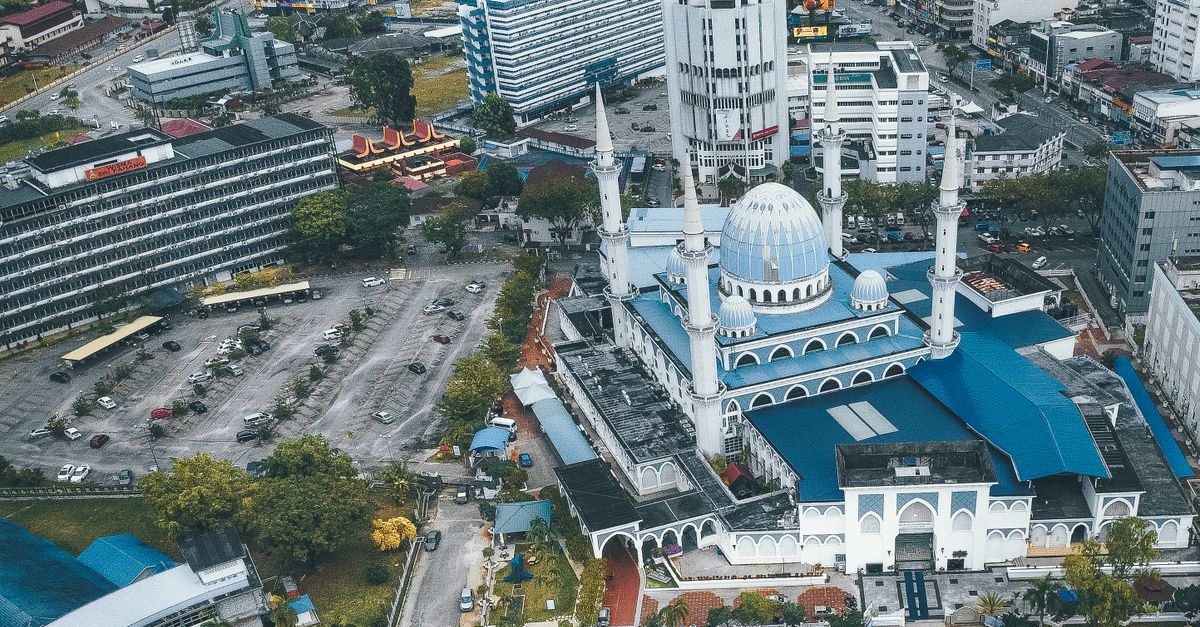
Religion and social life in Malaysia: food, prohibitions, and practical questions
Shared meals and halal food: asking the right questions
Religious diversity becomes very practical when organising a lunch. « No pork » does not mean « halal-certified »: ingredients, meat sourcing, preparation, and other certification criteria also matter.
The official Halal Malaysia portal provides information on recognised certifications. To host Muslim colleagues, choose a certified venue and ask them to confirm the address to avoid awkward assumptions.
Other guests’ needs deserve equal consideration. Some Hindus avoid beef, others follow vegetarian diets, and certain Buddhist practices vary by day or personal commitment.
Claire and Julien can simply ask: « Do you have any dietary restrictions or a restaurant to recommend? » This phrasing allows everyone to specify their needs without having to justify their beliefs; our guide on understanding halal food in Malaysia helps organise these meals.
Work, Neighbourhoods, and Interactions: Adjustments Rather Than Assumptions
On Fridays, allow extra time around midday prayers for meetings with Muslim colleagues. This does not mean businesses close entirely; adjustments depend on the employer, department, and local arrangements.
In a building or neighbourhood, celebrations may bring more visitors, noise, or traffic. Asking neighbours or residence management about event timings usually helps plan without turning a temporary inconvenience into a judgement on a community.
Religious, ethnic, and royal topics are sensitive, even online. A private, respectful conversation is not the same as an offensive post: avoid provocations and generalisations, which may have social or legal consequences.
Cultural discovery benefits from practical questions: what is your family celebrating, should you bring anything, can you attend this ceremony? This approach allows for personal differences rather than asking someone to represent an entire tradition.
Frequently asked questions about religions in Malaysia
What is the official religion of Malaysia?
Islam is the religion of the Federation under Article 3 of the Constitution. Other religions may be practised in peace and harmony, and Article 11 outlines religious freedom. However, there are limits, particularly regarding the propagation of other beliefs among Muslims. Buddhism, Christianity, Hinduism, and Sikhism have active communities and places of worship.
Is the hijab mandatory in Malaysia?
There is no general obligation for all women to wear the hijab in all public spaces in Malaysia. Non-Muslim visitors can move about without covering their hair. However, a headscarf is usually required to enter designated mosque areas. Professional, institutional, or local regulations may also impose specific requirements: check the guidelines of the relevant location rather than assuming a uniform national rule.
Which country has 100% Muslims?
No figure reliably confirms that every resident of a country is Muslim without exception. Some statistics cover only citizens or round proportions. The Maldives are often cited because their Constitution restricts citizenship to Muslims, but this does not mean every resident or visitor shares that faith. Malaysia, however, is explicitly multi-faith in its population.
What are the prohibitions in Malaysia?
You must distinguish between criminal prohibitions, rules applicable to Muslims, and establishment regulations. Drugs are severely penalised; certain sexual conduct, including same-sex relations, remains criminalised. Alcohol and pork are not banned for everyone, but their sale or consumption is regulated, with restrictions applying to Muslims. Non-Muslims are not generally prohibited from eating in public during Ramadan. Mandatory attire in a sanctuary is an access condition, not necessarily a nationwide dress code.
Religious Etiquette Simulator
Select a situation to receive expert advice on the etiquette to follow.
Your simulation results will appear here…
Hinduism in Malaysia: Tamil Heritage, Daily Rituals, and the Role of Major Festivals
Hinduism is the fourth-largest religious tradition in the country and remains closely tied to the history of Indian communities, particularly Tamils. British colonial-era migrations strengthened this presence, especially when workers were settled in rubber plantations and other economic sectors. Today, the largest Hindu communities are found in Selangor and Negeri Sembilan. This geographical distribution explains the visibility of certain temples in urban and peri-urban areas, where families maintain highly regular ritual practices.
For many travellers, the most iconic site remains the Batu Caves on the outskirts of Kuala Lumpur. The location impresses with its grandeur but also reflects that Malaysian Hinduism is not a static tradition. It is expressed through processions, offerings, light celebrations, and purification rituals. During Deepavali, the most well-known Hindu festival in Malaysia, homes are illuminated, families welcome guests, and neighbourhoods with significant Indian populations take on a joyful and orderly atmosphere. Temple visits during this period require even greater attention to attire and appropriate silence.
The Sri Mahamariamman Temple in Kuala Lumpur perfectly illustrates the blend of ritual and urban life. Located in a bustling, busy area, it reminds us that religious practice can thrive amid traffic, markets, and commerce without losing its symbolic power. Visitors often admire the richness of the sculptures, colours, and votive gestures. Entry requires covered shoulders, modest clothing, and, in many cases, removing shoes before entering indoor spaces. This is not just a tourist protocol; it signifies respect for sacred space.
Hindu festivals also shape practical daily schedules. Schools, government offices, and businesses may adjust services during key dates, while families plan travel around processions or visits to relatives. In households, cooking, oil lamps, and decorations take centre stage. For newcomers, recognising this presence means understanding that Hinduism in Malaysia is both a migratory heritage, a memory of labour, and a culture of celebration. A community may be a national minority yet remain vital to a city’s social fabric.
Religions in Malaysia and their influence on social life
Practical comparison for a French-speaking expat: places of worship, festivals, social rhythms, opening hours, and cultural respect tips.
| Religion | Affected population | Typical places of worship | Major Festivals | Impact on schedules | Cultural respect tips |
|---|---|---|---|---|---|
|
1
Islam
Majority religion
|
Predominant among Malays Highly visible in public life, institutions, and social customs. |
Mosques Neighbourhood mosques, large urban mosques, and prayer halls in some public spaces. |
Eid al-Fitr, Eid al-Adha, Ramadan Ramadan significantly alters the daily routine, particularly for meals and outings. |
Prayer breaks, Ramadan schedule Some shops close briefly, and meals may be shifted after sunset. |
|
|
2
Buddhism / Taoism
Chinese communities
|
Widely practised among Sino-Malaysians Strong cultural influence in urban neighbourhoods and family-run businesses. |
Buddhist and Taoist temples Neighbourhood temples, household altars, and shrines dedicated to protective deities. |
Chinese New Year, Vesak Day, Hungry Ghost Festival Times for family gatherings, giving gifts, burning incense, and visiting temples. |
Business hours may change during major celebrations Temporary closures are common in areas with a high Chinese population. |
|
|
3
Hinduism
Indian communities
|
Significant minority among Malaysian Indians Visible in certain neighbourhoods, shops, and family networks. |
Hindu temples Colourful temples, neighbourhood shrines, and household altars in homes. |
Deepavali, Thaipusam, Pongal Festivals marked by processions, offerings, and family gatherings. |
Variable schedule during processions and public holidays Some roads may be congested, and shops may close earlier or for longer. |
|
|
4
Christianity
Community Diversity
|
Minority but present across several ethnic groups Visible in certain urban churches and diverse local communities. |
Churches and chapels Catholic, Protestant, Anglican, and other Christian denominations. |
Christmas, Good Friday, Easter Celebrations involve family gatherings and religious services. |
Moderate impact, especially on public holidays Some establishments may adjust their hours during Christian celebrations. |
|
Quick guide for expats
In Malaysia, social life is strongly shaped by religious diversity. Schedules may change according to holidays, prayer days, or major community celebrations.
Essential Practical Rule
Observing, politely asking, dressing modestly, and avoiding intrusive gestures are the best practices for travelling and working smoothly.
Religious Impact Simulator
Select a period or festival to learn about its social impact and practical recommendations for your daily life.
The analysis will appear here…