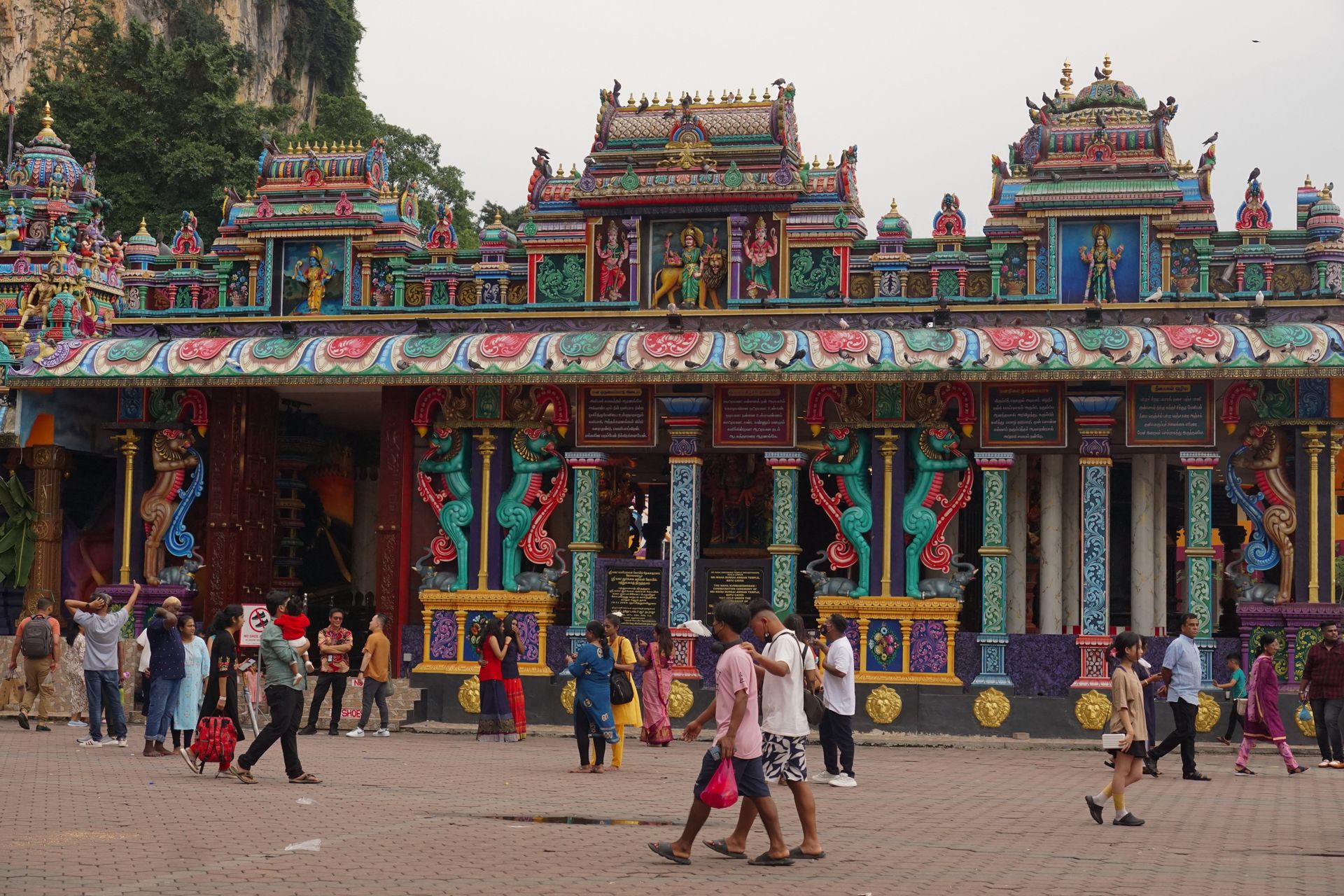
The Art of Living in Malaysia:
A Guide to Good Conduct
Master the social codes, the unspoken rules and the cultural etiquette you need to fit in smoothly within a society of a thousand faces.
Harmony in diversity
In 2026, Malaysia remains a unique model of peaceful coexistence. Caught between age-old traditions and dazzling modernity, navigating Malaysian society takes far more than language skills alone. It is a subtle exercise in understanding Malay, Chinese, Indian and Indigenous sensitivities. Whether you are here for work or to start a new life, respecting these codes is not just a matter of politeness, it is the key that unlocks the doors to trust and mutual respect.
Multiculturalism
Understanding the balance between communities so you can move through society without friction.
Saving Face
The vital importance of preserving the dignity of others in every interaction.
Respect & Tradition
Honouring hierarchies and everyday religious practices.

The concept of "Face" (Maruah)
In Malaysia, the notion of "face" is the cornerstone of social interaction. Causing someone to lose face, whether through public criticism, an aggressive tone or directly contradicting them in front of their peers, is one of the most serious mistakes an expat can make.
-
✓
Keep it private: Any criticism or negative feedback should be delivered one on one, with plenty of diplomacy.
-
✓
Indirect communication: Learn to read between the lines. A "Yes" can sometimes mean "I hear you" rather than firm agreement.
-
✓
Avoid anger: Losing your temper in public is seen as a weakness of character and a complete lack of respect.
"Whoever gives face to others earns prestige in return."
Everyday gestures: what you need to know
Using your right hand
In Malay and Indian culture, the left hand is traditionally reserved for personal hygiene. To give or receive an object (money, a business card, food), always use your right hand.
Tip: Touch your right forearm with your left hand as a sign of great respect during an exchange.
Pointing
Never point at a person or object with your index finger. Use your right thumb tucked over your other fingers instead.
The sacred head
The head is considered the most sacred part of the body. Avoid touching the head of an adult, or even a child.
Dress codes
Malaysia is a conservative country. When visiting temples or mosques, as well as government offices, keep your shoulders and knees covered.
Read the complete dress code guideShoes at the door
Always remove your shoes before entering a private home, a mosque or a temple. Check the threshold: if there are shoes there, take yours off too!
Social Situation Simulator
How would you react in these real-life situations in Malaysia?
Etiquette in the business world
To succeed professionally in Malaysia, you need to understand that personal relationships come before contracts.
01 Hierarchy and Titles
Respect for authority is fundamental. Address people using their honorific titles if they have them (Datuk, Tan Sri, Datin). Never switch to a first-name basis without being explicitly invited to do so.
In meetings, the most senior or highest-ranking member of your delegation should generally lead the opening conversation. To learn more, see our guide to business culture in Malaysia.
02 Negotiations
Patience is your greatest ally. Decisions are often reached by consensus and can take time. A negotiating style that is too aggressive or too rushed will come across as rude and suspicious.
Taking the time to share a meal or a coffee (Kopi) before talking business is not a waste of time, it is the crucial step of building trust.
Exchanging business cards
This is a ritual in its own right. Present your card with both hands, with the text facing the recipient. When you receive a card, take the time to read it carefully and set it down on the table in front of you. Never slip it straight into your back pocket or fidget with it.
Planning ahead for the 2026 calendar
Respecting religious holidays is crucial when scheduling your professional and social activities.
Chinese New Year
Widespread closures of Chinese-run businesses for 3 to 5 days.
Ramadan & Hari Raya Puasa
Avoid eating or drinking conspicuously in front of your Muslim colleagues. Expect administrative slowdowns.
Deepavali
The festival of lights. A period of intense celebration in Indian neighbourhoods.
Frequently asked questions about etiquette
Can I shake hands with a Malay woman?
As a rule, wait for her to offer her hand first. Otherwise, a slight nod of the head with your hand on your heart is the most respectful form of greeting (the Salam).
Is it rude to refuse food?
Hospitality is sacred. If you cannot eat, at least accept a small sip or a symbolic bite so as not to offend your host.
Is punctuality strict?
For business, be on time. Socially, "Malaysian time" (jam getah) is more flexible, but as an expat, staying punctual is always appreciated.
How should I behave at a "Banana Leaf" meal?
Use only your right hand to eat. Once you are done, fold the leaf towards yourself to show you enjoyed the meal (or away from you at funerals).
Can I discuss politics or religion?
These are extremely sensitive topics. It is strongly advised to avoid such conversations, especially if you do not know the people you are talking to well.
How should I dress for a Malay wedding?
Opt for modest clothing. Avoid colours that are too dark (black), which are associated with mourning in some communities. Pink, orange or yellow are perfect.
Is tipping mandatory?
No, it is not expected, as most restaurants already include a 10% service charge. That said, a small extra for exceptional service is still appreciated.
Can I drink alcohol in public?
Alcohol is tolerated in licensed bars and restaurants, but avoid drinking conspicuously in Malay residential areas or near mosques.
What is the "Salam"?
It is the traditional greeting: you take the other person's hands in yours, then briefly bring your own hands to your heart.
How do I address a waiter respectfully?
Use "Boss" or "Abang" (older brother) for a man, and "Kak" (older sister) for a woman. It is friendly and respectful.
Ready for your new life in Malaysia?
Don't let culture shock spoil your experience. Start preparing right now with our expert guides.
Related articles
Civil or Religious Marriage in Malaysia: Guide for Mixed Couples
Malaysian law, French consular formalities, and the weight of religion for a well-prepared union.