Pangkor Island: Beaches, Access and Things to Do
Discover Pangkor Island, from its beaches and fishing villages to ferry access, activities and practical tips for planning your stay.
Published on
The Kinabatangan River is best explored on a guided river safari, from accommodation near Sukau and Bilit in eastern Sabah. It is one of Borneo’s leading destinations for spotting proboscis monkeys, looking for orangutans in the canopy and exploring riverbanks frequented by elephants. No sighting is guaranteed: animal movements, vegetation and water levels determine what you may see.
The appeal of a stay lies in repeating excursions rather than rushing through a single trip. The same stretch of riverbank may seem empty before revealing a group of primates or a kingfisher perched above the water. Between boat trips, guided walks provide a closer look at the details of the rainforest, provided the trails are passable.
This landscape is not an untouched jungle stretching as far as the eye can see. Riverine forest stands alongside villages and plantations, and understanding this fragmentation helps you choose an operator that pays attention to wildlife and is genuinely involved in protecting its habitat.
In brief
Sandakan is the most convenient starting point for planning a stay on the lower Kinabatangan. The city allows you to combine your flight arrival, a stop in Sepilok and a transfer to the riverside villages. To organise this part of your journey without unnecessary travel, also see our guide to what to discover around Sandakan.
This is not a single site with one shared entrance. Accommodation is spread across different areas, particularly around Sukau and Bilit, and access may involve both road travel and a boat crossing. Find out the exact meeting point before booking your transport.
The choice between these villages mainly depends on the property, its location and the excursions it offers. A well-known address does not guarantee more wildlife encounters: the areas visited vary with navigation conditions and recent sightings. Ask which stretches of river are usually explored, without expecting a fixed programme.
Location also affects daily life between excursions. A lodge accessible only by boat requires different arrangements from accommodation connected to the road, particularly for luggage, late arrivals or medical needs. Check these practical constraints if you are travelling with children or someone with reduced mobility.
An organised transfer from Sandakan or Sepilok generally makes arrival easier. Confirm the pick-up point, what happens in case of delays and how the return journey works. Timetables and services change, so confirm them directly with the transport provider and accommodation before departure.
Booking transport and accommodation separately is possible, but requires you to coordinate every stage. Do not rely on an improvised connection beside a main road: have the final journey to the village or jetty confirmed. A transport ticket to the region does not necessarily mean being dropped outside your lodge.
If you are driving, ask where you can leave the vehicle and how to reach reception with your belongings. Road conditions and bad weather may alter the transfer. Our guide to transport in Malaysia helps compare travel options, but local details must be checked with your provider.
Avoid arranging a tight flight connection immediately after your return. A time buffer allows for a road delay or change to the boat journey, without turning your final morning into a race. It also leaves time to enjoy Sandakan rather than passing through only in transit.
Sepilok works well alongside a riverside stay, but the experiences are different. The rehabilitation centre welcomes orangutans in a conservation setting; seeing them from the river means observing free-ranging animals in their habitat. One experience does not exactly replace the other.
The Rainforest Discovery Centre and the Bornean Sun Bear Conservation Centre offer other perspectives on Sabah’s forest environments. Check visiting conditions and opening times with each establishment rather than relying on an old commercial itinerary. A coherent itinerary starts with confirmed transfers, then leaves enough time for boat excursions.
Primates, birds and reptiles are at the heart of wildlife watching on the Kinabatangan. Elephants attract many travellers, but their movements make sightings particularly variable. It is better to come to discover an ecosystem than simply to tick off a list of iconic species.
The guide scans the branches as carefully as the riverbanks. A motionless shape, movement in the foliage or a call may reveal a presence that is invisible at first glance. Explanations also help distinguish an animal that has actually been seen from a simple trace, such as an old nest in the canopy.
The proboscis monkey, sometimes called the long-nosed monkey, is strongly associated with Borneo’s riverside landscapes. The prominent nose of adult males makes them easier to identify, but females and young animals have a different silhouette. Watching a group helps you understand these variations rather than looking only for the most spectacular portrait.
Animals may move through the branches, feed or rest. Take in the wider scene before looking through your binoculars: following one individual exclusively can mean missing the movements of the rest of the group. Our article on Bornean proboscis monkeys explains the distinctive features of this primate.
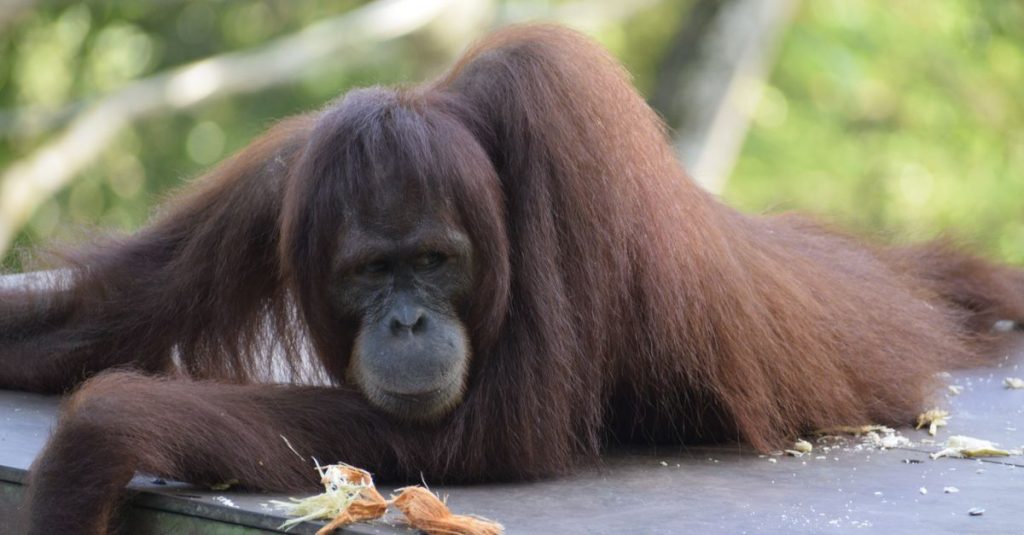
The orangutan often requires more patience. Its coat can blend into shadows and dry leaves, while an animal high in a tree may remain partly hidden. A nest shows that the area is being used, but does not prove that its builder is still nearby.
Macaques are also among the possible sightings. Near areas used by visitors, keep food and easily grabbed objects out of reach. Do not try to attract their attention: behaviour that seems familiar around humans is not an invitation to make contact.
The Bornean pygmy elephant uses lowland forest and riverside corridors to move and feed. A herd reported recently may have left the area by the time your boat arrives. Information shared between guides helps direct searches, but cannot guarantee a sighting.
If animals appear, their tranquillity takes priority over photography. The boat must not block their access to the water or interfere with a crossing. Their sometimes-described smaller size changes nothing about the caution required around large wild animals.
The saltwater crocodile also enters fresh water: its name does not restrict it to the coast. It may be visible on a bank or remain almost entirely submerged. Do not swim in the river or walk down to the water outside areas and conditions approved by your guide.
Hornbills, kingfishers and herons add another dimension to the boat trips. Hornbills often attract attention in the canopy or in flight, while the others may stay close to the water. Birdwatching is best approached by alternating between searching for silhouettes and listening for calls.
Binoculars allow you to watch without asking the pilot to move closer. If birds are your main interest, mention this when booking: a group eager to reach an elephant sighting will not necessarily have the same priorities. The quality of an encounter depends on the time given to the animal, not on how close you get.
A river safari involves travelling along the banks in a guided boat, stopping according to the animals that have been spotted. Trips often take place early in the morning or late in the afternoon, but arrangements depend on the lodge and local conditions. Confirm the programme with the operator rather than treating a sample itinerary as a permanent commitment.
The boat provides a clear view of some forest edges without requiring a long walk through the vegetation. However, it cannot see through the trees: an animal may be very close and remain invisible. Silent pauses are therefore part of the excursion, just like travelling between locations.
Repeating excursions gives you access to different atmospheres. The light changes, groups move and access to a secondary channel may vary. Returning to an area you have already explored is not necessarily pointless repetition.
Guided walks reveal what is difficult to distinguish from the water: insects, leaves, roots, fungi and tracks on the ground. They complement the river experience without automatically offering more large mammals. Ask whether the route uses a boardwalk, forest trail or ground that may be flooded.
Oxbow lakes, formed from former river channels, are another interesting habitat when access is possible. Visiting them depends on local conditions and the situation at the time. An activity mentioned in a brochure may be replaced if the terrain makes it unsafe.
| Activity | Main interest | What to check |
|---|---|---|
| Morning boat trip | Exploring the banks and listening to the forest’s first movements | Confirmed programme and protection from moisture |
| Late-afternoon trip | Looking for primates and watching the changing light | Return arrangements and weather conditions |
| Guided walk | Discovering the details of the undergrowth | Ground conditions and actual difficulty |
| Night excursion | Observing different animal activity | Supervision and restrained use of lighting |
At night, reduced visibility completely changes the experience. Depending on the habitat, the guide may look for invertebrates, amphibians or other animals active in darkness. Silence and attention to instructions become particularly important on uneven ground.
A torch should not be used to keep an animal in a beam simply to obtain a photograph. Let the guide manage the lighting and avoid flash when it could disturb the scene. A brief, discreet observation is better than stopping for a long time around an exposed animal.
On the boat, a telephoto lens can be useful, but binoculars remain more accessible for enjoying all the sightings. Keep your camera in waterproof protection while travelling and prepare it before stopping. Standing up suddenly to frame a shot disturbs other passengers and may destabilise the boat.
Watching wildlife from a seat reduces the amount of walking, but does not automatically make the stay accessible to everyone. You still need to reach the jetty, board the boat and remain seated during the trip. Tell the lodge exactly what you need, particularly regarding steps, toilets and available assistance.
When travelling with children, check that suitable life jackets are available and that it is possible to skip certain activities without organisational difficulty. Rest periods between trips are useful, especially in humid heat. The best programme combines repeated wildlife watching with a pace everyone can genuinely manage.
Rain remains possible all year round in this part of Sabah. A usually drier period guarantees neither clear skies nor sightings of a particular species. For regional context, see our guide to the climate in Malaysia, then ask the lodge which conditions affect its area before you arrive.
River levels also depend on rainfall upstream. Calm weather at your accommodation therefore does not mean that every route is passable. Check forecasts and alerts with Malaysia’s meteorological service, MetMalaysia, and local decisions with the guides on the ground.
Rising water may make certain passages easier while rendering a trail inaccessible. Conversely, low water levels may restrict access to a secondary channel. These changes affect exploration options, but do not allow you to conclude simply that animals will be easier to see.
Heavy rain reduces visibility and makes photography less comfortable. A storm mainly requires safety decisions that may lead to an excursion being postponed or cancelled. Our guide to the rainy season in Malaysia explains regional differences without applying one calendar to the whole country.
Before paying, ask what happens when an activity becomes impossible: replacement, postponement or cancellation terms. A written answer prevents misunderstandings. Continuing an excursion despite unfavourable conditions should never be treated as a commercial advantage.
Choose lightweight clothing that dries easily, with long sleeves and trousers for walks. Rain protection should remain accessible during the boat trip, not at the bottom of luggage left in your room. Closed shoes with good grip are useful on wet ground.
For health advice, consult a healthcare professional before departure and explain your itinerary in Sabah. Requirements depend on your personal situation and planned activities. Personalised medical advice is more useful than a general list copied for every traveller.
Ask which facilities are actually available: ventilation, air conditioning, drinking water, device charging and internet access. Services vary between properties, and room photographs do not always show everyday conditions. Also mention allergies and dietary requirements before booking.
Meals taken on site are part of the organisation of the stay, especially when independent outings are limited. A workshop may complement your discovery of Malaysian cuisine, but its inclusion in the programme should be confirmed. Good preparation mainly means remaining self-sufficient in humid conditions and accepting adjustments imposed by the environment.
Compare concrete services rather than relying on ecotourism promises alone. Comfortable accommodation may follow good practices, while a rustic camp is not necessarily exemplary. The way excursions are conducted, guide training and waste management reveal more than advertising language.
Start by requesting a detailed quotation. It should show what covers transport, the room, meals and activities, as well as any supplements. Prices change: confirm them directly with the property and check any applicable tax with the relevant Malaysian authority.
A package advertised as all-inclusive may exclude certain visits, drinks or specific excursions. Also check whether the boat and guide are shared and which language the explanations are given in. These details influence the experience as much as the accommodation category.
Ask specifically about group size. A boat with fewer passengers makes it easier to shift your gaze and receive individual explanations, but this alone does not prove responsible tourism. You should also find out how the pilot reacts when several boats converge on the same animal.
Ask whether guides avoid encircling animals, feeding them and approaches that cut across their route. A clear answer about these practices matters more than a guarantee of seeing elephants. A serious professional explains what can be arranged without claiming to control wildlife encounters.
Riverside forests connect habitats used for feeding, resting and movement. When these links are interrupted, animals may be restricted in their movements or come into greater contact with human activities. Protecting the riverbanks therefore goes beyond preserving an attractive landscape.
A visible concentration of wildlife does not necessarily mean the environment is untouched. It may also reflect the importance of the remaining forest fragments. This distinction helps you see the plantations during transfers and the wooded strips along the river differently.
If a provider offers tree planting or participation in a project, ask which organisation monitors it and what ecological objective is being pursued. The value of an action depends on the site, the plants selected and their subsequent maintenance. A certificate given to visitors does not, on its own, demonstrate a conservation result.
Villages are not attractions that are permanently open to visitors. A meeting organised with residents should be based on their consent, a clearly explained activity and transparent payment. Ask permission before photographing a person or private space.
Local recruitment, purchasing from nearby suppliers and activities designed with residents can make tourism benefits more tangible. Ask the lodge about these points without assuming that a high price guarantees better redistribution. Useful commitments are those that can be described precisely.
In everyday life, use a refillable bottle when drinking-water refills are available, keep your rubbish until you reach a suitable collection point and take nothing from the forest. To include this stop in a wider trip, our selection of places and activities to discover in Malaysia helps you vary your experiences without multiplying similar excursions. A responsible stay leaves wildlife its space and local people control over how they welcome visitors.
Yes, they may be seen from boats, generally in riverside trees. Sightings are never guaranteed: movements, foliage and visibility affect encounters. Several excursions provide more opportunities to search.
No. You can book accommodation directly and arrange transport separately. However, you must confirm the final transfer to the lodge or jetty. A coordinated package from Sandakan or Sepilok simplifies this logistics.
Boat-based wildlife watching reduces the amount of walking, but reaching the jetty and boarding may be difficult. Before booking, ask for precise information about steps, seats, toilets and available assistance.
Do not swim in the river. The presence of crocodiles, currents and reduced visibility in the water mean that you should remain in designated visitor areas and follow the instructions of your guides.
Look for precise answers about viewing distances, the absence of feeding, how boats behave when they gather around an animal and guide training. Be wary of guaranteed-sighting promises and ask how advertised conservation actions are monitored.
Discover Pangkor Island, from its beaches and fishing villages to ferry access, activities and practical tips for planning your stay.
Discover Sepilok in Borneo and observe orangutans in the rainforest, while learning about rehabilitation and wildlife conservation.
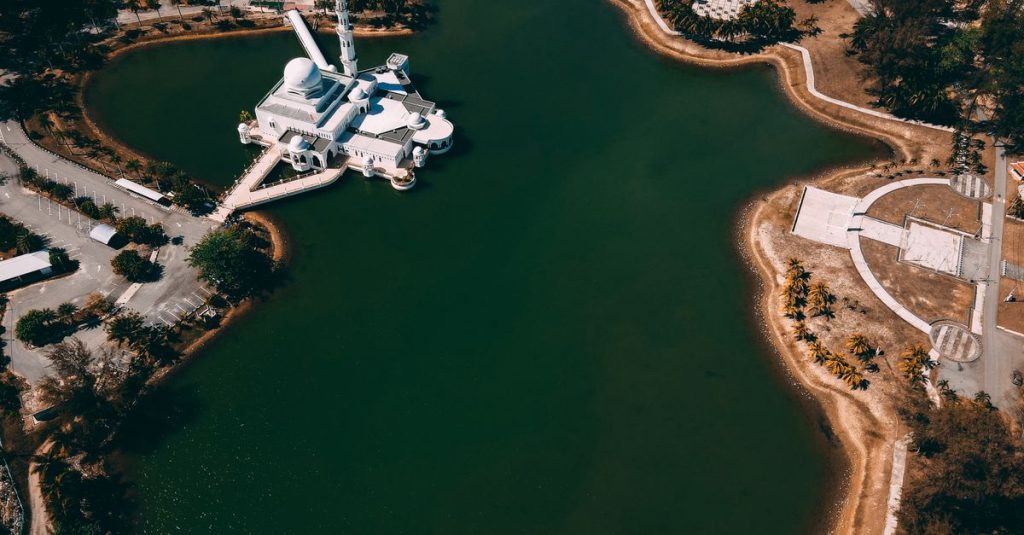
Discover Malaysia itineraries for 10 days, 2 or 3 weeks, with essential stops and practical advice for organising your trip.

Discover roti canai, Malaysia’s flaky, crisp breakfast flatbread, served with curry or dhal and enjoyed at mamak restaurants or home.
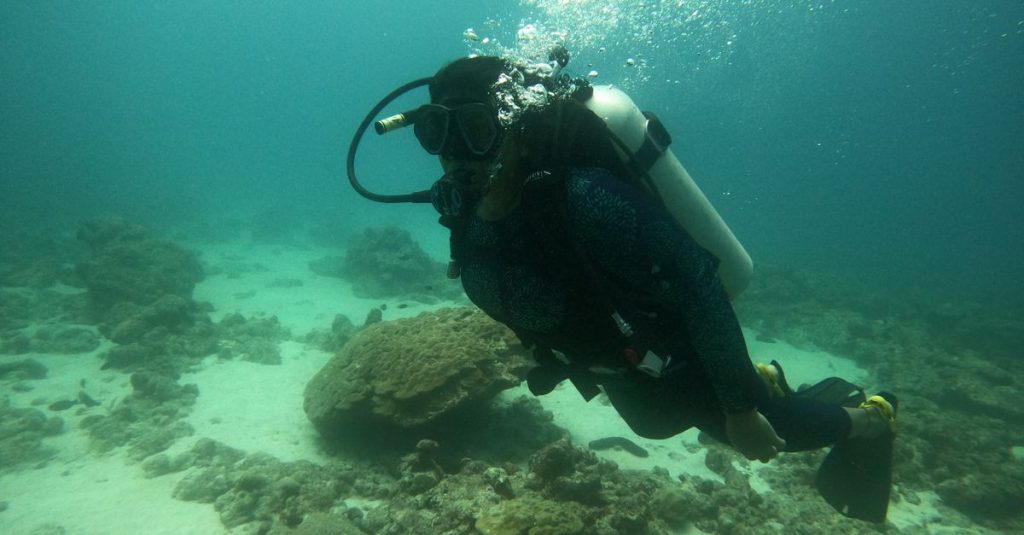
Discover Sipadan, Borneo’s legendary island: diving permits, the best season and practical advice for planning your underwater adventure.
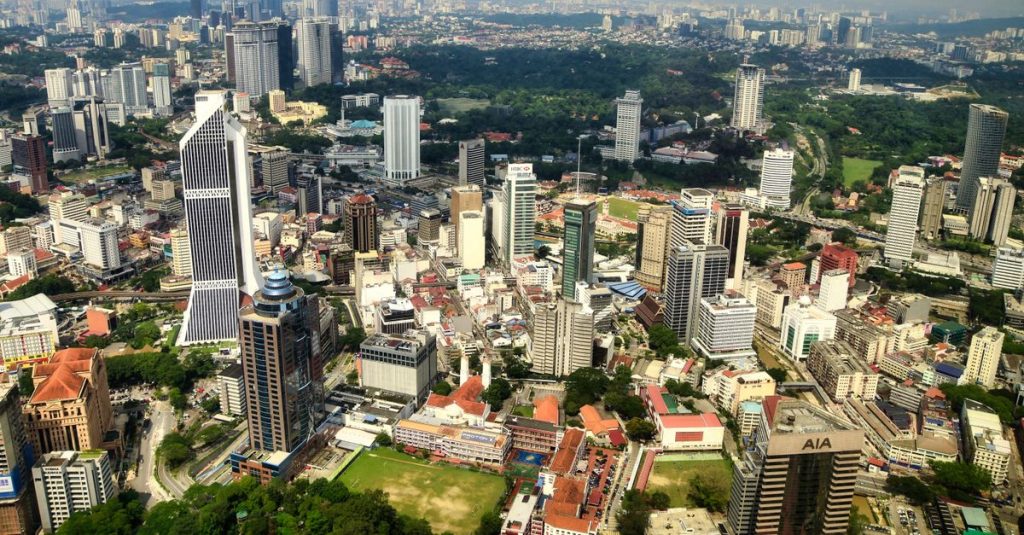
Discover Malaysia’s population, ethnic diversity and main religions, and understand the differences between citizens, residents and communities.

Experience the Malaysia MotoGP Grand Prix at Sepang: practical advice on tickets, access, accommodation and making the most of race day.

Discover Malaysia’s rainy seasons, monsoon patterns on the east and west coasts and in Borneo, and practical tips for planning your trip.
Scroll to see more articles →