
Sepilok: Seeing Orangutans in Borneo
Discover Sepilok in Borneo and observe orangutans in the rainforest, while learning about rehabilitation and wildlife conservation.
Published on
Pangkor Island is known for its beaches, fishing villages and Dutch fort. To get there, travel to the Perak coast, particularly Lumut, then take a ferry to Pangkor. On the island, Teluk Nipah suits travellers who want to stay close to restaurants and water activities, while Pasir Bogak is ideal for combining swimming, walks and seafood meals.
This stop on Malaysia’s west coast is best suited to a relaxed stay without a packed schedule. The sea is not always clear, the beaches are not all deserted and swimming conditions depend on the weather: it is better to choose a practical base than to spend your time travelling between locations.
To decide what to do in Pangkor, keep things simple: enjoy the coast when conditions are favourable, then explore the inhabited areas and heritage sites when a shady break is welcome. Choosing the right accommodation and organising your return boat matter just as much as the list of sights.
In brief
Pangkor’s beaches do not all serve the same purpose. When choosing, consider dining options, access from your room and the availability of water activities as well as the appearance of the sand. A pleasant bay for lunch is not necessarily the best place for a quiet swim.
Teluk Nipah has guesthouses, cafés and operators offering sea activities. It suits travellers who want to go out for lunch, reach the shore and arrange an outing without always depending on a vehicle.
This convenience also attracts visitors, particularly during holiday periods. Do not mistake its relaxed atmosphere for a guarantee of quiet: before booking, ask whether the room faces the road, a restaurant or a more secluded area.
On the beach, identify the areas used for boat departures and watercraft. For swimming, choose a spot away from manoeuvres and ask people there about the day’s conditions.
Pasir Bogak Beach is another important seaside base on the island. Its appeal lies in the combination of seafront, accommodation and restaurants: you can organise your day around one neighbourhood instead of crossing the island for every meal.
It is suitable for walks on the sand and breaks overlooking the bay. Swimming should nevertheless be decided according to the waves, currents and boat traffic, rather than solely on the reputation of a family-friendly beach.
With children, check the entry into the water directly and stay nearby throughout the swim. A shore that looks calm from a terrace does not, by itself, reveal the depth or movement of the water.
To find the Coral Bay beach mentioned in some descriptions, check the exact landmark: Coral Beach, near Teluk Nipah, is the name to search for this seaside outing. Commercial accommodation names can cause confusion with other areas.
This beach lets you change the atmosphere without turning the day into a complicated excursion. Its position on the west coast also makes it popular towards the end of the day, although clouds can naturally hide the sunset.
| Area | Main appeal | What to check |
|---|---|---|
| Teluk Nipah | Restaurants and activities nearby | Activity levels and boat departures |
| Pasir Bogak | Walks and staying close to the shore | Actual access from the accommodation |
| Coral Beach | Seaside break near Teluk Nipah | Location and swimming conditions |
Do not choose your destination solely because of photographs showing turquoise water. Clarity varies with rainfall, sea movement and sediment; a successful stay depends more on the coastal atmosphere than on guaranteed underwater visibility.
To compare seaside experiences, also see our selection of islands to discover in Malaysia. In Pangkor, the most suitable beach is often the one you can reach easily and enjoy without repeated journeys.
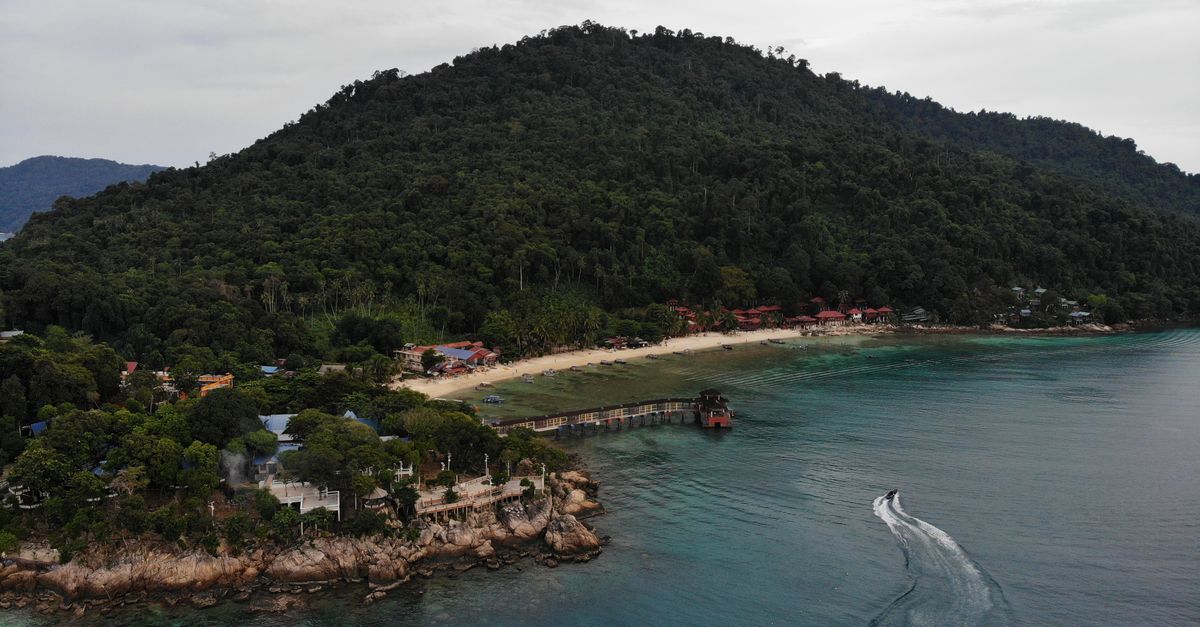
Getting to Pangkor combines a land journey to the Perak coast with a boat crossing. Lumut is a well-known departure point; Marina Island also offers sea access and may be worth considering depending on your route. Choose the terminal before booking your transfer, as these embarkation points are not interchangeable.
From Kuala Lumpur, look for a road connection to Lumut or a transfer to your chosen terminal. From Ipoh, the journey also continues by road: arriving in the city by train does not remove the need to arrange the connection to the coast.
If you are coming from Penang, organise the mainland journey before the final crossing. Do not build your itinerary around an assumed direct sea connection between the west coast’s island destinations.
For the ferry to Pangkor, check departure times, fares, the arrival pier and luggage conditions with the official operator. This information can change; an old screenshot or travel account is no substitute for confirming the service for your date.
Allow some time between your bus arrival and the boat departure. Traffic, finding your way around the terminal and buying a ticket can turn an apparently simple connection into a lengthy wait.
Apply the same caution on the return journey if you are continuing to an airport or another city. Avoid making an important booking dependent on the last crossing that appears compatible on paper.
Give the full name of your accommodation to the person arranging your transfer. An address in Teluk Nipah requires a journey after arriving by sea; simply saying “Pangkor” is not enough to arrange a precise meeting point.
Ask your accommodation which pier to use and how to reach reception with your luggage. This is particularly useful if your room is away from the beach or on a sloping road.
If you arrive with your own car on the mainland, ask about parking at the terminal. Check access, payment and vehicle collection conditions with the manager rather than assuming that all facilities operate in the same way.
Walking works for journeys within one neighbourhood, but it does not replace transport between all the bays. Map distances do not show slopes, sun exposure or the possible lack of comfortable pedestrian routes.
Local taxis and minibuses allow you to explore the island without driving. Agree the price, stops and return journey before setting off, especially when visiting a place where a vehicle may not be immediately available.
Hiring a scooter requires genuine riding experience, suitable equipment and compatible insurance. Check the applicable requirements with Malaysia’s Road Transport Department and your insurer; the rental company’s agreement alone does not establish your cover.
To plan your connections, our guide to transport in Malaysia helps compare the options. Choosing a well-located base often reduces constraints more effectively than adding a vehicle to your stay.
Pangkor’s attractions combine maritime heritage, fishing communities and nature. They complement time by the water without requiring an intensive programme. Group nearby places together and keep sea activities for times when conditions are favourable.
The Dutch fort, also known as Kota Belanda, provides an introduction to the history of commercial exchanges and Dutch presence in the region. These are ruins to observe, not a complete fortress with a succession of furnished rooms.
Take time to read the signs and examine the layout of the walls. For access conditions and any visiting arrangements, check with the managing organisation rather than relying on old opening times.
Complete this stop with a walk through the inhabited areas. Boats, fishing equipment and shops selling seafood products show the continuing importance of this activity in island life.
These places are not unrestricted open-air sets for visitors. Ask permission before photographing anyone, do not enter a workshop without an invitation and keep access routes clear when goods are being moved.
Places of worship also offer an insight into local cultural diversity. Follow the signs at the entrance, dress appropriately and avoid taking photographs during religious practices if this could cause disruption.
Around Teluk Nipah, operators offer equipment or trips to nearby islets, particularly Pulau Giam. Before choosing, ask which route is planned, whether supervision is included and how the return journey will be arranged.
Snorkelling in Pangkor depends heavily on visibility and sea conditions. An outing that is worthwhile one day may offer little to see after rainfall or when the water is rough: ask for a recent assessment rather than a general promise.
A beach’s name does not guarantee accessible coral or conditions suitable for beginners. Check the state of the mask, whether a life jacket is available and whether the observation area is separated from boat routes.
When kayaking, consider the wind and your ability to return, not just the apparent distance to an islet. Do not attempt a crossing simply because another group has just left: its experience and supervision may be different.
Hornbills are among the birds that can be seen on the island, particularly near wooded areas. Keep your distance and do not try to attract them with food; observation is more rewarding when visitors do not alter their behaviour.
For walks through the wooded interior, ask your accommodation which routes are genuinely usable. Do not treat a track shown on an app as proof of a maintained, signposted trail suited to your level.
Take water, protect your belongings from rain and tell someone your route if you are heading into an isolated area. The best complement to the beach is an activity suited to real conditions, rather than an excursion chosen for a spectacular promise.
Pangkor has a hot, humid tropical climate, with possible rainfall throughout the year. Its position on the west coast means that its weather patterns should be distinguished from those of the east coast islands. Advice that applies to the Perhentians does not automatically apply here.
It is simplistic to promise a long completely dry period or to declare entire months unsuitable for travel. For a beach holiday, the length of showers, wind and sea conditions matter more than a simple rain icon in an app.
Before a water outing, check MetMalaysia’s forecasts and warnings, then confirm feasibility with the operator, as conditions observed in one bay may require the route to be adapted.
A thunderstorm means leaving the water and exposed areas and seeking suitable shelter. Do not wait for heavy rain before stopping an activity if the thunder is getting closer.
Our guide to the climate in Malaysia explains regional differences. Above all, it helps avoid the idea that the country has uniform weather everywhere.
After arriving, settle in and explore the immediate surroundings of your accommodation. Identify access to the shore, places to have dinner and where to find transport: these details make the rest of the stay easier than rushing across the island immediately after the crossing.
Then set aside a morning for swimming or kayaking if the sea is suitable. Keep cultural visits for another time, without assuming they will necessarily be enjoyable in heavy rain: the fort ruins are also an outdoor attraction.
On a wet day, have a long meal, take a café break or choose an activity offered by your accommodation. A neighbourhood visit can resume between showers, provided that returning remains easy.
Want to discover several beaches? Group together those in the same area rather than making repeated return journeys. This leaves more time on site and prevents a relaxing escape from becoming a succession of transfers.
The atmosphere also depends on school holidays, public holidays and weekends. A bay described as peaceful may become busier when local visitors come to enjoy the coast.
Check official calendars before booking if peace and quiet are your priority. Also ask the property whether groups are expected and whether events could affect access or the atmosphere in the neighbourhood.
For walks, take sun protection and water, and wear clothes that dry easily. Shoes with good grip are more suitable for wet paths than beach sandals.
Finally, leave some time before departure to dry your belongings, collect your luggage and reach the boat. In Pangkor, a successful programme leaves room for weather and rest instead of treating every time slot as a booking to be filled.
Choosing accommodation in Pangkor should start with the neighbourhood, then move on to the comfort of the room. A property far from restaurants may mean additional journeys, while a central room may be more exposed to noise. Consider the overall cost and convenience of the stay.
Teluk Nipah suits travellers who want to remain close to beach activities and places to eat. Check the exact location, however: being in the neighbourhood does not mean having direct access to the sand.
Pasir Bogak is another option for organising your stay around the beach. Compare the actual route to the shore, whether you have to cross a road and the options for walking to dinner.
Pangkor Town allows you to stay close to shops and port life, but it is less suited to those who want to swim immediately after waking up. It can be a good choice if you prefer inhabited areas and are happy to take transport to the bays.
Do not confuse Pangkor with Pangkor Laut, a separate island. A booking there involves a specific transfer arrangement: always check the island’s name and the property’s instructions.
Before paying, ask for confirmation of air conditioning or ventilation, bathroom facilities, cancellation conditions and access with luggage. Photos of a terrace do not reveal sound insulation or the slope of the approach.
Fish and seafood naturally play an important role in island restaurants. Ikan bakar, grilled fish often served with spicy condiments, is a good way to discover this cuisine without seeking out an establishment described as a must-visit.
Before ordering, ask whether the price is for a portion or depends on weight. Clarify the total cost and side dishes, particularly when choosing fish or shellfish directly.
Nasi lemak combines rice cooked in coconut milk with accompaniments and sambal, with variations between establishments. For drinks, kopi O is coffee without milk, usually sweetened; state your preference if you want to avoid sugar.
Our guide to Malaysian cuisine helps you recognise dishes and order according to your preferences. If you have an allergy, ask explicitly whether the preparation contains dried prawns, peanuts or shellfish paste.
Divide your budget between accommodation, mainland transport, the boat, local journeys, meals and activities. Check amounts with accommodation providers and official operators, as offers change according to dates and included services.
Carry cash for small purchases without unnecessarily carrying your entire budget with you. Ask your accommodation which payment methods are accepted, including for any charges payable on arrival.
To place this stop within your itinerary, compare our guide to the cost of living in Malaysia with our guide to Malaysian regions. A well-located room and clearly defined services are often better than an introductory price that adds charges for every journey.
Yes, if you are looking for a stay combining beaches, fishing villages and seafood meals. It is less suitable for a trip focused on nightlife or guaranteed underwater visibility.
Travel by road to your chosen mainland terminal, particularly Lumut or Marina Island, then take the boat. Confirm departures, fares and the arrival pier with the official operator before booking connecting transport.
Trips are offered, particularly around Teluk Nipah and nearby islets. Their appeal depends on visibility, wind and sea conditions; ask about recent conditions and supervision before booking.
No. Well-located accommodation allows you to walk around its neighbourhood, then use local taxis or minibuses for other visits. Hiring a scooter requires suitable experience and checking the applicable riding and insurance conditions.
Discover Sepilok in Borneo and observe orangutans in the rainforest, while learning about rehabilitation and wildlife conservation.

Explore the Kinabatangan River in Borneo with boat safaris, proboscis monkeys, orangutans, pygmy elephants and rainforest wildlife.
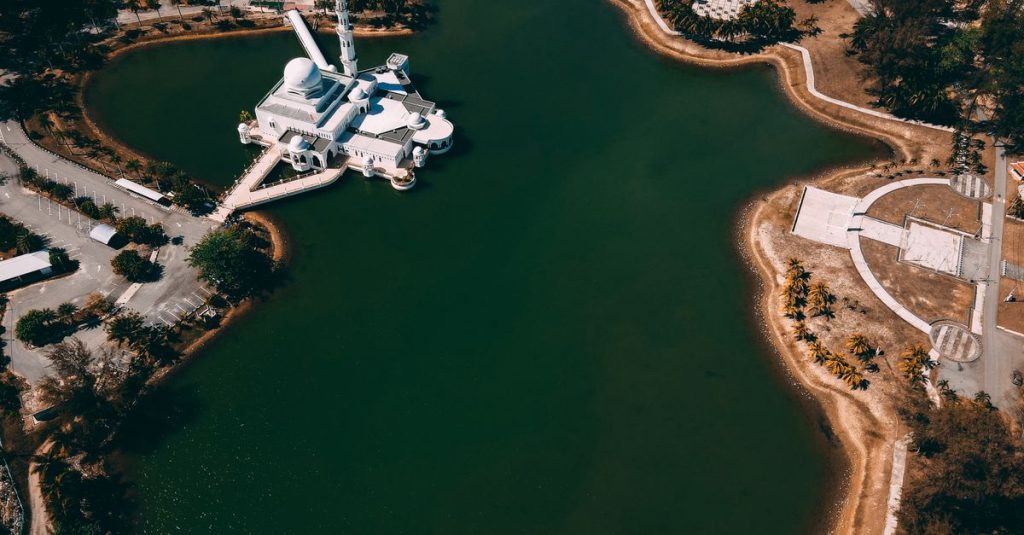
Discover Malaysia itineraries for 10 days, 2 or 3 weeks, with essential stops and practical advice for organising your trip.
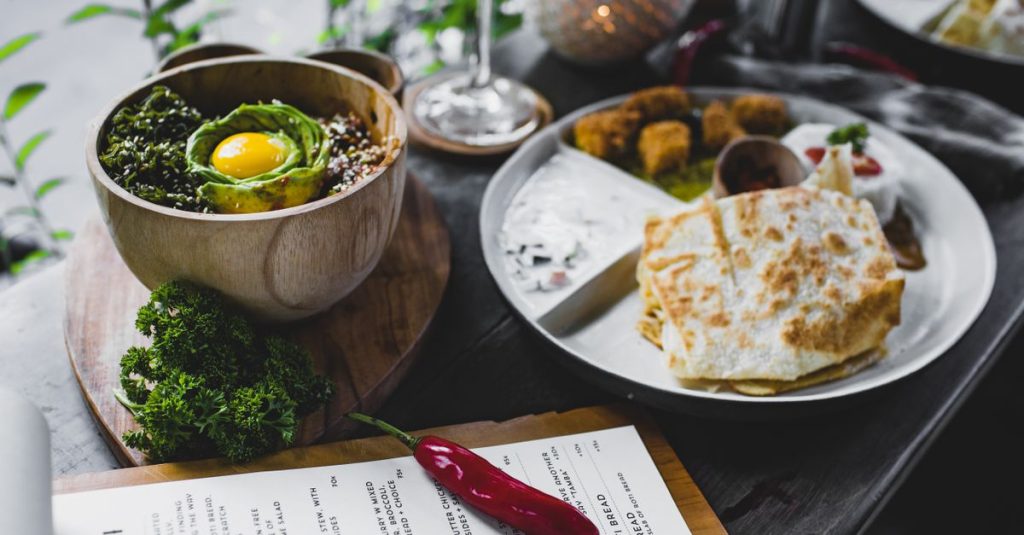
Discover roti canai, Malaysia’s flaky, crisp breakfast flatbread, served with curry or dhal and enjoyed at mamak restaurants or home.
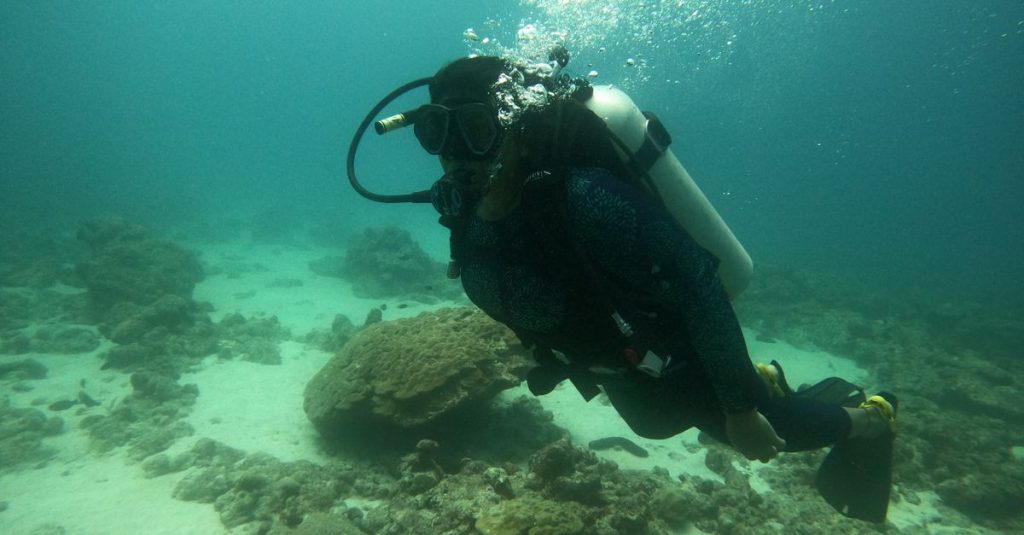
Discover Sipadan, Borneo’s legendary island: diving permits, the best season and practical advice for planning your underwater adventure.
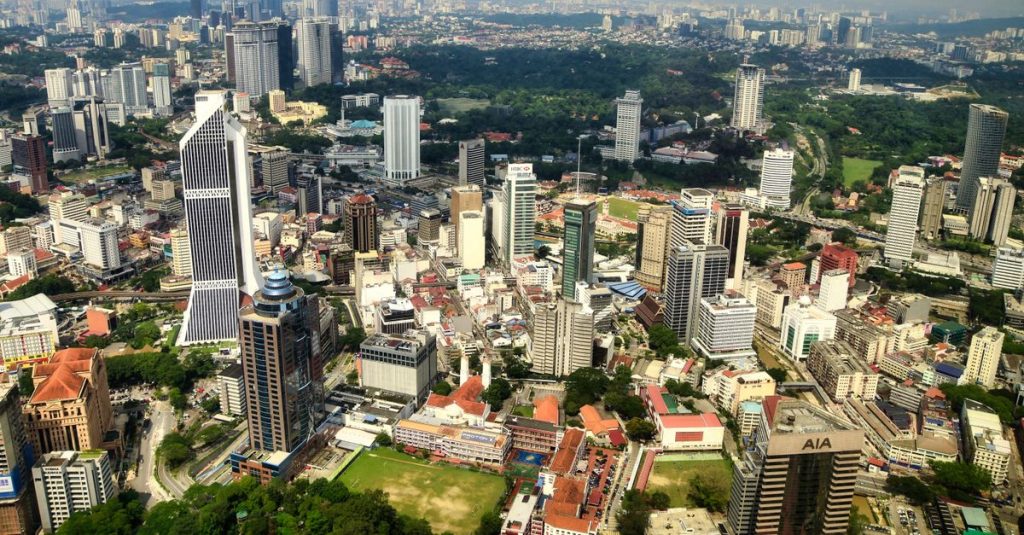
Discover Malaysia’s population, ethnic diversity and main religions, and understand the differences between citizens, residents and communities.

Experience the Malaysia MotoGP Grand Prix at Sepang: practical advice on tickets, access, accommodation and making the most of race day.

Discover Malaysia’s rainy seasons, monsoon patterns on the east and west coasts and in Borneo, and practical tips for planning your trip.
Scroll to see more articles →