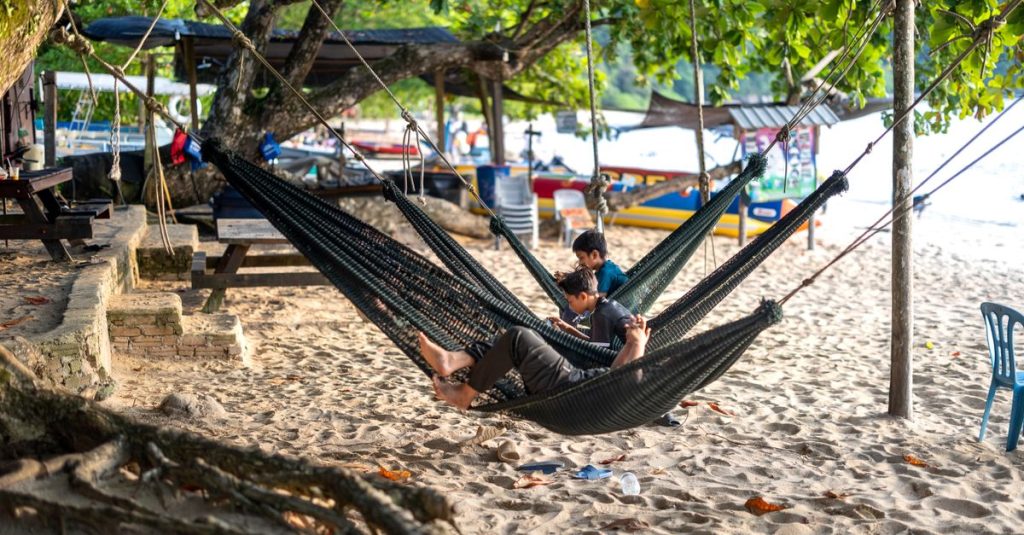
Pangkor Island: Beaches, Access and Things to Do
Discover Pangkor Island, from its beaches and fishing villages to ferry access, activities and practical tips for planning your stay.
Published on
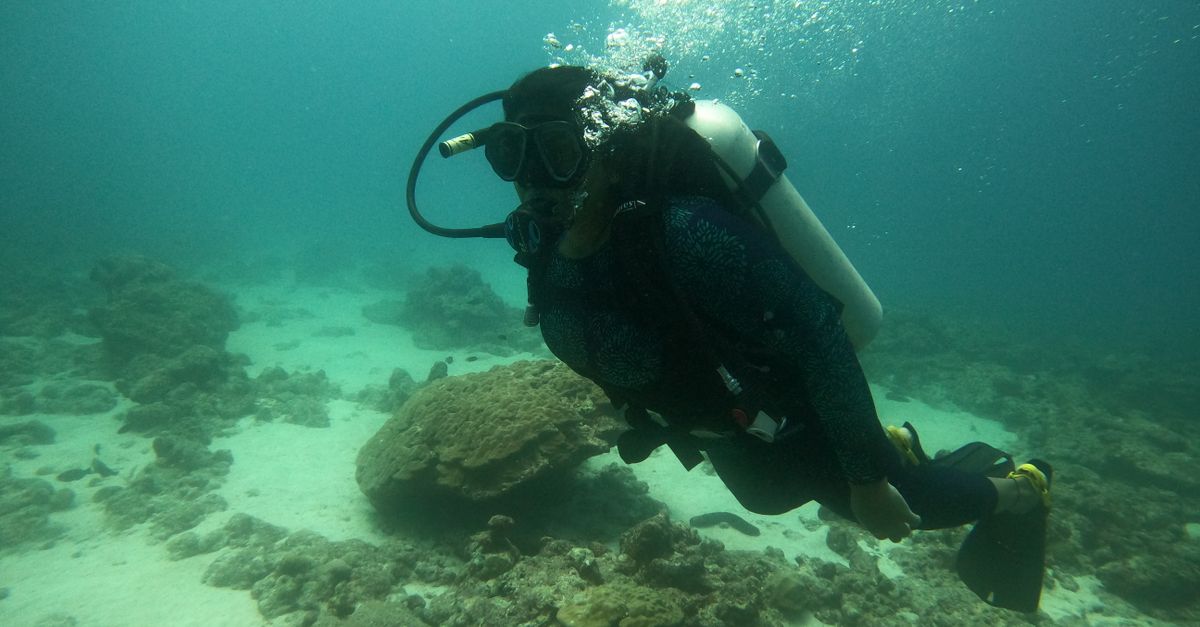
To dive at Sipadan, book with an authorised operator and have your diving permit confirmed before finalising the rest of your trip. The period from March to October is generally a good time to go, but sea conditions and the park’s opening calendar remain decisive. Check the current rules with Sabah Parks, the managing organisation.
Off Sabah, on the eastern coast of Borneo, this island in the Celebes Sea combines walls, barracuda schools and sea turtles. Its reputation comes from the meeting point between reef and open sea: currents bring nutrients, but can also make some dives demanding.
The trip is organised from Semporna, Mabul or Kapalai, as visitors cannot stay on Sipadan. Choosing the dive centre matters just as much as choosing your accommodation: an available room does not mean that access to the park has been allocated to you.
In brief
A diving permit is separate from a room reservation. Sabah Parks regulates access to the park, and places are organised by authorised operators. Ask the centre whether it actually has an allocation for your dates, rather than accepting a simple promise of a trip.
The applicable quota, the number of permitted dives and the closure schedule must be checked with Sabah Parks. Do not assume that the current figures remain valid based on an old commercial offer, particularly for a 2026 stay.
Ask for the quotation to specify the days planned in the park, the dives carried out elsewhere and the replacement conditions. A “Sipadan package” may include a substantial proportion of dives around Mabul or Kapalai, without this being unusual.
A more flexible stay makes planning easier, but does not automatically create an additional right of access. If the centre announces an allocation “subject to availability”, ask what will be refunded or changed if it does not materialise.
Request a quotation separating park fees, boat trips, guiding, accommodation and equipment hire. Also check meals, transfers and any additional charges, such as nitrox when your qualification allows you to use it.
Prices change: have the fees confirmed by Sabah Parks and the total amount confirmed by the provider. To compare this destination with other regions, consult our guide to diving in Malaysia, without assuming that the same access conditions apply everywhere.
The useful indicator is not the advertised price per night, but the confirmed content of the stay. This check should come before making a final decision about flights.
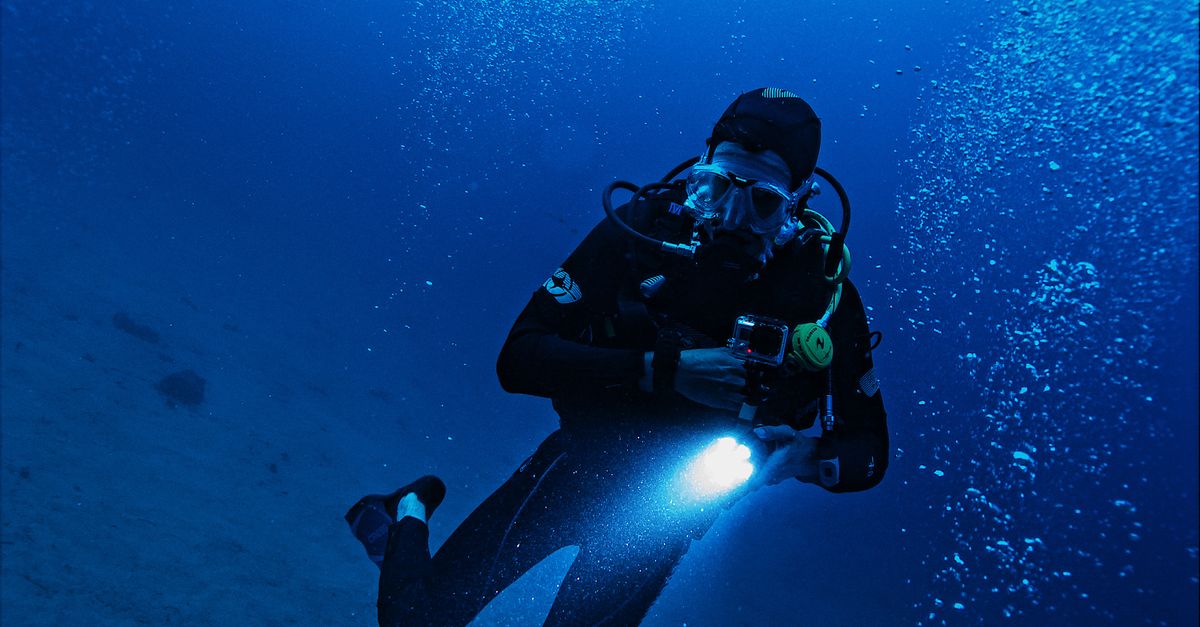
From March to October, conditions are generally favourable for scuba diving around Sipadan. This remains a climate trend, not a guarantee of visibility or calm seas. Rainfall and changes in current can alter the programme.
Spring and summer are often preferred for organising crossings and enjoying the reefs. September and October may also be suitable, but no month allows you to book crystal-clear water or a spectacular fish formation in advance.
The diving season is not simply a matter of rainfall: a sunny day may bring a strong current, while a shower does not necessarily mean a poor dive. Sea conditions mainly affect the comfort of the journey and the possibilities for entering the water.
The conservation calendar is another constraint. Confirm the opening dates with Sabah Parks before making any non-refundable payment; a period that is attractive from a weather perspective may coincide with an administrative closure.
To put Sabah in the national context, our guide to the climate in Malaysia helps explain why the seasons on the different coasts cannot automatically be applied to Borneo.
Turtles and reef fish are among the destination’s regular attractions. However, larger open-water visitors, particularly hammerhead sharks, remain occasional sightings: they should not become the condition for a successful trip.
The famous barracuda spiral depends on the behaviour of the school and water movements. Even when present, the school may remain spread out rather than forming a compact column.
Allow flexibility for the conditions, rather than building your schedule around a particular photograph. The sites will then be selected by the dive team.
Sipadan’s strength is the proximity of coral reefs and deep water. The terrain provides different habitats within a compact area: shallow gardens, walls covered with attached organisms and areas exposed to passing open-water fish.
Barracuda Point is associated with large gatherings of barracudas and trevally. The spectacle can be impressive, but the current may require a drift dive rather than prolonged observation in one place.
South Point has an exposed profile, with a wall facing the open sea. Reef sharks may be seen there; more unusual encounters remain possible but can never be scheduled.
At these sites, do not chase an animal by leaving your group or your planned depth. The site’s biological interest does not justify exceeding the limits set during the briefing.
Drop Off reveals the island’s topography: the shallow reef gives way to a wall descending into the blue. Turtles, sponges and reef fish provide just as many reasons to look at the terrain as at the open water.
Coral Gardens and Mid Reef offer other perspectives on marine biodiversity, with coral formations and fish schools. Their calmer reputation does not remove the need to assess the conditions on the day.
Turtle Cavern is not an ordinary extension of a recreational dive. Exploring inside requires specialist training, suitable equipment and the necessary authorisations; observing the entrance from outside does not mean that you can enter it.
Sea turtles must have a clear passage, particularly when they come up to breathe. Do not touch them, surround them or block their path to get a photograph.
The best dive is not necessarily at the most famous site, but the one that matches the conditions and your level of comfort.
The usual bases are Mabul, Kapalai and Semporna, not Sipadan itself. Your choice determines the atmosphere of the stay, the organisation of crossings and the activities available when you are not diving in the park.
| Base | Main attraction | What to check |
|---|---|---|
| Mabul | A stay focused on diving and macro photography | Access to the house reef and included services |
| Kapalai | Overwater accommodation and a maritime setting | Package conditions and activities for non-divers |
| Semporna | Choice of accommodation, restaurants and road access | Organisation of trips and comfort during crossings |
Mabul is an inhabited island, with a village and several establishments. Its sedimentary seabed appeals to fans of small species: frogfish, nudibranchs and crustaceans require slow observation, very different from watching large schools.
Kapalai offers an overwater accommodation experience above a sandbank. Do not choose solely on the basis of photographs: ask about access to the water and the actual options for non-divers.
The usual route goes via Tawau Airport, followed by a road journey to Semporna. The boat transfer then depends on the establishment you choose; do not assume that a boat will be waiting for every flight arrival.
Have the timings confirmed by the airline and the boat operator, then check the connection with your dive centre. Our guide to transport in Malaysia can help you incorporate these stages into a wider itinerary.
Check entry formalities separately with Malaysian immigration: the park permit does not replace them. French travellers should also consult the official travel advice from the French Ministry for Europe and Foreign Affairs concerning Sabah’s eastern coast, as well as their insurance cover.
Convenient accommodation is accommodation whose transfers and programme genuinely match your trip.
Good buoyancy control and experience in currents are particularly useful at Sipadan. Show your certification, logbook and date of your last dive to the centre before booking. Have the currently applicable level requirements confirmed by Sabah Parks and the operator.
The briefing should explain the entry into the water, what to do if you become separated and how the boat will pick you up. Be honest about your lack of experience: a refresher on a suitable site is better than discovering a problem at the edge of the wall.
Use a dive computer whose operation you understand and thermal protection suited to your sensitivity. Check with the dive team what signalling equipment is required and how to use it; an unfamiliar accessory is no substitute for a mastered skill.
If you use a camera, keep a configuration that does not affect your balance or access to your equipment controls. If the current increases, put the camera away rather than sacrificing your attention for an image.
Your insurance must explicitly cover diving activities, hyperbaric treatment and evacuation. Check exclusions related to depth, certification or geographical area, then ask the centre about its emergency arrangements.
Leave a gap between your last dive and your flight, in accordance with the recommendations of your training organisation and a specialist medical service. This interval depends in particular on the dive profile and repetition; do not shorten it to add another dive.
On coral reefs, keep your fins and accessories away from the substrate. Do not hold on to coral to steady yourself for a photograph and do not handle animals, including around Mabul.
To plan land-based activities after your underwater programme, explore the opportunities for travel and discovery in Malaysia. A final day without diving can serve both safety and the discovery of Sabah.
Use an authorised operator and request written confirmation of your access to the park. Booking accommodation does not guarantee that a permit will be allocated; check the current rules with Sabah Parks.
March to October is generally a favourable period, without any guarantee of visibility or calm seas. Also confirm the opening schedule with Sabah Parks before booking.
Currents and walls make several sites demanding. Ask the centre to assess your eligibility and experience; good buoyancy control and comfort with drift diving are recommended.
No. Stays are organised from Mabul, Kapalai or Semporna. Compare transfers, local dives and permit-allocation conditions before choosing your accommodation.
No wildlife encounter is guaranteed. Barracudas are among the iconic sightings, but their spiral formation varies; hammerhead sharks remain occasional and should not be the sole reason for booking.
Discover Pangkor Island, from its beaches and fishing villages to ferry access, activities and practical tips for planning your stay.

Discover Sepilok in Borneo and observe orangutans in the rainforest, while learning about rehabilitation and wildlife conservation.
Explore the Kinabatangan River in Borneo with boat safaris, proboscis monkeys, orangutans, pygmy elephants and rainforest wildlife.
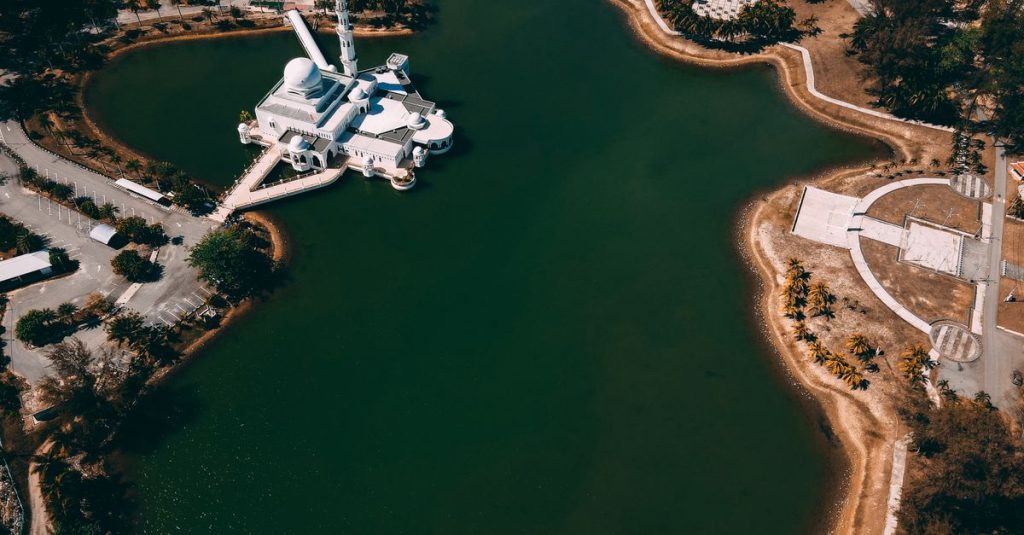
Discover Malaysia itineraries for 10 days, 2 or 3 weeks, with essential stops and practical advice for organising your trip.

Discover roti canai, Malaysia’s flaky, crisp breakfast flatbread, served with curry or dhal and enjoyed at mamak restaurants or home.
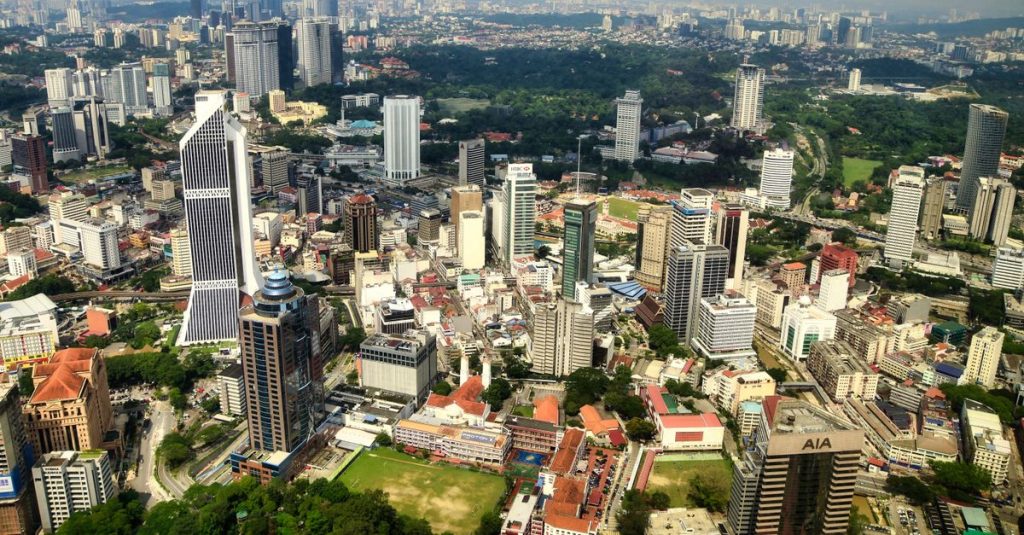
Discover Malaysia’s population, ethnic diversity and main religions, and understand the differences between citizens, residents and communities.

Experience the Malaysia MotoGP Grand Prix at Sepang: practical advice on tickets, access, accommodation and making the most of race day.
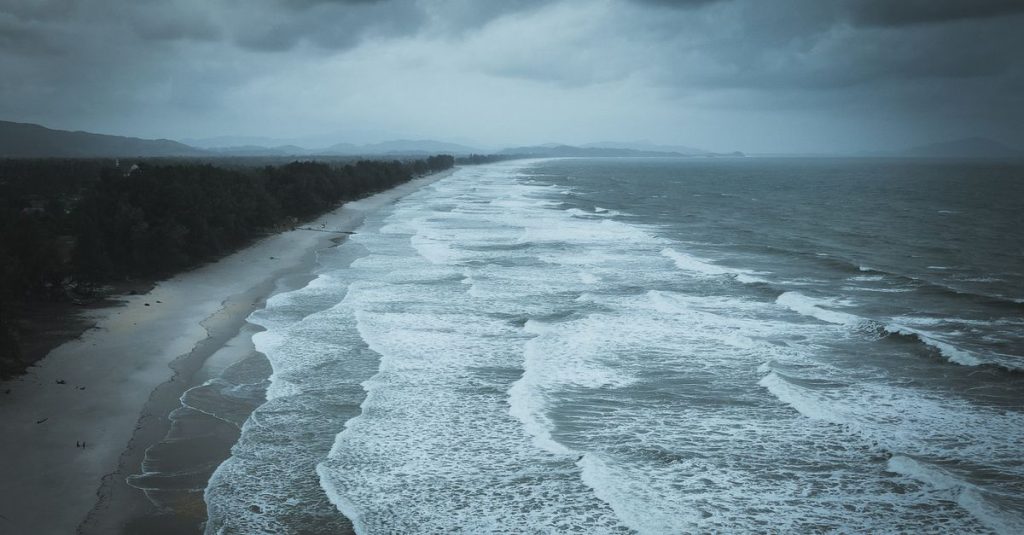
Discover Malaysia’s rainy seasons, monsoon patterns on the east and west coasts and in Borneo, and practical tips for planning your trip.
Scroll to see more articles →