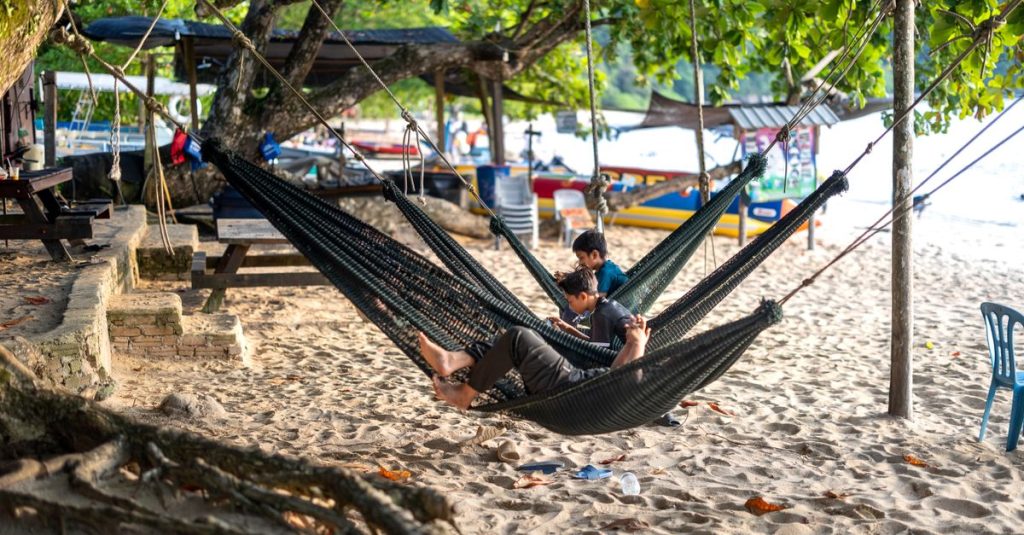
Pangkor Island: Beaches, Access and Things to Do
Discover Pangkor Island, from its beaches and fishing villages to ferry access, activities and practical tips for planning your stay.
Published on
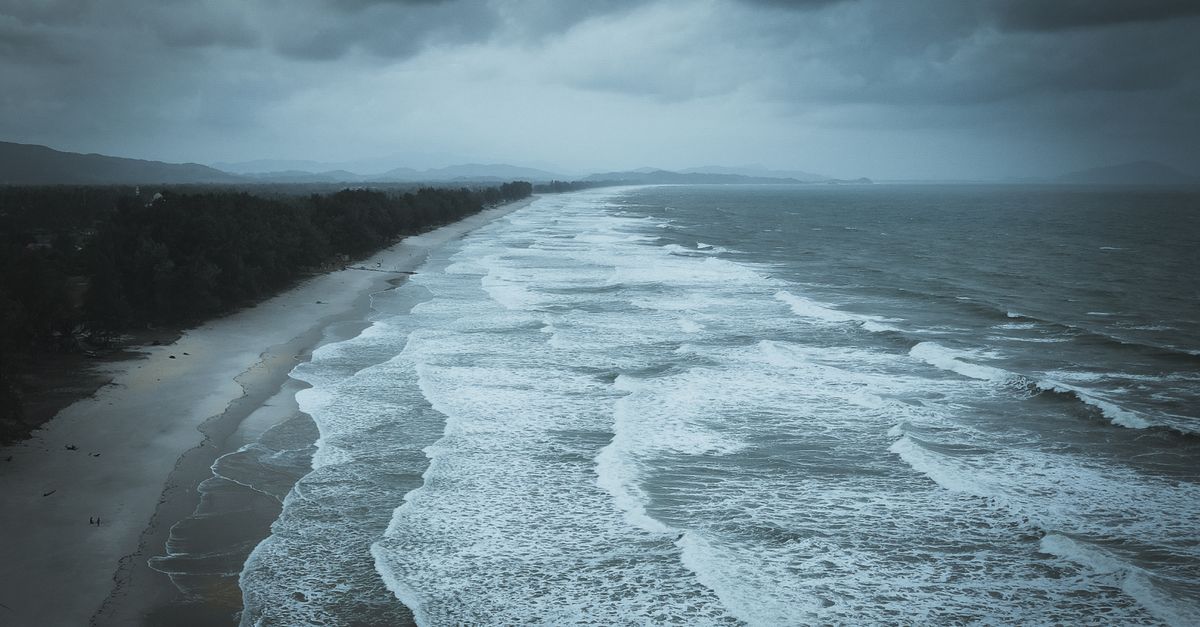
Yes, travelling during Malaysia’s rainy season is still possible, but choosing the right region is essential. The north-east monsoon particularly exposes the peninsula’s east coast to sustained rain and rough seas, generally from November to March. The west coast is often a more suitable option at this time, while Borneo requires preparation tailored to each destination.
The main issue is not simply whether it will rain: you also need to anticipate the effect on crossings, excursions and roads. A shower in George Town may alter a walk; a prolonged spell on the eastern islands can affect access to them. The periods mentioned are climate trends, not guarantees for your travel dates.
In brief
Malaysia’s tropical climate brings rainfall throughout the year. A relatively dry period means conditions that are usually less wet, not an absence of rain: even during a favourable window, a trip may be interrupted by a thunderstorm.
The north-east monsoon generally brings the most challenging conditions to the peninsula’s eastern side. Exposure to the South China Sea explains why the beaches of the Perhentian Islands and Langkawi can have very different conditions at the same time.
The south-west regime is not simply the opposite phenomenon that would make the entire west coast unusable. Transitional periods can also bring thunderstorms: reducing the country to an alternation between a dry coast and a drenched coast is misleading.
| Region | Key trend | Practical consequence |
|---|---|---|
| Peninsular east coast | Strong exposure to the north-east monsoon | Check whether boats are operating and accommodation is open |
| Peninsular west coast | Thunderstorms possible all year, with local variations | Alternate outdoor visits with sheltered activities |
| Malaysian Borneo | Persistent humidity and major differences between areas | Adapt coastal, forest and mountain stages separately |
A monthly average describes neither how showers are distributed nor the state of the sea. Nor does it mean that mornings will always be clear or that full days of rain are unusual everywhere.
Use our guide to the Malaysian climate by region to select your stops, then check METMalaysia forecasts and warnings before exposed journeys. The calendar helps you choose a destination; local alerts determine which activities are possible.
On the east coast, the main difficulty often concerns access to the islands rather than the comfort of a walk. The Perhentian Islands, Redang and Tioman depend on sea crossings that can be affected by wind, swell and safety decisions.
The generally more favourable period runs from spring to autumn, but its limits do not constitute fixed reopening dates. Each establishment and each route operates differently; it would therefore be inaccurate to present all the islands as administratively closed during the same months.
Before booking, have both your accommodation and transport confirmed together. An open hotel does not guarantee that a suitable crossing will operate on your arrival, or that a diving excursion can take place.
Check timetables with the official operator and any restrictions with the local maritime authorities. To compare destinations, our selection of Malaysian islands to consider for your trip helps distinguish their options, without replacing this operational check.
A lull is not enough to make swimming safe. Currents, waves and underwater visibility may remain unfavourable after a period of rough weather; follow the instructions of local teams and do not enter the water when swimming is prohibited.
Also avoid combining an island crossing with an international flight without sufficient time in hand. When the return depends on the weather, spending a night on the mainland makes the whole itinerary less vulnerable.
For a mainly beach-focused trip, it is better to change coast than rely on a succession of sunny spells. On the eastern islands, reliable access should come before booking a room with a view.
The west coast is often better suited to a flexible programme during the north-east monsoon. Penang and Langkawi nevertheless have different profiles, while Kuala Lumpur, inland, should not be treated as a beach resort.
In Langkawi, wind and sea conditions remain important for boat excursions. The period around the European winter is generally favourable for beach activities, but you should still check warnings before heading out.
Consult our guide to Langkawi weather and when to travel before planning a stop focused exclusively on beaches. Accommodation that also provides easy access to restaurants or land-based attractions offers greater flexibility.
In George Town, the appeal of a stay also lies in its heritage, museums and food. A shower may mean replacing a walk through the historic streets with an indoor visit or a meal in a kopitiam, without spoiling the day.
In the capital, alternate outdoor sights with sheltered places. Rail transport can avoid some road-related difficulties, but access to the station and the final part of the journey also deserve consideration when rainfall is heavy.
Kuala Lumpur’s climate makes it sensible to keep your programme flexible rather than putting all your visits outdoors. Do not assume that an umbrella will be enough during a thunderstorm with strong gusts or on a flooded street.
For meals, discovering Malaysian cuisine lets you enjoy an interesting indoor activity, provided you choose a genuinely sheltered venue. The main advantage of this coast is the variety of alternatives available.
In Borneo, a single calendar for Sabah and Sarawak would be too simplistic. The coast, inland forests and mountain areas do not face the same constraints, even when general conditions appear favourable.
The middle of the year often offers interesting conditions for certain activities, but this is not a uniform dry season. Build your itinerary around the specific sites you want to visit rather than around a promise of fine weather across the island.
For hiking, ask the park manager about trail conditions and any restrictions. A muddy slope, slippery footbridge or river crossing can make a route difficult even when it would otherwise be accessible.
A mountain itinerary should not be decided solely by the month. In the Mount Kinabalu area, Sabah Parks’ instructions, conditions at altitude and decisions by the authorities overseeing activities take priority over any general seasonal recommendation.
A very wet forest does not guarantee more animal sightings. Species activity, their location and visibility vary; rain can also make binoculars or cameras harder to use.
For river trips, particularly in the Kinabatangan area, water levels and navigation conditions affect the programme. Ask the operator how excursions are adapted and what alternatives are available if an activity has to be cancelled.
Take waterproof protection for your equipment and a change of clothes kept dry. Ambient humidity slows drying: a waterproof jacket is not enough if the items inside your bag are wet too.
In Borneo, the quality of the guides and the flexibility of the itinerary matter more than a label such as “best season”.
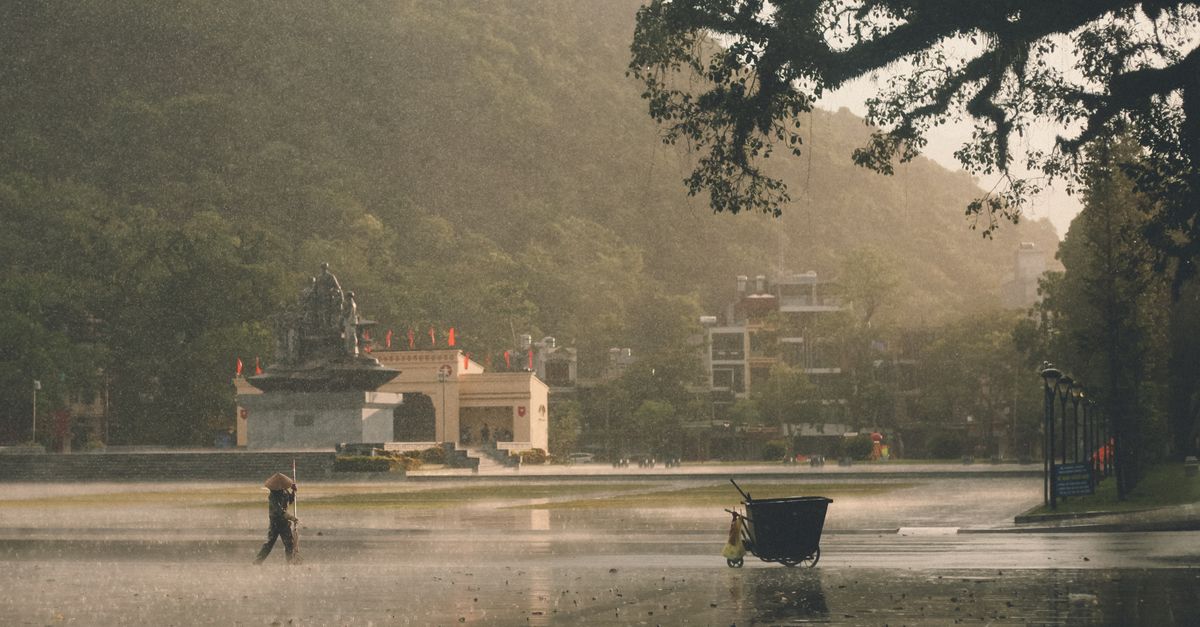
Flood risks are not limited to the regions most exposed to the monsoon. Intense rain can also cause water levels to rise quickly in towns or near rivers, even when little rain is falling where you are.
Do not cross a flooded road, whether on foot or by car: depth, current and the condition of the road surface are difficult to assess. Keep away from riverbanks and waterfalls during thunderstorms, and seek an enclosed shelter rather than standing under an isolated tree.
Check METMalaysia warnings and the Department of Irrigation and Drainage’s flood information. Our page on safety in Malaysia provides additional precautions, but instructions from the authorities on site always take priority.
Take lightweight rain protection, quick-drying clothes and a waterproof pouch for documents and electronic devices. Shoes should mainly provide good grip; for forest trails, choose a closed model suited to the terrain rather than city sandals.
Mosquito protection remains useful during the day and in the evening, depending on the species present. Use repellent according to its instructions and ask a healthcare professional for advice if you have specific needs.
The wet season guarantees neither cheaper hotels nor empty attractions. Holidays, festivals and available supply can affect visitor numbers and prices, even when the weather seems less attractive.
Above all, compare amendment conditions and insurance exclusions relating to bad weather. To prepare your budget, consult the guide to expenses in Malaysia and check amounts directly with providers: a flexible booking may be more useful than a non-refundable discount. You can also review Malaysia travel planning advice before finalising your itinerary.
Not necessarily. Showers may alternate with sunny spells, but prolonged periods do occur, particularly during the north-east monsoon in exposed regions. You should not assume that rain will be limited to the late afternoon.
The west coast is often more suitable, particularly for an itinerary combining Penang and Langkawi. This does not rule out thunderstorms or disruption to sea transport: check local forecasts before excursions.
There is no uniform closure that applies to every island. Some accommodation providers and routes suspend or reduce their operations. Have your accommodation and crossing confirmed separately for the dates planned.
Yes, depending on the destinations and activities. Urban itineraries are generally easier to adapt than hikes or river trips. Check conditions with park managers and plan a changeable programme.
Discover Pangkor Island, from its beaches and fishing villages to ferry access, activities and practical tips for planning your stay.

Discover Sepilok in Borneo and observe orangutans in the rainforest, while learning about rehabilitation and wildlife conservation.
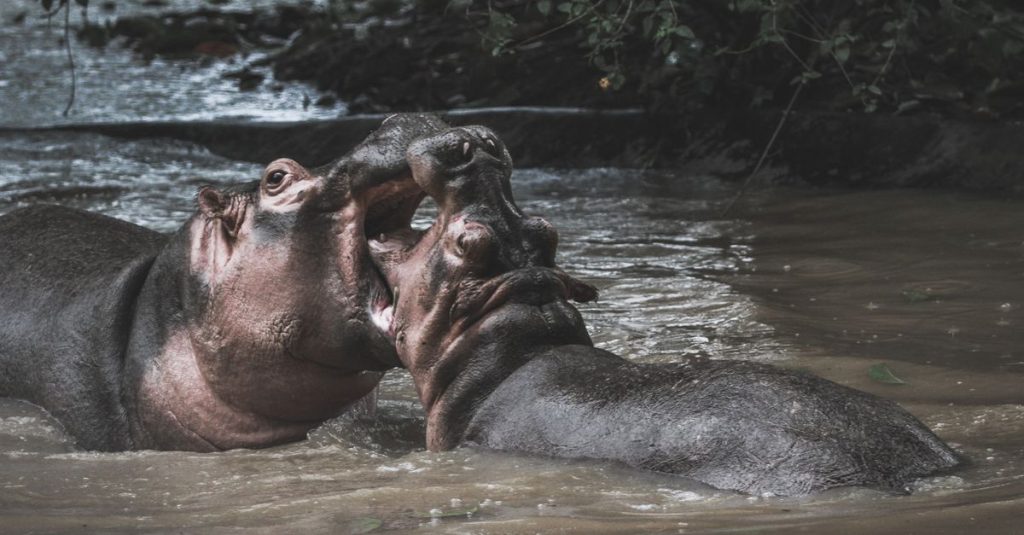
Explore the Kinabatangan River in Borneo with boat safaris, proboscis monkeys, orangutans, pygmy elephants and rainforest wildlife.
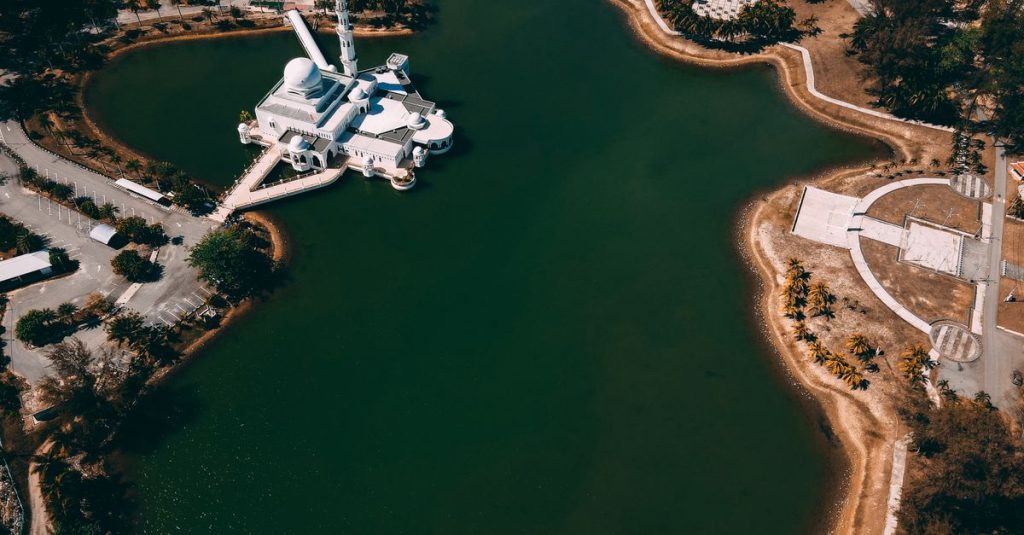
Discover Malaysia itineraries for 10 days, 2 or 3 weeks, with essential stops and practical advice for organising your trip.

Discover roti canai, Malaysia’s flaky, crisp breakfast flatbread, served with curry or dhal and enjoyed at mamak restaurants or home.
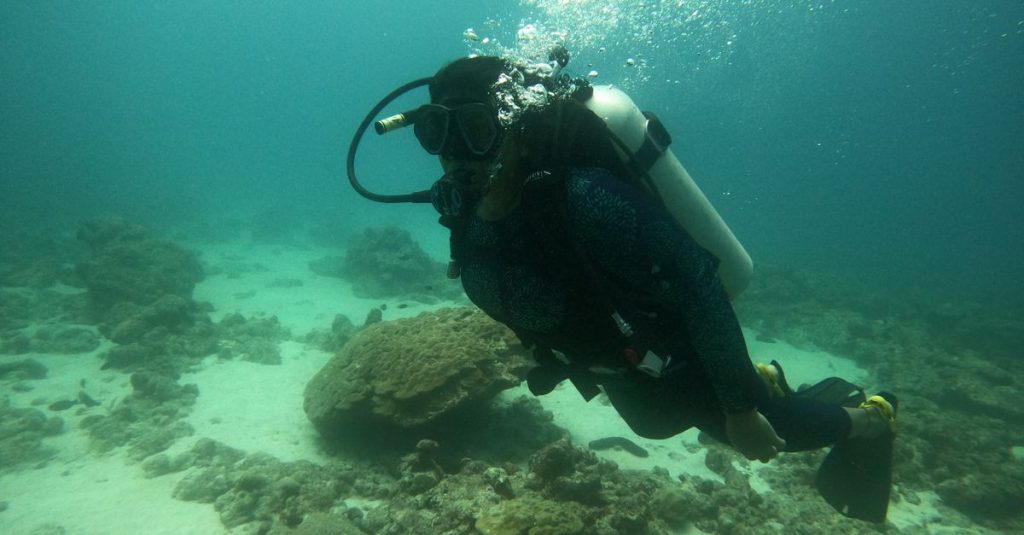
Discover Sipadan, Borneo’s legendary island: diving permits, the best season and practical advice for planning your underwater adventure.
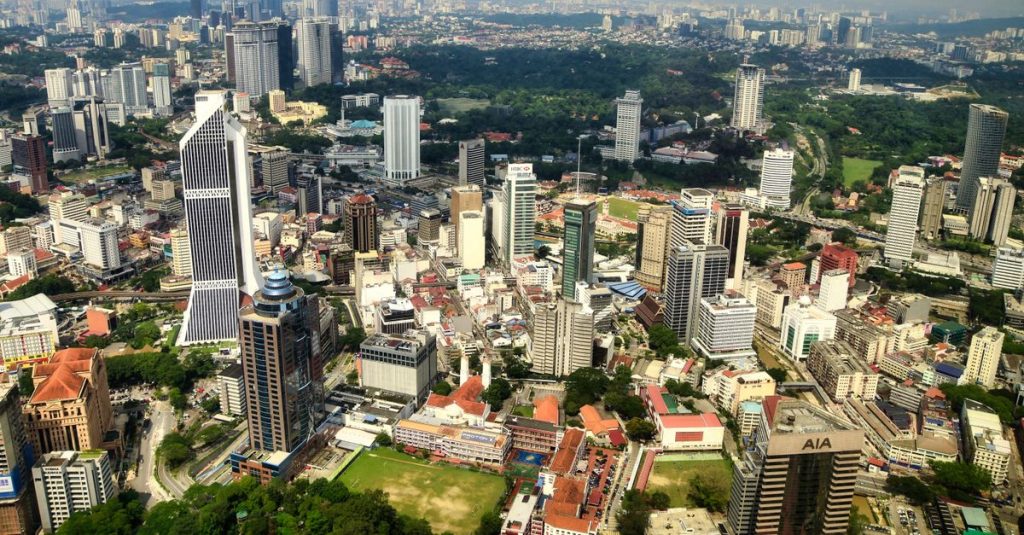
Discover Malaysia’s population, ethnic diversity and main religions, and understand the differences between citizens, residents and communities.

Experience the Malaysia MotoGP Grand Prix at Sepang: practical advice on tickets, access, accommodation and making the most of race day.
Scroll to see more articles →