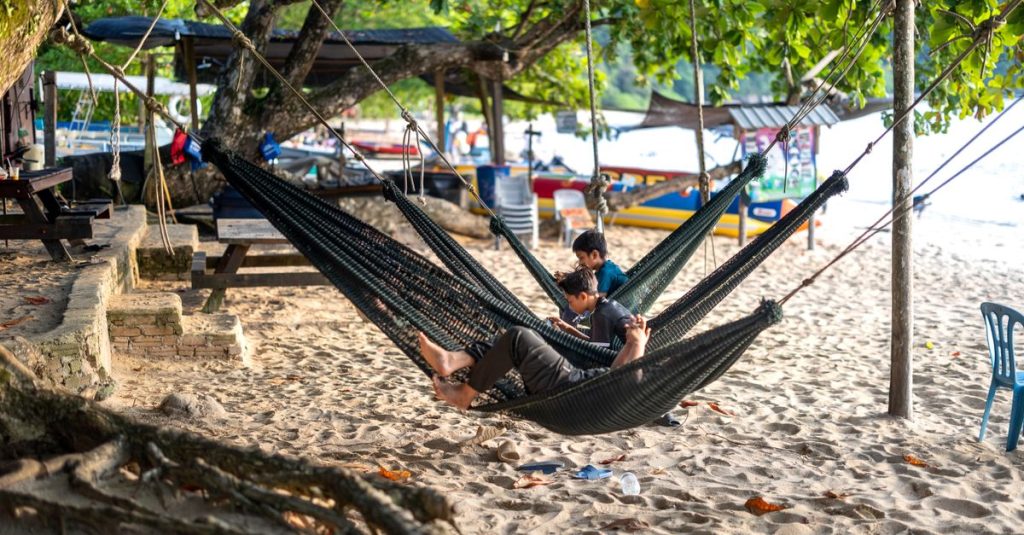
Pangkor Island: Beaches, Access and Things to Do
Discover Pangkor Island, from its beaches and fishing villages to ferry access, activities and practical tips for planning your stay.

Published on
February and July are good choices for visiting Kuala Lumpur, with generally less rainfall. June can also be suitable, while October and November require more flexibility for outings. Malaysia’s capital remains hot and humid all year round: no period guarantees a rain-free stay, and temperature differences matter less than the frequency of thunderstorms.
Kuala Lumpur weather mainly requires you to adapt the pace of your visits. Try to plan walks in the morning, with indoor activities that are easy to reach when the sky darkens. A rainy month does not rule out travelling: it simply changes how you explore the neighbourhoods, parks and markets.
In brief
Kuala Lumpur’s climate is equatorial. Its proximity to the Equator explains the lasting heat and the absence of a cool winter comparable to that of mainland France.
Temperatures in Kuala Lumpur vary relatively little throughout the year. When choosing a departure date, rainfall, cloud cover and travel conditions are therefore more decisive than looking for the coolest month.
Humidity in Kuala Lumpur increases discomfort during physical effort because sweat evaporates less easily in air laden with water vapour. Climbing the Batu Caves stairs or walking for a long time in the city centre can therefore feel tiring, even when the sky is overcast.
The sun can quickly give way to threatening clouds. Showers are often intense and accompanied by thunderstorms, particularly in the afternoon or towards the end of the day, although they can also occur at other times.
A rainy day is not necessarily a day completely lost. A morning walk can remain enjoyable before conditions deteriorate later; conversely, a sunny spell does not guarantee that conditions will remain stable until evening.
October and November frequently see an increase in thunderstorm activity. However, it would be misleading to reduce the local weather pattern to a single “main monsoon”: the transition periods between monsoons also play an important role in heavy rainfall.
The capital does not represent every region of the country. To combine an urban stop with a beach holiday, also consult our guide to Malaysia’s climate by region: a favourable period in Kuala Lumpur is not automatically favourable on every coast. For monsoon patterns across the country, see our guide to Malaysia’s rainy season.
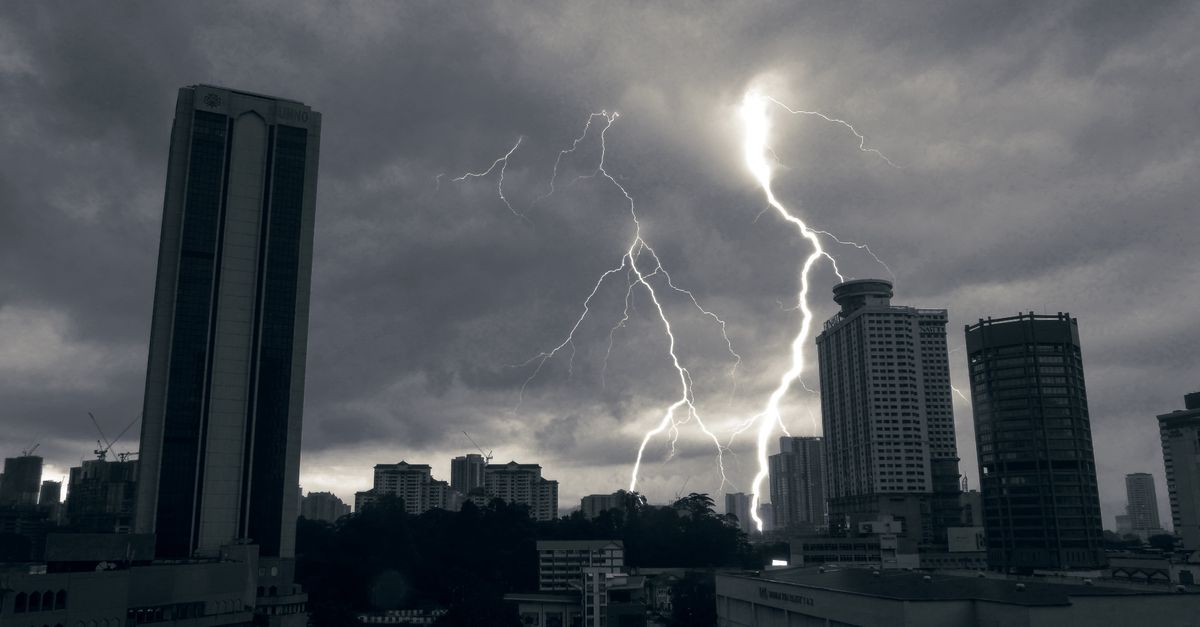
The calendar below presents climate trends, not forecasts for your travel dates. Monthly rainfall varies from one year to another, and a relatively less rainy month may still experience an episode of heavy rain.
The number of rainy days is not enough to describe travel conditions either. You need to distinguish between the frequency, duration and intensity of showers: these factors do not have the same effect on a walking tour.
| Month | Weather trend | Impact on sightseeing |
|---|---|---|
| January | Humid heat, with showers still possible. | Alternate walks with indoor activities. |
| February | A relative lull that is often favourable. | A good choice for prioritising outdoor outings. |
| March | Hot conditions, with thunderstorms. | Keep your excursions flexible. |
| April | Showers and thunderstorms are often present. | Plan a sheltered fallback near the places you visit. |
| May | Humid heat and still-frequent rainfall. | Avoid scheduling long walks back to back. |
| June | A relatively favourable period, without rain disappearing. | Plan visits to parks preferably in the morning. |
| July | A relative lull in rainfall. | A good compromise for exploring the city on foot. |
| August | Hot and humid conditions, with possible showers. | Keep rain protection with you. |
| September | Changeable weather and a risk of thunderstorms. | Adapt outings to local forecasts. |
| October | Often a very wet period. | Avoid a programme consisting exclusively of outdoor activities. |
| November | Generally abundant rainfall. | Choose accommodation with good transport links. |
| December | Persistent showers and humid conditions. | Do not count on a lasting spell of dry weather. |
Kuala Lumpur weather in January allows you to visit the capital, but it is not a dry winter. The heat remains and showers make it worth keeping indoor alternatives, particularly for days devoted to gardens or excursions.
Kuala Lumpur weather in July generally offers a more favourable compromise for getting around on foot. The improvement mainly concerns rainfall: it means neither cooler temperatures nor an end to the mugginess.
Choose a month for its general trend, then adjust each day to the actual conditions. This distinction prevents a climate calendar from becoming a promise of fine weather.
The best time to visit Kuala Lumpur is often around February or July if your priority is to limit interruptions caused by showers. June is also worth considering for a stay focused on neighbourhoods, gardens and monuments.
These periods are particularly interesting if you want to spend time at KLCC Park, in the Perdana Botanical Gardens or around Merdeka Square. In these open spaces, a heavy shower affects your plans more than it would during a museum visit.
However, it would be wrong to describe this as a dry season in the sense of a long period without rainfall. In Kuala Lumpur, the expression refers more to a relative lull: an umbrella remains useful even during the most favourable months.
The rainy season does not make the capital inaccessible. It is better suited to a programme combining heritage, museums, gastronomy and flexible walks than to a sequence of outdoor activities tied to rigid times.
October and November mainly require you to allow extra time for travelling. Localised flooding, a thunderstorm or slower traffic can complicate a journey, even when the destination remains open.
Should you postpone a trip simply because it falls during a wet period? Not necessarily: the type of activity matters as much as the month you choose, particularly in a city offering many sheltered options.
To build a balanced programme, our selection of things to do in Kuala Lumpur lets you combine outdoor visits with indoor venues. Weather then becomes an organisational factor rather than a permanent obstacle. For a broader overview of life in the capital, see our guide to moving to Kuala Lumpur.
Morning is often the best time for walking, before the build-up of heat makes physical effort more tiring. This applies to the Perdana Gardens as well as the Batu Caves, where the stairs add a physical challenge.
It does not guarantee that it will stay dry. Check the MET Malaysia forecast before setting off and rearrange activities if a thunderstorm is expected, especially for an outing far from the centre.
In the KLCC area, the proximity of the park and shopping centre makes it easy to alternate between outdoors and indoors. In Chinatown, choose an indoor venue that can be reached without a long walk: not every route offers shelter from the rain.
A café, museum or shopping centre provides a more suitable refuge than a tree or open shelter when thunder approaches. An umbrella protects you from raindrops, not lightning.
Markets and food streets are not necessarily fully covered. To discover Malaysian cuisine during a shower, choose a restaurant or indoor food court rather than a table merely protected by a parasol.
The urban rail network can help you avoid some road-traffic problems, but the route between the station and your destination still needs checking. A short distance on a map does not always mean a sheltered route.
Our guide to transport in Malaysia helps you prepare these journeys. Check timetables and any disruptions with the relevant operator, as this information changes.
Do not cross a water-covered road when its depth and the condition of the ground are unknown. Taking shelter is better than continuing a journey at all costs.
Choose lightweight, breathable clothing that dries easily. Thick clothing quickly becomes uncomfortable after a shower or a long walk, while a poorly ventilated waterproof jacket can increase the feeling of stuffiness.
A compact umbrella is useful for getting around the city. For footwear, focus above all on a grippy sole: steps, paving and some pedestrian crossings become slippery when wet.
A waterproof pouch protects documents and your phone. Also keep a light layer for air-conditioned spaces, where the contrast with outdoors can be noticeable.
When deciding where to stay in Kuala Lumpur, check access to stations and whether restaurants are nearby. This everyday convenience matters more when showers interrupt your outings.
Also check ventilation, whether the air conditioning works and whether you have somewhere to dry your belongings. For a longer stay, signs of persistent damp deserve as much attention as the view or leisure facilities. You can also compare neighbourhoods using our guide to the Kuala Lumpur rental market.
The right equipment makes adjustments easier without making every outing cumbersome. The essentials are being able to walk comfortably, protect your belongings and quickly reach an indoor place.
February and July generally offer a good compromise for limiting rainfall. June can also be suitable, but no month guarantees completely dry days.
Not necessarily. Rain often comes as intense showers interrupted by sunny spells, although longer episodes are possible. A rain symbol therefore does not automatically mean a whole day of rain.
It is more accurate to speak of relatively less rainy periods. The equatorial climate maintains a risk of rain and high humidity throughout the year.
Check forecasts and alerts from MET Malaysia, the Malaysian meteorological service. For a journey, also check announcements from the relevant transport operator.
Discover Pangkor Island, from its beaches and fishing villages to ferry access, activities and practical tips for planning your stay.

Discover Sepilok in Borneo and observe orangutans in the rainforest, while learning about rehabilitation and wildlife conservation.
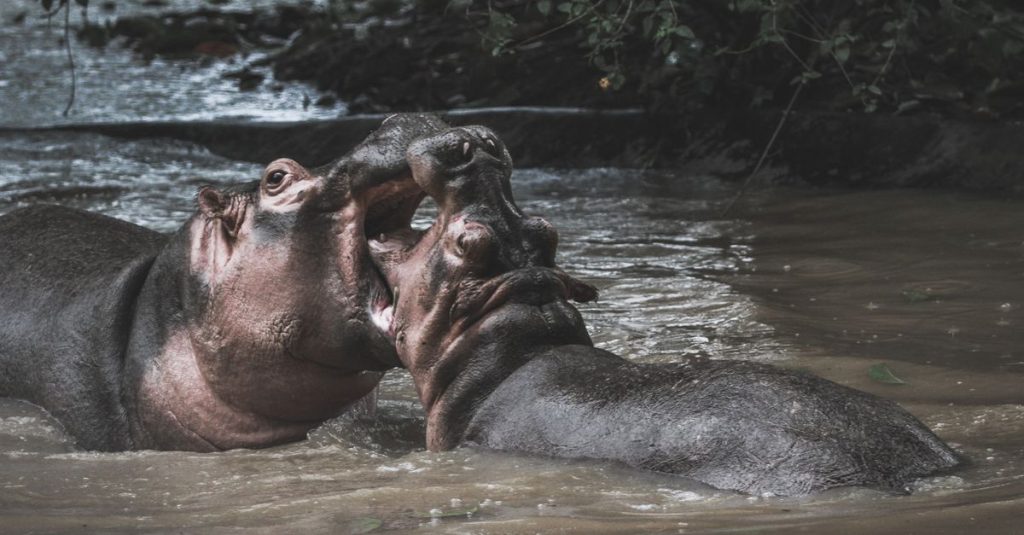
Explore the Kinabatangan River in Borneo with boat safaris, proboscis monkeys, orangutans, pygmy elephants and rainforest wildlife.
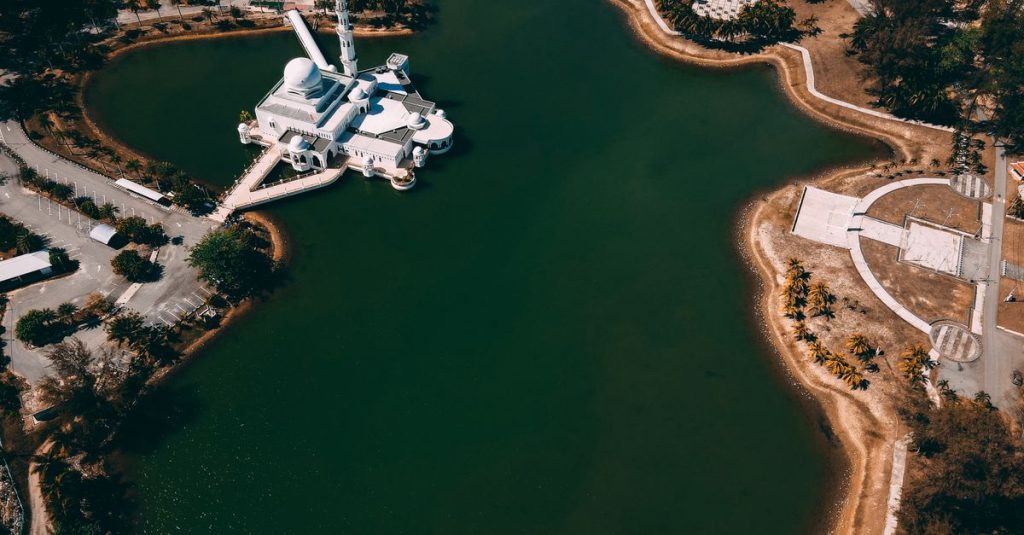
Discover Malaysia itineraries for 10 days, 2 or 3 weeks, with essential stops and practical advice for organising your trip.

Discover roti canai, Malaysia’s flaky, crisp breakfast flatbread, served with curry or dhal and enjoyed at mamak restaurants or home.
Discover Sipadan, Borneo’s legendary island: diving permits, the best season and practical advice for planning your underwater adventure.
Discover Malaysia’s population, ethnic diversity and main religions, and understand the differences between citizens, residents and communities.

Experience the Malaysia MotoGP Grand Prix at Sepang: practical advice on tickets, access, accommodation and making the most of race day.
Scroll to see more articles →