Living in Malaysia in 2026: the complete expat guide
Moving to, living in, and adapting to Malaysia in 2026: formalities, cost of living, housing, and practical tips for a successful expat experience.
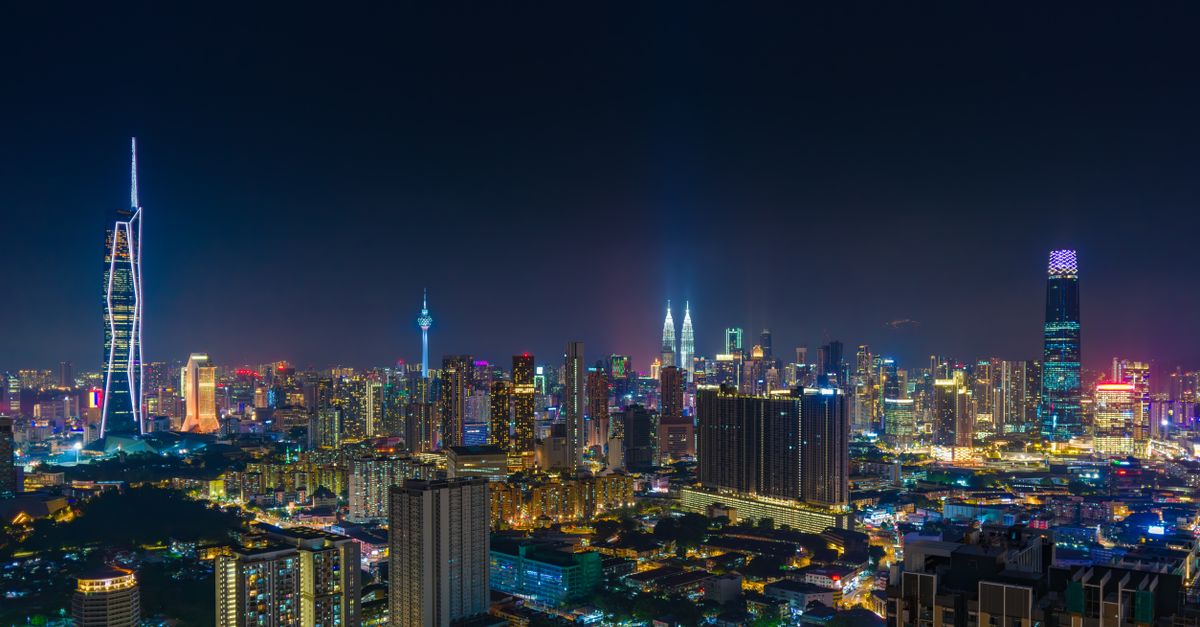
Kuala Lumpur’s rental market in 2026 is marked by renewed dynamism, driven by rapid urbanisation and the rise of new infrastructure projects. The Malaysian capital, the country’s economic and cultural heart, offers a diverse range of neighbourhoods suited to different tenant profiles, from expats to local families. This variety directly impacts rental prices, with significant variations depending on location, property type, and included amenities. Evolving demand, fuelled by growth in tech and finance sectors, is reshaping the property market structure, requiring careful analysis for anyone considering relocation or investment in Kuala Lumpur.
8 August 2026 · 14 min read
Kuala Lumpur’s rental market in 2026 is marked by renewed dynamism, driven by rapid urbanisation and the rise of new infrastructure projects. The Malaysian capital, the country’s economic and cultural heart, offers a diverse range of neighbourhoods suited to different tenant profiles, from expats to local families. This variety directly impacts rental prices, with significant variations depending on location, property type, and included amenities. Evolving demand, fuelled by growth in tech and finance sectors, is reshaping the property market structure, requiring careful analysis for anyone considering relocation or investment in Kuala Lumpur.
In this context, housing accessibility becomes a major challenge for expats, who must balance comfort, budget, and proximity to amenities. Whether in upscale neighbourhoods like Mont Kiara or KLCC, or in rapidly developing areas such as Bangsar or Petaling Jaya, renting apartments or houses can be a complex process. Additionally, the growth of digital rental platforms alongside the professionalisation of the local sector provides valuable tools to better negotiate and choose housing in this ever-evolving environment.
A neighbourhood-by-neighbourhood breakdown of rents helps understand local constraints, buying or rental opportunities, and ideal setups based on user profiles. This in-depth study also sheds light on differences between traditional residential areas and ultra-modern business hubs, where demand for high-end serviced apartments remains strong among the international community. Finally, considering additional costs, local contractual practices, and alternative options like coliving completes this insight into the Malaysian rental market reality in 2026.
Kuala Lumpur’s urban geography creates a highly fragmented rental market. Each neighbourhood offers a distinct profile, with rental prices reflecting lifestyle quality, infrastructure, and the dominant tenant demographic. In 2026, demand remains particularly strong in key areas, especially among expats and young professionals.
Mont Kiara and Sri Hartamas continue to attract expat families thanks to the presence of numerous international schools and a wide range of Western amenities. Here, studios can range between 2,500 and 4,000 MYR per month, while three-bedroom townhouses vary between 5,000 and 9,000 MYR. This higher price range reflects the standard of the residences, often equipped with pools, gyms, and enhanced security.
At the heart of the city, KLCC and Bukit Bintang attract tenants seeking an ultra-central lifestyle, often singles or childless couples. One-bedroom apartments range from 2,500 to 4,500 MYR, while two-bedroom units can reach up to 7,000 MYR. These areas benefit from direct proximity to the iconic Petronas Towers and easy access to public transport, justifying the higher rents.
The trendy neighbourhood of Bangsar and Damansara offers a lively and youthful atmosphere, with plenty of cafés, restaurants, and green spaces. Rent for a one-bedroom apartment ranges between 2,000 and 3,500 MYR, while three-bedroom family homes are listed between 3,500 and 6,000 MYR. This area appeals to both expats and local professionals seeking a balance between urban life and residential comfort.
Petaling Jaya and Subang Jaya embody value for money near Kuala Lumpur. These suburbs, located 20-30 minutes from the city centre, offer more affordable rents: between 1,500 and 2,500 MYR for a room, and 2,500 to 4,000 MYR for three-bedroom properties. Well-developed public services, shopping centres, and transport networks contribute to their growing appeal, particularly for families and young couples.
| Neighbourhood | Studio (MYR/month) | 1-bedroom apartment (MYR/month) | 3-bedroom apartment/house (MYR/month) |
|---|---|---|---|
| Mont Kiara / Sri Hartamas | 2 500 – 4 000 | – | 5,000 – 9,000 (townhouse) |
| KLCC / Bukit Bintang | – | 2 500 – 4 500 | 4 000 – 7 000 |
| Bangsar / Damansara | – | 2 000 – 3 500 | 3 500 – 6 000 |
| Petaling Jaya / Subang Jaya | – | 1 500 – 2 500 | 2 500 – 4 000 |
This clear segmentation allows for a detailed analysis of property market trends and the expected quality-to-price ratio in each neighbourhood, while also highlighting areas with the highest rental demand.
Beyond the Malaysian capital, Penang and Johor Bahru offer attractive alternatives for expats and investors seeking more affordable rental markets. Penang, with its capital George Town, blends urban and coastal living, highly favoured by retirees and digital nomads.
In George Town, studio rentals with a pool range between 1,400 and 2,500 MYR, while 2- or 3-bedroom apartments cost between 2,500 and 4,500 MYR. Waterfront apartments in Tanjung Tokong or Gurney go for 2,500 to 6,000 MYR, justified by their prime locations. For those preferring spacious standalone homes, suburban houses can be found between 2,000 and 5,000 MYR.
Johor Bahru, located on the border with Singapore, attracts cross-border workers seeking a lower cost of living. One-bedroom condo apartments typically rent for between 1,500 and 2,500 MYR, while larger homes with 2-3 bedrooms can reach 4,500 MYR in areas like Medini or Bukit Indah. The upcoming KL-Singapore high-speed rail link will further boost the appeal of this strategically positioned city.
| City | Studio / Condo (MYR/month) | 2-3 bedroom apartment (MYR/month) | Detached house (MYR/month) |
|---|---|---|---|
| Penang (George Town) | 1 400 – 2 500 | 2 500 – 4 500 | 2,000 – 5,000 (outside the city centre) |
| Johor Bahru | 1 500 – 2 500 | 2 500 – 4 500 | 2 000 – 3 500 |
These two cities show that Malaysia’s rental market remains diverse, offering options for those prioritising quality of life and overall cost without focusing solely on Kuala Lumpur.
While the Kuala Lumpur rental market is dynamic, understanding the administrative and commercial steps is key. For foreigners, renting typically starts with browsing specialised platforms like PropertyGuru, iProperty, or Mudah. Viewings are essential before signing to avoid surprises, particularly regarding the condition of the air conditioning, which is crucial in the hot and humid climate.
The standard rental contract is typically a lease of 12 to 24 months. It often includes a security deposit equivalent to 2-3 months’ rent, plus a utility deposit (around half a month’s rent). Agency fees, paid by the tenant, usually equal one month’s rent. It is important to request a Tenancy Agreement formal contract including an early termination clause, usually set at two months’ notice.
Negotiating rent is common, especially for long-term leases. Offering a payment guarantee over an extended period often secures a 5% to 10% discount. Electricity costs can be a significant expense, particularly with air conditioning running almost constantly. Verifying estimated amounts before signing avoids unwelcome financial surprises.
The majority of expat housing is furnished and includes shared amenities such as swimming pools, gyms, and 24/7 security. This type of accommodation perfectly matches the expectations of international profiles, who aim to minimise their personal logistics.
To better understand the specifics of renting in Kuala Lumpur, it is advisable to explore detailed resources, such as this specialised guide on renting an apartment in Kuala Lumpur, which covers rental prices, procedures, and pitfalls to avoid.
| Criteria | Kuala Lumpur | Penang | Johor Bahru |
|---|
* The data is indicative and based on 2026 rental market trends.
Kuala Lumpur’s rental market is heavily influenced by thriving economic sectors, particularly tech and finance. Areas like Bukit Bintang and KL Eco City have seen rent increases of over 12% in five years, driven by high demand and proximity to business hubs. This trend is accompanied by a steady influx of young professionals and digital nomads, who favour modern apartments, often in coliving spaces or serviced residences.
Families often prefer areas like Mont Kiara or Desa ParkCity, where schools and green spaces are highly sought after. Students, frequently based in Sunway or Bukit Jambul, benefit from a niche market for short-term or shared rentals. Due to this segmentation, rental demand has specialised, with tailored offerings in terms of property size, amenities, and budget.
For investors, gross rental yields remain attractive, ranging between 4.5% and 5% in the capital, with opportunities in Penang and Johor Bahru at around 4% and 5.2% respectively. Foreign property purchases are subject to a minimum threshold, typically between 600,000 and 1,000,000 MYR, depending on the state, without directly affecting rental possibilities.
To meet the growing diversity of needs, several temporary solutions are emerging to ease the settlement of new arrivals. Co-living apartments like Co-Liv KL or Komune Living offer a practical alternative, bundling all utilities into a monthly package ranging between 2,500 and 4,000 MYR. This arrangement particularly appeals to freelancers and digital nomads who value flexibility and a sociable environment.
Short- to medium-term rentals via platforms like Airbnb are also growing, with higher rates (2,000 to 5,000 MYR for a one-bedroom apartment in Kuala Lumpur). They offer comfort levels comparable to hotels.
Serviced apartments, blending hotel and residential living, offer premium amenities with monthly rates ranging from 3,000 to 8,000 MYR. They appeal to those seeking a secure lifestyle without the hassle of traditional rentals.
These alternatives complement traditional rental offerings and meet evolving market demands, where mobility and quick settlement are becoming essential criteria.
The standard is 2 to 3 months’ rent, refundable at the end of the tenancy after an exit inspection. An additional deposit of 0.5 to 1 month is often required for water and electricity charges.
Yes, a visa is not required to rent a property. However, the lease duration cannot exceed the length of your authorised stay under the current visa.
Mont Kiara, Sri Hartamas, and Desa ParkCity are the most popular neighbourhoods for families due to the presence of international schools and green spaces.
Opting for a long-term lease, making an advance payment, and choosing the rental period during the low season (January–March) often allows you to secure discounts of 5 to 15% on the rental price.
Pool, 24/7 gym access, enhanced security, and private parking are standard facilities. Some condos also include ultra-high-speed fibre optic internet.
Moving to, living in, and adapting to Malaysia in 2026: formalities, cost of living, housing, and practical tips for a successful expat experience.

How much does it cost to live in Malaysia? Housing, food, transport, and leisure: A detailed monthly budget for 2026, with real-life spending examples.
Discover all our guides to prepare for your expatriation to Malaysia: visas, accommodation, cost of living and daily life.
View all guides →