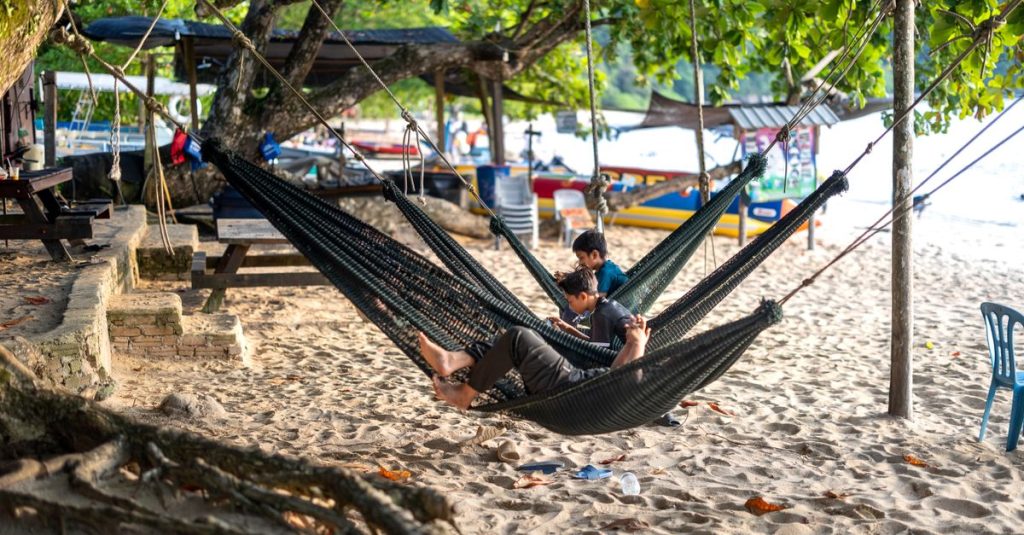
Pangkor Island: Beaches, Access and Things to Do
Discover Pangkor Island, from its beaches and fishing villages to ferry access, activities and practical tips for planning your stay.
Published on
For a balanced Malaysia itinerary, focus on the peninsula over 10 days, add a nature stop and an island over 2 weeks, then consider Borneo over 3 weeks. The right route depends mainly on your priorities: heritage in Malacca and George Town, tea plantations in the Cameron Highlands, swimming in Langkawi or on the east coast, or wildlife spotting in Sabah or Sarawak. Trying to include everything quickly turns days of sightseeing into days of transfers.
Geography should guide your bookings. Malacca lies south of Kuala Lumpur, while the Cameron Highlands, Penang and Langkawi form a route towards the north. Borneo is a separate trip, with its own travel requirements and access constraints. As for the islands, their appeal depends as much on sea conditions as on your choice of accommodation. Build your route around the experiences you want, then check the connections that are actually available before booking.
In brief
A 10-day trip to Malaysia is best kept focused on the peninsula. Kuala Lumpur, Malacca and Penang make up a coherent cultural route, provided you accept returning towards the capital after the southern stop. If the beach is your priority, replace Malacca or Penang with Langkawi rather than adding another destination.
On arrival, choose accommodation near an urban transport station. Bukit Bintang suits travellers who want nightlife and easy access to restaurants; the KLCC area offers the park and the Petronas Towers district. Our guide to living in Kuala Lumpur can help you understand the city’s main areas.
Group visits by area: explore Chinatown and the heritage streets together, then visit KLCC and its surroundings at another time. The Batu Caves require a separate outing; avoid placing them between appointments on opposite sides of the city centre.
Heat and humidity make full days of walking tiring. Alternate walks, breaks and indoor visits, and do not book a fixed-time activity immediately after landing. The guide things to do in Kuala Lumpur helps you choose neighbourhoods according to your interests.
Malacca offers a different perspective on the country: former trading houses, colonial heritage, Peranakan culture and riverside walks. Staying overnight allows you to explore the centre at different times, rather than limiting your visit to a return day trip.
This stop does, however, require a detour south. For a more relaxed trip, you can leave it out and spend more time in George Town, on Penang Island. Giving up one city can improve a trip more than adding another visit.
In George Town, do not limit your plans to the street murals. Places of worship, clan houses and old shops explain the diversity of the historic district. Reading about Malaysia’s communities and traditions provides useful context for understanding this cultural proximity.
Food is also a genuine way to explore. Food courts with several stalls let you try different specialities without constantly changing address; choose freshly prepared dishes and observe hygiene conditions, rather than assuming that all street food is automatically safe.
Penang is primarily a heritage and food destination. If swimming is your main objective, choose a dedicated beach stop rather than assuming that all islands offer the same experience. Langkawi combines beaches, mangroves and excursions, but distances between its areas affect daily travel.
The Perhentian Islands are another option when sea conditions and accommodation opening dates allow. Reaching them involves travelling to the coast and crossing by boat; this time must appear in your itinerary. Check departures with the boat operator and safety advice with the local authorities.
For a short trip, leave some time before your international flight if your return depends on a boat or separate tickets. The best itinerary is one whose transfers remain compatible with the time you genuinely have on the ground.
For a 2-week trip to Malaysia, the route Kuala Lumpur, Cameron Highlands, Penang and Langkawi offers a clear alternation between city, mountains and coast. It avoids crossing the peninsula several times. Plan the return according to your departure airport and the connections being marketed when you travel.
After the capital, the Cameron Highlands provide cooler surroundings, tea plantations and mountain scenery. Tanah Rata is a practical base for accommodation, restaurants and excursions, but not all points of interest are within walking distance of the centre.
Choose activities according to their location instead of trying to visit every farm. One well-chosen plantation and walk are more rewarding than a succession of similar stops. Roads can be busy during periods of local travel, reducing the time available for visits.
Hikes require specific preparation. Rain can make paths slippery, and access to some forest areas depends on conditions or management decisions. Check whether paths are open with the site manager; a guided excursion may be preferable on difficult or poorly marked terrain.
If winding roads do not suit you, replace this stop with Ipoh. This alternative focuses on urban heritage, temples among limestone hills and food, while maintaining a route towards the north. It does not replicate the mountain experience, but is better suited to a city-focused trip.
In Penang, set aside separate periods for the historic centre and excursions outside the old district. Kek Lok Si and Penang Hill should not be added automatically after a long day on foot. Their interest justifies giving them proper time in your stay.
Accommodation affects the experience here. A central address makes walks and meals easier, while a beach property means more travel to explore George Town. Consult a guide to the main things to see in Penang before choosing where to stay.
Use this stop to discover the differences between Malay, Chinese, Indian and Peranakan cuisines. The guide to Malaysian cuisine helps you identify dishes; satay skewers offer an introduction to grilled food and its accompaniments.
Langkawi works well for a final stop combining relaxation and occasional outings. Choose your beach according to the atmosphere you want: proximity to restaurants, peace and quiet, or access to excursions. An isolated hotel may be pleasant, but it increases your reliance on transfers for meals and activities.
To reach the archipelago, do not assume that a direct connection from Penang operates on your dates. Compare the routes actually offered and check times with the relevant airlines or boat companies. A connection mentioned in an old travel account is not necessarily a bookable service.
If you prefer the Perhentian Islands or Tioman, rebuild the end of your route around their departure port rather than simply replacing the island’s name. This change may require dropping another stop. On this itinerary, Borneo remains possible, but it must replace part of the peninsula route: it is a choice of region, not an additional excursion.
A 3-week trip to Malaysia allows you to combine the peninsula with Borneo, provided you choose between Sabah and Sarawak. Keep a simple route on the mainland, then devote a substantial part of the trip to the selected region. Trying to include Kuching, Mulu, Kota Kinabalu, Sepilok and Semporna would leave too much time for travel.
Start in Kuala Lumpur, then choose stops that match your priorities. The Cameron Highlands appeal to plantation and walking enthusiasts; Penang suits heritage and food. An island completes the route if the beach is important to you.
Malacca can replace the mountains for a more cultural route. Taman Negara is another nature option, but reaching it and taking part in activities require time. It should not be treated as a quick stop between distant destinations.
Before booking, locate the regions on a map of Malaysia and its neighbours. The separation between the peninsula and Borneo explains why an apparently compact itinerary involves several logistical breaks. Book key flights before accommodation with restrictive cancellation terms.
Kuching suits a trip combining the city, museums and outings into the surrounding natural areas. Riverside walks and shopping districts allow you to discover Sarawak’s capital without changing accommodation every night.
Bako National Park offers a forest and coastal experience that differs from the peninsula’s plantations. Access depends in particular on boating conditions and arrangements set by the management authority. Check visiting options with Sarawak Forestry Corporation before finalising your plans.
Semenggoh can complement this programme and introduce the work carried out with orangutans. Wildlife sightings are never guaranteed: animals cannot be summoned, even at a place dedicated to their protection. Keep your distance and follow the instructions given on site.
A longhouse visit should be organised with a community that genuinely welcomes visitors. Ask what is planned, how the welcome is paid for and which rules apply to photography. This avoids reducing a living culture to a tourist backdrop.
In Sabah, distinguish Kota Kinabalu from Sandakan, Sepilok and the Kinabatangan. These destinations are not all close neighbours. Choose a route suited to available flights and transfers organised by accommodation providers or operators.
Sepilok and the Kinabatangan combine well in a wildlife-focused itinerary. A river trip allows you to observe the banks from the water, while a lodge stay offers several opportunities for exploration. Choose operators that do not feed wild animals and respect their peace.
Mount Kinabalu requires a different level of preparation if you intend to climb it, rather than simply explore the surrounding area. Availability, guiding and access conditions must be checked with Sabah Parks. Do not add this activity at the last minute without assessing your fitness and the booking constraints.
Semporna and the nearby islands mainly suit a marine trip. Including them means removing something else, and consulting the safety advice from France Diplomatie. In Borneo, choosing one coherent area allows you to explore more deeply rather than collecting airports.
The best time to visit Malaysia depends on the regions you choose, not just your departure month. The west coast, eastern islands and Borneo do not follow identical weather patterns. Your itinerary should therefore remain adaptable: choose beach stops after examining the usual conditions on their coast.
The Perhentian Islands, Redang and Tioman are exposed to the north-east monsoon. When it affects navigation, crossings may be disrupted and some establishments may suspend operations. The fact that a hotel appears on a platform does not confirm that the entire journey is possible.
Before booking, ask the accommodation provider exactly how to reach its beach and have crossings confirmed by the operator. Also check forecasts and alerts from Malaysia’s meteorological department, MetMalaysia. Maritime safety takes priority over keeping to a schedule.
Langkawi and Penang are not guaranteed to be rain-free. The west coast also experiences showers and unsettled periods. Its advantage includes the possibility of alternating city visits, food and indoor activities when the weather limits outdoor outings.
The guide to Malaysia’s climate allows you to compare regions. To understand the practical consequences for excursions and crossings, also consult the advice on the rainy season.
In cities, schedule walks for the least demanding parts of the day and plan indoor alternatives. A museum, heritage house or meal in a covered venue can replace a long outdoor outing. This flexibility prevents a shower from becoming a wasted day.
In the mountains, the issue is not just comfort. Waterlogged ground, poor visibility or a closed path can affect whether a hike is possible. Do not cross a closure, and ask the local manager for advice before setting out on a forest route.
In Borneo, rain is part of the tropical environment. Protect documents and sensitive equipment, choose suitable footwear and pack clothes that dry easily. A wildlife excursion should remain worthwhile even without a spectacular sighting: scenery, habitats and the guide’s explanations matter too.
To decide what to do in Malaysia, start with the experience you do not want to sacrifice. If snorkelling motivates the trip, choose the marine destination and its favourable season first. If historic districts and food are your priority, cities offer more alternatives when plans need to change.
| Priority | Preferred route | Essential check |
|---|---|---|
| Heritage and food | Kuala Lumpur, Malacca, George Town | Opening of visitor attractions |
| Beaches and snorkelling | One island chosen according to the season | Sea conditions and crossings |
| Plantations and hiking | Cameron Highlands | Trail condition and accessibility |
| Forest and wildlife | One area of Sabah or Sarawak | Park access and local arrangements |
Families may prefer stable bases, nearby food and activities that are easy to change. Independent travellers can keep more flexibility, without postponing bookings that are essential in remote areas. The right season is the one that suits your priority activities, with a realistic alternative.
To control your Malaysia travel budget, first limit the number of regional changes. Each journey can add the main ticket, transfer to the terminal, baggage and travel to your accommodation. Comparing only the advertised price of a flight or coach hides part of the actual cost.
Transport in Malaysia combines trains, coaches, planes, boats and urban travel. Rail serves some peninsula routes, but does not go directly to the Cameron Highlands or every beach resort. Check the arrival station and the final journey required before buying a ticket.
Coaches reach many towns, but terminals may be far from the area where you are staying. Check times directly with the operator and locate the exact departure address. The guide to getting around Malaysia helps compare options for each stop.
A car can be useful for a rural route, but is often less convenient in busy centres. Include parking, insurance, fuel and tolls, then check the contract terms and required documents. The Malaysia cost-per-kilometre calculator helps assess the overall cost rather than just the rental price.
Prioritise key transport and accommodation with limited availability. On an island or at a forest lodge, meals and transfers may depend on the property. Ask exactly what is included and what happens if a crossing is cancelled.
For prices, times and exchange rates, check information with the relevant companies, accommodation providers and official bodies when booking. The guide to the cost of living in Malaysia helps identify spending categories, but a personal budget should reflect your route and chosen comfort level.
Entry formalities depend on the traveller’s nationality and situation. Check with Malaysia’s Immigration Department and France Diplomatie before departure, then use the guide to the visa for French travellers to prepare your checks. For insurance, examine exclusions, assistance and cover for planned activities.
Yes, the main urban routes can be organised using public transport and local transfers. A car is mainly useful for some rural routes. Always check the final journey between the station or terminal and your accommodation, particularly in remote areas.
It is better to choose Borneo as the main region rather than add it to an already busy peninsula itinerary. A focused route around Kuching or one area of Sabah allows you to enjoy excursions without multiplying flights and accommodation changes.
Choose stable bases, simple transfers and an alternation between visits and rest. Select accommodation according to accessibility and proximity to meals. For swimming, check local conditions: a tourist beach is not automatically suitable for every child.
Book the constrained stops first: islands, lodges, excursions with accommodation and nights linked to a flight. Elsewhere, you can retain more flexibility depending on visitor numbers. Check cancellation terms and the cost of changes before choosing a non-refundable offer.
A cheaper ticket is only an advantage if its times, conditions and transfers genuinely suit your itinerary.
Discover Pangkor Island, from its beaches and fishing villages to ferry access, activities and practical tips for planning your stay.

Discover Sepilok in Borneo and observe orangutans in the rainforest, while learning about rehabilitation and wildlife conservation.
Explore the Kinabatangan River in Borneo with boat safaris, proboscis monkeys, orangutans, pygmy elephants and rainforest wildlife.

Discover roti canai, Malaysia’s flaky, crisp breakfast flatbread, served with curry or dhal and enjoyed at mamak restaurants or home.
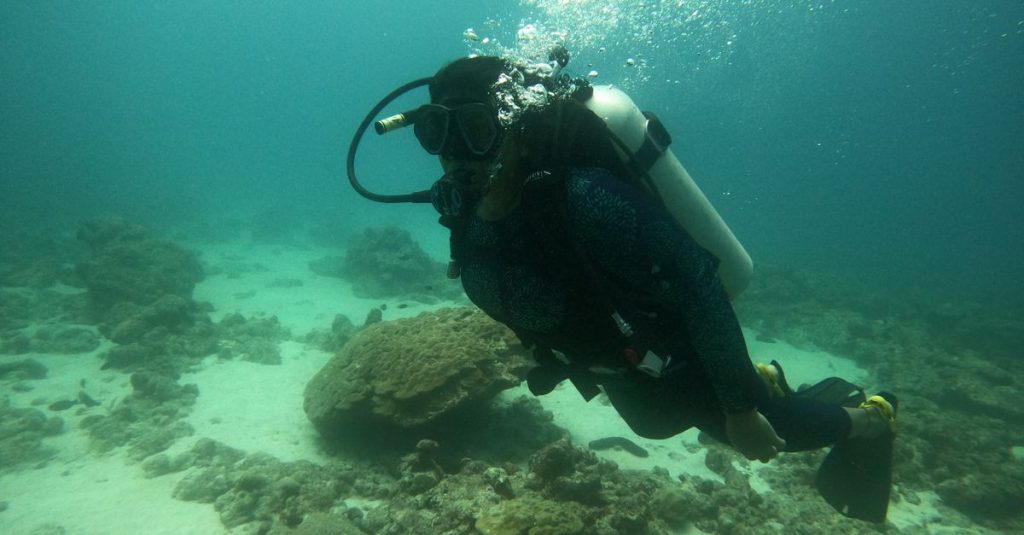
Discover Sipadan, Borneo’s legendary island: diving permits, the best season and practical advice for planning your underwater adventure.
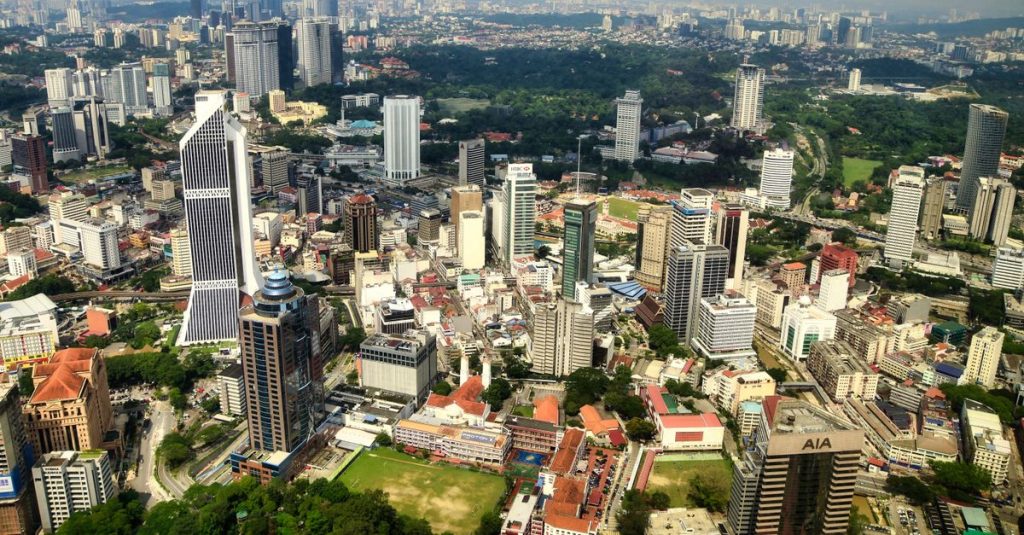
Discover Malaysia’s population, ethnic diversity and main religions, and understand the differences between citizens, residents and communities.

Experience the Malaysia MotoGP Grand Prix at Sepang: practical advice on tickets, access, accommodation and making the most of race day.
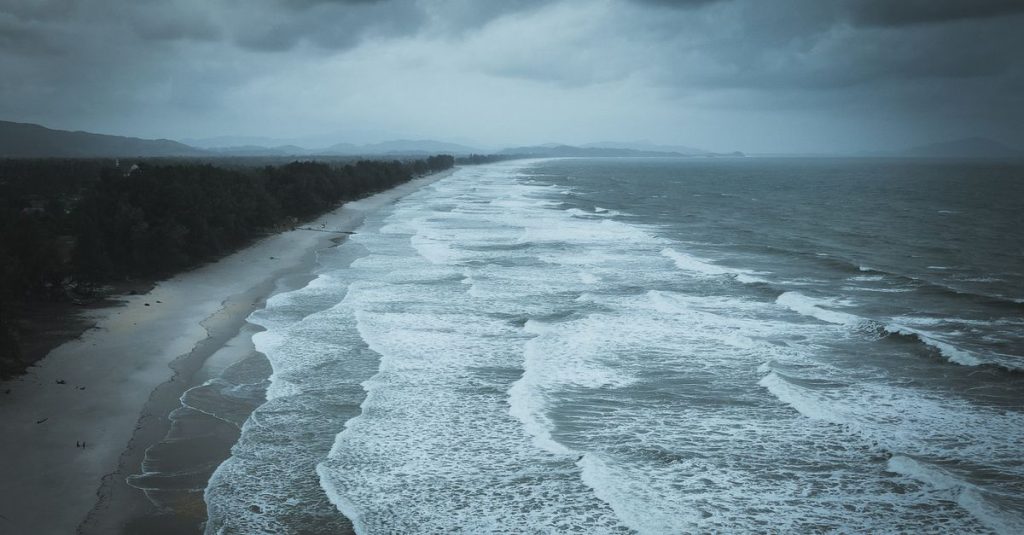
Discover Malaysia’s rainy seasons, monsoon patterns on the east and west coasts and in Borneo, and practical tips for planning your trip.
Scroll to see more articles →