Pangkor Island: Beaches, Access and Things to Do
Discover Pangkor Island, from its beaches and fishing villages to ferry access, activities and practical tips for planning your stay.
Published on
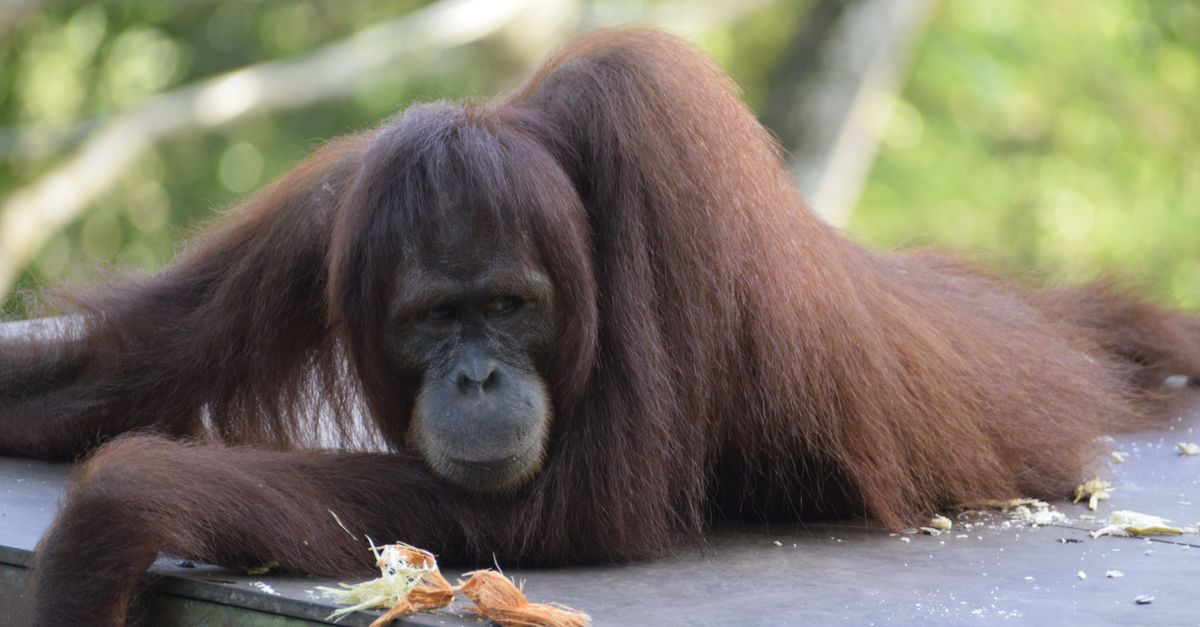
Sepilok offers the chance to observe Bornean orangutans in a setting dedicated to their rehabilitation, near Sandakan, in the Malaysian state of Sabah. Visitors follow the areas open to the public to discover these great apes, particularly around feeding sessions, although sightings are not guaranteed: the animals that visit the surrounding forest remain free to move as they please.
The site’s interest goes beyond photography. Understanding the gradual return to independence, keeping a respectful distance from the primates and discovering the other nearby conservation projects all give this rainforest visit its meaning.
In brief
The Sepilok centre cares for orphaned, injured or displaced orangutans, with the aim of helping them return to the wild whenever their condition allows. It is located alongside the Kabili-Sepilok Forest, near Sandakan, in the Malaysian part of Borneo.
A rehabilitation centre is not a park offering encounters on demand. The visitor route only provides access to part of the site’s activities: the animals’ care and needs take priority over their visibility.
A young primate deprived of its mother also loses an essential source of learning. Finding suitable food, moving through the trees and building a nest are all skills required for an independent life in the forest.
Rehabilitation is therefore not simply a matter of opening an enclosure. It involves gradual support adapted to each individual’s health and abilities, with an outcome that cannot be the same for every animal.
Orangutans naturally live in Borneo and Sumatra; the Bornean orangutan is unique to this island. Observing this species in Sabah therefore helps visitors understand the close connection between protecting great apes and protecting their habitat.
An animal visible near a platform may still be receiving supplementary food. Its presence does not mean that all the residents depend on the centre in the same way, or that every individual follows the same pace of progress.
Conversely, the absence of a large male does not by itself prove a successful reintroduction: an animal’s journey cannot be inferred from what you see during one visit. The proper benchmark is the search for independence, not the number of primates photographed.
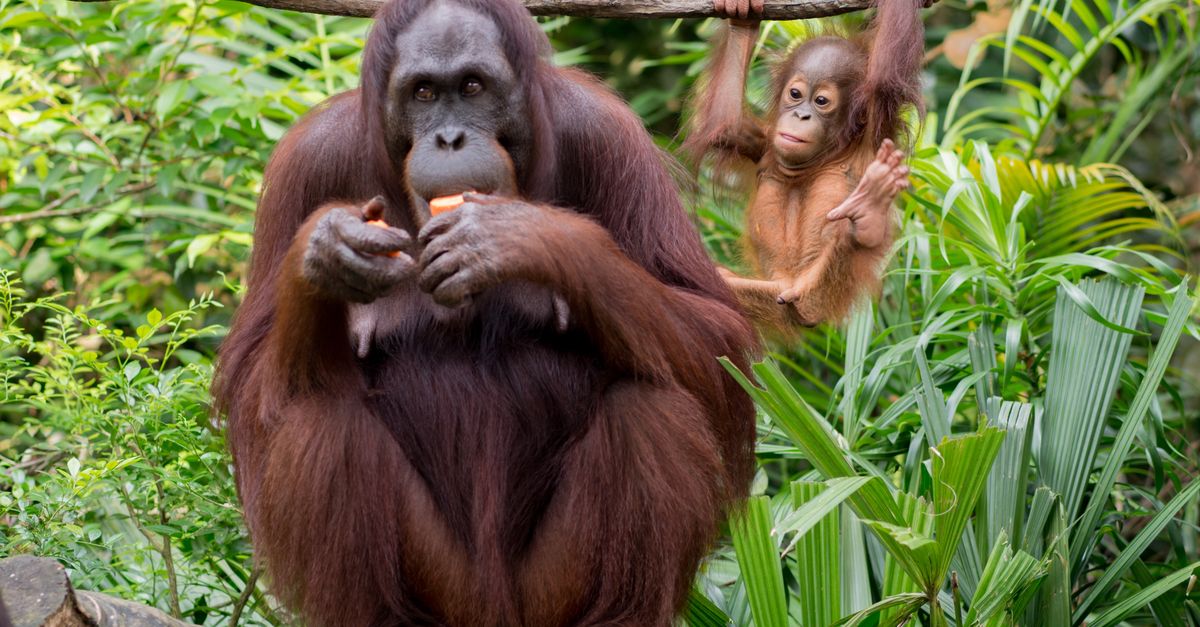
Feeding sessions provide a useful reference point when planning your visit. Arriving before the advertised start gives you time to complete the entry formalities, reach the viewing area and settle in without rushing.
Check the times directly with the centre: an excursion itinerary does not replace information provided by the establishment. The areas accessible to visitors, particularly those dedicated to young animals, may also depend on the conditions at the time.
Movement among the branches is part of the interest of the visit. Moving foliage, a silhouette between the trunks or an animal settled high up may catch your eye before one appears near the food.
Binoculars allow you to observe these behaviours without trying to get closer. They are also useful when vegetation partly hides an individual: changing your angle slightly within the permitted area is better than leaving the path.
Macaques may also visit the areas around the feeding zones. Their presence is a reminder that the site is part of a living environment, rather than a setting reserved solely for great apes.
If an orangutan approaches a walkway, give it space and follow the staff’s instructions immediately. Do not try to touch it or hold out an object, even if it appears curious.
Close contact can disrupt its behaviour and encourage the transmission of infectious agents between humans and great apes. Feeding the animals also creates a dependency that the rehabilitation work is specifically trying to reduce.
For photographs, choose a long-distance composition and follow the instructions concerning flash and equipment. A successful wildlife observation allows the animal to continue its activity without intervention from the visitor.
Sandakan is a practical base for reaching Sepilok by road. Staying near the site may also suit you if you want to prioritise forest activities rather than repeatedly returning to the town.
The choice mainly depends on your itinerary: arriving by plane, continuing to the Kinabatangan or spending longer in Sabah. The guide to transport in Malaysia helps place these journeys within your travel plans.
An excursion can simplify transfers and provide explanations from a guide. In return, check how much time is actually spent on site and what is included, rather than relying solely on the commercial title.
| Point to check | Question to ask | Practical benefit |
|---|---|---|
| Transport | Does the pick-up and return service cover your accommodation? | Avoid having to arrange an additional journey. |
| Entry | Which establishments are included? | Distinguish the primate centre from the Malayan sun bear centre. |
| Meals | Is lunch included in the confirmation? | Clarify a service that is sometimes presented separately. |
| Photography equipment | Do any special permissions or fees apply? | Prepare your equipment according to the current conditions. |
Ask the establishments concerned for their current prices and conditions, then request written confirmation from the operator of what is included. If you have a flight after the visit, have the necessary time margin checked by the carrier and the organiser; an advertised return time does not guarantee a connection.
Wear shoes with good grip, bring rain protection and choose comfortable clothing suited to humid conditions. Insect repellent, sun protection and your personal medication are also useful additions to your bag.
Protect your camera and documents from showers as well. The guide to the climate in Malaysia provides useful reference points, but local weather should be checked shortly before departure.
If you have particular mobility needs, ask the centre about the characteristics of the route and the access options. A well-prepared visit is based on the actual conditions on the ground, not on a general promise of accessibility.
The Bornean Sun Bear Conservation Centre is located close to the orangutan centre. It is home to Malayan sun bears, also known as sun bears: these are not polar bears, a species unrelated to this tropical environment.
This visit complements the primate centre by presenting other wildlife protection challenges. The animals are observed in managed forest areas, according to the establishment’s route and instructions.
Do not look only for a motionless bear in a completely clear space. Movement behind trunks, exploring the ground or resting in the shade are all behaviours that the environment may allow you to observe.
Educational materials help explain the threats facing the species and the centre’s role. To prepare for this discovery, read the guide to Malayan sun bears in Borneo.
Plan this as a separate visit, with its own entry arrangements. Geographical proximity does not mean that the ticket, photography permission or opening time is shared by both establishments.
Moving from one site to another without a break often reduces the attention given to the animals. Heat and humidity make a flexible schedule preferable, with time to drink, rest and read the available explanations.
If you are travelling with children, explain before entering that the animals may remain hidden. Looking for signs in the vegetation and comparing the ways the animals move keeps them interested without promising a sighting.
You can place this stop among the wildlife activities to discover in Malaysia, without turning every journey into a race to see attractions. The value of combining these visits lies in what they teach, not in how many you can fit in.
The Kinabatangan River offers a different experience: wildlife observation takes place in a river and forest landscape, generally from an accompanied boat. Sepilok helps visitors understand rehabilitation; the river allows them to look for animals in their natural habitat.
The presence of orangutans, proboscis monkeys or other species is never guaranteed. Weather, animal movements, vegetation and boating conditions all influence what can be seen.
Choose an operator that explains its practices: keeping a suitable distance, not feeding the animals and behaving appropriately near wildlife. A promise of a guaranteed encounter deserves more caution than a clear explanation of the uncertainties of the terrain.
Also ask how transfers, guiding and excursions are organised. The guide to a Kinabatangan safari helps you plan this extension without confusing it with a simple visit to a centre.
Ecotourism is not simply a matter of choosing accommodation surrounded by trees. It also means not disturbing the animals, limiting waste and accepting that an observation ends when they move away.
In practice, this means not calling a primate to make it look at you or asking the guide to approach more closely. A less spectacular photograph may reflect a much more respectful encounter.
Finally, plan an itinerary that leaves room for transport delays and local conditions. Between Sepilok and the Kinabatangan, the guiding principle remains the same: understand wildlife without trying to control it.
No. Feeding sessions offer a particularly good opportunity, but the animals that visit the surrounding forest do not appear on demand. Their absence is one of the possible outcomes of a visit.
An excursion makes transfers easier and may include a guide. An independent visit offers greater flexibility; check the access and booking arrangements directly with the centre before travelling.
Do not seek contact and do not give them any food. Keep your distance and follow the staff’s instructions, particularly when an animal approaches the public route.
The Bornean Sun Bear Conservation Centre allows visitors to discover Malayan sun bears. An extension to the Kinabatangan offers further opportunities for wildlife observation in a natural environment, without guaranteeing sightings of any particular species.
Discover Pangkor Island, from its beaches and fishing villages to ferry access, activities and practical tips for planning your stay.
Explore the Kinabatangan River in Borneo with boat safaris, proboscis monkeys, orangutans, pygmy elephants and rainforest wildlife.
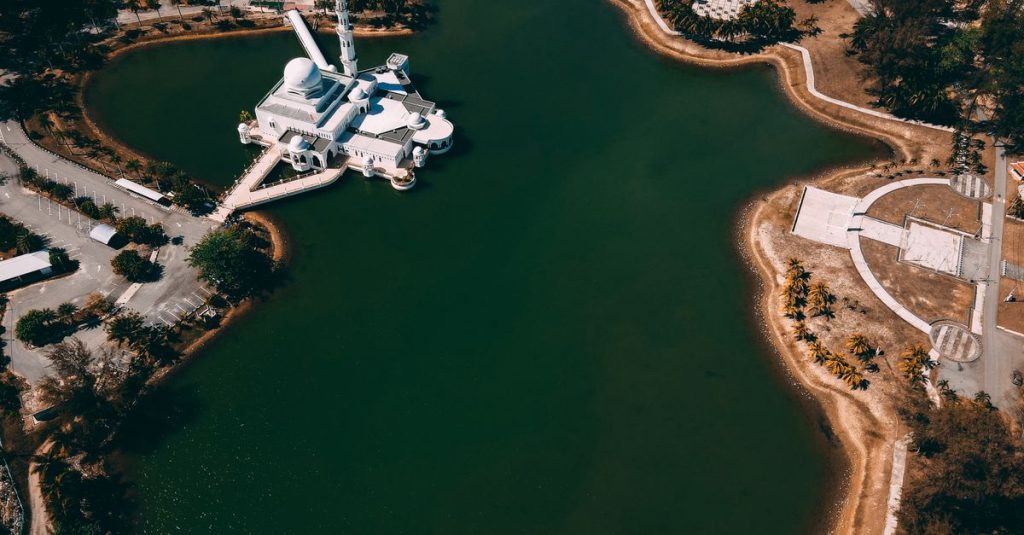
Discover Malaysia itineraries for 10 days, 2 or 3 weeks, with essential stops and practical advice for organising your trip.

Discover roti canai, Malaysia’s flaky, crisp breakfast flatbread, served with curry or dhal and enjoyed at mamak restaurants or home.
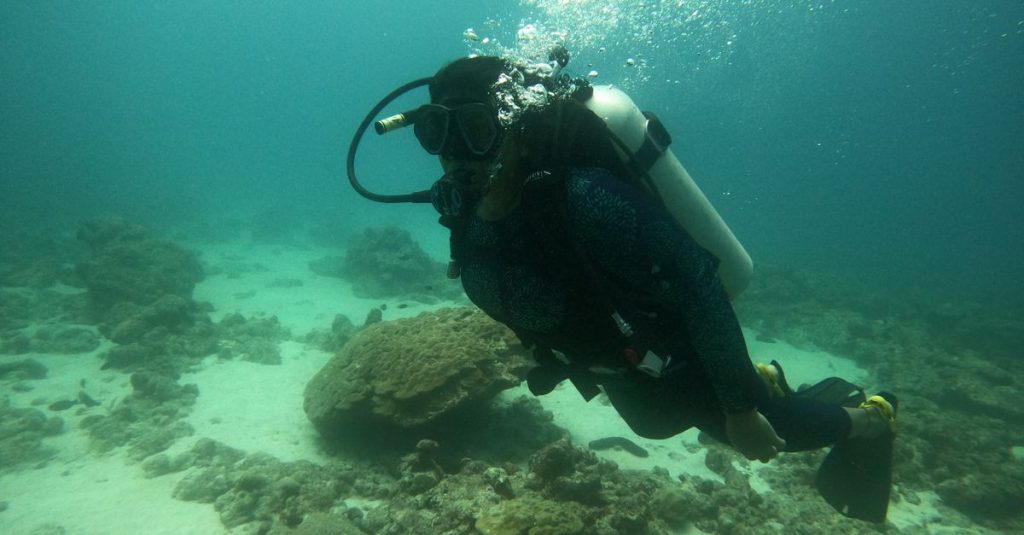
Discover Sipadan, Borneo’s legendary island: diving permits, the best season and practical advice for planning your underwater adventure.
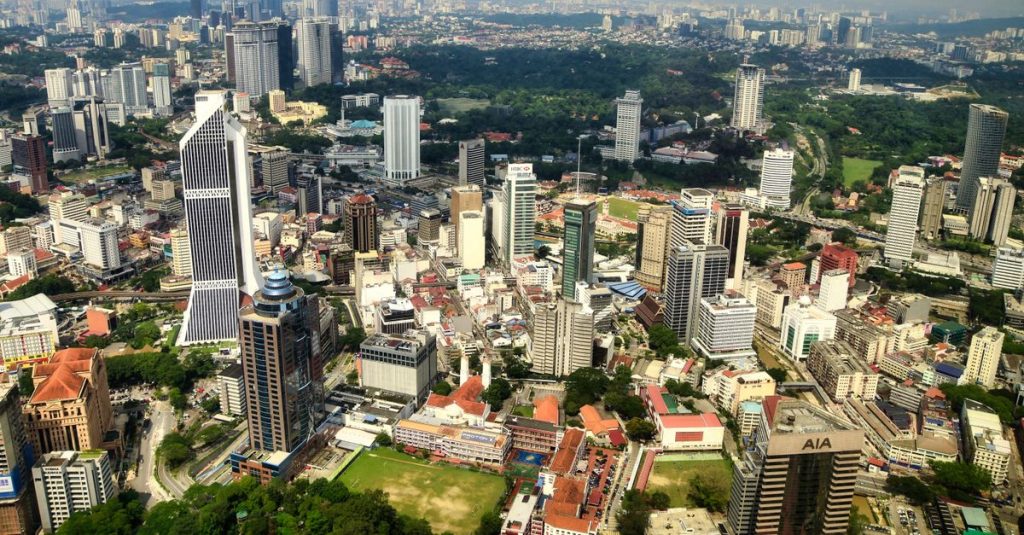
Discover Malaysia’s population, ethnic diversity and main religions, and understand the differences between citizens, residents and communities.

Experience the Malaysia MotoGP Grand Prix at Sepang: practical advice on tickets, access, accommodation and making the most of race day.

Discover Malaysia’s rainy seasons, monsoon patterns on the east and west coasts and in Borneo, and practical tips for planning your trip.
Scroll to see more articles →