
Living in Malaysia in 2026: the complete expat guide
Moving to, living in, and adapting to Malaysia in 2026: formalities, cost of living, housing, and practical tips for a successful expat experience.
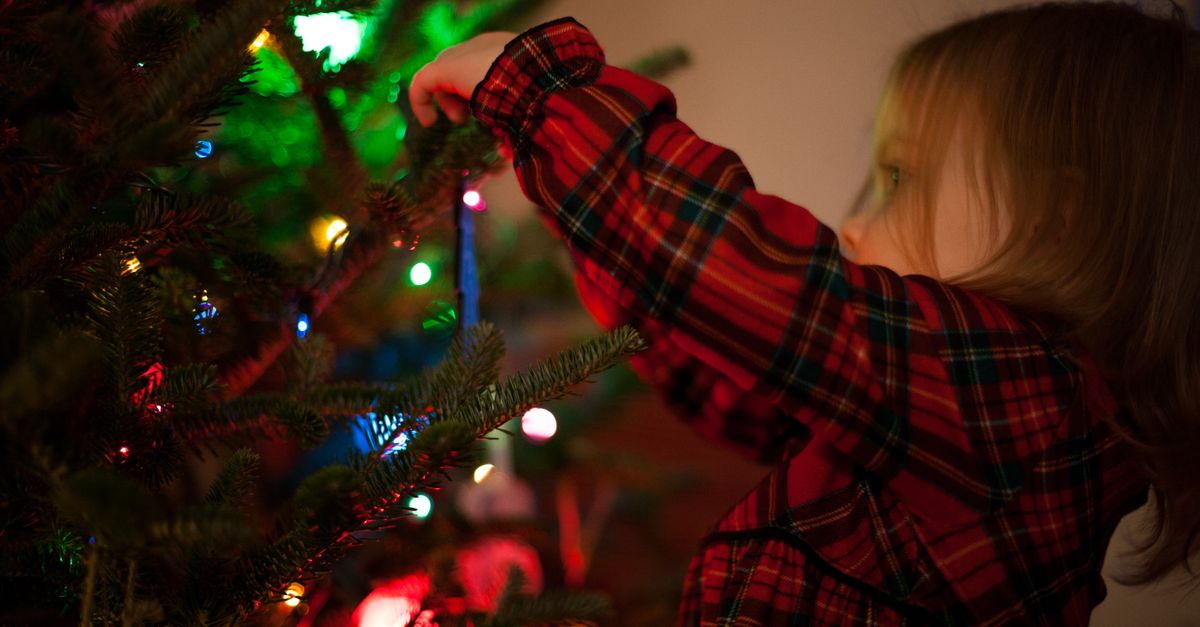
The magic of Malaysia’s end-of-year celebrations reveals a fascinating kaleidoscope of traditions, cultures, and festivities. This unique blend of ethnicities and beliefs transcends
8 August 2026 · 14 min read
The magic of Malaysia’s end-of-year celebrations reveals a fascinating kaleidoscope of traditions, cultures, and festivities. This unique melting pot of ethnicities and beliefs transcends the classic idea of Christmas, offering expat families a moment filled with warmth and diversity. From Kuala Lumpur, where shopping malls sparkle with festive cheer, to Penang, a true cultural crossroads blending vibrant markets and traditional performances, each region showcases its own way of embracing the warm and open spirit of the holidays. Near the lush nature of Sabah and Sarawak, indigenous customs enrich the season, while local cuisine transforms the Christmas table into a delicious invitation to exotic and homely flavours.
At the heart of this experience, expats discover an atmosphere where festive decorations and shared songs bring people together beyond religious or ethnic backgrounds. Christmas markets delight both children and adults, offering local crafts and traditional sweets, while festive events in urban centres create the perfect setting to enjoy this season with joy and connection. For expat families, adapting to this blend of influences while keeping their own traditions alive is a rewarding journey, where every shared activity and taste opens a door to understanding this dynamic country.
Helping children explore these many customs, finding the best deals for gifts, understanding the nuances of community celebrations, and selecting places to marvel at the lights are all key challenges. Additionally, organising travel during the festive season in a tropical climate while fully enjoying cultural events is essential. This guide offers a detailed and practical insight into Christmas in Malaysia, designed to ease the lives of expat families and help them fully embrace the festivities in harmony with the local population.
Malaysia reflects a rich ethnic and religious mosaic that transforms the festive season, particularly Christmas, into a true celebration of diversity. For expats in Malaysia, understanding this broad cultural blend is essential to fully appreciate the traditions and atmosphere of this time. Christmas in Malaysia is not just a religious occasion; it is a social phenomenon that brings communities together in a harmonious celebration.
In major cities like Kuala Lumpur, festive decorations become a must-see spectacle. Shopping hubs like Pavilion KL and Suria KLCC transform into dazzling winter wonderlands, adorned with towering Christmas trees and enchanting displays that draw locals and tourists alike. These venues also host family-friendly events—choir performances, children’s shows, and Santa meet-and-greets—creating a warm, inclusive atmosphere.
In Penang, the city stands out for its festive atmosphere infused with local traditions. George Town, a UNESCO World Heritage site, comes alive with Christmas markets brimming with handmade goods and cultural shows where indigenous dances and traditional songs blend with Western influences. This unique mix offers expats an authentic glimpse into Malaysian multiculturalism while allowing them to share warm, memorable moments together.
In the states of Sabah and Sarawak, on the island of Borneo, Christmas takes on a unique character thanks to the traditions of indigenous communities. Celebrations include open-house days in villages, where guests are welcomed with traditional dances, communal meals, and genuine hospitality. This setting offers expat families a rare opportunity to immerse themselves in ancestral customs while enjoying the magic of modern festivities.
This lively overview perfectly captures how Christmas in Malaysia is a celebration that puts people and diversity at the heart of exchanges. For expats, this cultural diversity offers an opportunity for openness and enrichment, inviting them to a Christian celebration but also a social one, where families can explore and adopt new traditions—from singing to decorations and cooking.
Christmas markets in Malaysia play a central role in festive celebrations. These vibrant spaces blend shopping and entertainment, offering expat families a chance to embrace local traditions while enjoying holiday customs. Often located in easily accessible areas, these markets showcase handicrafts, festive decorations, and culinary specialities—essential for immersing in the Christmas spirit.
The most renowned markets, such as those in Kuala Lumpur like Pavilion KL or Mid Valley, attract a cosmopolitan crowd. Stalls brim with handmade gifts, toys, and unique decorative items reflecting Malaysian heritage. Family-friendly zones feature creative workshops, performances, and themed meet-and-greets with Santa, delighting children.
Similarly, festive events in shopping malls and neighbourhoods often take the form of concerts, parades, and themed exhibitions. These gatherings allow families to engage in diverse cultural experiences beyond typical commercial celebrations. For example, Kuala Lumpur’s Christmas parade features colourful floats and traditional music groups, while Penang’s public gardens host festive storytelling performances.
In a country where traditions and influences vary from one region to another, these events offer a unique opportunity to explore different facets of Christmas. For an expat family, this is a precious chance to connect with locals, support local talent, and give children the richness of these cultural encounters. The frequency of events between November and early January also allows for varied outings tailored to preferences and ages.
Taking part in these markets and events is all about immersing yourself in a warm, interactive atmosphere that makes Christmas in Malaysia so special for expats. The variety of products also lets you find unique gifts that blend quality with local values.
Christmas in Malaysia is marked by festive cuisine that blends Western traditions with exotic local flavours. The Christmas table becomes a space for sharing, where roast turkey and spicy rendang, English pudding, and traditional kuih intertwine. This culinary fusion perfectly reflects Malaysia’s cultural diversity and offers expat families a unique opportunity to enjoy inventive and generous cuisine.
In many households, roast turkey pairs with a selection of classic Malaysian dishes like satay—grilled skewers smothered in peanut sauce—or festive nasi lemak. Some restaurants offer special menus blending local ingredients with traditional European preparations, appealing to both Malaysians and expats alike.
For example, renowned establishments like The Deli at Hilton Kuala Lumpur offer a festive Christmas buffet featuring foie gras, turkey, beef rendang, and traditional Malaysian desserts, while Fuego at Troika Sky Dining provides a gastronomic experience with city views, blending flavours from across the country. These venues are perfect for families looking for indulgent dining without the hassle of home preparation.
Local treats, particularly kuih, complete this culinary picture. These colourful cakes, often made from glutinous rice or coconut, add a sweet and authentic touch. Among the most popular are kuih lapis and ondeh-ondeh, served at festive gatherings and Christmas markets.
Comparison table of popular dishes during Christmas in Malaysia:
| Dish | Origin | Description | Common issues |
|---|---|---|---|
| Roast turkey | Western | Stuffed and roasted poultry, often served with cranberry sauce | Family Christmas meals and restaurants |
| Rendang | Malaysian | Slow-cooked spicy meat dish with spices and coconut milk | Celebrations, community gatherings |
| Satay | Indonesian/Malaysian | Grilled satay with spicy peanut sauce | Buffet-style and shared meals |
| Kuih lapis | Malaysian | Layered, coloured cake made from flour and coconut | Festive desserts and snacks |
| Ondeh-ondeh | Malaysian | Sweet glutinous rice balls filled with palm sugar | Party snacks |
A successful Christmas stay in Malaysia requires careful planning, especially for expat families balancing local exploration with family comfort. The tropical, warm, and often humid climate calls for suitable clothing—light, breathable fabrics—while packing a light jumper for air-conditioned interiors.
Malaysian public transport, including the MRT and LRT systems in Kuala Lumpur, is perfectly suited for city travel during the festive season, often congested by the influx of visitors. Ride-sharing apps like Grab also make trips easier, especially in the evenings or to distant festive event locations.
Accommodation should be booked early, as demand surges during the festive season. Staying in central areas near attractions saves travel time and lets you fully enjoy festive decorations and local life. For families, opting for hotels with children’s activities can greatly ease daily planning.
Incorporating Malaysian traditions into family celebrations adds value and helps children better understand their multicultural environment. Participating in community events, trying local specialities, or even attending a welcoming Christmas Mass allows you to share an authentic moment with the local population.
Finally, stay alert to public health guidelines, especially during peak tourist seasons. Carrying a small first-aid kit, hand sanitiser, and following local safety advice ensures a smooth and enjoyable stay.
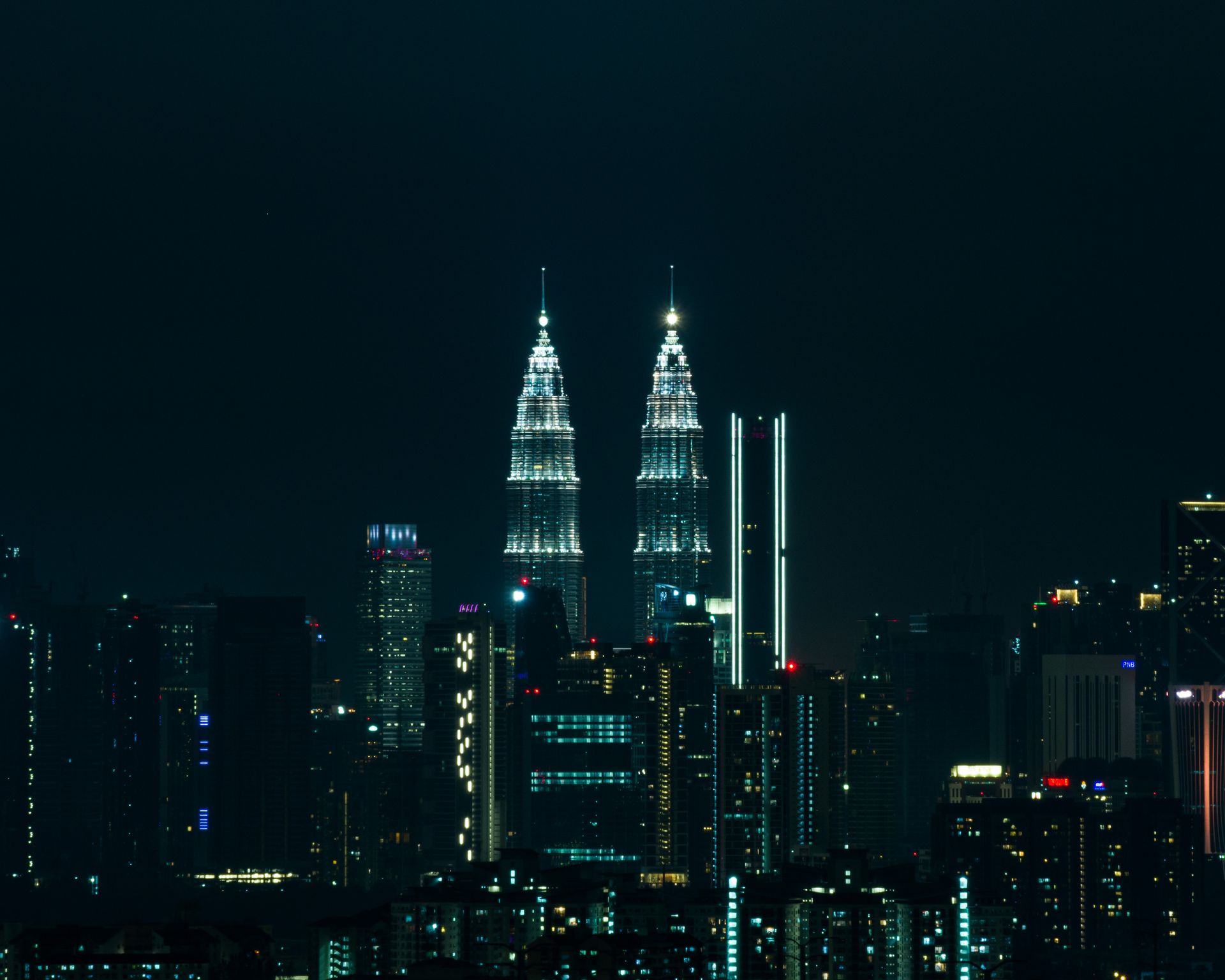
Decorations are a key element in capturing the festive spirit of Christmas in Malaysia. Towering illuminated trees, dazzling garlands, and beautifully decorated storefronts create a magical visual experience in shopping centres and neighbourhoods. For example, KLCC Park offers a breathtaking festive panorama that draws families and visitors eager to admire the Christmas scenes beneath the iconic Petronas Twin Towers.
For expatriate children, the end-of-year holidays offer a variety of suitable activities: creative workshops for making decorations, puppet shows, and of course, meetings with Father Christmas in shopping malls. These events help families maintain a traditional Christmas spirit in an exotic setting. International schools also organise festive events, strengthening the sense of community and cultural integration.
Malaysian Christmas traditions blend Western carols with local songs, inviting collective participation. Exchanging *ang paos* (red envelopes) for good fortune reflects this cultural fusion, as do shared meals uniting generations. These practices highlight how Christmas fosters genuine connection beyond rituals, creating authentic moments of joy.
Yes, Christmas is an official public holiday in several Malaysian states, including Kuala Lumpur, Sabah, and Sarawak, with many businesses closing on 25 December.
During Christmas, you’ll find roast turkey, rendang (spiced meat), satay (grilled skewers), and desserts like kuih lapis and ondeh-ondeh.
Absolutely, Christmas in Malaysia is celebrated by diverse communities and remains open to all, with a strong inclusive and communal spirit.
Shopping malls in Kuala Lumpur, such as Pavilion KL, Suria KLCC, and Mid Valley, as well as the historic districts of George Town in Penang, are must-visit destinations.
Public transport like Kuala Lumpur’s MRT and LRT, along with ride-hailing services such as Grab, ease commutes despite peak-season crowds.
Moving to, living in, and adapting to Malaysia in 2026: formalities, cost of living, housing, and practical tips for a successful expat experience.
How much does it cost to live in Malaysia? Housing, food, transport, and leisure: A detailed monthly budget for 2026, with real-life spending examples.
Discover all our guides to prepare for your expatriation to Malaysia: visas, accommodation, cost of living and daily life.
View all guides →