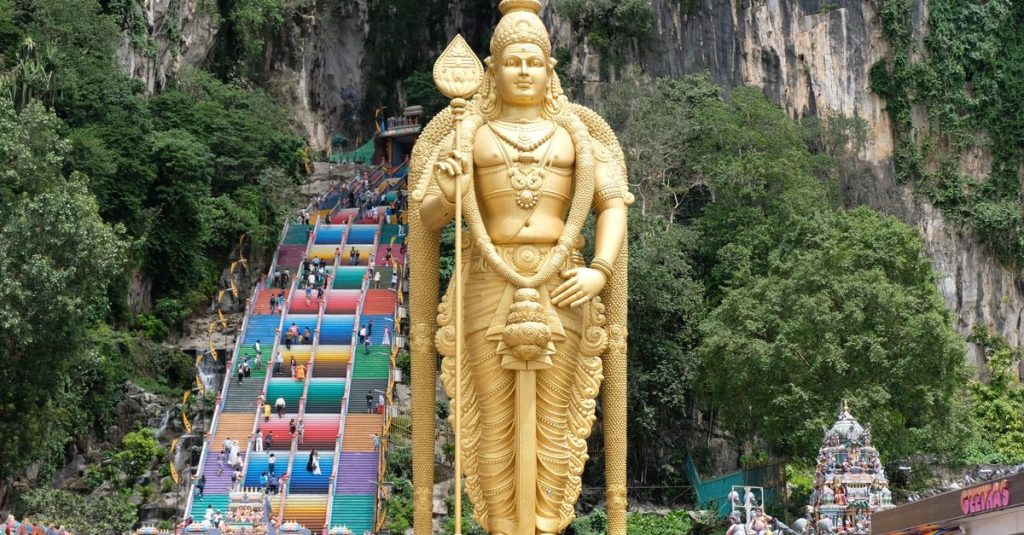
Thaipusam in Malaysia: dates, rituals and where to go
Discover Thaipusam dates in Malaysia, how the celebrations unfold and where to attend, including Batu Caves and Penang’s temples.

Published on
Travelling to Malaysia in October is best suited to a cultural and food-focused trip, with flexible beach stops. Kuala Lumpur, George Town and Malacca allow you to enjoy the country even when showers disrupt outdoor activities. October is less suitable, however, for a trip entirely devoted to beaches and sea excursions.
Malaysia’s weather in October remains hot, humid and variable from one region to another. On the peninsula’s east coast, the approach of the north-east monsoon makes island plans more uncertain; on the west coast, Langkawi and Penang are not necessarily protected from heavy rain.
When choosing where to go in Malaysia, it is therefore better to think in terms of activities rather than look for a supposedly dry destination. An itinerary combining heritage, markets, museums and adjustable nature outings is more reliable than a succession of boat trips and isolated accommodation.
In brief
The Malaysian climate remains equatorial: October does not bring the kind of autumn coolness experienced in France. Heat and humidity accompany your travels, while cloudy spells can quickly change the conditions for a visit.
This period generally marks a transition between monsoon patterns. Thunderstorms can affect different parts of the country without following a regular daily timetable.
The rainy season in Malaysia does not affect the whole country in the same way. The peninsula, Sabah and Sarawak have significant differences; terrain and coastal exposure also influence rainfall.
It would therefore be misleading to describe October as uniformly unfavourable, or as a dry interlude. Our guide to the Malaysian climate by region helps explain these contrasts before you choose your stops.
A rainy forecast does not necessarily mean a wasted day, but a tropical downpour is not always brief. Planning outdoor activities early may make organisation easier, without guaranteeing a dry morning.
Check the forecasts and alerts from MET Malaysia, the national weather service, before a hike or sea outing. Local information is more useful than a monthly average when deciding whether to go ahead with an excursion.
Pack lightweight, quick-drying clothing, rain protection and a waterproof pouch for your documents. Shoes with good grip are preferable on wet pavements, stairs and walkways.
A good itinerary keeps a nearby alternative activity available instead of assuming that every shower will be short.

Cities are the easiest stops to adapt when the weather becomes unsettled. Their appeal lies in the proximity of heritage, food and covered venues, not necessarily in a drier climate.
Kuala Lumpur in October is best explored by grouping visits by neighbourhood. Around KLCC, an outdoor walk can be replaced by an indoor activity if a storm arrives; near Chinatown, Central Market provides a covered stop.
The area around Merdeka Square and the shopping streets are better enjoyed when a clearing appears than during a rigid time slot. Avoid crossing the whole urban area for an outdoor activity whose appeal depends entirely on visibility.
To plan these groupings, see our guide to things to do in Kuala Lumpur. Check opening times and access conditions directly with the establishments concerned.
In George Town, shophouses, places of worship and historic streets provide plenty of material for shorter walks. When it rains, a museum or restaurant allows you to continue exploring without waiting outside.
Food provides a genuine common thread: char kway teow, assam laksa and nasi kandar illustrate different culinary traditions in Penang. Our guide to Malaysian cuisine helps identify these specialities beyond the best-known dishes.
Malacca offers another perspective on heritage, particularly through its trading and Peranakan influences. Walks along the river remain weather-dependent, but house museums provide a worthwhile cultural alternative.
Shopping districts are not entirely covered, however: keep rain protection with you even on a food-focused outing. In October, the proximity of activities matters more than their number.
Langkawi in October can complement an itinerary, but it does not guarantee a sunny beach holiday. The island remains exposed to rainfall, and sea conditions may restrict some outings.
Choose accommodation in a location that remains convenient if you have to abandon an excursion. Being close to restaurants and services means you do not always have to make a long journey in the rain.
The cable car and viewpoints are most enjoyable when visibility is clear. Before buying a panorama-based excursion, check the conditions for the day and the operator’s information.
The mangroves offer an alternative to the seafront, but a boat trip remains subject to local conditions. A marketed excursion is not a guarantee of good weather.
On the east coast, the approach of the north-east monsoon calls for greater caution. Sailing conditions, whether establishments are open and excursion availability may change depending on the island and operator.
There is no universal closing date that applies to every archipelago. Ask your accommodation provider and ferry company directly to confirm the services planned for your stay, as well as the options available in case of cancellation.
| Destination | Why visit in October | Point to check |
|---|---|---|
| Langkawi | Combine relaxation with land-based activities | Rain, visibility and sea conditions |
| Perhentian and Redang | Island stay if services continue to operate | Ferries and accommodation opening |
| Tioman | Nature and coastline with a flexible programme | Sea transport and excursions |
Our selection of Malaysian islands to discover lets you compare their different atmospheres. In October, however, flexibility remains the decisive factor: if snorkelling and swimming are your absolute priorities, consider travelling at another time.
Planning a trip to Borneo in October starts with a specific objective: heritage in Sarawak, wildlife watching in Sabah or a stay in a mountainous region. The island is too vast for a single weather assessment to be enough when choosing an itinerary.
In Kota Kinabalu, trips to nearby islands depend on sailing conditions. Keeping city visits as an option prevents a cancelled boat trip from turning into a completely wasted day.
For forest areas and river excursions, ask operators about accessibility and recent conditions. Rain can affect the state of trails or how an outing proceeds, even when the trip remains feasible.
Wildlife sightings are never guaranteed. Choose a programme that leaves time for guided outings rather than a succession of transfers built around an expected encounter with a particular species.
Kuching allows you to combine urban walks, museums and culinary discoveries. This variety makes the stop less dependent on one particular outdoor excursion.
For nearby parks and natural sites, check access arrangements with the official manager. Some routes may include a boat journey or sections that become difficult after heavy rainfall.
Do not assume that coastal conditions apply to inland highlands: altitude changes equipment needs and the demands of a hike. A challenging outing requires specific preparation, distinct from a walk around your accommodation.
Finally, compare connections before combining several regions in the same Malaysian trip. In Borneo, reducing the number of base changes gives you more freedom to take advantage of a favourable weather window.
A simple route and flexible bookings are the main ways to travel comfortably. A Kuala Lumpur, Malacca and Penang itinerary focuses on cultural discoveries; an island extension can then be added according to your priorities.
Avoid making your international flight dependent on a ferry crossing scheduled immediately beforehand. Return to your departure city with enough spare time to absorb a disruption without having to reorganise the whole journey home.
Compare road and air travel based on the entire journey, not just the advertised duration. Our guide to transport in Malaysia helps you include transfers to stations, airports and jetties.
For hotels, check cancellation conditions, access to transport and food options nearby. A cheaper but isolated room can become inconvenient if outings are interrupted.
October does not automatically mean lower prices. Demand also depends on holidays in departure countries, local events and the destination chosen; compare prices for your actual dates with airlines and accommodation providers.
Set aside a reserve for a modified transfer or an additional night. Our guide to the cost of living in Malaysia helps distinguish everyday expenses from costs specific to tourist excursions.
Do not assume that a religious festival falls in October every year. Check the official calendar and organisers before building a stop around an event, then explore our guide to festivals in Malaysia.
For formalities, check the requirements that apply with the Malaysian Immigration Department and consular representatives. Our page on the visa for French travellers is a useful reference for French passport holders, but does not replace this verification; rules differ by nationality.
Among the essential Malaysia travel advice, remember protection against mosquitoes, hydration and medical advice suited to the activities planned. Your insurance should cover your actual programme, particularly sporting activities or outings in remote areas.
Yes, for a cultural and food-focused trip that allows for weather-related adjustments. It is less suitable for a plan based entirely on beaches, snorkelling or successive boat crossings.
Not necessarily. Clear spells can alternate with showers, but longer periods of rain are possible. Local forecasts are more useful for planning outings than a monthly average.
Langkawi may be easier to include because of its land-based activities, although good weather is not guaranteed. For the Perhentian Islands, confirm ferry crossings and whether accommodation is open before making any commitment.
Kuala Lumpur, George Town and Malacca offer a combination of heritage, food and covered attractions. Their variety makes it possible to adapt each day when conditions are unsuitable for walks.
Discover Thaipusam dates in Malaysia, how the celebrations unfold and where to attend, including Batu Caves and Penang’s temples.
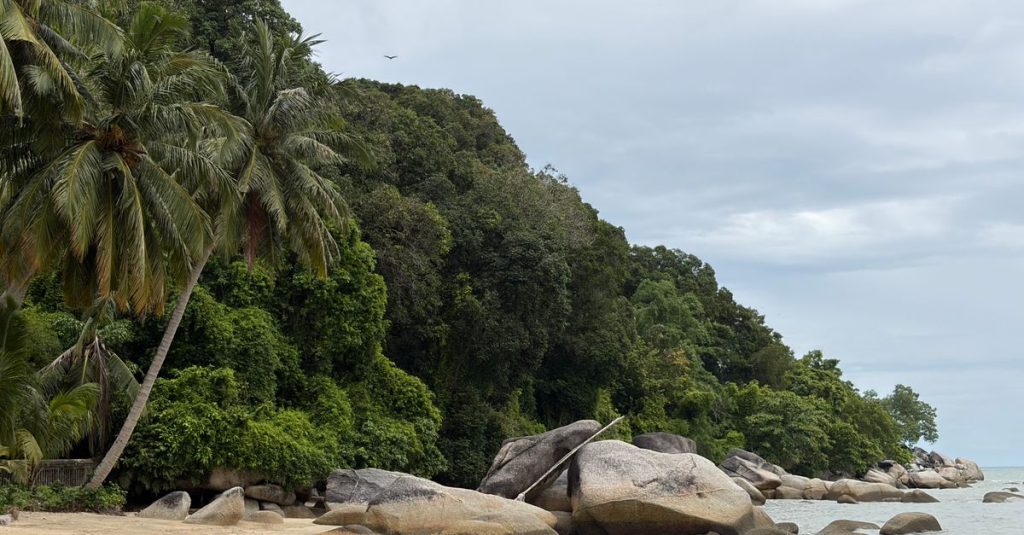
Compare Batu Ferringhi and Penang’s beaches by atmosphere, activities and facilities to choose the right beach for your stay and travel plans.
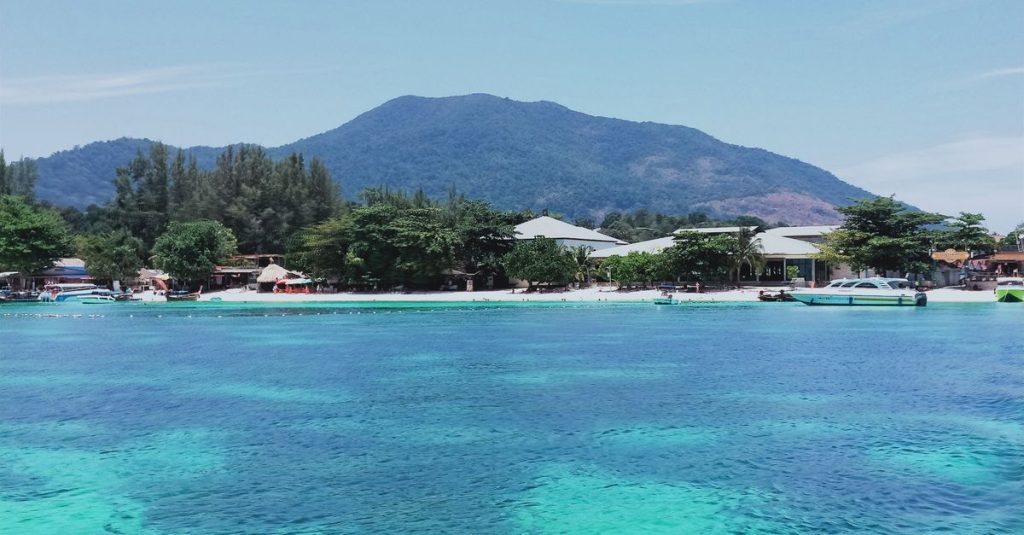
Plan your Langkawi to Koh Lipe ferry crossing with advice on terminals, season, immigration formalities, tickets and practical travel arrangements.

Explore Malaysia by train with this guide to ETS and the Jungle Train, including routes, booking advice, connections and practical ticket tips.

Discover how Touch ’n Go cards and eWallet work for transport, tolls, parking and QR payments in Malaysia, including tips for visitors.
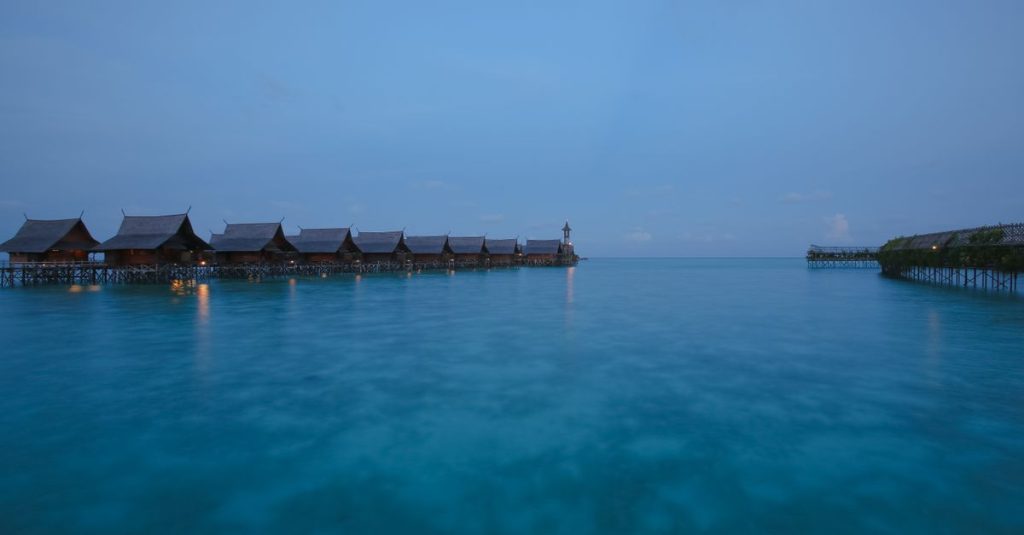
Discover Malaysia’s December weather and the best destinations for beaches, sunshine and tropical scenery, from Langkawi to Penang and Borneo.
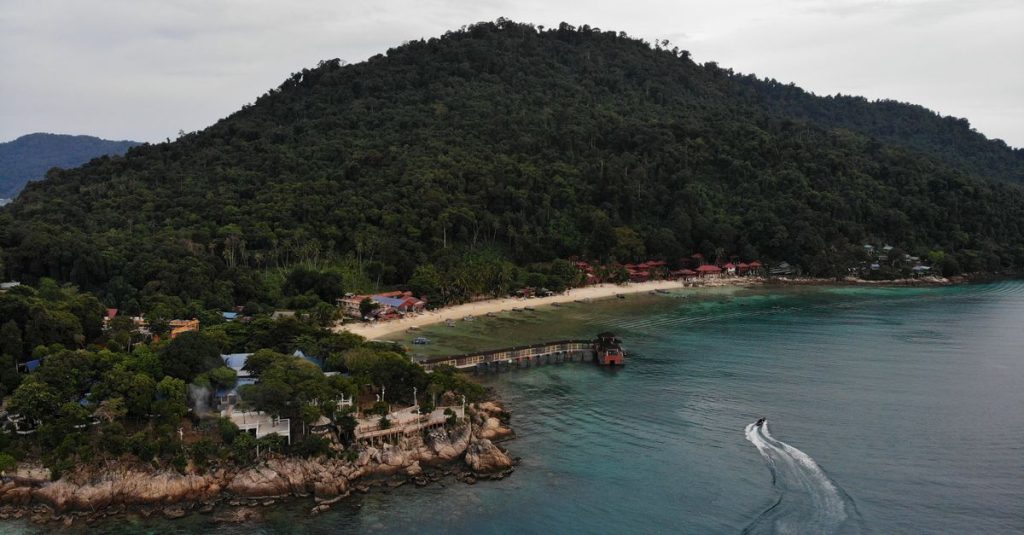
Discover Redang Island: paradise beaches, snorkelling in turquoise waters and practical advice for choosing the best time to visit.
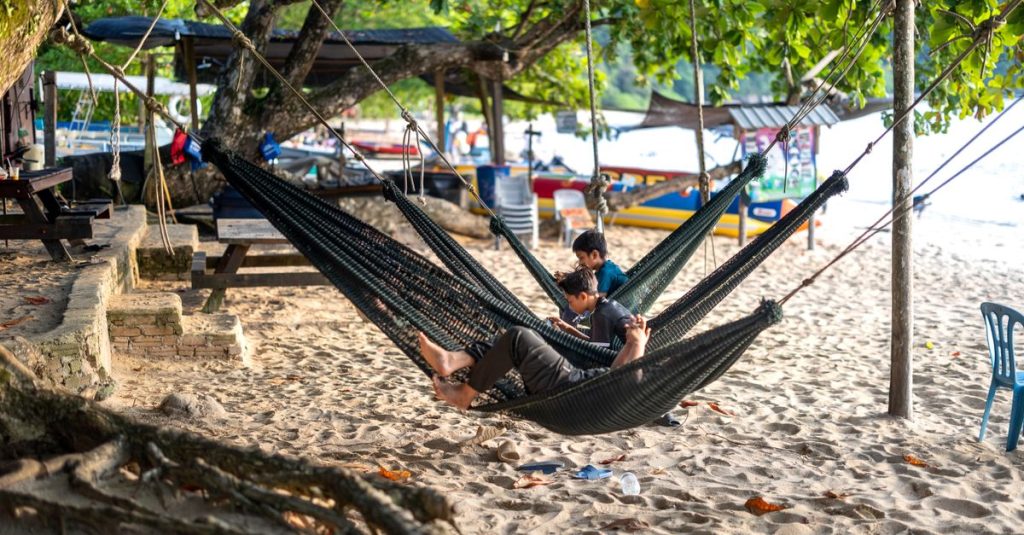
Discover Pangkor Island, from its beaches and fishing villages to ferry access, activities and practical tips for planning your stay.
Scroll to see more articles →