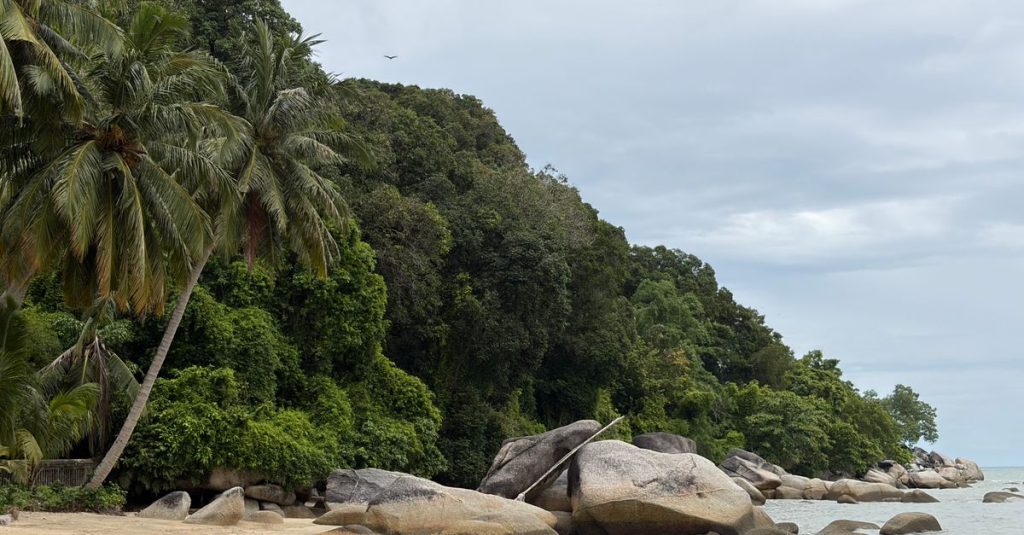
Penang Beaches and Batu Ferringhi: Which One to Choose?
Compare Batu Ferringhi and Penang’s beaches by atmosphere, activities and facilities to choose the right beach for your stay and travel plans.
Published on
To attend Thaipusam in Malaysia, choose Batu Caves near Kuala Lumpur or the celebrations in Penang. This Hindu celebration honours Murugan through offerings, processions and personal commitments of penitence and devotion. It takes place during the Tamil month of Thai, generally in January or February: to organise your trip in 2026, have the date and programme confirmed by the temple concerned and the Malaysian tourism office.
The festivities extend beyond the main day alone: the movement of a sacred chariot, devotees’ preparations and the presentation of offerings follow local programmes. Non-Hindu visitors can generally observe the ceremonies, provided they respect areas reserved for worship and allow participants to pass. The choice of venue matters as much as the timing: watching a religious procession from a clear street does not involve the same constraints as joining the steps to the caves in the middle of the pilgrimage.
In brief
Thaipusam does not fall on a fixed date in the civil calendar. The festival follows the Tamil religious calendar and takes place during the month of Thai, around the full moon. You should therefore check the date for each year rather than reuse the dates from a previous trip.
For your visit, ask the organising temple for the date of the main celebration, as well as the departure and return dates of the chariot. These events do not necessarily take place at the same time, and their organisation varies from one city to another.
In Kuala Lumpur, the procession associated with Sri Mahamariamman Temple and the pilgrimage to Batu Caves are separate stages. Booking only around the day shown on a calendar could therefore mean missing the passage you wanted to see.
Timings, routes and access arrangements should be checked with the temples, local authorities and official transport operators. Do not infer a chariot’s arrival time from its departure time: the progress of a religious gathering also depends on ceremonial stops and the movement of participants.
Public-holiday status is not uniform throughout Malaysia. Check the official calendar for the territory where you are staying to understand its effects on public administrations and services; a holiday calendar does not replace the religious programme.
To place this event among the country’s other celebrations, see our guide to festivals in Malaysia. This distinction between the civil and religious calendars also helps explain why shops, temples and transport services may operate differently on the same day.
Allow some flexibility in your itinerary rather than arranging a tight connection after your visit. The useful reference point is the programme for your chosen venue, not just a date entered in your diary.
At the heart of Thaipusam is a religious act, not a physical spectacle. In Tamil traditions, Murugan is notably associated with war and victory. The religious story links the celebration to the gift of the vel, a divine spear given by his mother Parvati to fight the demon Soorapadman.
Participants may come to express gratitude, ask for a blessing or fulfil a personal vow. These motivations are not visible from the outside: similar gestures may reflect different spiritual journeys.
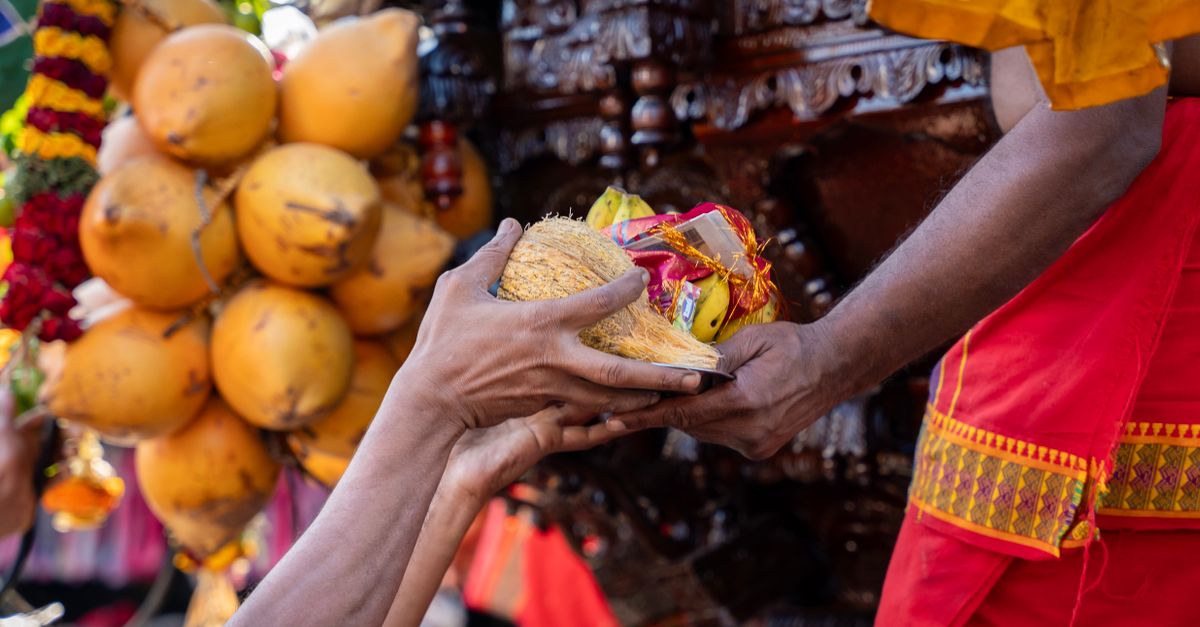
The kavadi is a ritual burden, some forms of which take the shape of a decorated structure carried on the shoulders. Flowers, representations of the deity and peacock feathers may adorn it; the peacock is associated with Murugan in Hindu iconography.
Other devotees carry containers of milk for offerings. This diversity is essential to understanding the ceremony: devotion is not measured by the size of a structure or by how striking a gesture appears.
Preparation may involve prayers, dietary discipline and practices of abstinence, depending on the vows and customs followed. There is no identical experience for all participants, nor any general obligation to practise self-mortification.
Some devotees undertake ritual piercings, with metal elements passing through the skin or certain parts of the face. These practices form part of a voluntary act of penitence and devotion; they do not represent the whole festival and do not concern every worshipper.
It would be misleading to present these acts as necessarily painless or risk-free. As a visitor, behave appropriately by keeping your distance, not touching anyone and respecting their companions.
Our guide to religions in Malaysia places these customs within the country’s cultural landscape. Understanding the intention behind the offering changes the way you view what you are observing.
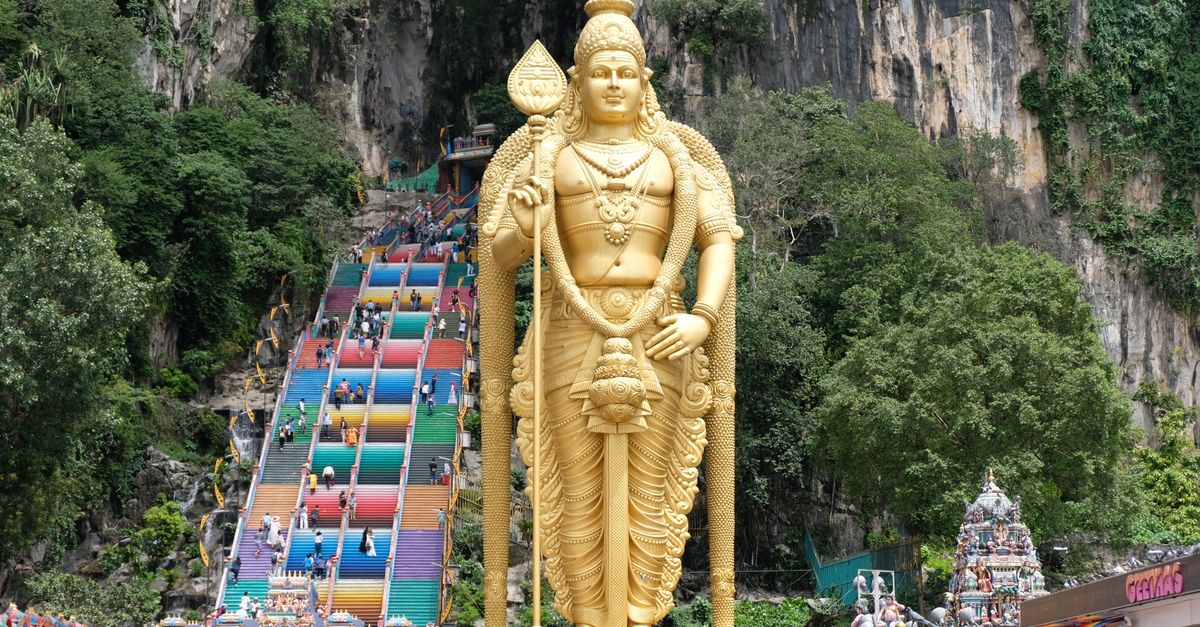
At Batu Caves, the pilgrimage links the approach to the sanctuary, the offerings and the climb to the temple inside the cave. The site is in Selangor, near Kuala Lumpur. During the gathering, its religious function takes precedence over the usual tourist visit.
The movement of the sacred chariot from Sri Mahamariamman Temple in Kuala Lumpur is one of the important moments of the celebration. Its route and viewing arrangements should be confirmed with the organisers; do not go to a neighbourhood at random assuming that the chariot will pass through it.
Along the route, songs, prayers and music accompany the procession. Stops are part of its rhythm: this is not a parade designed to move steadily in front of spectators.
Around the kavadi bearers, relatives and companions support the undertaking and help preserve the space needed for the procession. Their presence explains why you should let the whole group pass rather than try to move between its members.
The staircase can become extremely restricted when pilgrims are moving forward with their offerings. Stopping to frame a photograph or wait for a companion there may obstruct people carrying a burden.
Climbing is not essential to understanding the celebration. Watching from an authorised position below allows you to see the preparations, the accompanying groups and the movement without adding pressure in a narrow passage.
The songs, incense, flowers and family gatherings also reveal the collective dimension of the event. Reducing the experience to self-mortification alone would mean missing much of what takes place.
To visit the caves, appreciate their architecture or take time to explore the surrounding area, plan another visit as part of your Kuala Lumpur itinerary. On the day of the pilgrimage, observation must adapt to worship, not the other way around.
Batu Caves and Penang offer different settings in which to discover this festival. Choose according to your itinerary, your comfort in crowds and the type of ceremony you are looking for. No location guarantees a calm experience or easy access on its own.
| Location | Main attraction | What to check |
|---|---|---|
| Batu Caves, Selangor | Pilgrimage to the sanctuary and the carrying of offerings | Access, pedestrian movement and rail services |
| Kuala Lumpur | Watching the sacred chariot move through the city | Official route and traffic restrictions |
| Penang | Celebrations around temples and urban processions | Each temple’s programme and announced routes |
In Penang, Arulmigu Balathandayuthapani Temple, often called the Waterfall Hilltop Temple, is an important venue for celebrations dedicated to Murugan. Its setting and access arrangements give the gathering a different configuration from the caves in Selangor.
Processions and offerings provide an opportunity to observe the local roots of religious traditions. However, check which temple is organising each part of the event: a programme announced for Penang does not necessarily describe every event on the island.
You can combine this discovery with a stay devoted to George Town’s heritage and nearby neighbourhoods. Our guide to living in Penang can help you plan your activities without overloading the day of the ceremony.
In Kuala Lumpur and Penang, an authorised position along the route may suit people who do not want to climb steps. This does not mean that the street will be quiet: crossing points and ceremonial stops can concentrate the crowds.
Identify somewhere you can move away and avoid corners where several flows of people meet. If you are travelling with children or someone with reduced mobility, ask directly about actual accessibility, as temporary arrangements may alter the usual routes.
The best viewing point is one where you can remain without causing an obstruction and leave easily afterwards.
Prepare for this outing as a visit to a large religious gathering in a tropical climate. Fatigue depends as much on waiting, heat and humidity as on the distance covered. See our guide to the Malaysian climate to adapt what you bring.
For Batu Caves, check timings and the arrangements for rail services during the event with KTM Berhad. Special measures may be announced, but do not assume that trains will run overnight or that services will automatically be reinforced.
Road restrictions may also move the drop-off point for a taxi or private car. Plan your return before setting out and keep an option compatible with official announcements; our guide to transport in Malaysia outlines the main choices.
Ask permission before taking a close-up portrait and do not proceed if the person is absorbed in their rite. Do not use flash near participants who are concentrating, touch their offerings or stand in front of them to obtain a photograph.
Rules may vary from one area to another; instructions from the temple and volunteers take precedence. Our guide to places of worship in Malaysia explains the appropriate principles of behaviour.
If the crowd becomes uncomfortable, move away promptly to a clear area, following the instructions on site. Cutting your visit short is better than remaining in a passage where you no longer feel comfortable.
The festival takes place during the Tamil month of Thai, generally in January or February. For your 2026 trip, have the main date and procession programme confirmed by the organising temple and the Malaysian tourism office.
Non-Hindu visitors can generally observe the celebrations. Respect reserved areas, volunteers’ instructions and the priority of devotees; no participation in the rites is required.
No. Depending on the arrangements on the day, part of the pilgrimage can be observed from accessible areas below. The climb should not obstruct people carrying their offerings.
No. Some devotees practise them as part of a personal commitment. Others carry milk, a kavadi or take part through prayer and by accompanying their relatives.
Compare Batu Ferringhi and Penang’s beaches by atmosphere, activities and facilities to choose the right beach for your stay and travel plans.
Plan your Langkawi to Koh Lipe ferry crossing with advice on terminals, season, immigration formalities, tickets and practical travel arrangements.
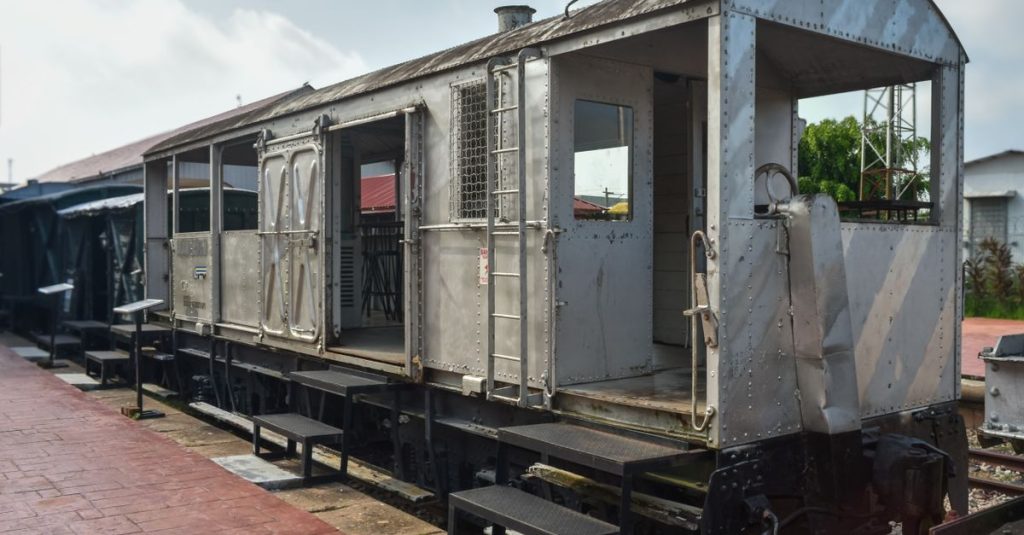
Explore Malaysia by train with this guide to ETS and the Jungle Train, including routes, booking advice, connections and practical ticket tips.

Discover how Touch ’n Go cards and eWallet work for transport, tolls, parking and QR payments in Malaysia, including tips for visitors.
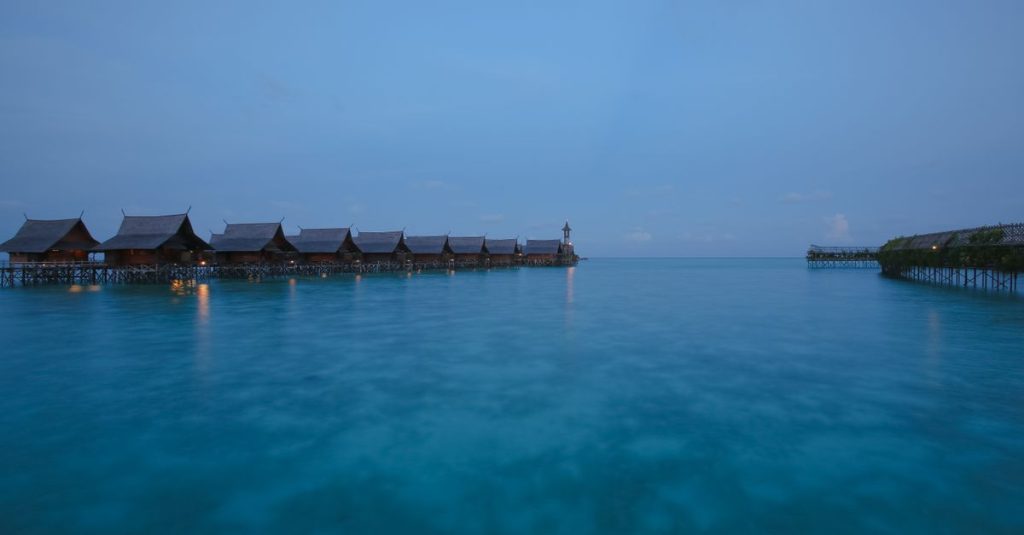
Discover Malaysia’s December weather and the best destinations for beaches, sunshine and tropical scenery, from Langkawi to Penang and Borneo.
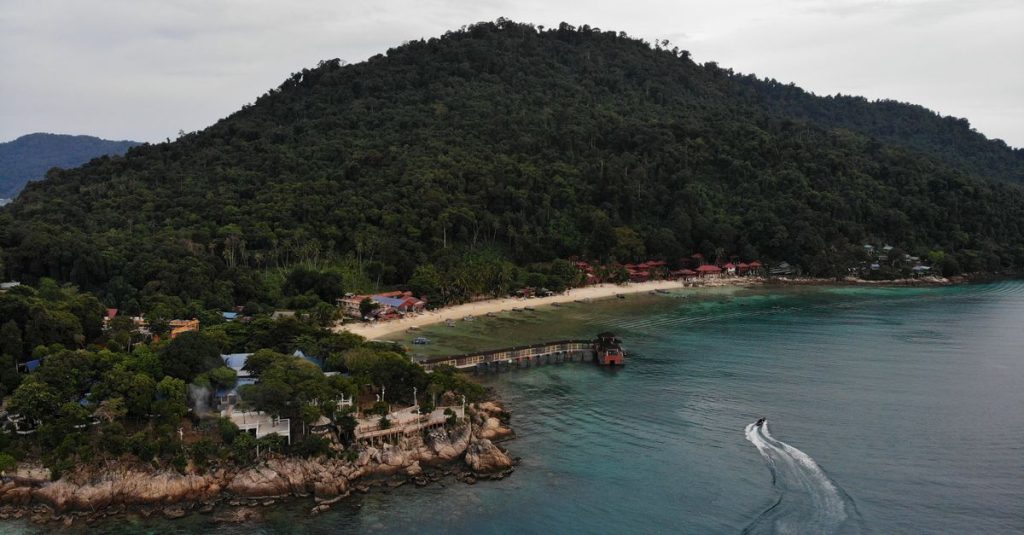
Discover Redang Island: paradise beaches, snorkelling in turquoise waters and practical advice for choosing the best time to visit.
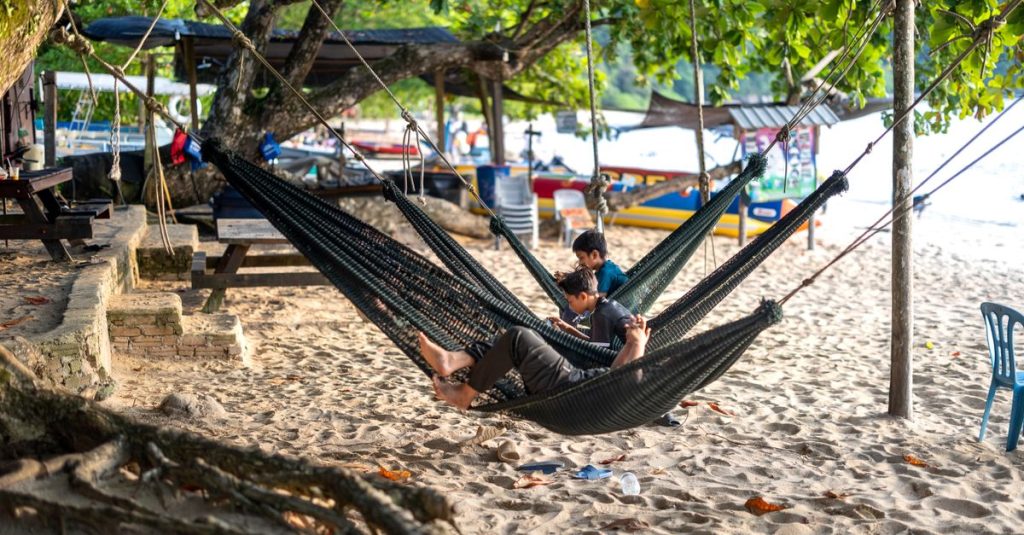
Discover Pangkor Island, from its beaches and fishing villages to ferry access, activities and practical tips for planning your stay.
Discover Sepilok in Borneo and observe orangutans in the rainforest, while learning about rehabilitation and wildlife conservation.
Scroll to see more articles →