
Kuala Selangor: Fireflies and Silvered Leaf Monkeys
See fireflies along the Selangor River and silvered leaf monkeys at Bukit Melawati in Kuala Selangor, with practical wildlife tips.
Published on
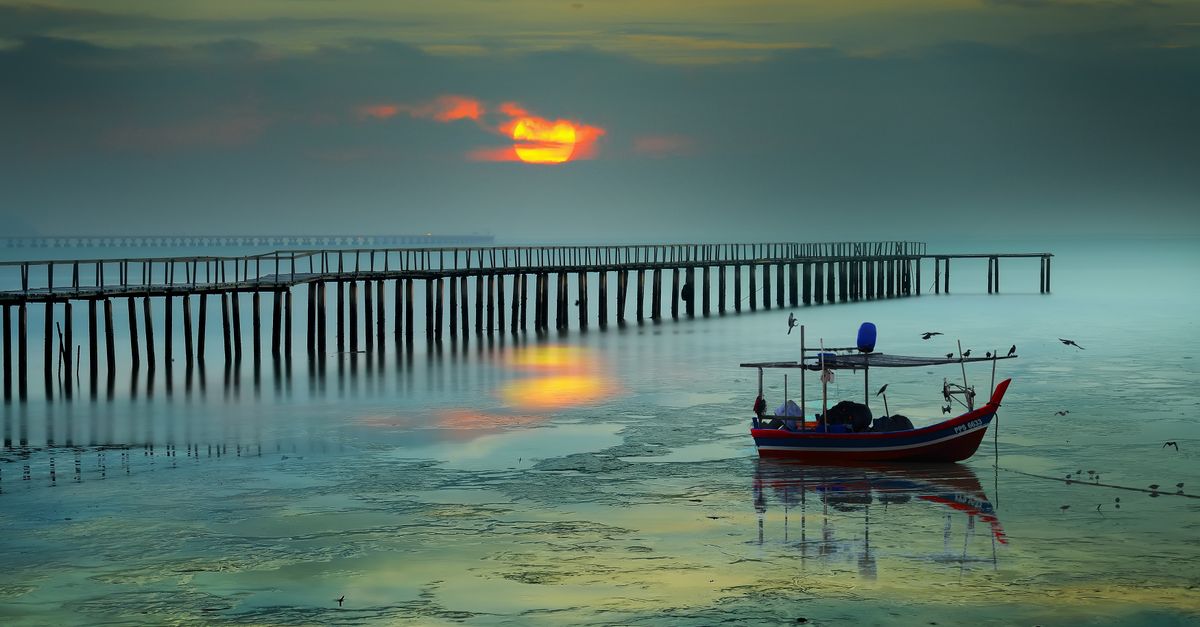
Pulau Ketam is a fishing island accessible from Port Klang, west of Kuala Lumpur. Visitors come to discover a stilt village, houses built above tidal areas, traditional fishing activities and a mangrove environment. The excursion offers a striking contrast with the capital’s modern districts: here, daily life revolves around water, boats and seafood.
The visit is best suited to travellers who want to observe an inhabited place rather than seek a beach resort. Streets and walkways cross the village, while seafood restaurants offer an insight into local cuisine. To plan the journey from the capital, also consult the guide to transport in Malaysia and the advice on things to do in Kuala Lumpur.
In brief

Pulau Ketam is experienced as a maritime village rather than a developed beach island. Its appeal lies in the combination of homes, fishing activity and a coastal environment: houses stand on stilts, walkways pass above the damp ground and boats remain central to the landscape. This layout gives visitors a tangible impression of how a community adapts to the tides and coastal conditions.
From Kuala Lumpur, the journey involves reaching Port Klang before continuing by boat. Connections, timetables and services may change, so it is best to check them with the relevant operators before setting off. To compare travel options around the country, the guide to transport in Malaysia can help you plan your route without assuming that a service operates at all times.
Raised walkways allow people to move between homes, shops and jetties without using conventional streets. The houses may appear to float, but they rest on structures suited to their location: the expression ‘floating houses’ mainly describes their appearance above the water or tidal ground. Observing these buildings helps explain why local architecture differs from that of urban neighbourhoods.
The visit is best enjoyed without rushing. As you walk, you can notice the moored boats, work areas beside the houses and the details of a daily life organised around the sea. Pulau Ketam is easier to understand as a living village than as a backdrop for photographs.
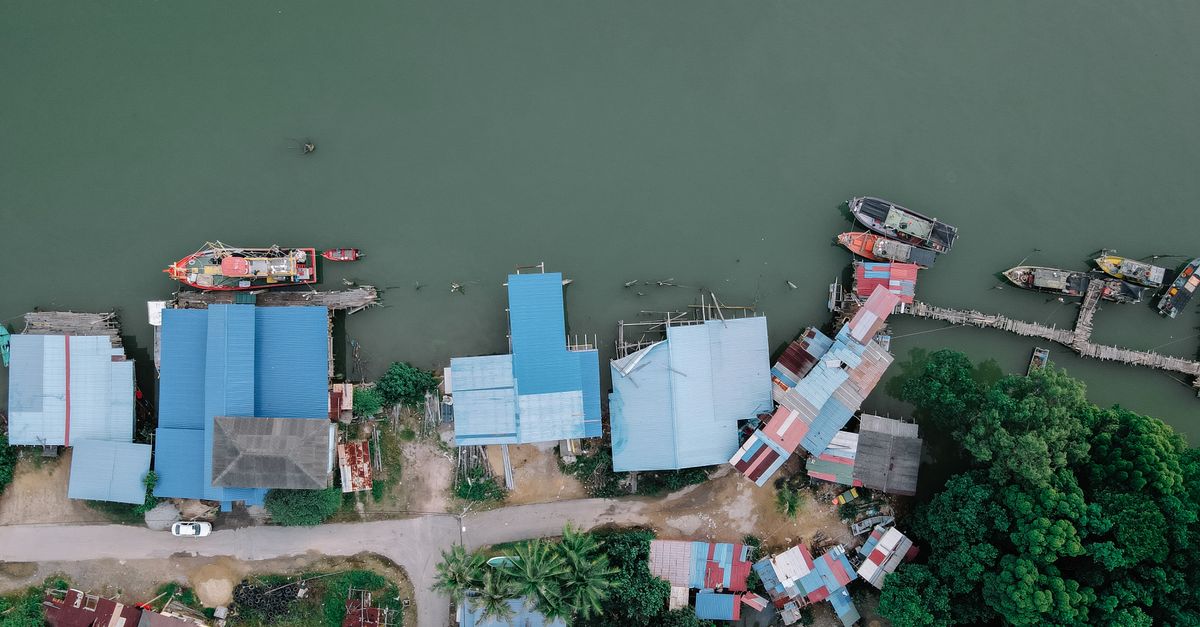
The island’s elevated homes are its first major visual attraction. Walkways connect the different areas and provide views of the houses, boats and coastal waters. They are not merely picturesque: they respond to the constraints of land affected by the tides and make it easier to move around a village where water is ever-present.
Visitors can follow accessible routes and observe the architecture from public areas. Respect private property, ask permission before photographing someone and do not block passageways used by residents. These simple gestures improve the quality of the visit: they recognise that Pulau Ketam is first and foremost a place where people live, not a theme park.
The mangrove is another important part of the coastal landscape. This ecosystem helps retain sediment and provides habitats for different species, although wildlife sightings vary according to conditions and the time of the visit. To enjoy it, look at the natural areas without venturing beyond suitable routes or leaving rubbish behind. You can also explore Malaysia’s wider biodiversity and national parks.
Passing through the inhabited areas also offers an opportunity to see how economic activity and the natural setting coexist. Boats, fishing-related facilities and homes demonstrate a direct relationship with the environment. The island’s interest therefore lies as much in the organisation of the village as in its landscapes.
Traditional fishing remains one of the features that gives the island its identity. The boats and port-related activities are a reminder that the village was not created solely to accommodate day-trippers. Depending on the time and the day’s activities, you may see boats or preparation work, although no particular scene can be guaranteed on every visit.
Seafood restaurants are a popular stop. Menus and available produce may vary according to deliveries, so ask what is available that day and check prices before ordering. Travellers with dietary restrictions should explain their needs clearly, particularly in the case of an allergy or specific diet.
A meal on the island lets you taste products associated with the coast, but it does not sum up the experience. Taking time to observe the village before or after lunch helps place the food in context: fishing activities, jetties and homes form a whole. To discover other specialities from the country, consult the guide to Malaysian cuisine.
It is preferable to choose establishments that clearly display their dishes and prices, then ask the staff for advice if a product name or preparation is unclear. As prices may change, check them on site rather than relying on old information. The meal can then be an enjoyable discovery without unpleasant surprises.
This culinary dimension is a reminder that island tourism also depends on residents’ everyday activities. Buying a local meal and respecting working areas contribute to a more considerate visit than simply passing through.
To get online as soon as you land, a Malaysia eSIM can be installed before you leave, with no need to look for a local SIM card.
A trip to Pulau Ketam requires planning the journey in two stages: reaching Port Klang, then taking the boat to the island. Transport options and departure times should not be treated as fixed; check them with official services or operators before leaving. This precaution is particularly useful if you have a connection, an appointment or a return journey to make on the same day.
| What to prepare | Practical advice |
|---|---|
| Journey from Kuala Lumpur | Plan your route to Port Klang and allow extra time for connections. |
| Boat | Confirm timetables, boarding arrangements and return conditions with the operator. |
| Village visit | Wear suitable shoes for the walkways and respect private areas. |
| Meal | Ask what products are available and check prices before ordering. |
| Weather | Check the forecast before setting off; conditions may affect how comfortable the visit is. |
Heat and humidity can make walking tiring, especially in the middle of the day. Take water, sun protection and clothing suited to the forecast weather. Climatic conditions vary by season; the guide to the climate in Malaysia provides general pointers, but local forecasts should still be checked before the excursion.
On the island, ask about the transport available when you arrive and do not assume that a service will always be offered. Exploring on foot often makes it possible to observe the village’s details, provided you respect routes used for circulation and do not move away from accessible areas. Simple preparation makes the excursion more flexible and limits surprises.
Island tourism can bring business to shops and restaurants, but it takes place in a fragile environment and an inhabited village. Visitors can reduce their impact by taking their rubbish with them, avoiding contact with fishing equipment and following local instructions. In mangrove areas, staying on designated routes helps limit disturbance to the soil and habitats.
Photography deserves the same consideration. A house, jetty or boat may be visible from a public area without meaning that residents want to be photographed. Asking permission before taking someone’s picture is a sign of respect, as is avoiding publishing details that could identify a private space without consent.
It can be tempting to cross the village quickly in search of as many viewpoints as possible. Yet taking time to observe the walkways, the way the jetties are used and the movement of the boats gives a more accurate understanding of the place. This approach also avoids disrupting everyday activities, which must be able to continue regardless of visitors’ presence.
Following safety instructions is essential near the water and on raised structures. Follow local guidance, keep an eye on children and do not use a walkway if access is prohibited or its condition seems uncertain. At Pulau Ketam, a good visit depends as much on how you behave as on what you discover.
Pulau Ketam lies off Port Klang, west of Kuala Lumpur. The island is reached by boat from the port; check transport arrangements with the operator before setting off.
The visit offers the chance to discover a stilt village, walkways, houses close to the water, fishing boats and mangrove landscapes. The island is inhabited, with everyday activities that should be respected.
Restaurants serve seafood, but available dishes depend on deliveries and prices may change. Ask for the menu and prices on site before ordering.
Yes. Timetables and transport conditions may change. Confirm departures and return journeys with the operator or relevant authorities before travelling to Port Klang.
To book tours and activities in Malaysia ahead, see the options on Klook.
See fireflies along the Selangor River and silvered leaf monkeys at Bukit Melawati in Kuala Selangor, with practical wildlife tips.

Compare the ETS train and bus from Kuala Lumpur to Ipoh, including journey times, transport options and practical tips for choosing.
Explore Danum Valley, Borneo’s ancient rainforest, with its remarkable biodiversity, orangutans, guided walks, access details and practical advice.
Discover Fraser’s Hill, a peaceful mountain retreat near Kuala Lumpur, with tropical forest, cool weather, hiking trails and birdwatching.

Discover what to do in Kota Bharu and how to reach the Perhentian Islands, with cultural visits, transport options and practical travel tips.

Discover S-MM2H, Sarawak’s long-stay programme: eligibility, benefits, application steps and checks before living in Malaysia.

Discover Thean Hou Temple in Kuala Lumpur, with practical advice on visiting, access, transport, opening hours and respectful behaviour.

Find out when to visit Kota Kinabalu and Sabah: climate, seasons and practical tips for choosing the best time for your trip.
Scroll to see more articles →