
Pulau Ketam: The Fishing Island Near Kuala Lumpur
Discover Pulau Ketam, the fishing island near Kuala Lumpur, with stilt houses, seafood, mangroves and a distinctive coastal village.
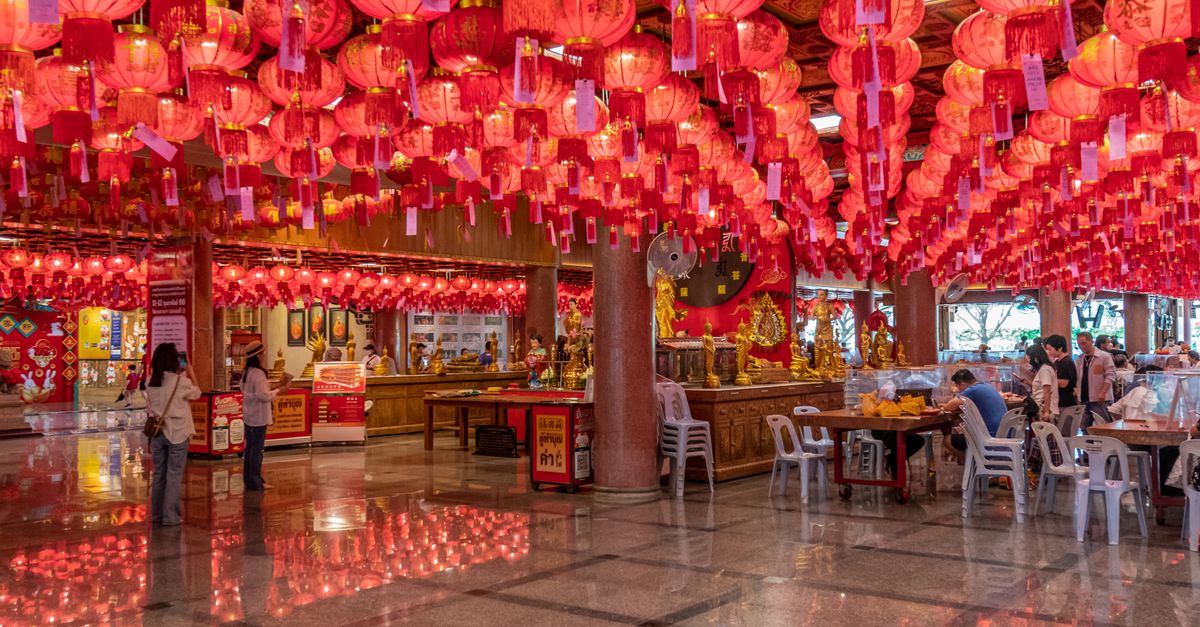
Published on
Thean Hou Temple is one of Kuala Lumpur’s major landmarks of Chinese architecture. Both a place of worship and a site visited for its pavilions, decorations and views over the city, it is best explored by planning your journey and respecting the religious nature of the site. Opening hours, access conditions and any restrictions may vary: check this information with the temple or an official service before setting out.
To organise your visit to the temple, focus on three points: identify its exact address before leaving, plan the final stretch to the entrance and wear suitable clothing. Public transport can bring you close to the site, but the last part of the journey may require a taxi or chauffeur-driven car service. The temple is better suited to an attentive visit than to a simple photo stop: its spaces are also used for prayer and ceremonies.
In brief

Thean Hou Temple is a Chinese place of worship in the Malaysian capital. It attracts worshippers, local residents and visitors interested in religious traditions and architecture. This dual role is essential to bear in mind when planning a respectful visit: you can observe the buildings and decorative details, but the site is neither an abandoned monument nor a backdrop reserved for photography.
The temple’s name is associated with Mazu, a sea-related protective deity in Chinese beliefs. Practices observed on site may include prayers, offerings and the burning of incense. They vary according to the people and circumstances involved; visitors do not have to take part, but should avoid disturbing worshippers or handling ritual objects.
The site forms part of Malaysia’s diverse religious landscape, where several traditions coexist. To place this visit in context, see the guide to places of worship in Malaysia and the article on religions practised in the country. These reference points help explain why the same building can be a community space, a place of prayer and a heritage attraction.
The visit is more rewarding if you take the time to distinguish between the uses of the different areas. Some places are suitable for observing the architecture, while others are clearly intended for quiet reflection. If in doubt, keeping your distance or discreetly asking staff for advice will help you avoid inappropriate behaviour.
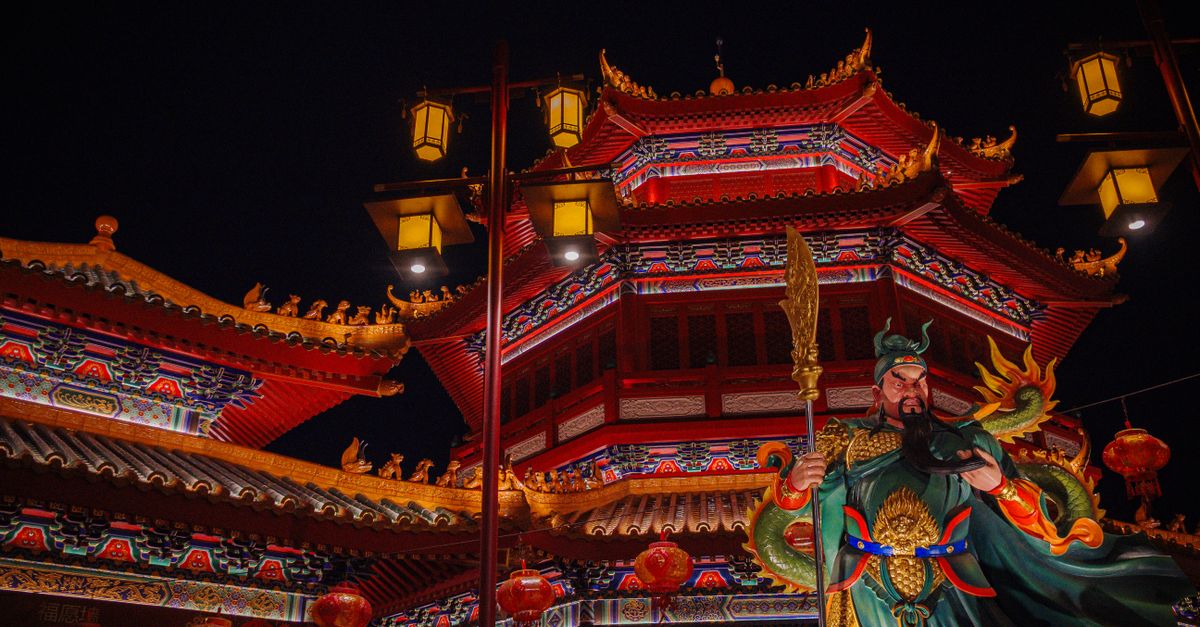
The Chinese architecture of Thean Hou Temple can be seen in the arrangement of the pavilions, decorated roofs, vivid colours and symbolic motifs. Dragons, carved figures and lanterns often catch the eye, but the site is also interesting because of how its spaces are organised. Looking up towards the roofs and then observing the columns and altars reveals an ensemble in which decoration supports the religious function.
Red and gold are particularly prominent in the ornaments. They contribute to the temple’s visual identity and stand out in photographs, especially in favourable light. To avoid reducing the visit to a few snapshots, also pay attention to the details of the carvings and the worshippers’ actions, while keeping a sufficient distance and not interrupting religious practices.
The temple is also appreciated for its views over Kuala Lumpur. The panorama depends on the weather, light and visibility conditions, so you should not expect clear views on every visit. During hot or humid periods, a shorter visit and breaks in the shade can make the walk more comfortable. To plan your stay according to local conditions, the guide to Malaysia’s climate provides useful reference points.
Photography calls for some discretion. Buildings and architectural details are natural subjects, but people at prayer should not be treated as decorative elements. Ask for their permission before photographing them and avoid using flash when you are near an altar or ceremony: a successful photograph should not disturb the life of the site.
Getting to the temple involves two stages: reaching the area and then making your way to the entrance. Before setting out, search for “Thean Hou Temple” in your navigation app and check the address shown. This precaution reduces the risk of choosing the wrong destination, particularly if several results or similar names appear. Route information and traffic conditions change, so check them on the day itself.
Public transport can cover part of the journey, but it is best to check the exact connection from your starting point. Depending on the route, the final stretch may be easier by taxi or chauffeur-driven car. If you are travelling with children, people with reduced mobility or luggage, take account of the slope and the distance between the drop-off point and the entrance, rather than relying only on the proximity of a station.
There is no need to set a precise time without first checking the temple’s up-to-date information. Opening hours may be affected by religious events, maintenance work or temporary arrangements. Also check whether certain areas are temporarily closed. To plan a wider itinerary in the capital, the guide to a Kuala Lumpur layover can help you choose visits that fit the time available.
| Point to prepare | Practical advice |
|---|---|
| Address | Search for the temple’s official name and confirm the arrival point before setting out. |
| Public transport | Check the full route, including the journey between the chosen stop and the entrance. |
| Final stretch | Consider a taxi or chauffeur-driven car if walking or the slope could be difficult. |
| Opening hours | Check recent information with the temple before travelling. |
The most convenient route therefore depends on your starting point, traffic and individual needs. To travel around the country beyond Kuala Lumpur, the guide to transport in Malaysia outlines the main options and how they are used.
To get online as soon as you land, a Malaysia eSIM can be installed before you leave, with no need to look for a local SIM card.
Modest clothing is suitable for visiting the temple. Choose clothes that cover the body sufficiently and allow you to move around comfortably; days can be hot and humid. If an area is marked as reserved for worship or a particular instruction is displayed, follow it rather than trying to bypass the rule to take a photograph.
In prayer areas, lower your voice and do not stand in front of people who are worshipping. Do not touch offerings, statues or ritual objects unless staff explicitly indicate that you may do so. Ceremonies can change the atmosphere and access to certain parts of the site: if one is under way, watch from a distance and give priority to worshippers.
Take water and sun protection if you visit during a hot period. Surfaces can become slippery after rain, making suitable footwear advisable. Also keep your belongings close and avoid leaving items unattended while taking photographs.
Festivals and religious dates can make the temple particularly active, but they can also mean larger crowds or altered access conditions. If you want to understand the calendar of celebrations, consult the guide to festivals in Malaysia. It is still best to confirm the events planned at the temple locally: a general calendar does not guarantee that a particular ceremony will take place there on a given date.
The best approach is to observe before acting: look for signs, identify the prayer areas and adapt your behaviour to what is happening on site. This consideration makes the visit more pleasant for everyone and allows you to discover the monument without erasing its religious function.
Thean Hou Temple can be included in a day devoted to Kuala Lumpur, provided you do not underestimate travel times between neighbourhoods. Traffic and journey lengths vary according to the time and starting point, so avoid creating an overly tight schedule. During a layover, choose your priority visits first and leave some leeway to reach the airport or your accommodation.
The length of the visit depends on your interest in architecture, religious practices and photography. A quick stop allows you to see the main features, but taking more time helps you observe the details without rushing. Ceremonies and busy periods may slow your progress, however, and respecting worshippers should always take priority over a sightseeing itinerary.
Combining the temple with other religious or cultural sites helps you better understand the diversity of the capital. This approach is more informative than moving between a succession of unrelated visits: it puts the traditions and uses of each place into perspective. Also check local information before setting out, as access, events and traffic conditions may change.
To decide whether this stop is suitable for a short layover, the guide to the length of a Kuala Lumpur layover helps you assess the time available. The best itinerary is one that takes account of the actual journey, confirmed opening hours and the time needed to visit without disturbing people who have come to pray.
The temple is in Kuala Lumpur. Search for its official name in a navigation app and check the address and arrival point before setting out.
Opening hours may change according to the period and the temple’s activities. Check the most recent information with the establishment before your visit.
Public transport can cover part of the journey. Check the route all the way to the entrance and, if necessary, plan to use a taxi or chauffeur-driven car for the final stretch.
Wear modest clothing, speak quietly in prayer areas, do not touch ritual objects and ask permission before photographing people.
To book tours and activities in Kuala Lumpur ahead, see the options on Klook.
Discover Pulau Ketam, the fishing island near Kuala Lumpur, with stilt houses, seafood, mangroves and a distinctive coastal village.
See fireflies along the Selangor River and silvered leaf monkeys at Bukit Melawati in Kuala Selangor, with practical wildlife tips.
Compare the ETS train and bus from Kuala Lumpur to Ipoh, including journey times, transport options and practical tips for choosing.
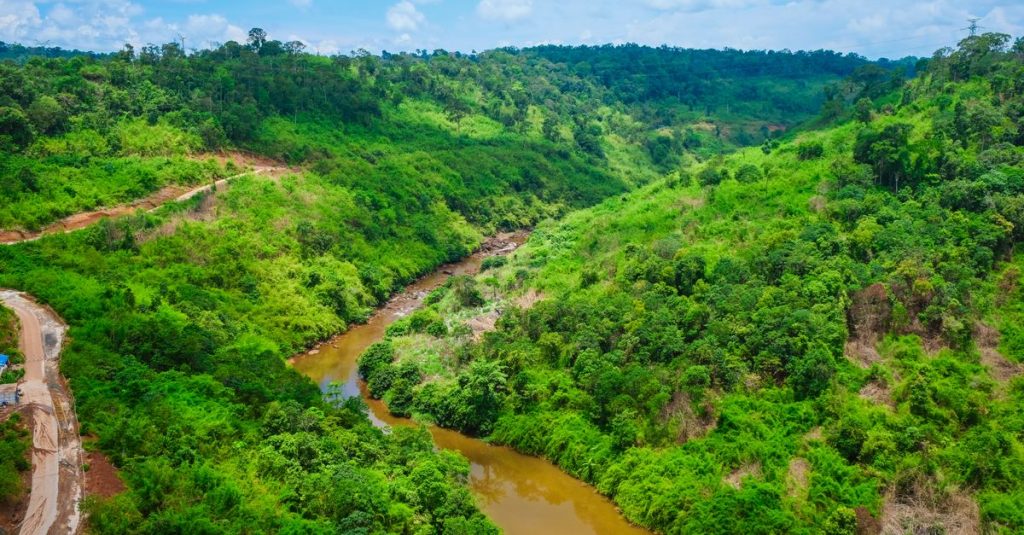
Explore Danum Valley, Borneo’s ancient rainforest, with its remarkable biodiversity, orangutans, guided walks, access details and practical advice.
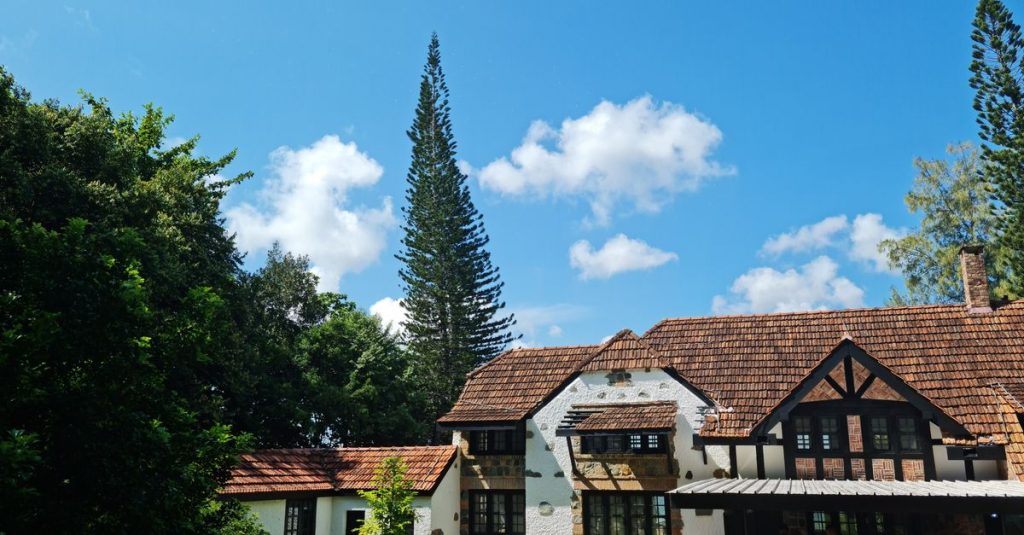
Discover Fraser’s Hill, a peaceful mountain retreat near Kuala Lumpur, with tropical forest, cool weather, hiking trails and birdwatching.
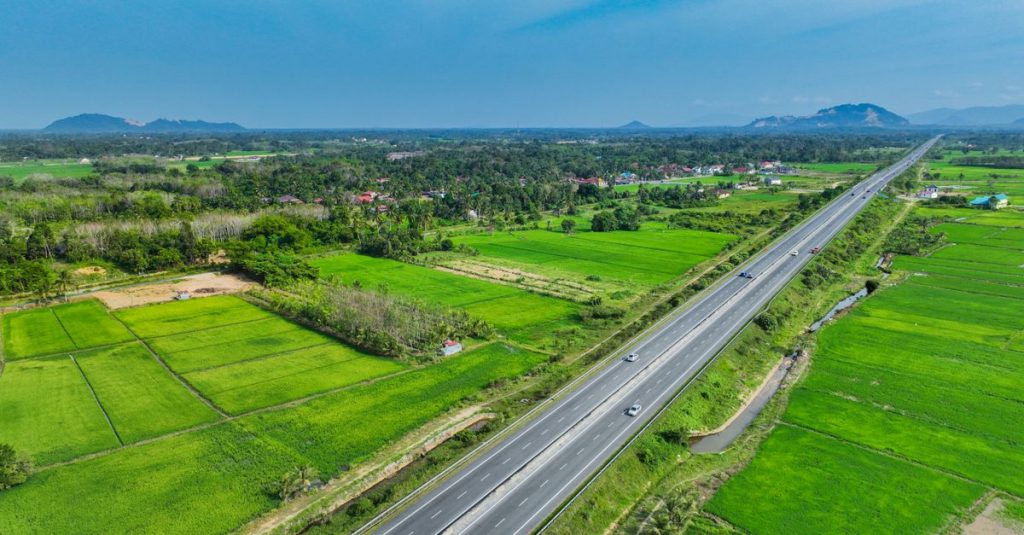
Discover what to do in Kota Bharu and how to reach the Perhentian Islands, with cultural visits, transport options and practical travel tips.
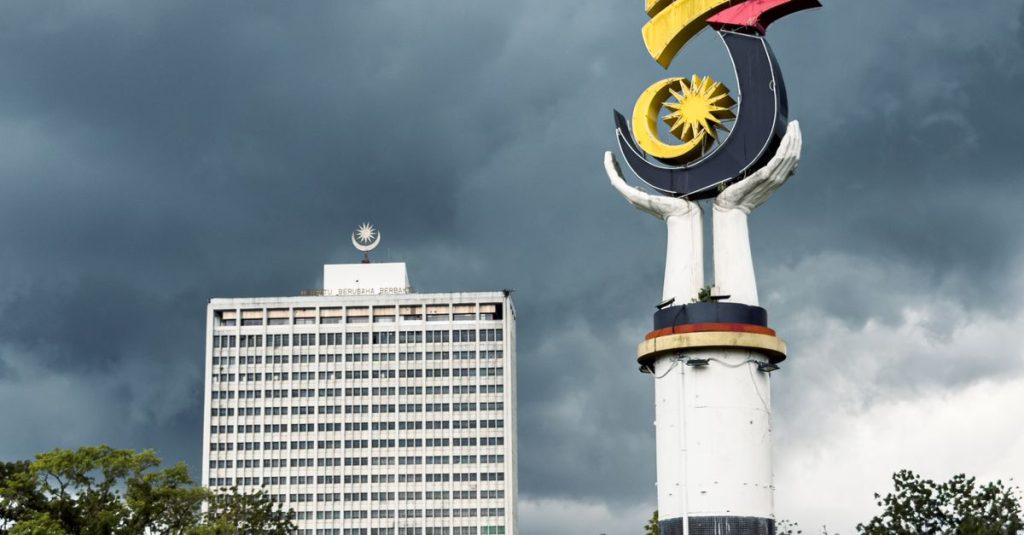
Discover S-MM2H, Sarawak’s long-stay programme: eligibility, benefits, application steps and checks before living in Malaysia.
Find out when to visit Kota Kinabalu and Sabah: climate, seasons and practical tips for choosing the best time for your trip.
Scroll to see more articles →