
Pulau Ketam: The Fishing Island Near Kuala Lumpur
Discover Pulau Ketam, the fishing island near Kuala Lumpur, with stilt houses, seafood, mangroves and a distinctive coastal village.

Published on
For a Kuala Lumpur layover, the time available determines what it is reasonable to visit: a few hours are enough to discover a single neighbourhood, one day allows you to connect the historic centre with the Petronas Towers, while three days give you time to explore the Batu Caves and several neighbourhoods without rushing. The Malaysian capital combines contemporary architecture, places of worship and shopping streets; however, its sights are spread out, and the heat and showers can slow down your journey.
For a first visit, three days offer a good balance. With less time, it is better to choose a compact itinerary and take into account the journey between the airport and the city, as well as the formalities required before your next flight. Opening hours, prices, entry conditions and transport services may change, so check this information with the relevant official organisations and operators before you leave. Here is how to adapt your programme to the length of your layover.
In brief

The city suits several sightseeing formats, but the same programme cannot be followed whatever the length of your stay. The central neighbourhoods are connected by the metro, monorail and car journeys with a driver; depending on the time of day, traffic jams can make the latter less predictable. A well-organised day therefore relies on grouping visits by area rather than travelling back and forth between distant sights.
For a simple connection, first calculate the time genuinely available after allowing for immigration, possible baggage collection and the return journey to the airport. If this margin does not allow you to visit the city comfortably, staying near the airport is the safer option. Travellers planning their journey can consult information on flights between Paris and Kuala Lumpur and advice on transport in Malaysia.
| Time available | Possible programme | Things to bear in mind |
|---|---|---|
| A few hours | One central area, without cramming in too many visits | Leave a generous margin for the airport transfer |
| One day | Historic centre, Chinatown and an evening in KLCC | Do not add the Batu Caves at a frantic pace |
| Two days | Must-see sights, Batu Caves and lively neighbourhoods | Organise visits by area |
| Three days | Major sights, green spaces and cultural neighbourhoods | Keep time for breaks and showers |
| Four days or more | Kuala Lumpur and an excursion, for example to Malacca | Check transport times and conditions |
The length of a stay is therefore not judged solely by the number of nights: your arrival and departure times, as well as your choice of neighbourhood, can significantly change the programme. For entry conditions, consult the official information before travelling or the guide to formalities for travelling to Malaysia.
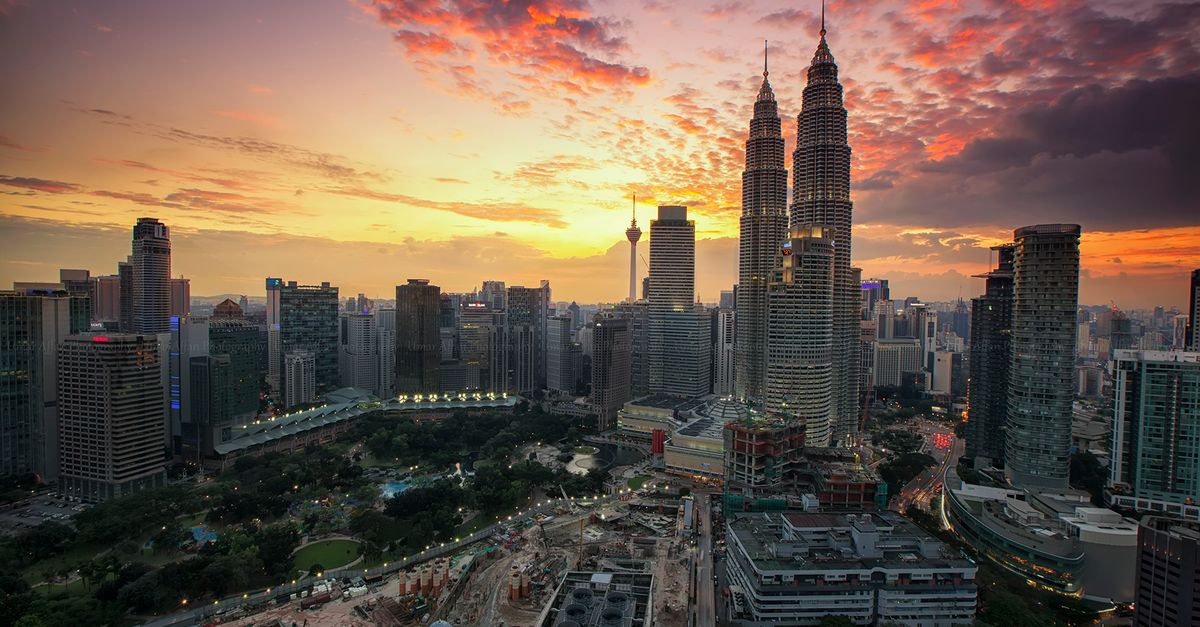
With only a few hours on the ground, do not try to see everything. Choose a sight that is easily accessible from your arrival point in the city, then plan your return with enough time to spare. If you opt for KLCC, you can admire the Petronas Towers from the park and enjoy the surrounding area without devoting your entire layover to an indoor visit whose availability must be checked.
Another option is to stay in the historic centre: Merdeka Square, the Sultan Abdul Samad Building and Central Market form a coherent route. The visit reveals a different side of the city from its skyscrapers, with historic buildings, shops and busy thoroughfares. If time is short, it is better to skip a detour than turn your layover into a race against the clock.
For a one-day visit, start at Merdeka Square and the streets around the Sultan Abdul Samad Building. Continue towards Jamek Mosque if it is open to visitors when you are there; as with other places of worship, find out about the visiting rules and dress respectfully.
In the middle of the day, you can visit Central Market, then head to Chinatown and Petaling Street to eat or browse. This route combines crafts, small shops and food outlets, offering a first impression of the capital’s multicultural character without requiring long journeys. In the late afternoon or evening, finish in KLCC to see the Petronas Towers and the surrounding park. To visit the Petronas Towers from inside, book with the official operator and check opening days: time slots may be limited.
Your choice of dinner can also extend the experience. Jalan Alor, in the Bukit Bintang area, is lined with restaurants and food stalls; ask about ingredients or available options if you have dietary restrictions. A successful itinerary depends less on the number of stops than on how close they are to one another.
With two days, devote the first day to the historic centre, Chinatown and KLCC, then set aside the next for the Batu Caves and shopping districts. This organisation avoids crossing the city several times and allows you to change the order of visits according to the weather. To explore the Batu Caves, preferably leave in the morning, when the heat is less oppressive.
The caves are on the outskirts and can be reached by train or road. Check the services running on the day of your visit, then bring water and suitable footwear for the steps. The site is both a Hindu pilgrimage destination and a tourist attraction: covering your shoulders and legs is a useful precaution, and you should respect worshippers and prayer areas.
On the way back, Kampung Baru offers a contrast with the modern towers nearby. This neighbourhood retains a residential atmosphere and provides an opportunity to discover Malay dishes in a setting less dominated by shopping centres. Take time to walk around rather than reducing it to a photo stop: its appeal also lies in the houses and everyday life of the area.
In the evening, discovering Bukit Bintang offers a livelier side of Kuala Lumpur. The area combines large shopping centres, hotels, restaurants and busy streets; Jalan Alor is a convenient choice for dinner and sampling several specialities. It is particularly lively at night, but the area is busy: keep your belongings close and choose your meal according to your dietary needs.
Visiting the shopping centres can also provide a break from a shower or the heat. As Kuala Lumpur is a spread-out city, the metro and monorail are often more predictable than a car during busy periods. Check the network map and service information before setting off, especially if you have a departure to catch.
To get online as soon as you land, a Malaysia eSIM can be installed before you leave, with no need to look for a local SIM card.
Three days allow you to add extra stops without sacrificing every break. After the historic centre and the Batu Caves, spend a morning at Thean Hou Temple, a large Chinese temple on a hill, then head to the Perdana Botanical Gardens to walk in the shade. These two visits provide a different pace after the dense neighbourhoods and major roads.
You can then spend part of the day in KLCC and visit the towers from inside, if the official tickets and opening times suit you. Another option is to return to the neighbourhood you found most interesting: Chinatown for its shops, Brickfields for its Indian restaurants, or Kampung Baru for Malay cuisine. This flexibility is valuable when rain interrupts an outing or a journey takes longer than expected.
A fourth day could be used for an excursion to Malacca, a historic city accessible from Kuala Lumpur by road. However, check transport conditions and do not treat the journey as negligible: a day trip means leaving early and structuring the visit around the old centre. With more time, other stops in Malaysia are possible; the choice depends on the rest of your trip, your budget and your connections. The guide to holidays in Malaysia helps place Kuala Lumpur within a broader itinerary.
To organise a longer stay, also consider the season and weather conditions, which vary from region to region. Showers can occur in the city even when the programme remains feasible: keep an indoor activity nearby, such as a museum or shopping centre. The guide to the climate in Malaysia can help you plan stops beyond the capital.
For transport from the airport, compare the train, car services and other available options according to your terminal, arrival time and luggage. Prices and timetables change: check them with the official operator before travelling. Within Kuala Lumpur, the rail network serves many areas; a ride-hailing app can be useful for less direct journeys, but traffic jams make road times variable.
The neighbourhood where you stay also affects how easy your layover will be. KLCC suits those who want to be near the towers and park; Bukit Bintang makes going out and dining easy; Chinatown puts you close to several historic sights; Brickfields and KL Sentral can be convenient for transport. Before booking, compare the location, access to the metro and cancellation conditions rather than relying solely on the advertised proximity to an attraction.
The city is hot and humid, and tropical showers can alter a day. Schedule outdoor visits in the morning where possible, carry rain protection and plan an indoor alternative. As the opening hours of mosques, attractions and transport services are not fixed from one season to another, check them before visiting.
A successful layover is not about ticking off every sight: it relies on a realistic programme, grouped neighbourhoods and enough time to catch your next flight.
Three days allow you to discover the main sights and several neighbourhoods at a reasonable pace. One day suits a layover focused on the historic centre and KLCC; two days generally allow you to add the Batu Caves and Bukit Bintang.
Explore Merdeka Square and the historic centre, stop at Central Market and Chinatown, then finish near the Petronas Towers. Check transfer times to the airport and leave a margin before your flight.
It is possible if you have enough time for the journey, the visit and the return. For a layover of only a few hours, focus on a single central area; for one day, make sure the transport schedule and your airport margin allow it.
To access the visitor areas, check availability and opening days with the official operator. Time slots may be limited and conditions may change; booking in advance is preferable when your programme is tight.
To book tours and activities in Kuala Lumpur ahead, see the options on Klook.
Discover Pulau Ketam, the fishing island near Kuala Lumpur, with stilt houses, seafood, mangroves and a distinctive coastal village.

See fireflies along the Selangor River and silvered leaf monkeys at Bukit Melawati in Kuala Selangor, with practical wildlife tips.
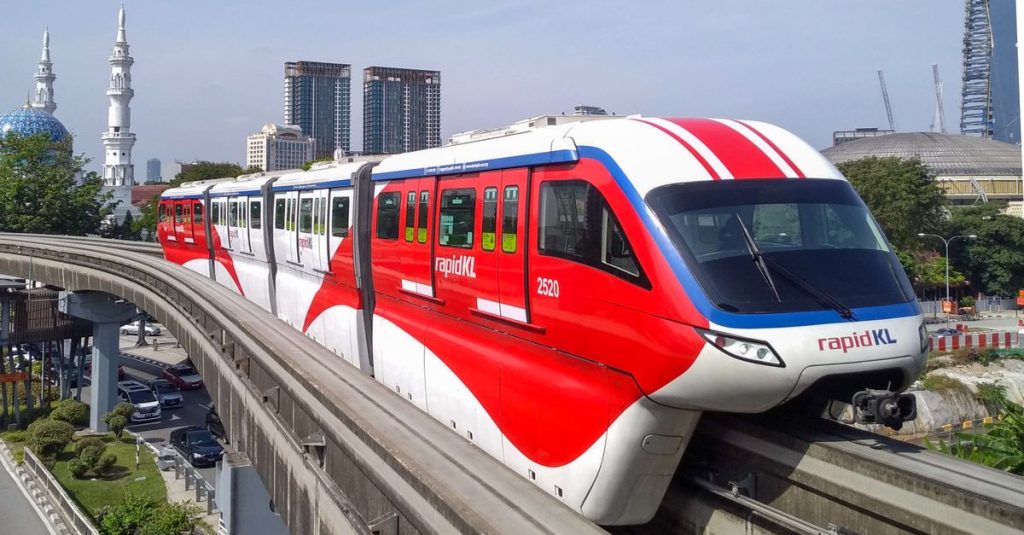
Compare the ETS train and bus from Kuala Lumpur to Ipoh, including journey times, transport options and practical tips for choosing.

Explore Danum Valley, Borneo’s ancient rainforest, with its remarkable biodiversity, orangutans, guided walks, access details and practical advice.
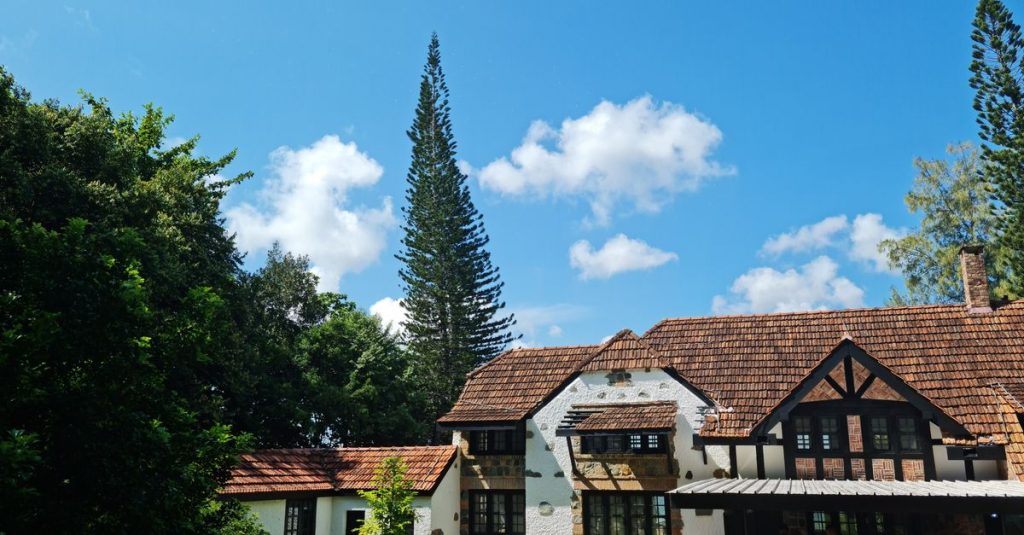
Discover Fraser’s Hill, a peaceful mountain retreat near Kuala Lumpur, with tropical forest, cool weather, hiking trails and birdwatching.

Discover what to do in Kota Bharu and how to reach the Perhentian Islands, with cultural visits, transport options and practical travel tips.
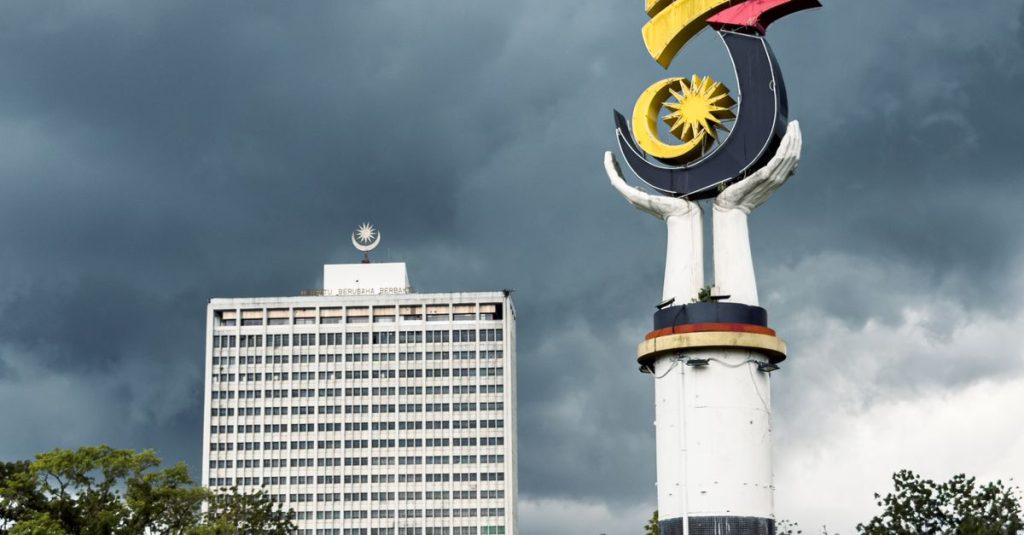
Discover S-MM2H, Sarawak’s long-stay programme: eligibility, benefits, application steps and checks before living in Malaysia.
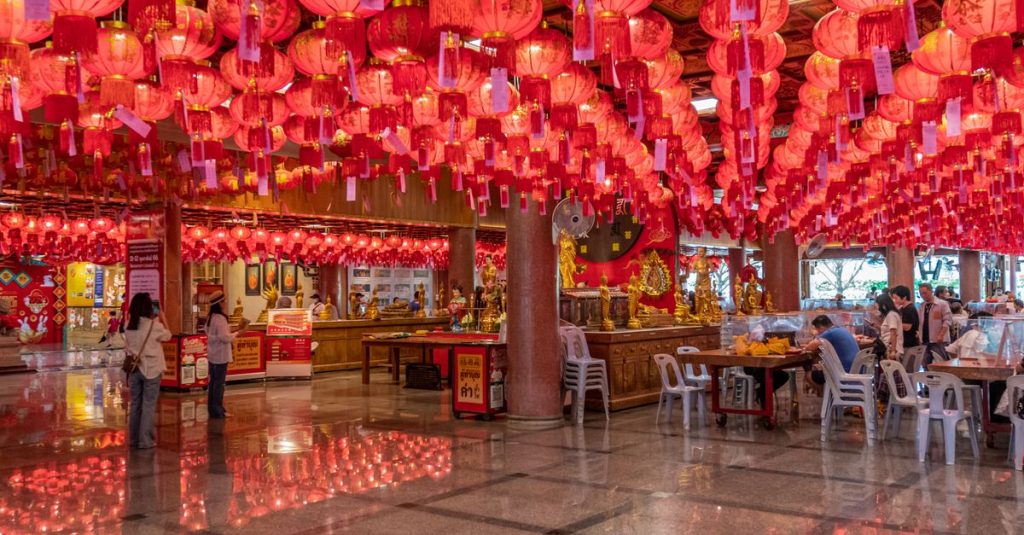
Discover Thean Hou Temple in Kuala Lumpur, with practical advice on visiting, access, transport, opening hours and respectful behaviour.
Scroll to see more articles →