Malaysia Honeymoon: Islands and Romantic Itinerary Ideas
Plan your Malaysia honeymoon with romantic islands, tropical beaches, practical itinerary ideas, seasonal tips and advice for a memorable stay.
Published on
To get to Malacca from Kuala Lumpur, the bus is suitable for independent travel, a car offers greater flexibility and a day trip simplifies the organisation. The right choice mainly depends on your starting address, the number of travellers and whether you want to drive. Do not compare only the route between the two cities: access to the terminal, arrival at Melaka Sentral and the journey to the historic district also matter.
Malacca, also known as Melaka, can largely be explored on foot around Dutch Square, Jonker Street and the river. However, its historical heritage deserves more than a succession of photo stops. To make the most of the trip, plan a focused itinerary, take a break out of the heat and organise your return. Fares, timetables and booking conditions should be checked with the carriers or official providers before purchase.
In brief
The most suitable mode of transport should be chosen on a door-to-door basis. An intercity ticket does not necessarily cover the journey from your accommodation to the platform, or from the arrival terminal to the monuments. This complete chain determines the comfort of the journey and the time actually available for sightseeing.
For someone travelling light, the coach avoids the constraints of driving and parking. For a family with a pushchair or travellers who have difficulty walking, hotel pick-up may be more convenient. However, it does not eliminate traffic jams or access restrictions on certain streets.
| Option | Main advantage | What to anticipate | Suitable for |
|---|---|---|---|
| Intercity bus | Independent travel without driving | Access to bus stations and final transfer | Light luggage, flexible itinerary |
| Hire car | Freedom to leave when you want and space for luggage | Driving on the left, tolls and parking | A stop as part of a wider itinerary |
| Private driver | Pick-up from an agreed address | Service area and waiting conditions | Small groups seeking comfort |
| Organised excursion | Coordinated travel and stops | Free time, guide’s language and inclusions | Discovering the city without managing logistics |
The budget should be calculated on the same basis for every option. Add the necessary urban journeys to the ticket; for a rental, include the costs associated with using the vehicle; for an organised outing, check whether meals and entrance fees are included. An advertised starting price does not always represent the final cost.
Flexibility should also be compared in practical terms. Being able to leave at the time you want does not mean being able to drive freely through the heart of the old town. Conversely, a scheduled departure may work perfectly if you have booked the return and limited your route to sites close to one another.
Road conditions affect every option using the motorway. A navigation estimate is not a guarantee of arrival, particularly when leisure travel is concentrated at the same times. Avoid scheduling a fixed-booking activity immediately after the announced arrival time.
The railway does not take you directly to the historic centre. Arriving in the Pulau Sebang/Tampin area still requires a road connection, whose availability and cost must be arranged. This change of transport makes the journey less straightforward than a road connection for a return day trip.
This option may nevertheless make sense as part of a wider rail itinerary if the services fit your route. Check the stations, services and timetables with KTM Berhad before booking. To understand how the networks connect, also see our guide to transport in Malaysia.
Your plans for the following day matter just as much as those for the day itself. If you are continuing your trip towards another region, returning to the capital every time may create an unnecessary detour. Spending a night there can separate the cultural visit from the next journey, provided you have organised your luggage and onward connection.
The best option is the one that reduces unnecessary connections without forcing you into an overly tight sightseeing schedule.
For the Kuala Lumpur–Malacca bus, start by looking for a connection between TBS and Melaka Sentral. TBS stands for Terminal Bersepadu Selatan, in the Bandar Tasik Selatan area. Nevertheless, read the full name of the boarding point: a service advertised as departing from the capital does not necessarily leave from this bus station.
The terminal is connected to the urban rail network by the nearby station. Depending on your accommodation and luggage, public transport or a vehicle with a driver may be the most convenient way to get there. Check the actual route from your address rather than treating KL Sentral and TBS as interchangeable.
Before paying, check the carrier, date, direction of travel and arrival location. Also examine the conditions for changes, cancellations and luggage. These details are particularly important if you plan to return the same evening and cannot easily change your itinerary.
Boarding arrangements may vary depending on the purchasing channel and operator. Follow the instructions on the confirmation: a digital document does not necessarily remove every terminal formality. Keep the document accessible offline, together with the information needed to retrieve the booking.
Allow time to reach the building, find the departure point and complete any required procedures. The advertised duration of the intercity connection does not include these steps. For timetables, fares and the applicable procedure, check directly with the carrier and TBS’s official service.
A light garment covering the shoulders can make an air-conditioned cabin more comfortable. Keep your documents, medicines and valuables in a small, accessible bag. If you are carrying bulky equipment, ask about acceptance conditions before buying rather than finding out when you board.
Melaka Sentral is not in the middle of the monuments. You still need to travel to Dutch Square, Jonker Street or your accommodation. You can look at local services or book a car through an app, depending on services and availability at the time.
For a day trip without an overnight stay, choose a drop-off point that makes sense for the start of your walk. Dutch Square is a convenient landmark for beginning with the red buildings and then continuing on foot towards the other districts. However, check that the requested location is accessible to the vehicle when you arrive.
The same applies to the return: leaving Jonker Street does not mean that you are already at the boarding platform. Allow time to find a vehicle, deal with traffic and find your way around the bus station. An intercity booking does not guarantee the immediate availability of the urban transfer needed before it.
If you are returning to the capital in the evening, booking both directions allows you to build a realistic itinerary. Keep a buffer before departure and avoid a final activity whose end depends on a queue. Available departures must be checked with the operator; do not rely on finding a seat at the last minute.
If you are delayed on the outward journey, first reduce secondary visits rather than cutting into your return buffer. The old town lends itself to a flexible route: you can keep the outdoor walk and skip a museum without disrupting the whole day. By coach, success mainly depends on anticipating the journeys at both ends.
A car is mainly worthwhile if it meets a specific need: carrying luggage, continuing a wider trip or benefiting from direct pick-up. From Kuala Lumpur, the usual road route follows the North–South Expressway southwards, then an exit towards the Melaka urban area, particularly around Ayer Keroh depending on the final destination.
The exact route depends on your starting address, destination district and traffic. Use up-to-date navigation, but remember that the final approach to the old town may be less fluid than the motorway section. An estimate displayed before departure should not become a promise of punctuality.
In Malaysia, people drive on the left. If you are not used to it, leaving a large urban area requires more attention than driving on an open road. Taking the wheel solely for this excursion is therefore not automatically more comfortable than using public transport.
Before booking, have the documents required for your situation confirmed by the relevant authorities and the rental company. Examine the insurance cover, excess, security deposit, authorised drivers and return conditions. Contractual requirements should be understood before payment, not just at the counter.
Also ask which toll-payment system comes with the vehicle and how it must be topped up. Arrangements may depend on the equipment supplied and the lanes used. Check current information with PLUS, the motorway operator, and the rental agency, without assuming that every payment method is accepted everywhere.
On arrival, park and explore the historic district on foot rather than driving between every monument. Shopping streets, pedestrian crossings and looking for a parking space can cancel out the expected convenience. Check local signs and payment arrangements with the car park operator.
A private transfer may mean only a drop-off at the destination. It does not necessarily include waiting, travel around the city or the return to your hotel. Ask for written confirmation specifying the addresses, permitted stops, accepted luggage and any charges linked to exceeding the agreed service.
The distinction between a driver and a guide is equally important. Someone responsible for driving may know the sights without providing a detailed historical presentation or accompanying you inside the monuments. If you want cultural explanations, explicitly look for a guiding service and have its language confirmed.
For a long-distance journey requested through Grab, acceptance depends on available drivers and the conditions offered in the app. Do not treat an estimate as a round-trip booking. Check the applicable arrangements with the official service and organise the return separately if it is not included in a confirmed service.
When travelling as a group, compare the total with the cost of tickets and the necessary urban journeys. The result depends on the vehicle, options and number of passengers; no solution is systematically cheaper. Also consider the comfort required: suitable child seats, accessibility and space for suitcases must be confirmed.
A vehicle’s flexibility is only valuable if parking, pick-up arrangements and the return journey have been clearly settled.
A day trip is suitable if you want to discover Malacca without managing connections or coordinating different journeys. However, its value depends on what the service actually includes. Two offers with similar names may provide different experiences: transport only, general assistance or a genuine guided tour of the historical heritage.
Start by checking the meeting point. Pick-up advertised in Kuala Lumpur may be limited to certain districts or involve a meeting point. If your hotel is outside the covered area, ask how to join the group and whether a supplement applies.
A group tour imposes a shared pace. Stops, breaks and departure are organised around all participants, reducing the freedom to spend longer at a particular sight. It may nevertheless suit you if you prefer to follow a set programme without having to decide on every stage.
A private outing generally allows more discussion of priorities, but this flexibility must be confirmed. The provider may apply a fixed route, geographical limits or waiting conditions. Before booking, say whether you want to prioritise architecture, food, museums or a more relaxed walk.
The guide’s language should be explicitly checked. A booking page translated into French does not mean that the commentary will be delivered in French. Also ask whether the guide accompanies you throughout the visit or only at certain stops, to avoid confusing assistance with cultural interpretation.
A good description makes it possible to distinguish between what is visited and what is merely seen. Mentioning a monument may mean an exterior stop without entry into the building. Check which tickets, meals, drinks, possible river activities and other expenses are included or remain payable by you.
Free time is another practical criterion. Without it, it may be difficult to explore a shopping street, visit a heritage shop or choose your lunch. Conversely, an offer that leaves almost the entire visit independent may not meet your expectations of detailed historical explanations.
Look for possible commercial stops. A visit to discover a local product may be interesting, but it takes time away from monuments and walks. Ask whether these stops are compulsory and how the programme is adapted when traffic reduces the time available at the destination.
To assess the cultural balance of the itinerary, look at the space given to the city’s different influences. Colonial buildings tell only part of its story; places of worship, shophouses and Peranakan traditions provide additional insight. The maritime context of the Strait of Malacca also helps explain the role of this port city.
If you are travelling with someone with reduced mobility, ask for details about steps, distances walked and opportunities to rest. Motorised pick-up does not guarantee an accessible route. Choose a service that clearly explains what you will discover, rather than one offering an impressive list of stops.
For a day trip without an overnight stay, focus on Dutch Square, St Paul’s Hill, Jonker Street and the riverfront. Together, these areas cover several aspects of the city without requiring numerous motorised journeys. The order can be adapted to your drop-off point, the weather and the opening times of the places you want to visit.
Dutch Square provides a clear introduction to the local colonial history. Malacca’s Stadthuys recalls Dutch administration, while Christ Church is another major architectural landmark on the square. Take time to observe the façades and layout of the buildings before continuing.
Do not confuse an outdoor walk with an interior visit. Access times, entry conditions and open areas should be checked with the relevant managers. If you want to visit a museum, make it a clearly identified priority rather than an addition squeezed between too many other stops.
St Paul’s Hill and the surviving gate of A Famosa introduce the Portuguese heritage and the later transformations of the site. The climb involves steps and exposure to heat. If this does not suit your physical condition, keep to a lower-level route rather than turning the walk into a constraint.
Continue towards Jonker Street and the streets of the old town. The interest is not limited to the shops: shophouses, façades and courtyards visible from some establishments reveal another side of the city. Respect private spaces and instructions concerning photography.
Do not build your itinerary around a night market without checking whether it is taking place with the organisers or local tourism office. A lively street in the evening may have a different atmosphere during the day. If your return is already booked, prioritise sights that can be visited during your actual time there.
Lunch is an opportunity to explore Peranakan culture, shaped by encounters between Chinese and Malay traditions. Nyonya cuisine, chicken rice balls and cendol are among the specialities associated with the destination. Our guide to Malaysian cuisine helps explain the dishes and choose according to your tastes.
Clearly mention allergies and dietary restrictions. A dish whose main ingredient appears suitable may contain a sauce, stock or condiment that is incompatible with your diet. If you require halal food, check the establishment’s certification rather than relying solely on the appearance of the menu.
A walk along the river offers a calmer transition after the monuments. A boat trip is optional: check its operating conditions with the official operator and only add it if it leaves a comfortable buffer for the return. The walking route is already enough to appreciate the riverbanks and façades.
Alternate outdoor sections with a break under cover, carry water and keep rain protection with you. Malaysia’s climate means you need to remain flexible, even when you leave under clear skies. Suitable footwear for steps and wet surfaces is more useful than an overly ambitious programme.
If you want to combine a museum, a long lunch and an evening walk, consider staying overnight. Our guide to where to stay in Malacca helps compare districts according to your itinerary. A successful visit leaves time to understand the places, not just to reach them.
Yes, by focusing your itinerary on the historic centre and arranging the return before departure. Allow for journeys between your accommodation, the terminals and the monuments, and adapt your visits to traffic.
TBS is a departure point to look for when travelling to Melaka Sentral. Always check the exact terminal on your ticket, as well as the timetable and boarding arrangements with the carrier.
No. The main historic areas are largely explored on foot. A vehicle can be useful for reaching the old town from Melaka Sentral, but it is generally preferable to park rather than drive between every monument.
No. Some services include only a vehicle and driver. Before booking, confirm whether a guide is present, the guide’s language, interior visits, meals and the other services included.
Check the chosen carrier and the terminal’s official service for coaches; the rental company and motorway operator for driving; or the provider for an organised outing. Prices and availability may change.
Plan your Malaysia honeymoon with romantic islands, tropical beaches, practical itinerary ideas, seasonal tips and advice for a memorable stay.
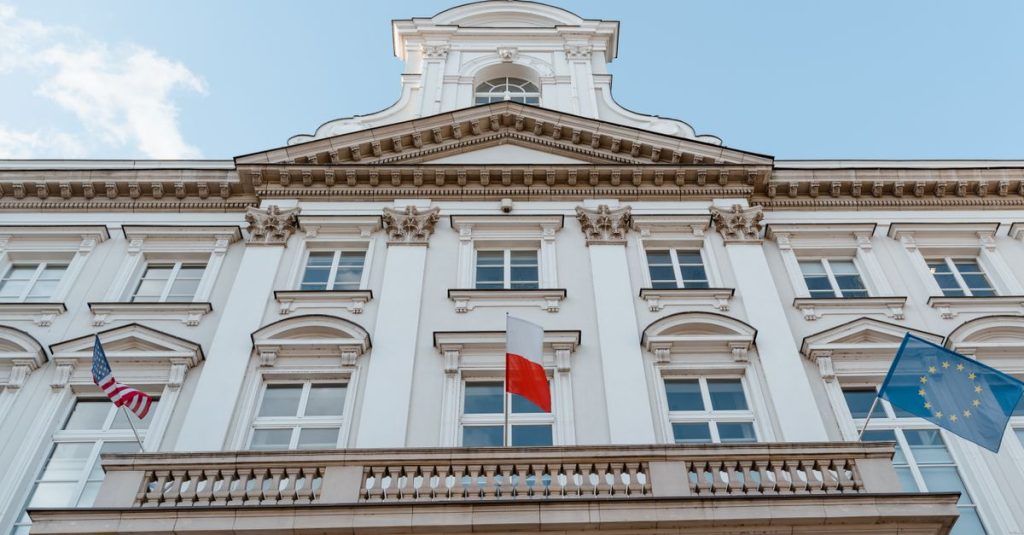
Find out about the French Embassy in Malaysia: consular procedures, visas, official documents and practical information for French nationals in Kuala Lumpur.

Find out where the Malayan tiger lives, how many may remain in the wild, and why habitat protection is vital for its survival.
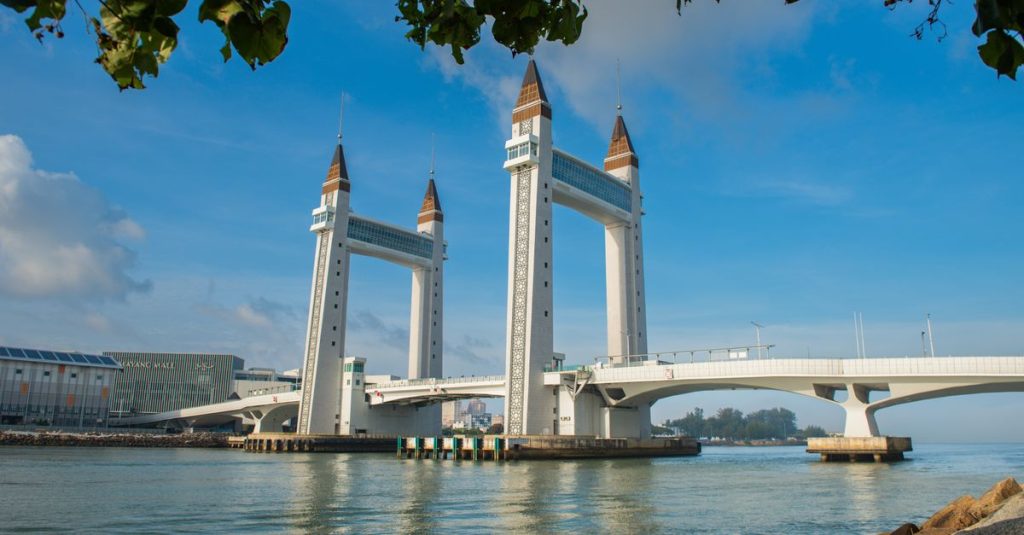
Discover Malaysia’s weather in April and the best destinations for beaches, nature and culture, from the east coast to Borneo.
Discover Malaysia’s October weather and the best destinations for beaches, nature, culture and food, with practical advice for planning your trip.
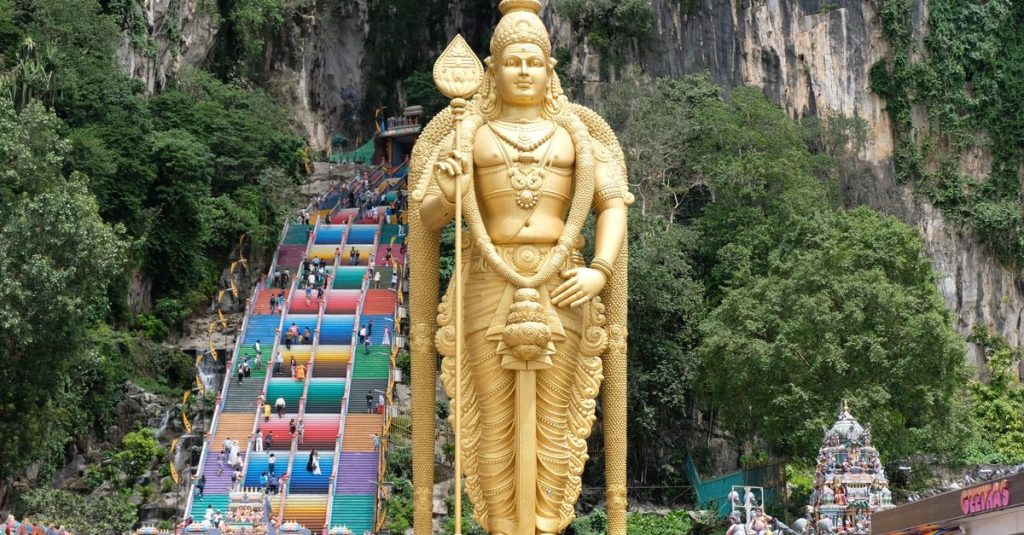
Discover Thaipusam dates in Malaysia, how the celebrations unfold and where to attend, including Batu Caves and Penang’s temples.
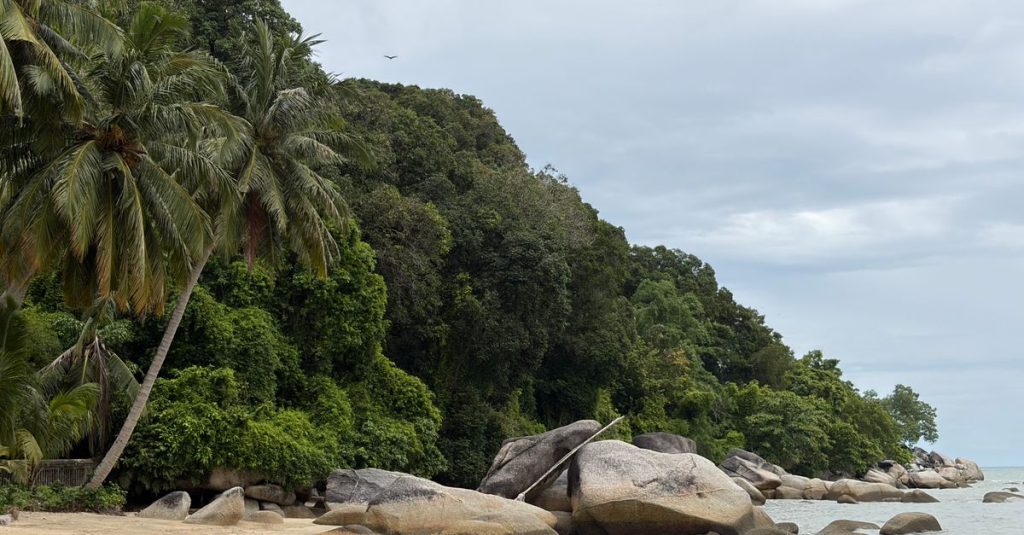
Compare Batu Ferringhi and Penang’s beaches by atmosphere, activities and facilities to choose the right beach for your stay and travel plans.
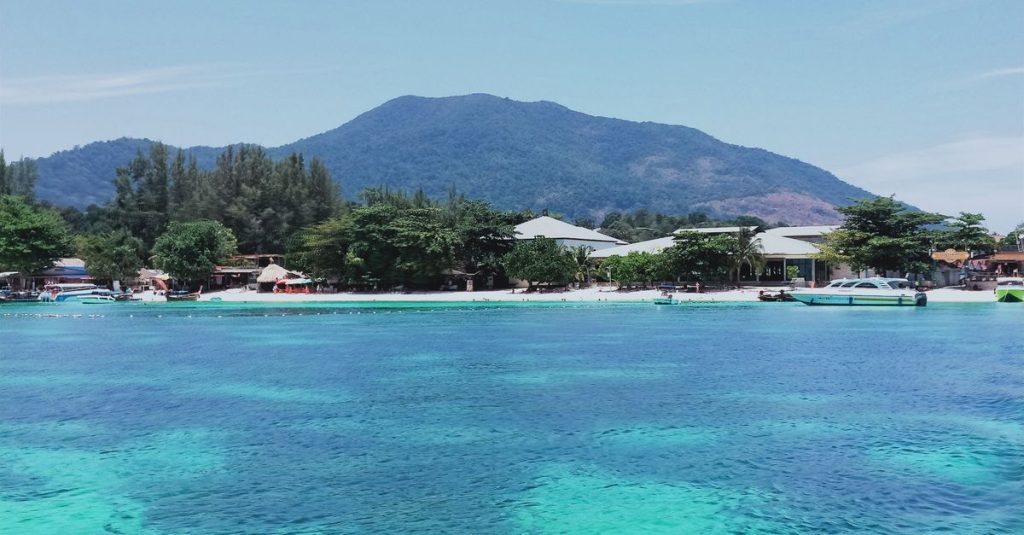
Plan your Langkawi to Koh Lipe ferry crossing with advice on terminals, season, immigration formalities, tickets and practical travel arrangements.
Scroll to see more articles →