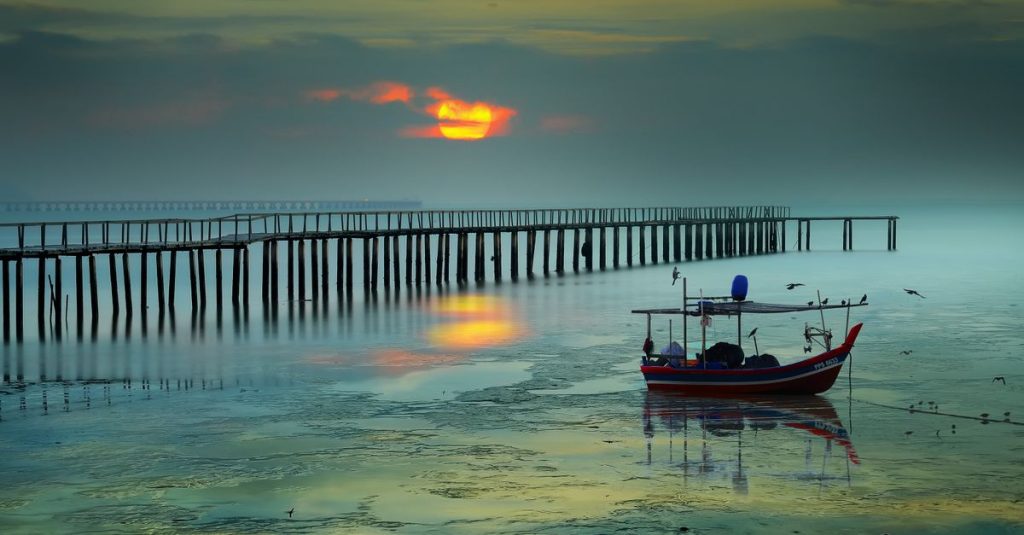
Pulau Ketam: The Fishing Island Near Kuala Lumpur
Discover Pulau Ketam, the fishing island near Kuala Lumpur, with stilt houses, seafood, mangroves and a distinctive coastal village.
Published on
Travelling to Malaysia in September allows you to combine cities, nature and beaches, provided you choose each stop according to local weather conditions. This month falls within a transitional period: tropical showers remain possible everywhere, but their frequency and intensity vary from one region to another. Peninsular Malaysia, Borneo and the islands do not all experience the same rainfall patterns or sea conditions.
For a balanced trip, Kuala Lumpur, Penang and the Cameron Highlands offer a range of options, while Langkawi and the east-coast islands should be chosen according to the forecast and ferry connections. The aim is not to find an itinerary without rain, but to plan adaptable activities and leave some flexibility in your schedule. Here is how to understand Malaysia’s weather in September and decide where to go.

Malaysia has an equatorial climate: heat and humidity are present all year round, while rainfall varies according to region and season. In September, it is therefore more useful to check conditions for each stop than to look for a single forecast covering the whole country. A sunny day in one part of the peninsula does not indicate what the weather will be like in Sabah or on the islands.
On the Malay Peninsula, September is a transitional phase between monsoon patterns. Showers may occur, sometimes briefly and intensely, before giving way to clearer spells. In Kuala Lumpur, thunderstorms can disrupt a walking tour or slow traffic; planning an indoor activity alongside your walks means you will not lose half a day when the sky becomes overcast. See our guide to living in Kuala Lumpur for more ideas about the capital.
The term “rainy season” does not describe a uniform period throughout the country. The west and east coasts are affected differently by seasonal winds, and Borneo also has local conditions that change from one area to another. General climate data provide a useful reference, but they do not replace forecasts shortly before departure. To understand regional variations, see the guide to Malaysia’s climate.
Mornings are often the easiest time to plan an outdoor visit, although this does not guarantee stable weather. Keep museums, shopping centres, cafés and covered markets as back-up options. In Penang, for example, a walk through George Town’s streets may be interrupted by a shower; temples, galleries and places to eat allow you to continue exploring under cover.
A lightweight waterproof jacket is generally more practical than an umbrella in crowded streets or when walking. Quick-drying shoes are useful after heavy rain, while a waterproof bag protects your phone, documents and camera. For hikes, check trail conditions with local operators: rain can make some sections slippery even after the sky has cleared.
Weather forecasts change quickly in the tropics. Before a sea excursion or a visit to a park, check official MET Malaysia bulletins and confirm conditions directly with the carrier or provider. In September, the best strategy is to prepare alternative options rather than build each day around a single activity.
When choosing Malaysian beaches in September, consider sea conditions, recent rainfall and whether boats are operating. The east coast, with destinations such as the Perhentian Islands, Redang and Tioman, may still be suitable for a beach holiday, but conditions vary. Before booking a non-changeable crossing, check that services are running and ask your accommodation which activities are actually available.
It is worth distinguishing between the beginning and end of September without treating this as an absolute rule: seasonal changes may make the sea rougher as the year progresses, but one year’s weather does not exactly predict the next. If boats are not operating or operators advise against swimming, do not force the itinerary. Currents and waves can make the sea dangerous, even near a beach that looks calm from the shore.
Langkawi remains a convenient option for combining beaches, accommodation and excursions, but September does not guarantee clear skies. Showers may affect a boat trip or access to the cable car and Sky Bridge. Check information from the website or operator on the day, then keep a back-up activity in mind: exploring the island’s scenery, taking a break at a market or visiting an indoor attraction.
Penang is another west-coast stop, particularly appealing for its heritage, food and urban walks. George Town is well suited to a flexible visit: explore the historic streets during a clear spell, then stop at a café or food centre when the rain becomes heavier. This flexibility makes the island a good choice when swimming is not the sole purpose of the trip.
| Region | Why visit in September | Point to watch |
|---|---|---|
| Kuala Lumpur and the western peninsula | Urban sightseeing, heritage and dining | Showers are possible, especially during outdoor visits |
| Penang | George Town, temples and local cuisine | Humid heat and passing rain |
| East coast | Beaches, snorkelling and island stays if conditions allow | Sea conditions and continuity of boat services must be confirmed |
| Borneo | Parks, wildlife, rivers and mountain scenery | Rain is possible and excursions depend on local conditions |
The west coast may make it easier to plan an urban and coastal itinerary, while the east coast depends more heavily on sailing conditions. In both cases, the most useful decision should be based on recent forecasts and information from operators.
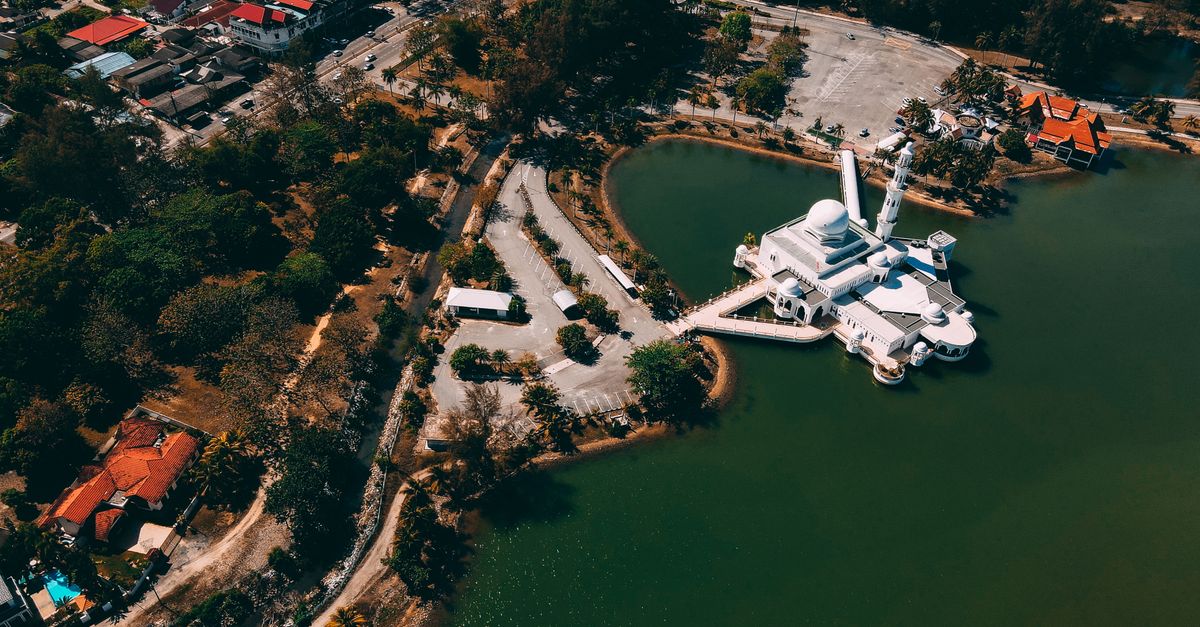
Kuala Lumpur is a practical base from which to begin or end a trip to Malaysia. The Petronas Towers, shopping districts and historic sites allow you to alternate outdoor visits with covered attractions. A shower does not have to ruin the day: you can move a walk around Merdeka Square, visit a museum or plan a meal in a food centre. For the Batu Caves, it is best to choose a time when the heat and risk of thunderstorms are reasonable, then check conditions before setting off.
Penang offers a different pace. In George Town, traditional houses, places of worship and street-art works reflect the island’s diversity. It is better to organise your visit by neighbourhood than as one long continuous walk: humid heat can be tiring, and rain can make pavements slippery. Markets and restaurants allow you to discover local cuisine while taking a cool break.
The Cameron Highlands provide a contrast with the major cities and the coast. Tea plantations, rolling landscapes and trails attract travellers who want to spend time in a cooler environment. Roads can be winding and paths muddy after rain; pack suitable footwear and do not set off without checking route conditions with your accommodation or a local guide.
This stop can be combined with Kuala Lumpur or Penang, but it requires travel time and deserves proper planning rather than being treated as an improvised excursion. Plantation visits do not all follow the same arrangements, and access conditions may vary. On a rainy day, favour covered attractions and places that can be reached without hiking.
Malacca is also suitable for a heritage-focused getaway. Its historic centre is explored on foot, but the heat makes it sensible to start early and take breaks. You can see traces of different periods of Malaysian history in the architecture and neighbourhoods without relying on a water-based activity or perfectly sunny weather.
For a first trip, combining Kuala Lumpur, Penang and a stop in the Cameron Highlands creates a varied itinerary while retaining some flexibility. If rain disrupts an outing, museums, heritage sites and culinary experiences offer practical alternatives. The best urban stop in September is one where visits can easily be rearranged.
Tip: set up a Malaysia eSIM before departure so your data works on arrival.
Borneo attracts travellers with its forests, parks, rivers and wildlife. The Malaysian part includes Sabah and Sarawak, but conditions are not identical from one place to another. In September, tropical rain remains possible; it can affect trail conditions, water levels and the running of boat trips. It is therefore preferable to confirm each excursion with a local operator rather than relying only on a general weather trend. Our guide to Kota Kinabalu offers further context for the Sabah region.
In Sabah, Kota Kinabalu is a useful starting point for arranging visits in the region. Kinabalu Park offers mountain scenery and remarkable biodiversity, but conditions change with altitude. For a hike, choose a route suited to your experience, prepare for rain and check access recommendations. Mount Kinabalu is not a simple urban walk: climbing arrangements and availability must be checked with the relevant organisations.
Wildlife conservation centres and observation areas, such as Sepilok, can complement a nature-focused stop. Sightings are never guaranteed: animals move freely and rain may affect their activity. Following the instructions of local staff is essential, particularly to avoid disturbing wildlife and to protect the areas under conservation.
In parks and forest areas, rain does not automatically mean that every visit is impossible, but it can make an excursion more demanding. A local guide knows the terrain and can adapt the route, pace or timing. For river journeys, navigation also depends on water levels and the safety decisions of providers.
Borneo is better suited to a programme with buffer days than to a tightly packed sequence of transfers and excursions. If an outing is cancelled, a city visit, market or cultural activity can take its place. This flexibility is especially useful when the itinerary involves several forms of transport.
Choosing Borneo in September therefore makes sense if you want to prioritise scenery and nature, provided you accept that activities may change with the weather. Flexible bookings and communication with local operators matter more than a detailed programme fixed far in advance.
An effective itinerary depends as much on distances as on the weather. On the Malay Peninsula, buses, trains on some routes and hire cars make it possible to connect several cities, but not all destinations are served in the same way. Domestic flights can be convenient for reaching Langkawi, Sabah or Sarawak; schedules and conditions change, so check them with the airlines when booking.
In Kuala Lumpur, urban transport makes it easier to travel between neighbourhoods, while walking is often the best way to discover the historic centres of Penang and Malacca. Boats are essential for the islands and their operation depends on sea conditions. In the event of a storm or difficult conditions, follow the carrier’s instructions and leave extra time before an important flight or connection.
Light luggage helps you cope with heat and humidity. Pack breathable clothing, rain protection, sun cream and protection for electronic devices. A plug adapter compatible with Malaysian sockets may also be necessary: check the socket type required by your devices before departure.
Entry formalities depend on nationality, length of stay and the purpose of the trip; check the current rules with the Malaysian authorities before departure. Transport prices and timetables, as well as attraction access conditions, also change: confirm them directly with the relevant organisations. For planning bookings and travel, the guide to travel tips in Malaysia complements these recommendations, while the page on the cost of a two-week stay helps structure spending without assuming a fixed price.
For a short trip, prioritise a small number of stops and direct journeys; for a longer holiday, you can add an island or Borneo according to the conditions you observe. This avoids crossing the country at breakneck speed and leaves time to enjoy each place. In September, flexibility is a genuine travel tool.
Yes, if you accept hot and humid weather and adapt your stops to local forecasts. Cities, cultural sites and several natural regions remain interesting, even though showers are possible.
It depends on sea conditions and local advice. Check conditions with boat operators and accommodation providers before booking a crossing or water-based activity.
Langkawi can be visited in September, but rain may affect some excursions or activities. Check conditions and schedules with providers before setting out.
Borneo suits travellers interested in parks, wildlife and scenery, provided they plan alternatives. Rain can affect trails, river trips and wildlife sightings.
To book tours and activities in Malaysia ahead, see the options on Klook.
Discover Pulau Ketam, the fishing island near Kuala Lumpur, with stilt houses, seafood, mangroves and a distinctive coastal village.
See fireflies along the Selangor River and silvered leaf monkeys at Bukit Melawati in Kuala Selangor, with practical wildlife tips.
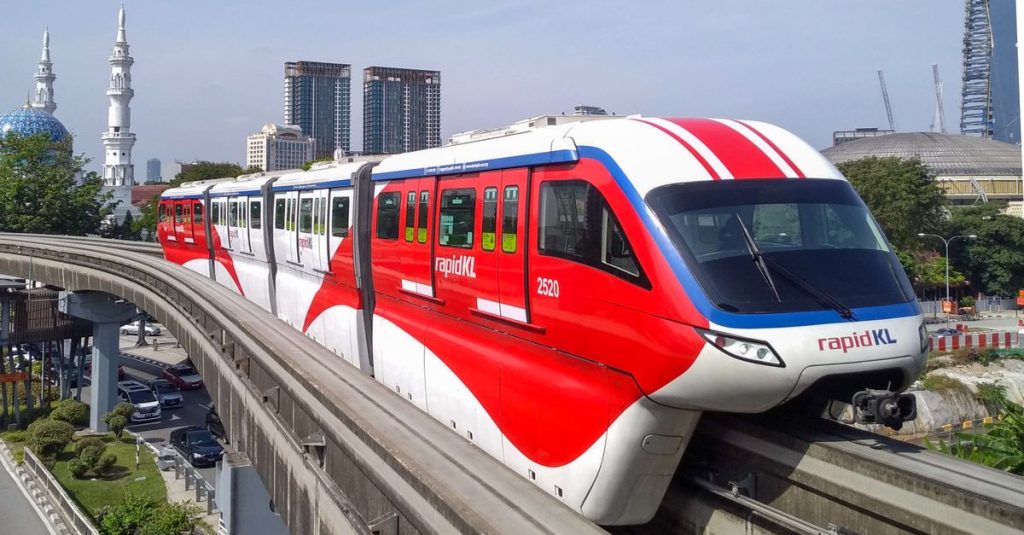
Compare the ETS train and bus from Kuala Lumpur to Ipoh, including journey times, transport options and practical tips for choosing.
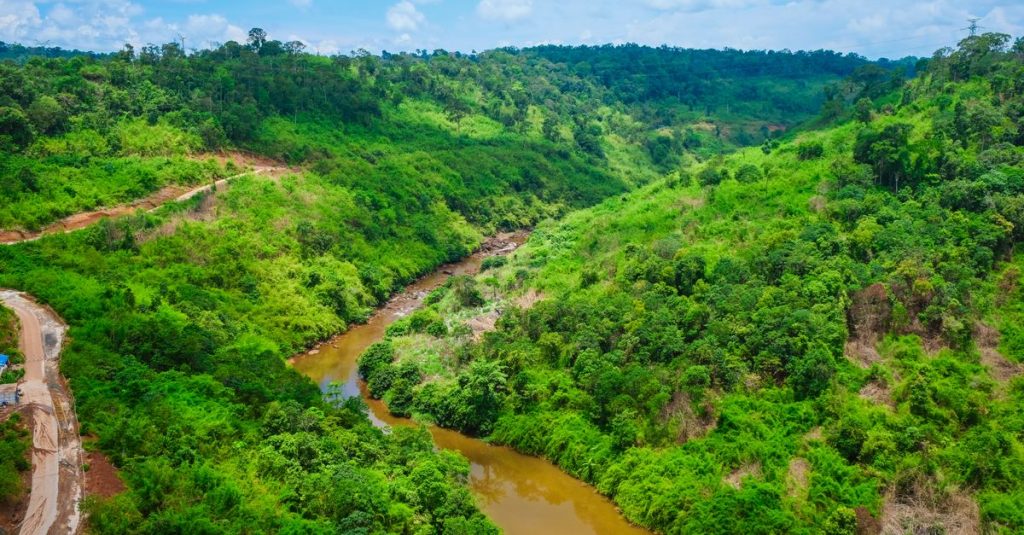
Explore Danum Valley, Borneo’s ancient rainforest, with its remarkable biodiversity, orangutans, guided walks, access details and practical advice.
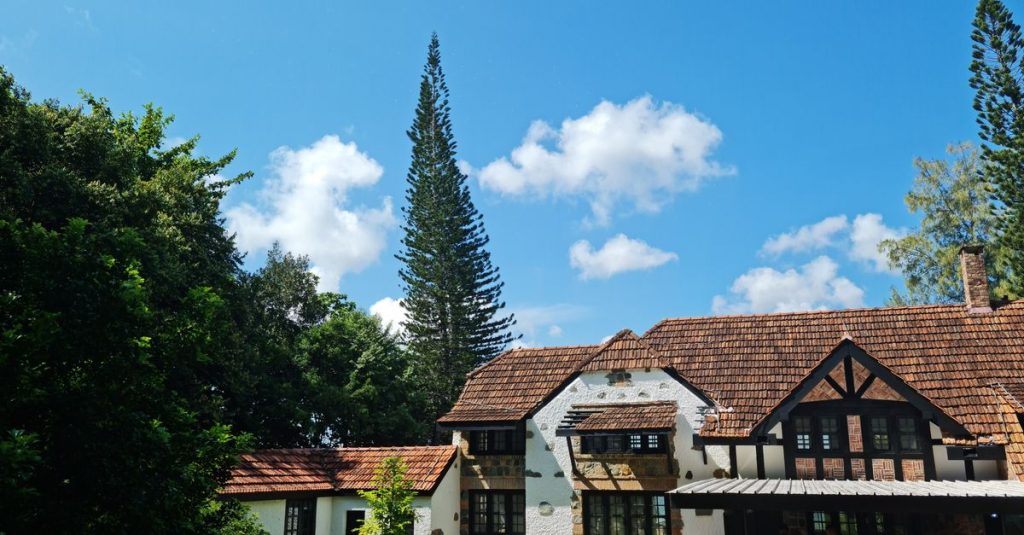
Discover Fraser’s Hill, a peaceful mountain retreat near Kuala Lumpur, with tropical forest, cool weather, hiking trails and birdwatching.
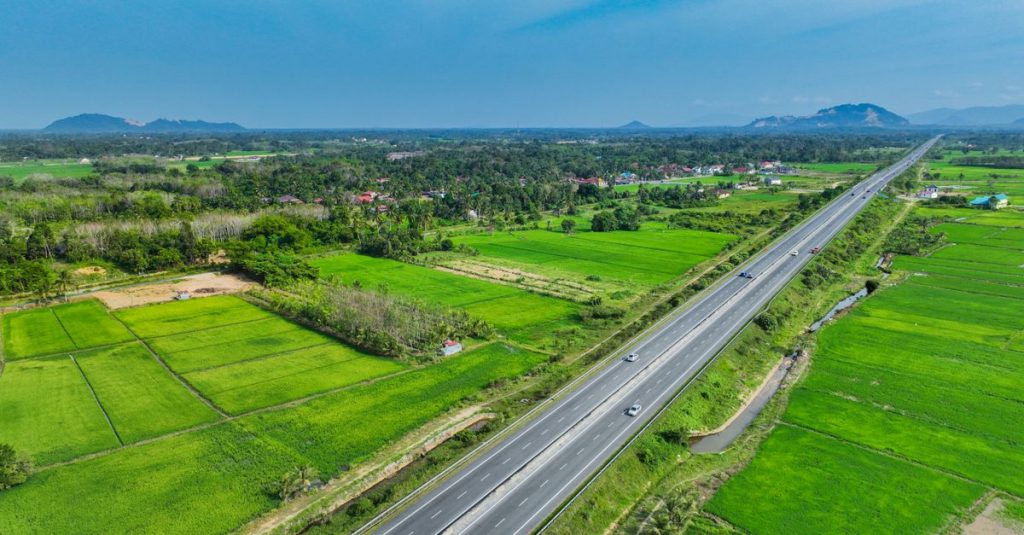
Discover what to do in Kota Bharu and how to reach the Perhentian Islands, with cultural visits, transport options and practical travel tips.
Discover S-MM2H, Sarawak’s long-stay programme: eligibility, benefits, application steps and checks before living in Malaysia.

Discover Thean Hou Temple in Kuala Lumpur, with practical advice on visiting, access, transport, opening hours and respectful behaviour.
Scroll to see more articles →