Living in Malaysia in 2026: the complete expat guide
Moving to, living in, and adapting to Malaysia in 2026: formalities, cost of living, housing, and practical tips for a successful expat experience.
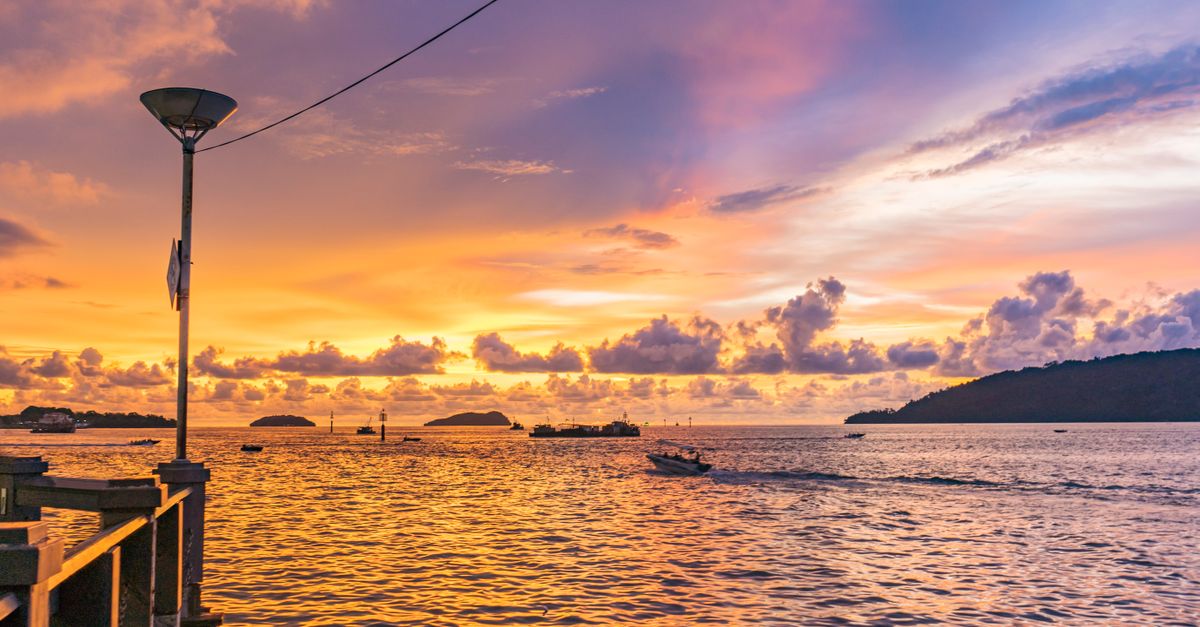
Kota Kinabalu, often called KK, is a vibrant metropolis nestled on the northwest coast of Malaysian Borneo. In 2026, this city represents a preferred choice for those aspiring to a
8 August 2026 · 14 min read
Kota Kinabalu, often called KK, is a vibrant metropolis nestled on the northwest coast of Malaysian Borneo. In 2026, this city represents a preferred choice for those seeking a peaceful lifestyle while enjoying unparalleled access to nature and local culture. Settling in Borneo at Kota Kinabalu means immersing yourself in an environment where vast open spaces meet reasonable urban development, with a cost of living significantly lower than in France. For French-speaking expats, this relocation guide offers key insights into daily life, mastering the moving process in 2026, and seizing job opportunities in Kota Kinabalu while adapting to Malaysian culture.
With a tropical climate featuring consistent temperatures between 24°C and 33°C and high humidity, Kota Kinabalu offers an exceptional quality of life, whether you're a diving enthusiast, a hiker drawn to Mount Kinabalu, or a lover of unique biodiversity. This comprehensive guide helps you prepare for a successful relocation by providing precise information on essential aspects of life in Kota Kinabalu: healthcare system, housing in Borneo, transport, and the monthly budget to plan for.
Easy access via regular flights to Kuala Lumpur and Singapore also offers convenient connections to Europe, though direct flights to France are not available. Additionally, an active expat community makes the transition smoother, particularly through support networks and diverse clubs. Here are the key points to know for a smooth and long-term move to Kota Kinabalu in 2026.
Living in Kota Kinabalu in 2026 means embracing an economically favourable reality for expatriates, particularly those from Western Europe and France. The cost of living is on average 47% lower than in France. This significant difference allows you to optimise your daily budget while enjoying a pleasant lifestyle.
Here are some essential indicators to better understand everyday expenses:
| Major expense | Average price in Kota Kinabalu | Equivalent in euros |
|---|---|---|
| Monthly apartment rent (city centre, 1 bedroom) | 2,700 MYR | 583 € |
| Lunch at a restaurant | 15 MYR | 3.20 € |
| Petrol (1 litre) | 3 MYR | 0.60 € |
| Cinema seat | 22 MYR | 4.60 € |
Housing costs remain a key factor. For example, a furnished apartment in the city centre will cost between 500 and 600 euros per month, a reasonable rate especially when compared to European standards. Outside the centre, in areas such as Luyang or Inanam, even more affordable options are available, ranging from 200 to 400 euros for quality accommodation.
Additionally, utility costs (water, electricity, internet) for domestic services are also affordable, helping to keep monthly expenses low. For those planning temporary accommodation, hotel rates in Kota Kinabalu are on average 54% lower than in France, easing the transition while you search for permanent housing.
For expats and retirees balancing housing budgets and lifestyle, Kota Kinabalu’s unique blend of urban and natural living is key. Reasonable pricing, combined with high-quality basic infrastructure, makes this destination highly appealing.
It is also important to consider the food budget and leisure activities: local seafood, in particular, is both fresh and affordable, while cultural and sporting outings remain reasonably priced without compromising comfort.
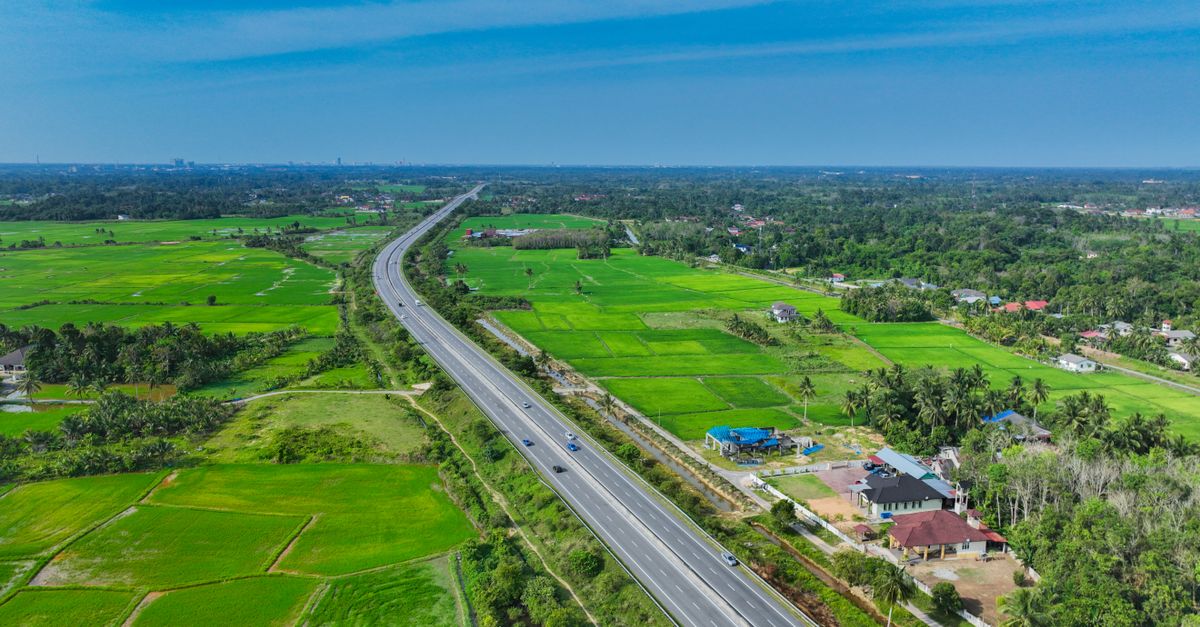
Kota Kinabalu’s housing market is diverse and caters to various profiles, from families and retirees to young professionals. Thanks to steady growth, some residential areas have developed, balancing tranquillity, security, and access to amenities.
The choice of neighbourhood is crucial for a successful move. Here are the areas to consider based on your priorities:
To access the rental market, several options are available: specialised platforms like PropertyGuru Sabah, dedicated Facebook groups, or local real estate agents. The expat community also plays a key role in sharing tips and recommending reliable agents.
Regarding property types, waterfront condominiums are a sought-after segment, particularly for their stunning sea views. Compared to Kuala Lumpur, rents in KK are generally 30 to 40% lower, making it easier to access higher-quality real estate.
Fibre-optic internet connectivity is now widely available in most urban areas, with plans reaching 100 Mbps for around 100 MYR per month. This development supports remote work, a trend strengthened in 2026 for digital nomads.
The city of Kota Kinabalu has developed primarily around the use of private cars. While the urban bus network exists, it remains poorly suited to an efficient professional daily routine. Here’s what you need to know:
The monthly car budget includes the loan, fuel, and insurance, typically ranging between 1,000 and 1,600 MYR depending on the model. Kota Kinabalu International Airport (BKI) facilitates regional travel to Kuala Lumpur, Singapore, and other destinations in Southeast Asia, but flights to Europe usually require a stopover, particularly in Kuala Lumpur.
For residents, navigating traffic flows and parking in the city is a factor to plan ahead for, given that urban infrastructure is still developing to match demographic growth.
Living in Kota Kinabalu is not just about finding a home and managing your budget. The richness of Malaysian local culture, along with proximity to exceptional natural surroundings, truly enhances a fulfilling life.
The cuisine of Sabah, influenced by the Kadazandusun, Bajau, Murut ethnic groups, as well as Malay, Chinese, and Indian communities, offers a unique blend of flavours. Among the standout specialities are *hinava*, a marinated raw fish, and *tuhau*, a spicy vegetable pickle. Fresh seafood is plentiful, providing culinary options at unbeatable prices.
Local markets and shopping centres like Suria Sabah or Imago Mall allow you to combine traditional product shopping with a more modern experience. For expats accustomed to certain comforts, many cafés and coworking spaces also enhance professional life and social networking. For more on this urban lifestyle, this dedicated guide to coworking spaces and cafés is a valuable resource.
Kota Kinabalu is a true paradise for outdoor enthusiasts. The city serves as an ideal base for exploring world-famous diving spots such as Sipadan, Mabul, or Layang-Layang. These sites attract professional and amateur divers eager to explore biodiverse coral reefs, with majestic encounters like hammerhead sharks or sea turtles.
Hikes up Mount Kinabalu, Southeast Asia’s highest peak, attract walkers of all levels. Wildlife lovers can explore sanctuaries for orangutans, proboscis monkeys, and Brahminy kites for immersive, unforgettable experiences without travelling far from the city.
The job market in Kota Kinabalu remains niche and limited compared to Kuala Lumpur or Penang. The city is primarily focused on tourism, international education, and services related to expatriation and local trade. It is therefore advisable to have a clear professional project or consider remote work to settle permanently.
Administrative procedures often require obtaining the appropriate visa, and programmes like the MM2H (Malaysia My Second Home) facilitate the settlement of retirees with secure residency status. The average local salary stands at around €507 per month, partly explaining the significant difference in living costs.
To find a job in Kota Kinabalu, target fast-growing local businesses or international institutions. Many expats also consider starting their own business or tapping into the city’s reliable digital community by leveraging its strong internet connections.
Finally, the network of French expats is a major asset for a successful relocation. Dedicated Facebook groups provide advice, contacts, and occasional job offers. It is also advisable to research the local property market, especially for those considering long-term purchases or rentals, with valuable resources such as this analysis of Kuala Lumpur’s rental market as a benchmark to better understand trends.
| Criteria | Kota Kinabalu | Kuala Lumpur | Paris |
|---|
* Approximate data for 2026, subject to local variations
The best time is generally between February and April, when the climate is drier and cooler, making relocation and settling in easier. However, the city remains pleasant year-round thanks to its tropical climate.
Kota Kinabalu has both private and public hospitals offering quality care sufficient for most needs. For specialised treatments, transfer to Kuala Lumpur may sometimes be necessary.
You will generally be asked to provide a copy of your passport, an employment contract or proof of income, as well as a security deposit equivalent to one or two months’ rent.
Yes, Malaysia facilitates business creation, especially for expats thanks to simplified procedures and tax incentives. Several support structures are available in Kota Kinabalu (KK).
Moving to, living in, and adapting to Malaysia in 2026: formalities, cost of living, housing, and practical tips for a successful expat experience.
How much does it cost to live in Malaysia? Housing, food, transport, and leisure: A detailed monthly budget for 2026, with real-life spending examples.
Discover all our guides to prepare for your expatriation to Malaysia: visas, accommodation, cost of living and daily life.
View all guides →