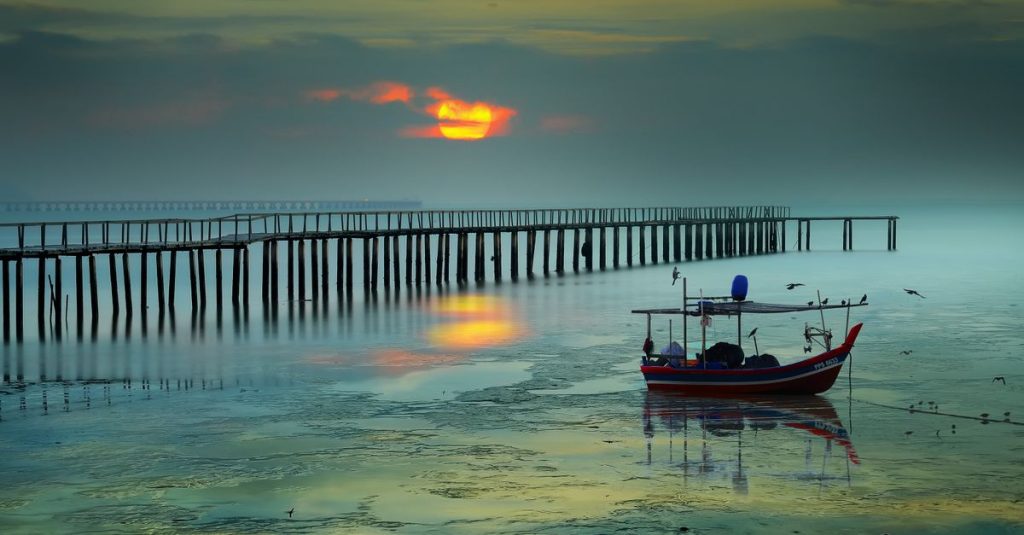
Pulau Ketam: The Fishing Island Near Kuala Lumpur
Discover Pulau Ketam, the fishing island near Kuala Lumpur, with stilt houses, seafood, mangroves and a distinctive coastal village.
Published on
Travelling to Malaysia in January is a good choice for discovering Kuala Lumpur, Penang and Langkawi. The west coast of the peninsula generally offers the most favourable conditions for combining sightseeing and beaches. By contrast, the north-east monsoon makes beach holidays on the east coast more uncertain. For a similar guide to the following month, see Malaysia in February.
Heat and humidity remain present, even when the sky is overcast. To make the most of your trip to Malaysia, the key is therefore to choose the right regions and plan alternative activities for when rain interrupts an outing.
In brief

Malaysia’s weather varies considerably between its different coastlines. In January, the north-east monsoon particularly affects the peninsula’s east coast and some parts of Borneo. It can bring persistent rainfall, wind and rough seas.
Malaysia’s west coast is generally better suited to a sightseeing itinerary at this time of year, particularly around Penang and Langkawi. This does not mean it avoids showers: the country remains a humid tropical environment, with sometimes significant local variations.
In lowland cities, the heat can make long walks tiring. Plan outdoor visits when conditions are comfortable, then alternate them with a museum, a meal or a break in the shade rather than filling every day without interruption.
A shower does not necessarily ruin an entire day. However, a prolonged spell of rain or a storm calls for greater caution: avoid exposed areas, swollen waterways and water activities that are continuing despite warnings.
| Region | January trend | Practical choice |
|---|---|---|
| Kuala Lumpur and Malacca | Humid heat, possible showers | Alternate heritage with indoor visits |
| Penang and Langkawi | Generally more favourable conditions | Combine urban discoveries and beaches |
| Peninsular east coast | Monsoon, potentially rough seas | Check transport services and openings |
| Cameron Highlands | Cooler atmosphere, possible rain and fog | Adapt walks to trail conditions |
| Malaysian Borneo | Mixed conditions, possible wet spells | Keep your programme flexible |
The rainy season does not therefore mean identical weather everywhere. Our guide to the Malaysian climate by region helps explain these differences; before an excursion, check the forecasts and alerts issued by Malaysia’s meteorological service, MET Malaysia. For more detailed city forecasts, see our guide to Kuala Lumpur weather.
Choose your itinerary by region, then adapt your activities to the conditions on the day.
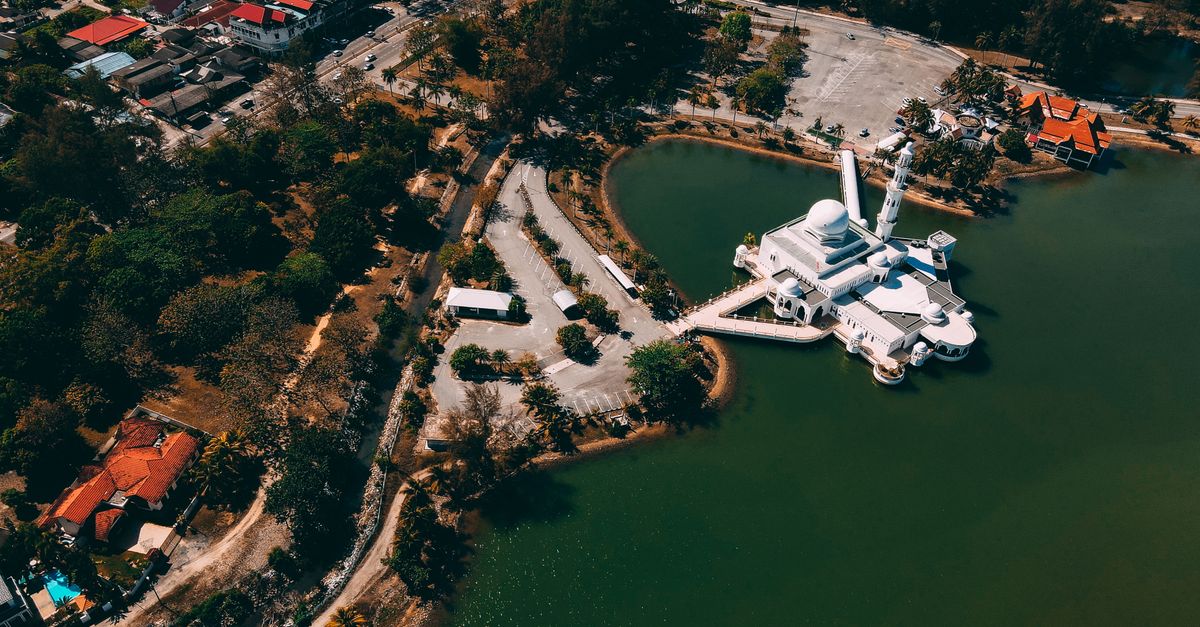
Kuala Lumpur in January is an easy destination to adapt to the weather. The capital allows you to move from a shopping district to a museum or gallery without making your entire programme dependent on the sky. However, group visits by area to limit unnecessary travel.
Around Merdeka Square and Chinatown, walks put the city’s different influences into perspective. If a shower arrives, it is better to extend an indoor visit than hurry through streets where pavements may become slippery.
The Batu Caves require different planning from a museum visit: reaching them involves climbing steps exposed to the heat. Take water, wear suitable shoes and dress respectfully at the place of worship, then adjust your effort to the conditions.
To plan your stops, see our guide to things to do in Kuala Lumpur. Keep an indoor alternative in each area: this organisation prevents you from losing half a day to travel when rain arrives.
Penang in January is particularly suitable for a stay focused on George Town. Its shophouses, places of worship and historic streets are best explored on foot, by neighbourhood, rather than through a scattered programme covering the whole island.
Food also gives the days a natural rhythm. A meal in a covered food court lets you try specialities such as char kway teow or assam laksa while taking shelter; our guide to Malaysian cuisine will help you identify the dishes.
Malacca is another option for a trip focused more on heritage than beaches. Its historic centre lends itself to a leisurely exploration, but adding it to an itinerary that already includes the capital and Penang involves extra travel.
It is better to explore your chosen neighbourhoods without rushing than to visit more cities at the expense of time on the ground.
Langkawi in January is generally more suitable than the east-coast islands for a beach holiday. Its position on the western side means conditions are often more favourable during the north-east monsoon. Swimming and boat trips nevertheless remain dependent on local weather.
Choosing the right area matters as much as choosing your accommodation. A lively district makes it easier to reach restaurants and services, while an isolated property may mean travelling for every meal or excursion. Our guide to where to stay in Langkawi can help you compare locations.
Pantai Cenang suits travellers who want easy access to restaurants and activity providers. For greater peace and quiet, examine the hotel’s surroundings carefully: the actual distance from the beach, transport options and services accessible without relying systematically on a vehicle.
Boat trips and mangrove excursions are possible activities, but they should not be booked solely on the promise of clear skies. Ask the provider about cancellation conditions, safety equipment and the arrangements made when the sea deteriorates.
Underwater visibility varies with currents, rainfall and the site selected. A month that is favourable for a beach holiday does not guarantee a successful diving trip: describe your level and expectations before booking.
The Perhentian Islands, Redang and Tioman are more exposed to the effects of the monsoon at this time of year. Some businesses may operate on a reduced basis or close temporarily, and crossings may be disrupted.
An available room is not enough to confirm that the trip is feasible. Check directly with the accommodation provider and ferry operator regarding services, what is genuinely open and refund arrangements; also consult the advice of the relevant authorities.
For a holiday centred on the sea, choose a destination suited to the season rather than a booking that is difficult to change.
To get online as soon as you land, a Malaysia eSIM can be installed before you leave, with no need to look for a local SIM card.
To decide where to go in Malaysia beyond cities and beaches, distinguish between seeking cooler weather and discovering tropical rainforest. Cameron Highlands and Borneo meet these desires, but involve different journeys and different weather-related constraints.
The highlands offer a cooler atmosphere than the coastal lowlands. Tea plantation landscapes are a major attraction, but rain and fog can reduce visibility and change the day’s programme.
More pleasant temperatures do not automatically make hikes easy. Paths may be muddy or slippery; ask locally about their condition and respect closures rather than following an itinerary found long before departure.
Take an extra layer and protection from the rain. For a guided excursion, ask which route will actually be followed and what alternative is offered if conditions prevent the original outing.
Sabah and Sarawak do not form a uniform weather zone. A stay in Kota Kinabalu does not indicate the conditions you will encounter on another coast or inland.
In January, wet spells can complicate boat excursions and some outdoor activities. If your priority is a specific experience, check whether it is feasible with the local operator before booking dependent transport.
Wildlife remains unpredictable, regardless of the month chosen. Prefer providers who explain observation conditions and behaviour rules over those who promise guaranteed encounters.
These stops make sense when they match a specific interest, not when they are simply used to lengthen the itinerary.
Malaysia is not everywhere in low season in January. A period favourable to western beaches may support local demand, while regions affected by the monsoon experience a different level of activity. Holidays in countries of departure also influence airfares.
Compare complete packages: baggage, transfers, meals included and change conditions. Cheaper accommodation located far from the sights may cost more once travel expenses are added.
An itinerary combining Kuala Lumpur, Penang and Langkawi gives the trip a clear structure: capital, heritage, then beach. You still need to choose the connections actually available on your dates, without assuming that a ferry route mentioned in an old itinerary is still operating.
Check timetables and prices directly with transport operators before paying. Our guide to transport in Malaysia helps compare travel options, while our guide to the cost of living locally helps identify spending categories.
Celebrations can change visitor numbers in neighbourhoods, access arrangements and room availability. Thaipusam follows a religious calendar: do not assume that the festival will take place during your January stay, and confirm its programme with the organisers or tourism office.
Our page on Thaipusam in Malaysia explains the context of this celebration. Once there, respect areas reserved for worshippers and ask permission before photographing participants at close range.
For entry requirements, consult our guide to the visa for French travellers, then check the requirements in force with the Malaysian Immigration Department. A flexible booking and up-to-date official information protect your budget better than a programme locked in too early.
Yes, particularly for Kuala Lumpur, Penang and Langkawi. The peninsula’s east coast is more exposed to the north-east monsoon and is less suitable for a trip dependent on ferry crossings and maritime activities.
Swimming is generally possible, but depends on local conditions. Follow signs, beach instructions and weather warnings; a favourable period does not guarantee calm seas every day.
No. The capital makes it possible to alternate walks with indoor visits. Group activities by neighbourhood and keep an indoor option available to avoid long journeys when a shower arrives.
No. Prices depend on the destination, holidays, events and demand. Compare the total cost of the trip and check updated prices with airlines, accommodation providers and activity operators.
To book tours and activities in Malaysia ahead, see the options on Klook.
Discover Pulau Ketam, the fishing island near Kuala Lumpur, with stilt houses, seafood, mangroves and a distinctive coastal village.
See fireflies along the Selangor River and silvered leaf monkeys at Bukit Melawati in Kuala Selangor, with practical wildlife tips.

Compare the ETS train and bus from Kuala Lumpur to Ipoh, including journey times, transport options and practical tips for choosing.
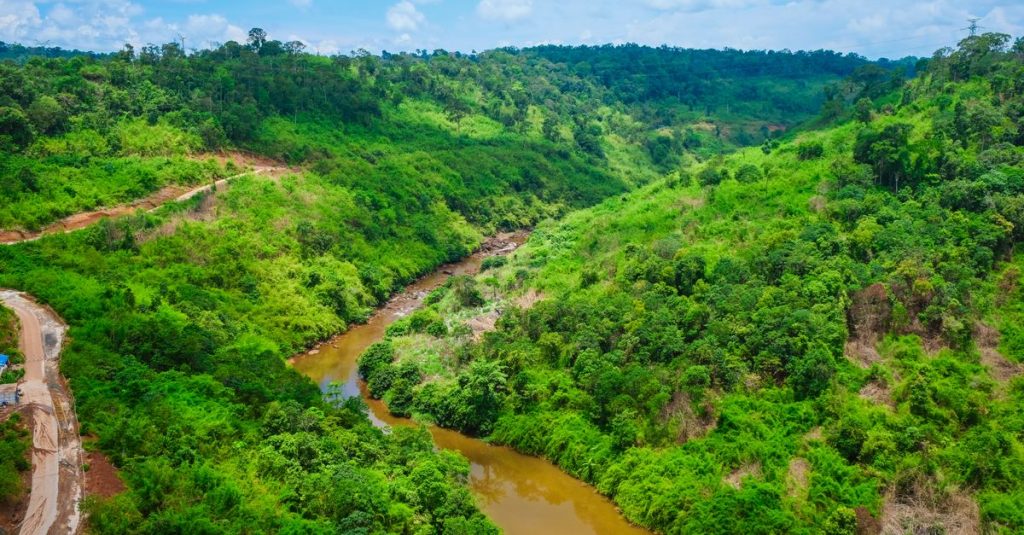
Explore Danum Valley, Borneo’s ancient rainforest, with its remarkable biodiversity, orangutans, guided walks, access details and practical advice.
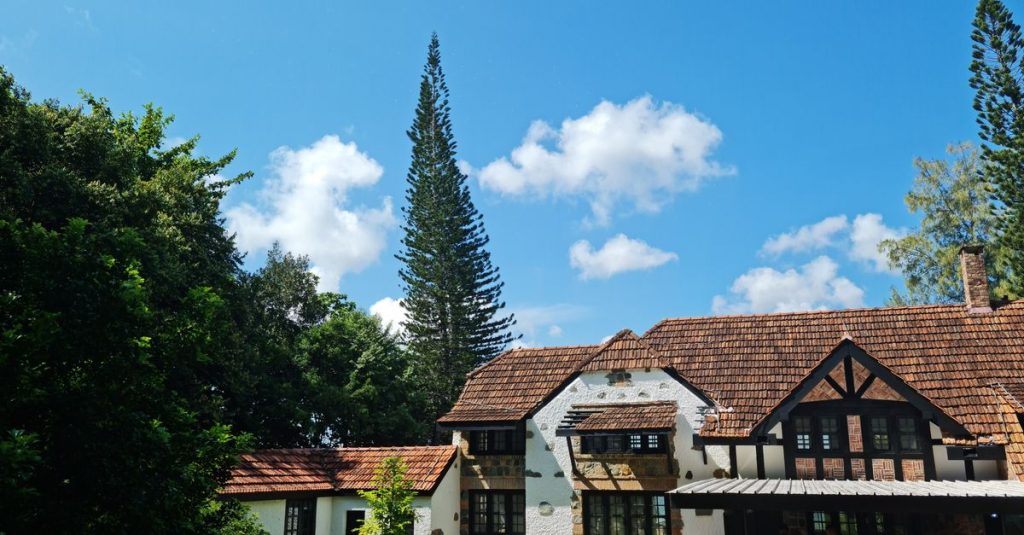
Discover Fraser’s Hill, a peaceful mountain retreat near Kuala Lumpur, with tropical forest, cool weather, hiking trails and birdwatching.
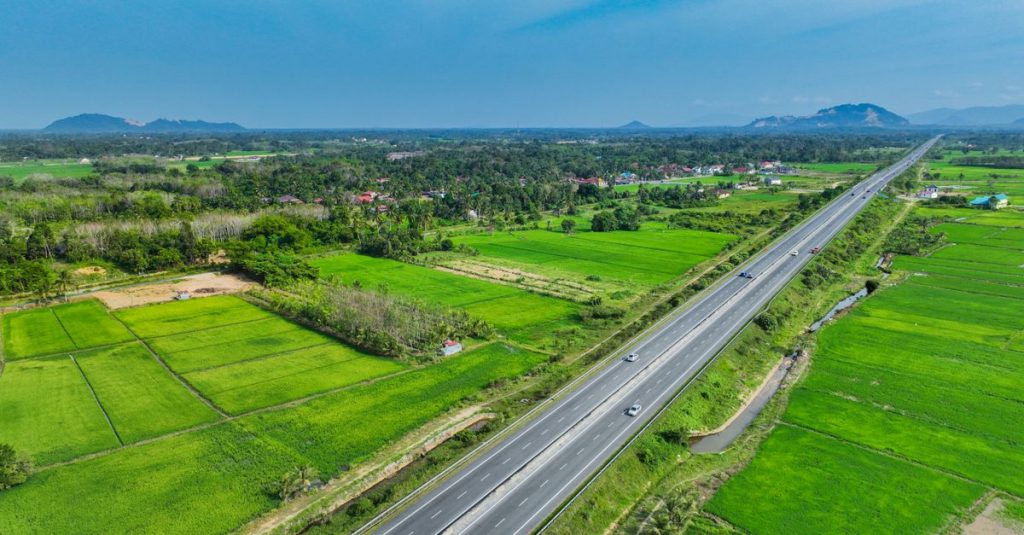
Discover what to do in Kota Bharu and how to reach the Perhentian Islands, with cultural visits, transport options and practical travel tips.
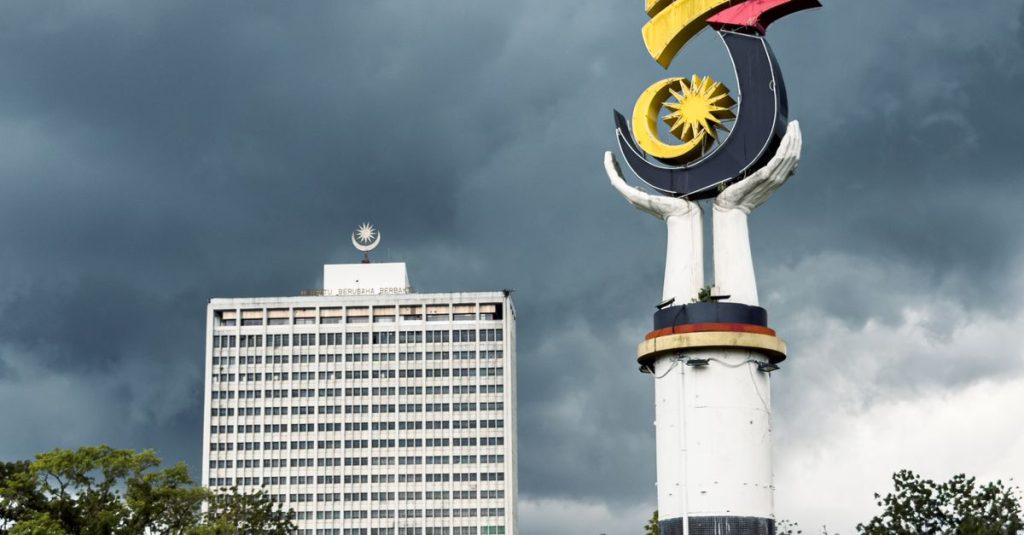
Discover S-MM2H, Sarawak’s long-stay programme: eligibility, benefits, application steps and checks before living in Malaysia.
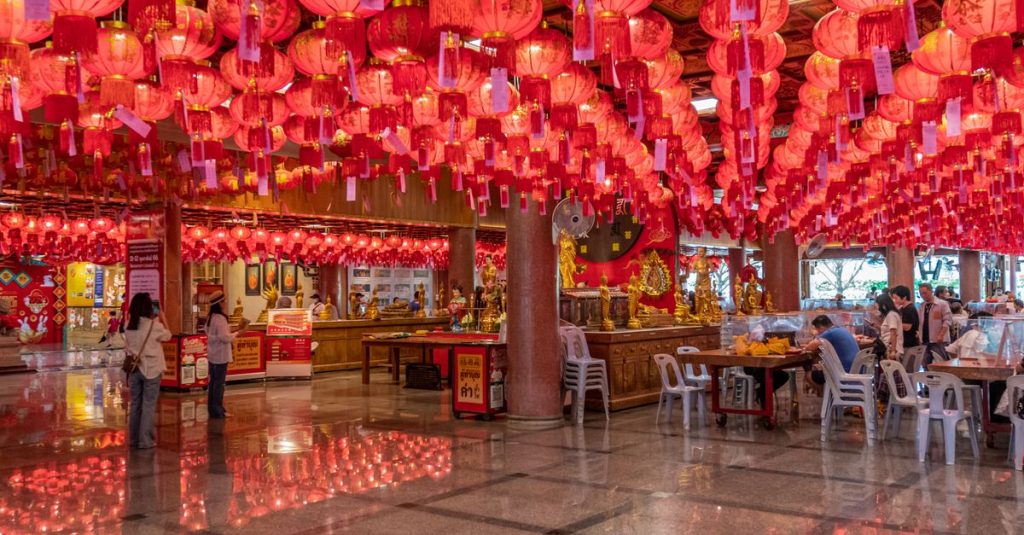
Discover Thean Hou Temple in Kuala Lumpur, with practical advice on visiting, access, transport, opening hours and respectful behaviour.
Scroll to see more articles →