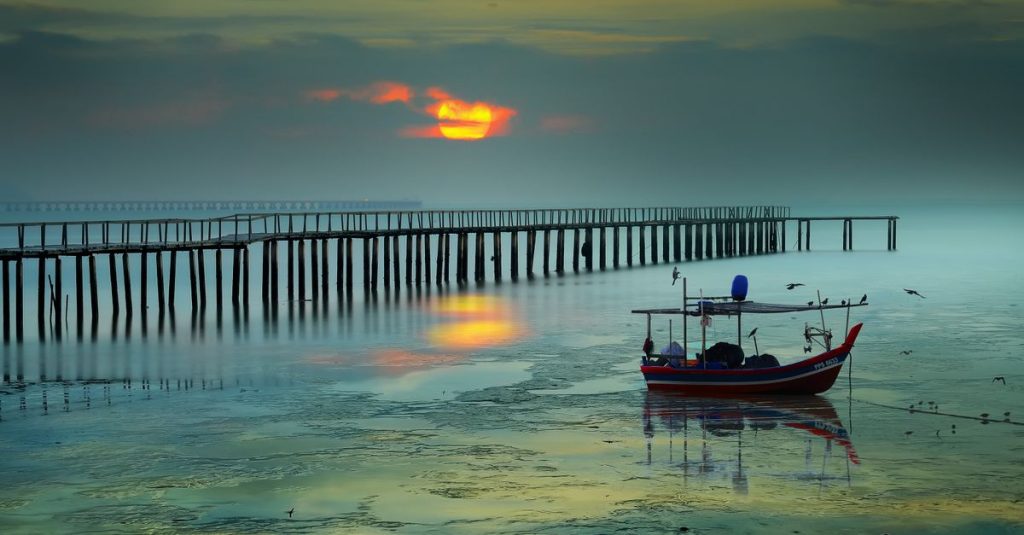
Pulau Ketam: The Fishing Island Near Kuala Lumpur
Discover Pulau Ketam, the fishing island near Kuala Lumpur, with stilt houses, seafood, mangroves and a distinctive coastal village.
Published on
Travelling to Malaysia in February can suit a trip combining cities, culture and beaches, provided you choose the regions according to the monsoon. The west coast, particularly Kuala Lumpur, Penang and Langkawi, is generally better suited to a seasonal itinerary, while islands on the east coast may have reduced services or less favourable conditions. Malaysia’s tropical climate cannot be summed up as one uniform dry season: rainfall and the most suitable periods vary from one region to another.
February is also marked in some years by celebrations such as Chinese New Year or Thaipusam, whose dates change according to different calendars. The month therefore makes it possible to combine urban sightseeing, local food and nature, without planning the entire trip around guaranteed weather. Here is how to weigh up the regions, organise your travel and plan activities suited to both showers and sunny spells.
In brief

In February, the weather in Malaysia depends mainly on the region you choose. The country has a tropical climate, but monsoon-related rainfall does not affect all coasts in the same way or at the same time. It is therefore more useful to compare areas than to look for one forecast covering the whole country.
The west coast of the peninsula, where Kuala Lumpur, Penang and Langkawi are located, is often a practical base at this time of year. This does not mean that the skies will remain clear throughout your stay: showers are still possible and may alter outdoor activities. The term dry season is relative here, rather than a promise of rain-free weather.
On the east of the peninsula, the rainy season and its effects on sea transport can make some islands less accessible. Connections and accommodation services vary according to the location and operator. Before building a trip around an island, check directly with transport companies and accommodation providers that services are operating on your planned dates.
For short-term forecasts and regional information, consult Malaysia’s official meteorological service. The Malaysia climate guide also helps explain the differences between regions, but does not replace up-to-date bulletins. Pack lightweight clothing, rain protection and sun protection: all three may be useful on the same day.
| Area | Why visit in February | What to check before departure |
|---|---|---|
| Kuala Lumpur | Urban sightseeing, museums, markets and places of worship | Local forecasts and site opening hours |
| Penang | Heritage, food and walks in George Town | Rain and conditions for outdoor activities |
| Langkawi | Beaches, scenery and boat trips | Sea conditions and whether excursions are operating |
| East-coast islands | Nature and beach activities when services are available | Boat connections, accommodation and weather |
| Borneo | Nature, cities and discovering Sabah or Sarawak | Area-specific forecasts and access to excursions |
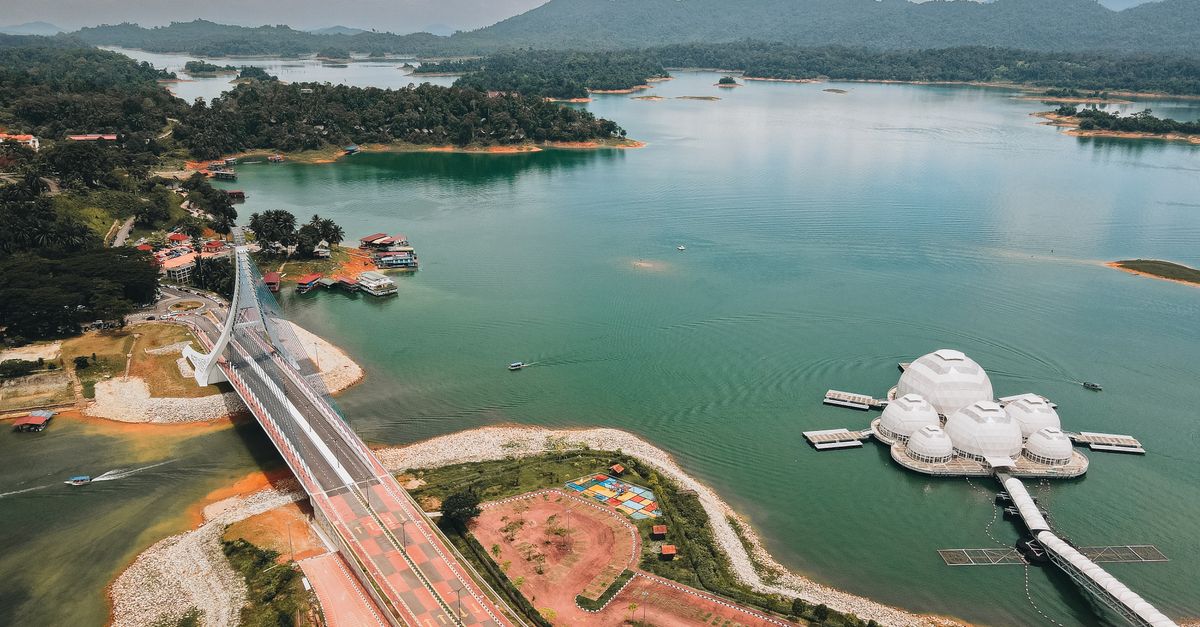
For a first trip, an itinerary linking Kuala Lumpur, Penang and Langkawi offers good variety without too many regional changes. The capital allows you to alternate sightseeing, shopping districts and food. Penang brings a different pace, with George Town’s heritage and a renowned food scene, while Langkawi is better suited to travellers who want to spend time enjoying coastal scenery.
In Penang, spend part of your stay exploring George Town on foot, allowing for breaks under cover if a shower arrives. Markets and restaurants make it possible to continue sightseeing even when conditions are no longer suitable for a long walk. Malaysia’s beaches are not all alike: on an island, sea conditions, wind and available excursions matter just as much as sunshine.
Langkawi is a practical option for combining relaxation with outdoor activities, but it is better not to organise every day around a water-based excursion. Keep an alternative available, such as visiting a village, a market or a viewpoint accessible by road. This flexibility is particularly useful when showers are brief but temporarily disrupt excursions. For other island ideas, see our guide to Malaysia’s most beautiful islands.
East-coast islands, including the Perhentians, should not be assumed to be automatically accessible in February. The range of services may be limited by the season, and operators do not necessarily provide the same services all year round. Confirm crossings, opening dates and cancellation conditions before buying a non-refundable ticket.
Kuala Lumpur is a convenient starting point for discovering Malaysia’s cultural diversity. The Petronas Towers, shopping districts, markets and places of worship allow you to create varied days, with indoor visits if the weather turns cloudy. The Batu Caves, near the capital, are particularly busy during Thaipusam: the event attracts worshippers and visitors, and crowds may affect travel around the site.
The date of Thaipusam varies according to the religious calendar. If the festival is part of your plans, check the dates and traffic guidance with organisers and local authorities before finalising your programme. The guide to Thaipusam in Malaysia helps you prepare for the visit while taking the religious significance of the celebration into account. Dress respectfully and behave discreetly in places of worship.
Chinese New Year may also fall in February. Decorations, events and shop opening hours vary according to the dates and neighbourhoods; it is better to check local announcements than to assume that celebrations will take place throughout the month. The festivities offer an insight into the traditions of Malaysia’s Chinese community, but they can also result in heavy visitor numbers at certain locations.
When eating out, try specialities sold in markets and restaurants: nasi lemak, satay and noodle dishes are easy reference points, with recipes varying between regions. In Penang, exploring the food scene can become a central part of the trip in its own right. The guide to festivals in Malaysia helps place these events in their cultural context.
Tip: set up a Malaysia eSIM before departure so your data works on arrival.
Malaysian Borneo deserves a separate trip if nature is a priority. Sabah and Sarawak offer experiences that differ from those of the peninsula’s major cities, including forest landscapes, coastal areas and cultural visits. In February, avoid automatically applying the weather patterns observed in Kuala Lumpur to Borneo: weather and access conditions should be checked locally, especially for nature excursions.
Kota Kinabalu can serve as a base for exploring Sabah, but excursions depend on the conditions on the day and on the operators. For a hike, boat trip or park visit, confirm access rules, opening times and any restrictions directly with the relevant organisations. The Kota Kinabalu and Sabah guide provides useful background on this part of Borneo.
The Cameron Highlands are another possible stop for those looking for cooler temperatures and tea plantation landscapes. The road journey and travel locally can take time, so it is better not to treat this as a simple, improvised day trip from the capital. Spending one night there allows you to spread out your visits and avoid relying on an overly tight schedule.
The choice between Borneo, the highlands and the islands therefore depends less on a promise of good weather than on the type of experience you are looking for. If your trip is short, focus on one main region after Kuala Lumpur. For a longer trip, add a nature stop while allowing extra days for travel and changes in weather.
A realistic itinerary takes distances and connections into account. Domestic flights can make travel between the peninsula and Borneo easier, while buses and trains are useful for some overland stages. As timetables, fares and services may change, check them with the transport providers when booking. The Malaysia transport guide helps compare the options without assuming that a journey will always be available under the same conditions. You can also consult our Malaysia itinerary ideas when planning the overall route.
For beaches and boat trips, choose flexible bookings where possible. Check the forecast shortly before departure, then confirm with the organiser if an activity depends on sea conditions. In cities, pack comfortable walking shoes and rain protection; for temple visits, find out about dress codes and local customs.
Prices and entry formalities change. Check visa information with the official authorities before travelling, as well as prices and opening times directly with service providers. For French passport holders, the guide to Malaysian visas for French citizens is a starting point, but the rules applicable to your situation must be confirmed with the relevant authorities. Rules differ by nationality.
Finally, keep a back-up activity for each outdoor day: a museum, covered market, café or urban visit. This approach allows you to enjoy the trip even if an excursion has to be moved. In February, the best strategy is to choose one coherent region, then leave enough flexibility to adapt your programme to the actual weather.
Yes, particularly for visiting the west coast and major cities, provided you allow for showers and check regional conditions before outdoor activities.
Kuala Lumpur, Penang and Langkawi make a practical itinerary. Borneo and the Cameron Highlands are also possible, but their conditions and access should be checked locally.
Do not assume that transport links and accommodation will be available. Check directly with transport providers and accommodation establishments that they are open on your planned dates.
Pack lightweight clothing, rain protection, comfortable walking shoes and sun protection. For religious sites, choose respectful clothing.
To book tours and activities in Malaysia ahead, see the options on Klook.
Discover Pulau Ketam, the fishing island near Kuala Lumpur, with stilt houses, seafood, mangroves and a distinctive coastal village.
See fireflies along the Selangor River and silvered leaf monkeys at Bukit Melawati in Kuala Selangor, with practical wildlife tips.

Compare the ETS train and bus from Kuala Lumpur to Ipoh, including journey times, transport options and practical tips for choosing.
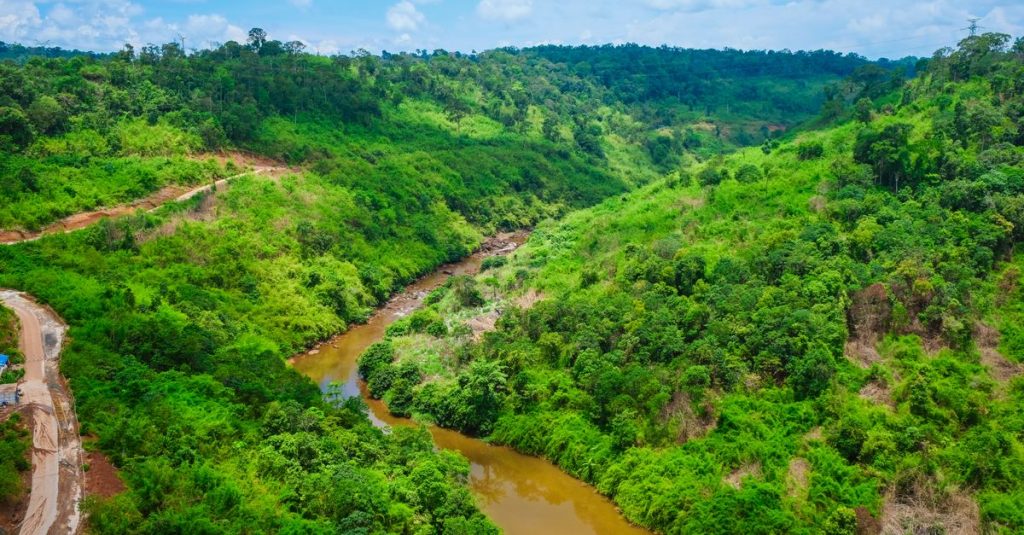
Explore Danum Valley, Borneo’s ancient rainforest, with its remarkable biodiversity, orangutans, guided walks, access details and practical advice.
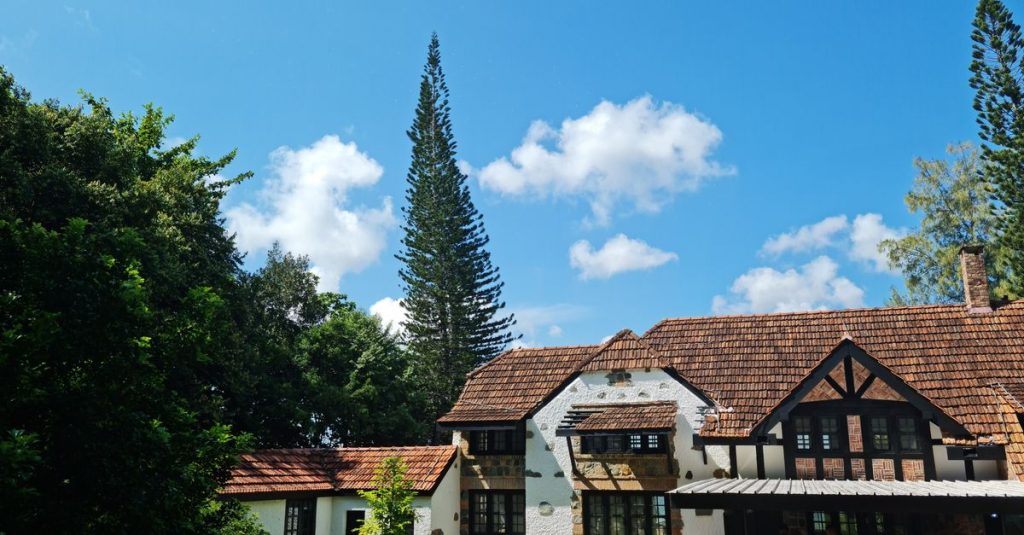
Discover Fraser’s Hill, a peaceful mountain retreat near Kuala Lumpur, with tropical forest, cool weather, hiking trails and birdwatching.
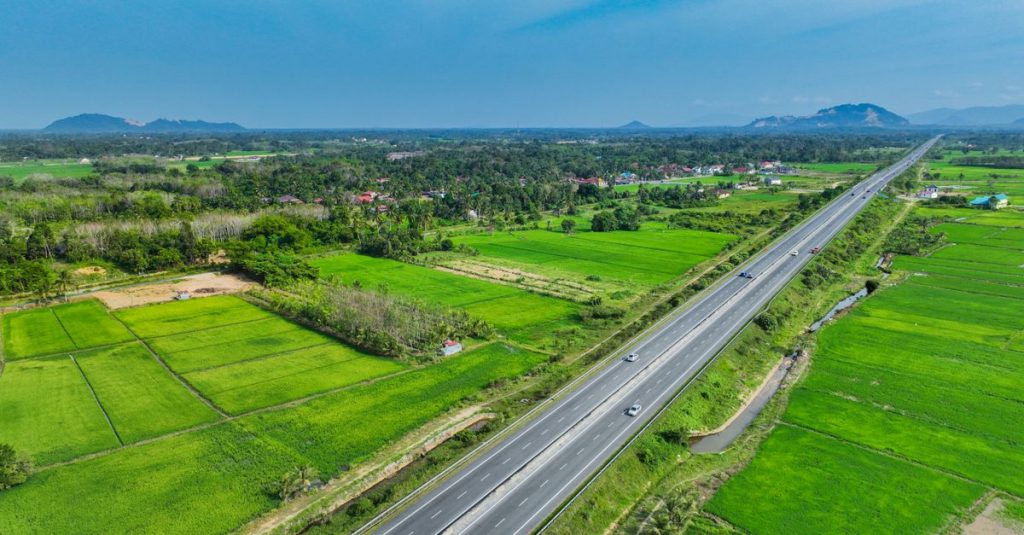
Discover what to do in Kota Bharu and how to reach the Perhentian Islands, with cultural visits, transport options and practical travel tips.
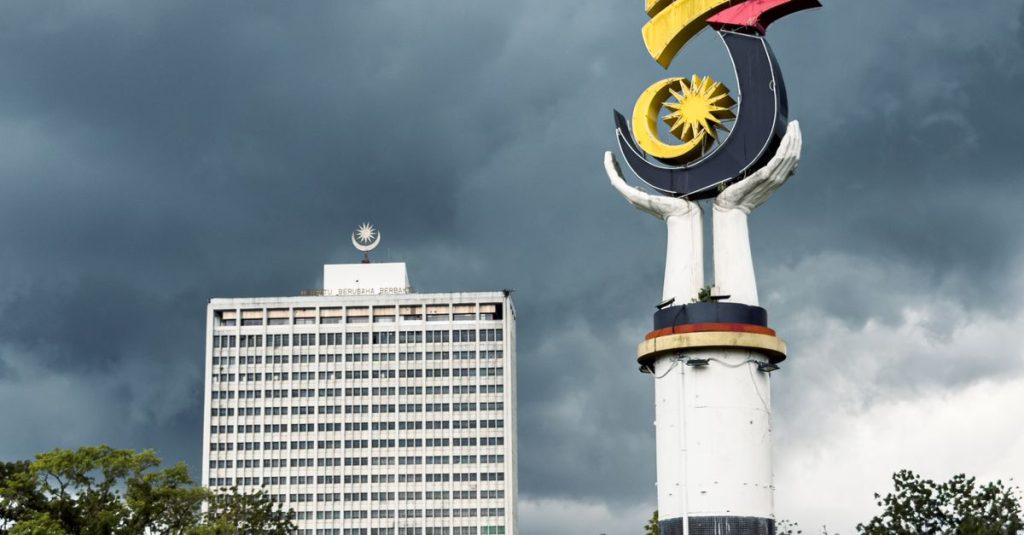
Discover S-MM2H, Sarawak’s long-stay programme: eligibility, benefits, application steps and checks before living in Malaysia.
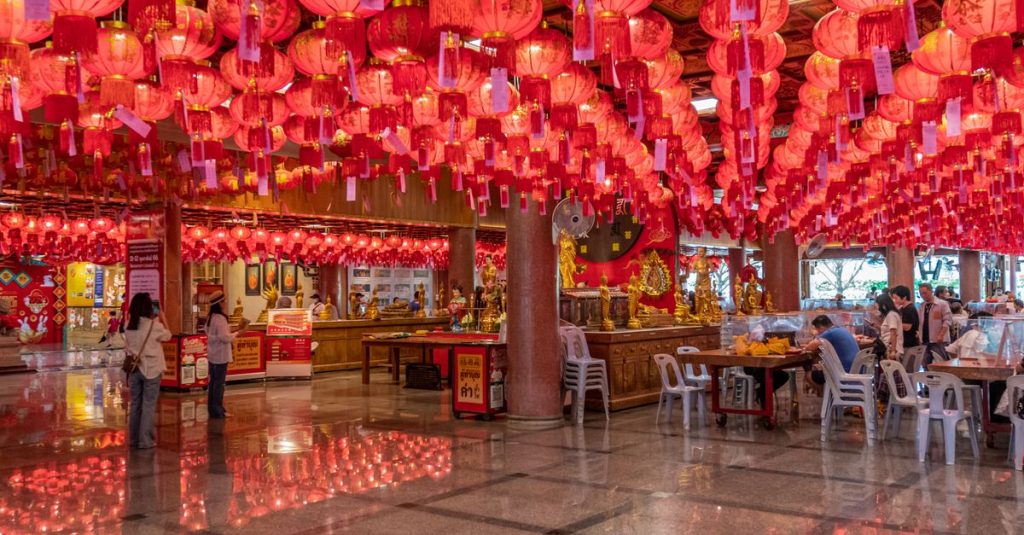
Discover Thean Hou Temple in Kuala Lumpur, with practical advice on visiting, access, transport, opening hours and respectful behaviour.
Scroll to see more articles →