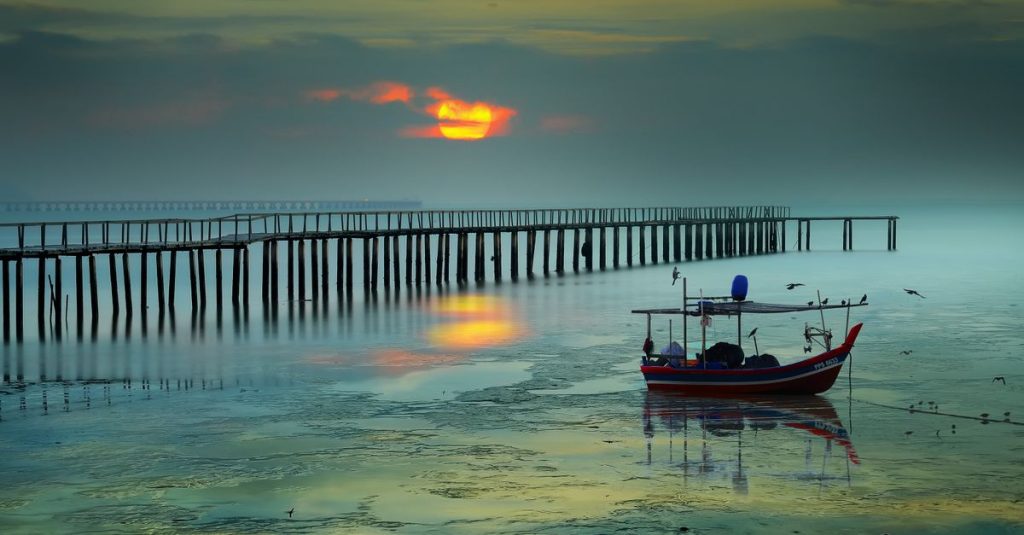
Pulau Ketam: The Fishing Island Near Kuala Lumpur
Discover Pulau Ketam, the fishing island near Kuala Lumpur, with stilt houses, seafood, mangroves and a distinctive coastal village.

Published on
Travelling to Malaysia in May is suitable for a trip combining cities, nature and islands, provided you are prepared for humid heat and showers. For a beach holiday, the Perhentian Islands, Redang and Tioman are generally the best choices at this time of year. Kuala Lumpur, Malacca and Penang remain interesting for cultural visits, while Langkawi requires greater flexibility if beaches are your priority. For June, see Malaysia in June: weather and where to go.
Malaysia’s weather cannot be reduced to a dry season opposed to a rainy season. The coastlines, highlands and territories of Borneo experience different conditions. A period favourable for sea trips on the east coast can therefore coincide with storms elsewhere, without these necessarily preventing every activity.
The right choice therefore depends above all on your plans: swimming, urban sightseeing or hiking. When preparing your trip, think by region rather than relying on a national average, and keep alternative options available when your activities depend on the weather or sea conditions.
In brief

May remains hot and humid in the lowlands and along the coast. The tropical climate makes long walks tiring, particularly in heavily built-up areas. Cloud cover does not remove either the feeling of heat or the need for sun protection.
A shower does not necessarily mean spending the entire day in your hotel. Short, intense spells may give way to clearer skies, but longer periods of rain are also possible. The impact depends on the activity: a museum visit remains easy to maintain, unlike a trip along a steep trail.
Storms can develop quickly, particularly after heat has built up. Starting walks early in the day is a sensible habit, although it does not guarantee a dry morning. To understand these contrasts, see our guide to Malaysia’s climate by region. You can also check the weather in Kuala Lumpur if the capital is part of your itinerary.
This period usually marks a transition towards the south-west monsoon pattern. Its arrival varies from year to year: it is not an identical change across the whole country. The east coast is normally emerging from the north-east monsoon, which is particularly restrictive for sea travel.
Seasonal trends help you select a destination, not predict a specific excursion. Local forecasts and marine warnings should guide short-term decisions. Check them with the Malaysian meteorological service, MET Malaysia.
| Region | Suitable choice in May | Point to watch |
|---|---|---|
| East coast | Beach, snorkelling, diving | Storms and sea conditions |
| West coast | Heritage, gastronomy, cities | Showers and humid heat |
| Highlands | Scenery and relative coolness | Fog and slippery paths |
| Borneo | Forest and wildlife watching | Significant local variations |
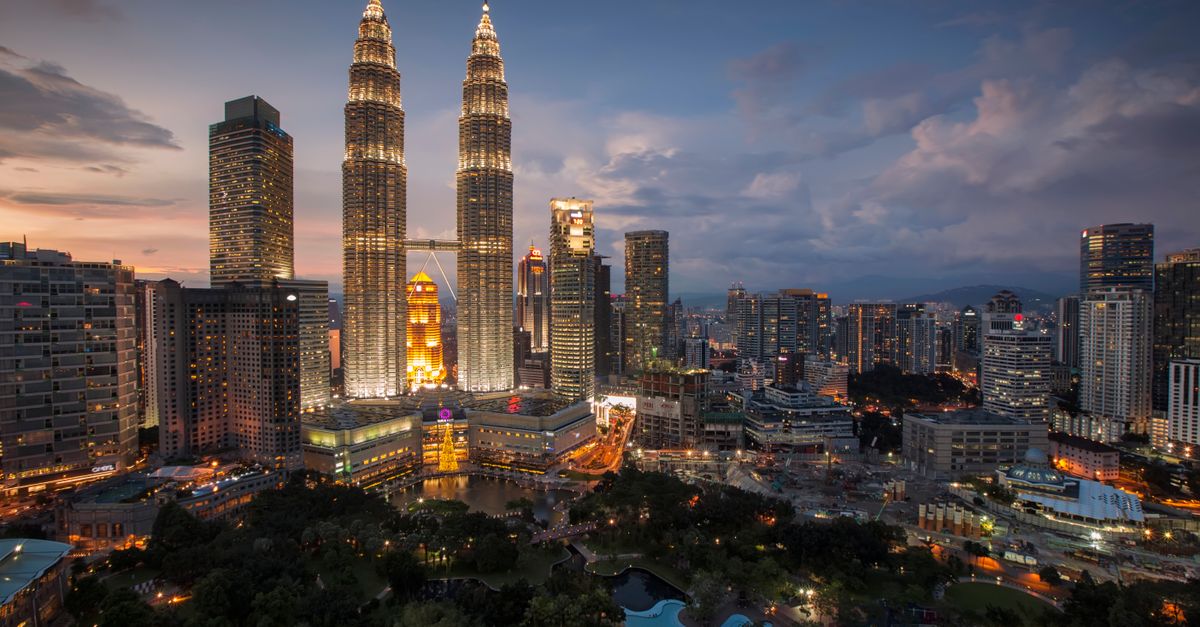
The east-coast islands are generally the most consistent choice for a sea-focused holiday. The Perhentian Islands, Redang and Tioman are usually within their tourist season. However, this guarantees neither a calm crossing nor constant underwater visibility. For other options, see our guide to Malaysia’s most beautiful islands.
The Perhentian Islands suit a programme centred on beaches and sea excursions. Choosing the bay matters just as much as choosing your accommodation: boat access, dining options and the immediate surroundings have a strong influence on daily life. Check these points before booking, especially if you want to limit travel.
Redang is well suited to a holiday organised around one resort and its excursions. Tioman offers more opportunity to combine villages, coastline and wooded terrain, but travel between areas must be planned in advance. An address that looks close on a map is not necessarily accessible on foot with luggage.
For diving and snorkelling, conditions also depend on currents, wind and recent rainfall. Ask the local centre which sites are suitable for your level. A favourable calendar never replaces an assessment of the day’s conditions.
Langkawi remains an option, particularly if you want to alternate relaxation, island sightseeing and land-based activities. However, it is better not to build your holiday around the promise of uninterrupted sunshine. Some sea excursions or panoramic activities may be less appealing when conditions deteriorate.
For all these destinations, confirm crossings directly with operators and check notices from the maritime authorities. Leave some extra time before your return flight: ease of access and flexible bookings matter just as much as the beach you choose.
Cities are good places to stop when travelling in changeable weather. They offer indoor alternatives and allow you to change the order of your visits without disrupting the whole trip. The main challenge is reducing long walks during the most demanding periods.
In the capital, organise your days by neighbourhood rather than constantly crossing the metropolitan area. A walk around historic sites can be followed by a museum visit or a break indoors. This makes travel less tiring and your schedule easier to adjust when a storm approaches.
Gardens and outdoor spaces are best visited while the heat remains bearable. For places of worship, wear suitable clothing and follow the instructions on site. Our guide to things to do in Kuala Lumpur can help you choose stops that match your interests.
In Penang, George Town can be explored through its shopping streets, religious buildings and culinary traditions. The façades and street art involve walking outdoors, so it is better to plan breaks than try to see everything in one go. Indoor visits allow you to continue exploring when the sky darkens.
Malacca is also well suited to alternating heritage walks with sheltered places. The riverside area can be pleasant when conditions allow, but wet ground requires care. Choose shoes with good grip rather than sandals designed solely for the beach.
Food gives these stops an appeal that does not depend on sunshine. Discover the specialities in our guide to Malaysian cuisine, then adapt your outings to the establishments that are actually open. In the cities, a compact programme is more resilient to showers than a succession of appointments in distant locations.
Tip: set up a Malaysia eSIM before departure so your data works on arrival.
Borneo suits travellers who place forests and wildlife at the heart of their holiday. However, Sabah and Sarawak should not be treated as one uniform weather region. The coast, valleys and mountain ranges may experience very different conditions.
In Sabah, Kota Kinabalu can serve as a starting point for a coastal or inland programme. Sandakan is better suited to plans focused on the natural areas in the east. Covering both areas adds transfers, so choose according to your priorities rather than simply accumulating stops. Our guide to Kota Kinabalu provides further context for the region.
In Sarawak, Kuching allows you to combine urban discoveries with excursions in the surrounding area. Trips to protected areas must take access conditions and the managers’ instructions into account. At Bako, for example, the maritime part of the journey means that sea conditions must also be considered.
Wildlife sightings are never guaranteed. Rainfall, vegetation and animal behaviour influence encounters. Choose operators who respect appropriate distances, and do not select a provider solely on the promise of seeing a particular animal.
The Cameron Highlands, located in the peninsula’s uplands, offer a cooler atmosphere than the lowlands. However, they are not a refuge from rain: fog, humidity and mud can change the experience. Plantations and viewpoints are not always seen beneath clear skies. See also our guide on where to stay in the Cameron Highlands.
Before walking, check whether the paths are open and their recent condition. A wet slope or damaged section can make a route considerably more difficult than expected. In natural areas, it is better to adapt your objective than to continue with an outing that has become unsuitable.
An itinerary in Malaysia works better when it limits changes of region. To combine culture and swimming, pair an urban stop with an east-coast island. If forests are your priority, devote more time to Borneo rather than adding it to an already crowded circuit.
Avoid combining a sea crossing with an international flight without sufficient time to spare. Timetables may change and a local disruption can affect the rest of your journey. Check departures with the transport companies, as well as exchange and cancellation conditions, before paying.
Our guide to transport in Malaysia helps compare travel options. For day-to-day organisation, useful travel apps can make journeys and access to practical information easier; also keep your confirmations available offline.
May is not automatically a cheap or quiet period. Demand depends in particular on weekends, holidays and local events. Compare the total cost of each accommodation option, including transfers, meals and the excursions essential to your programme.
The guide to the cost of a stay in Malaysia helps identify the expenses to plan for. As prices change regularly, confirm amounts directly with accommodation providers, transport operators and the official managers of sites.
Pack lightweight clothing, rain protection, grippy shoes and a waterproof pouch for your documents. For entry requirements, consult our page on the visa and formalities for French citizens, then check the requirements with Malaysian Immigration before departure. Rules may differ by nationality.
Yes, particularly if you want to combine cultural visits with the east-coast islands. You should be prepared for humid heat, showers and occasional changes to your plans.
Not necessarily. Rain may come as showers followed by clearer spells, but longer periods of rain are also possible. Their duration varies according to the region and the weather situation.
The Perhentian Islands are generally preferable for a mainly beach-based holiday. Langkawi remains interesting for a more varied programme, with greater flexibility in response to showers.
Yes, subject to trail conditions and local instructions. Check conditions with park managers and abandon exposed routes in the event of storms or dangerous terrain.
To book tours and activities in Malaysia ahead, see the options on Klook.
Discover Pulau Ketam, the fishing island near Kuala Lumpur, with stilt houses, seafood, mangroves and a distinctive coastal village.
See fireflies along the Selangor River and silvered leaf monkeys at Bukit Melawati in Kuala Selangor, with practical wildlife tips.
Compare the ETS train and bus from Kuala Lumpur to Ipoh, including journey times, transport options and practical tips for choosing.
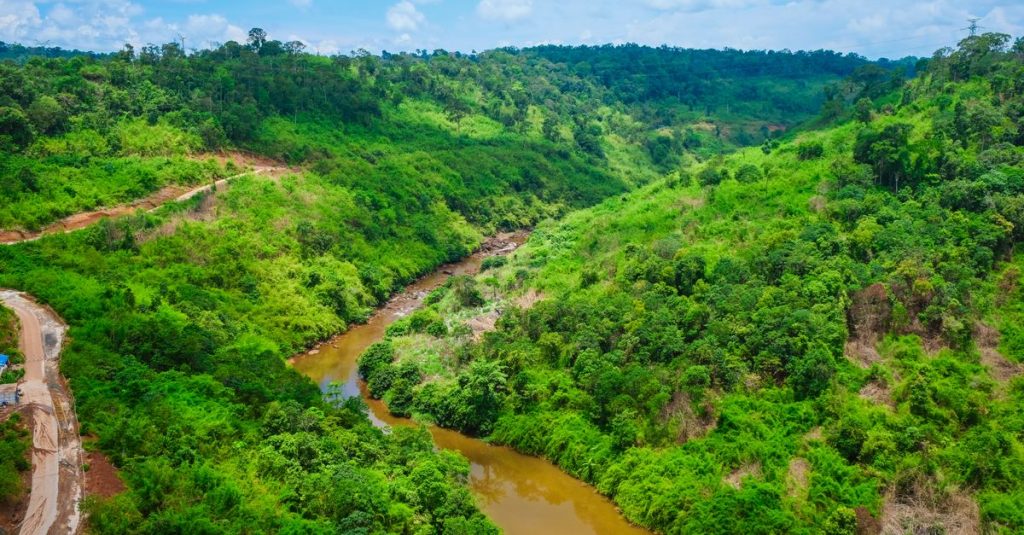
Explore Danum Valley, Borneo’s ancient rainforest, with its remarkable biodiversity, orangutans, guided walks, access details and practical advice.
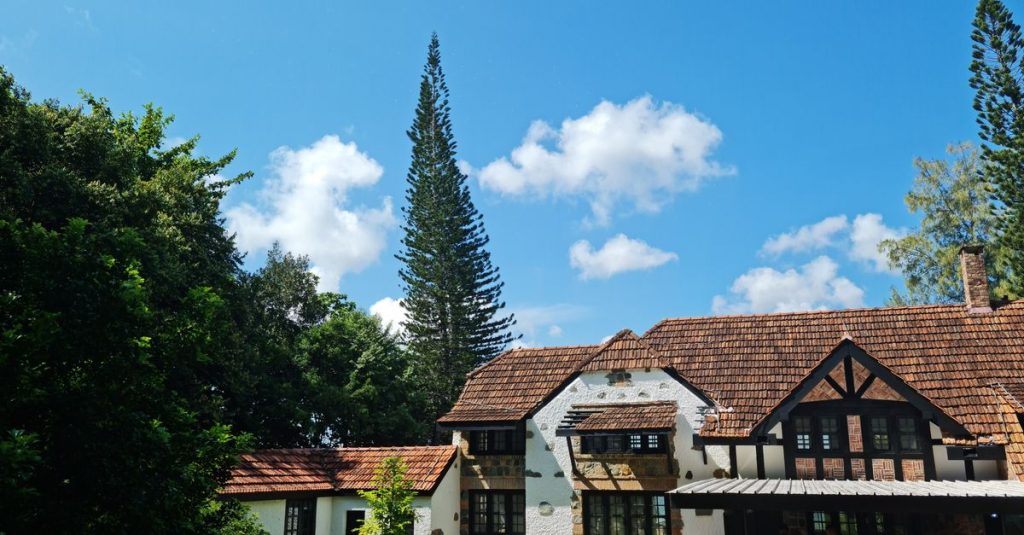
Discover Fraser’s Hill, a peaceful mountain retreat near Kuala Lumpur, with tropical forest, cool weather, hiking trails and birdwatching.
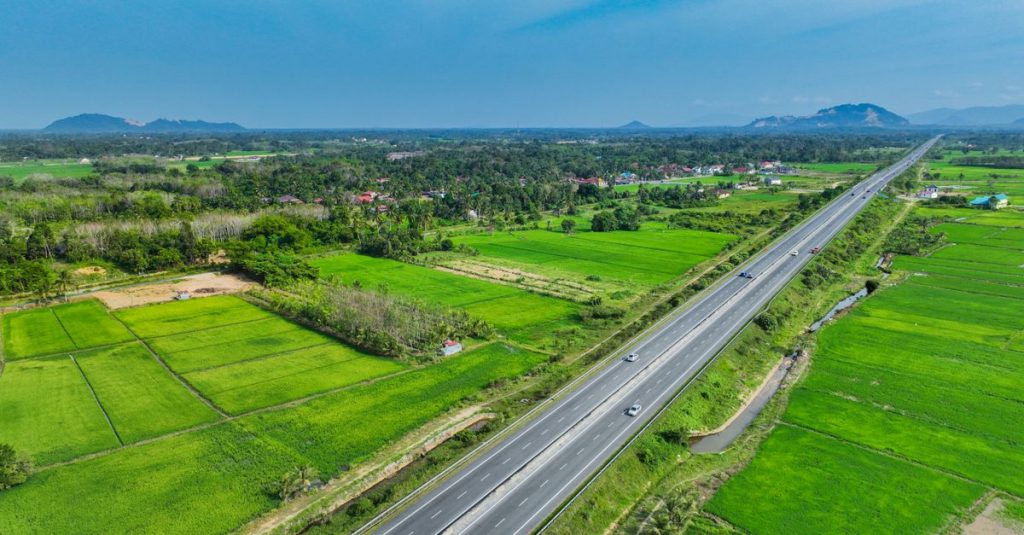
Discover what to do in Kota Bharu and how to reach the Perhentian Islands, with cultural visits, transport options and practical travel tips.
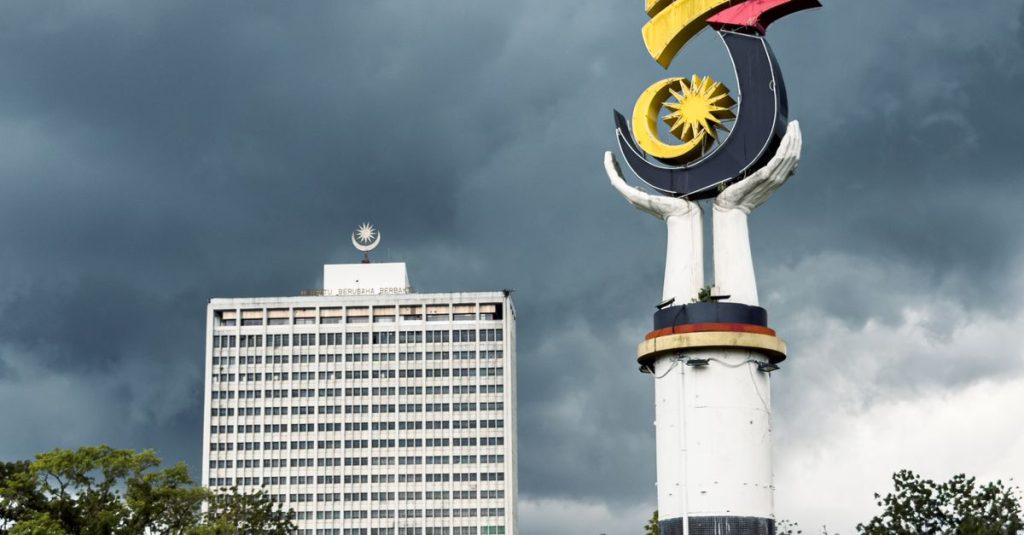
Discover S-MM2H, Sarawak’s long-stay programme: eligibility, benefits, application steps and checks before living in Malaysia.

Discover Thean Hou Temple in Kuala Lumpur, with practical advice on visiting, access, transport, opening hours and respectful behaviour.
Scroll to see more articles →