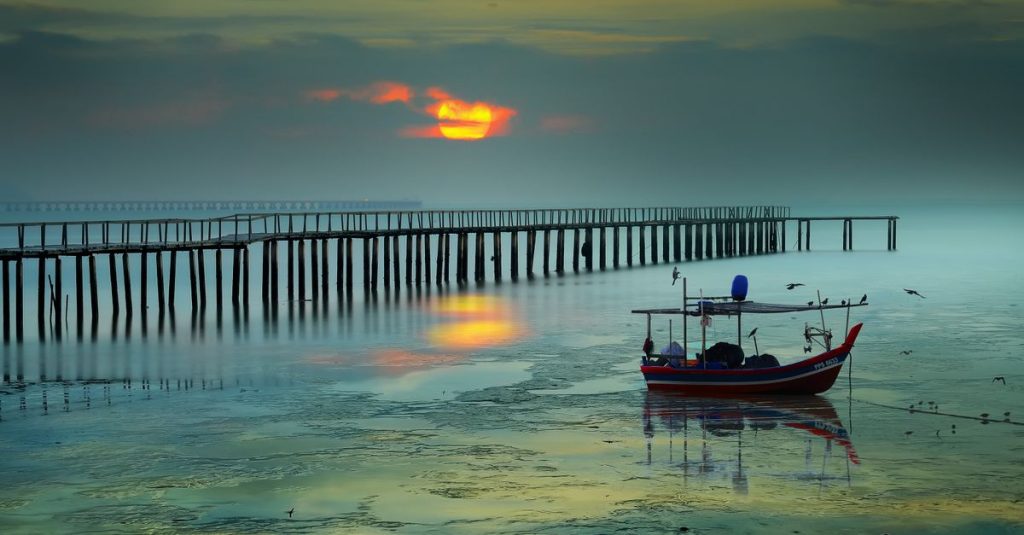
Pulau Ketam: The Fishing Island Near Kuala Lumpur
Discover Pulau Ketam, the fishing island near Kuala Lumpur, with stilt houses, seafood, mangroves and a distinctive coastal village.

Published on
Malaysia in March is best visited by choosing your region rather than relying on uniform weather. Heat and humidity remain present throughout the country, but the monsoons affect the peninsula and Borneo differently: the east coast of the peninsula is gradually emerging from its wettest period, while the west and some parts of Borneo may experience regular showers. March therefore suits travellers who are ready to adapt their activities to local conditions and leave some flexibility in their itinerary. For a similar look at conditions earlier in the year, see our guide to Malaysia in February.
For a beach-focused trip to Malaysia, the east-coast islands are worth considering, subject to checking sea conditions and connections. For cities, Kuala Lumpur, Penang and Langkawi remain accessible, but it is sensible to plan some indoor or flexible activities. On Borneo, the scenery and nature activities are attractive all year round, with weather varying considerably from one area to another.

Malaysia’s tropical climate is characterised by heat and humidity all year round. March does not mark the beginning of a nationwide dry season: showers remain possible, sometimes intensely, and their frequency varies from one coast to another. The best approach is to check the weather for each stop rather than relying on a general forecast for the country as a whole.
On the west coast, rainfall may occur during the day without necessarily preventing sightseeing. In Kuala Lumpur, outdoor travel can be arranged for the morning, while museums, shopping centres or indoor venues can be kept for wetter periods. In Penang, the historic districts and markets can also be explored by planning breaks under cover. Our guide to Kuala Lumpur’s weather can help you plan city visits.
The east coast of the peninsula is generally more favourable after the heaviest rains of the north-east monsoon, which affects this part of the country during the preceding months. March is therefore a possible time to consider the islands, but this guarantees neither clear skies nor consistently calm seas. Sea connections and access to accommodation may depend on local conditions and schedules: check them directly before finalising your itinerary.
On Borneo, do not automatically transpose conditions from the peninsula. Sabah and Sarawak have their own weather variations, and mountain, forest and coastal areas do not necessarily receive the same rainfall. To understand the regional differences, see our guide to the climate in Malaysia and our advice on the rainy season.
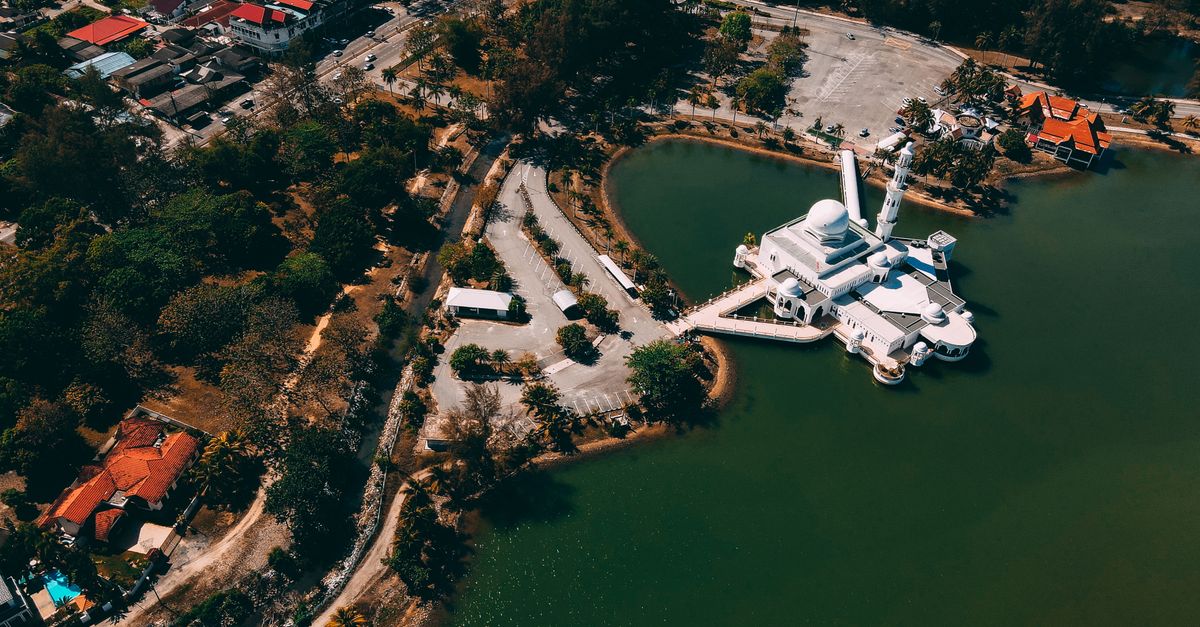
For cities and culture, the west coast is a practical choice. Kuala Lumpur makes it possible to alternate between monuments, markets and indoor visits when rain arrives. Penang appeals for its urban heritage and cuisine, while Langkawi combines island scenery with outdoor activities. In these destinations, the weather may change the order of your visits without making the trip impossible. See our guides to living and exploring Penang and Langkawi’s weather when planning your stops.
For Malaysian beaches, look first at the east coast. Islands such as Tioman and destinations off Terengganu become more relevant as the winter monsoon moves away. Before booking, confirm that accommodation and boats operate on the dates planned. Sea conditions can also affect diving, snorkelling and boat trips; do not choose an island based solely on a climate average.
For nature, Borneo requires a targeted itinerary. Sabah suits travellers who want to combine coastline and inland scenery, while Sarawak offers stays around Kuching and its natural areas in particular. Journeys take time and rain may change excursions. Plan less crowded days rather than chaining together transfers and activities that depend on good weather.
| Region | Why visit in March | What to plan for |
|---|---|---|
| West coast: Kuala Lumpur, Penang, Langkawi | Urban sightseeing, heritage, cuisine and coastal stays | Indoor activities and a flexible itinerary |
| East coast of the peninsula | Islands and sea activities after the wettest period | Check boats, accommodation and sea conditions |
| Sabah and Sarawak, on Borneo | Nature, regional cities and excursions | Check local weather and avoid overly tight schedules |
To plan sightseeing beyond the weather, see our ideas for things to do in Kuala Lumpur and our advice on visiting Penang. The best choice is the one that combines your priorities with backup options in case of showers.
A shower does not ruin a day, provided you have not built the entire trip around outdoor activities. In large cities, alternate morning walks with indoor visits. In Kuala Lumpur, museums, shopping areas and dining venues offer useful breaks; in Penang, galleries, temples and heritage houses allow you to continue exploring under cover.
On the islands, boat trips depend more heavily on conditions. Leave a spare day before a flight or a long transfer, and confirm times directly with providers: they may change according to the weather and season. If the sea is rough, choose a walk on land, a visit to a village or some rest rather than going ahead with an uncertain excursion.
Hikers should find out about trail conditions and park instructions. Rain can make some routes slippery and reduce visibility, particularly in hilly or forested areas. Suitable shoes, waterproof protection and a dry bag for electronic devices are useful precautions, but they do not replace advice from local authorities.
Food is also a practical way to enjoy a less sunny day. In Penang or Kuala Lumpur, markets and restaurants provide opportunities to taste regional specialities while discovering the country’s blend of culinary traditions. To prepare these stops, see our guide to Malaysian cuisine.
To get online as soon as you land, a Malaysia eSIM can be installed before you leave, with no need to look for a local SIM card.
Pack lightweight clothes that dry quickly, rain protection and shoes suitable for wet surfaces. Sun protection remains useful even when the sky is cloudy. As heat and humidity can make long walks tiring, spread out your sightseeing and plan breaks to drink and shelter from the weather.
For transport, check intercity routes and connections to the islands when booking, then check them again before departure. Options and schedules may change; up-to-date information should be confirmed with official operators. Our guide to transport in Malaysia helps compare travel options and anticipate transfers.
Rain may also disrupt an excursion or connection. Read the modification and refund conditions for your bookings carefully, and check your insurance cover before leaving. To set a realistic spending allowance based on the length and stops of your trip, see our guide to a two-week budget in Malaysia. As prices and formalities may change, check the information with the relevant organisations and providers.
Finally, keep your itinerary flexible: in March, the best plan is not one that schedules an outdoor activity every hour, but one that allows you to move a visit without losing an entire day. Local forecasts checked shortly before each stop remain more useful than a general promise of a “dry season”.
Yes, if you choose regions according to the weather and accept that showers are possible. The east coast of the peninsula becomes more appealing after the winter monsoon, while the west and Borneo require an adaptable itinerary.
It is a possible time to go, but the opening of accommodation, sea connections and sea conditions must be confirmed with local operators before booking.
No. Showers can be incorporated into your itinerary by alternating outdoor visits with indoor activities and checking local forecasts.
Pack lightweight clothes, rain protection, shoes suitable for wet ground and sun protection. A pouch or dry bag is useful for protecting electronic devices.
To book tours and activities in Malaysia ahead, see the options on Klook.
Discover Pulau Ketam, the fishing island near Kuala Lumpur, with stilt houses, seafood, mangroves and a distinctive coastal village.
See fireflies along the Selangor River and silvered leaf monkeys at Bukit Melawati in Kuala Selangor, with practical wildlife tips.

Compare the ETS train and bus from Kuala Lumpur to Ipoh, including journey times, transport options and practical tips for choosing.
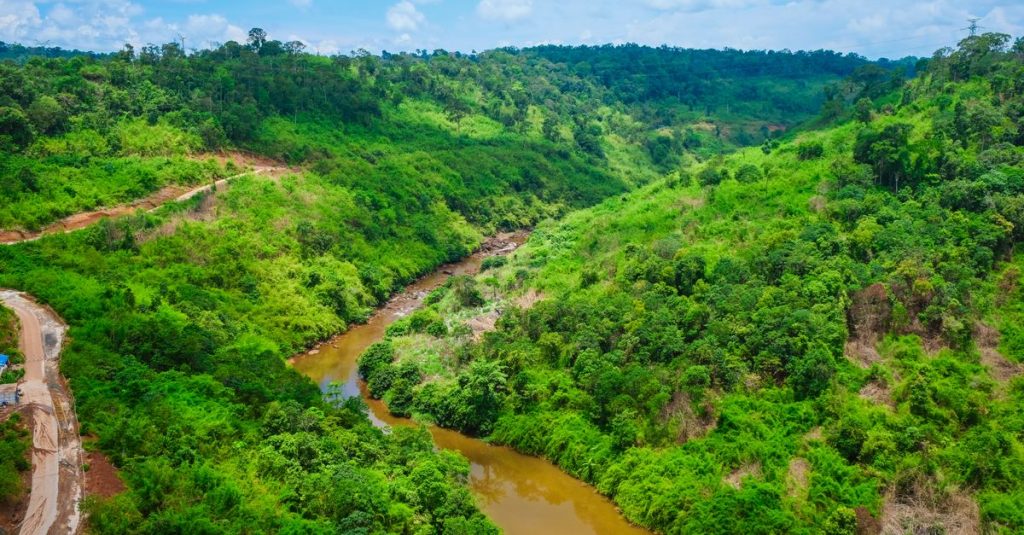
Explore Danum Valley, Borneo’s ancient rainforest, with its remarkable biodiversity, orangutans, guided walks, access details and practical advice.
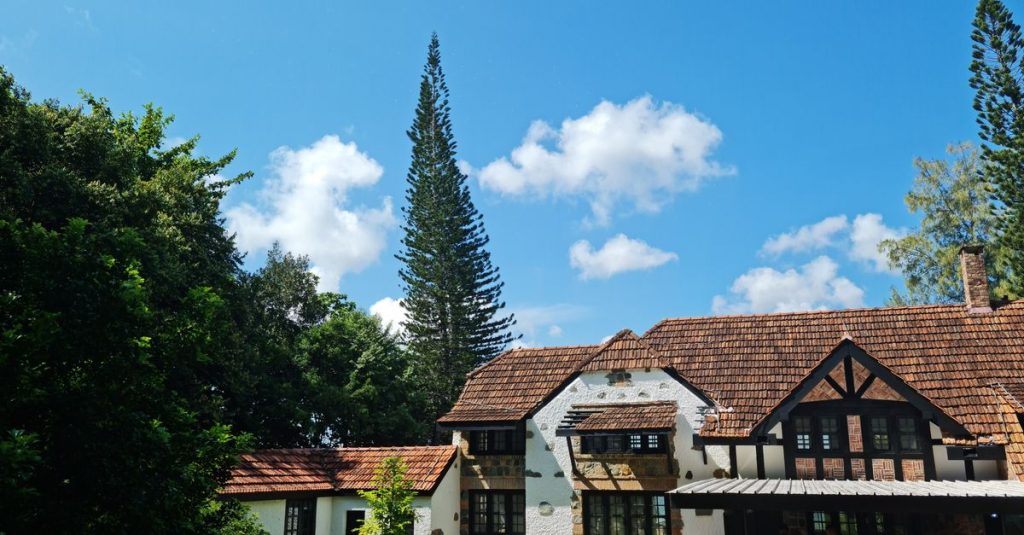
Discover Fraser’s Hill, a peaceful mountain retreat near Kuala Lumpur, with tropical forest, cool weather, hiking trails and birdwatching.
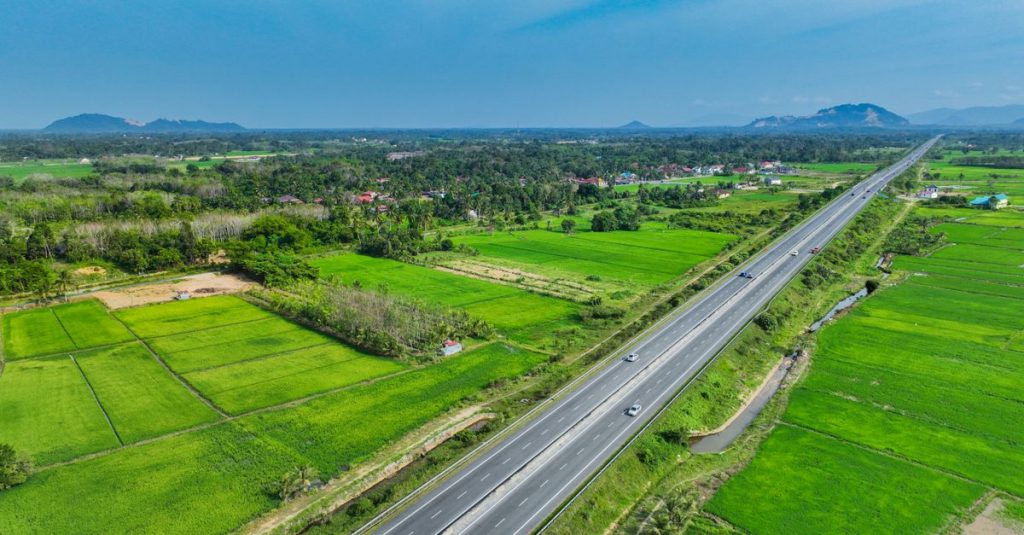
Discover what to do in Kota Bharu and how to reach the Perhentian Islands, with cultural visits, transport options and practical travel tips.
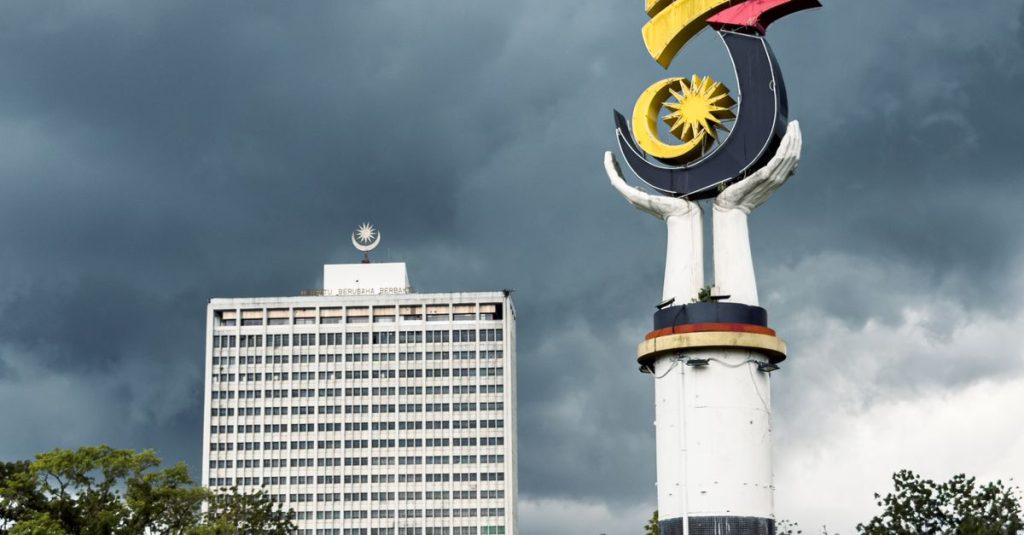
Discover S-MM2H, Sarawak’s long-stay programme: eligibility, benefits, application steps and checks before living in Malaysia.

Discover Thean Hou Temple in Kuala Lumpur, with practical advice on visiting, access, transport, opening hours and respectful behaviour.
Scroll to see more articles →