Bak Kut Teh: Malaysia’s Pork Rib Soup
Discover bak kut teh, Malaysia’s flavourful pork rib soup with herbs, garlic and spices, and learn about its variations and traditional accompaniments.
Published on
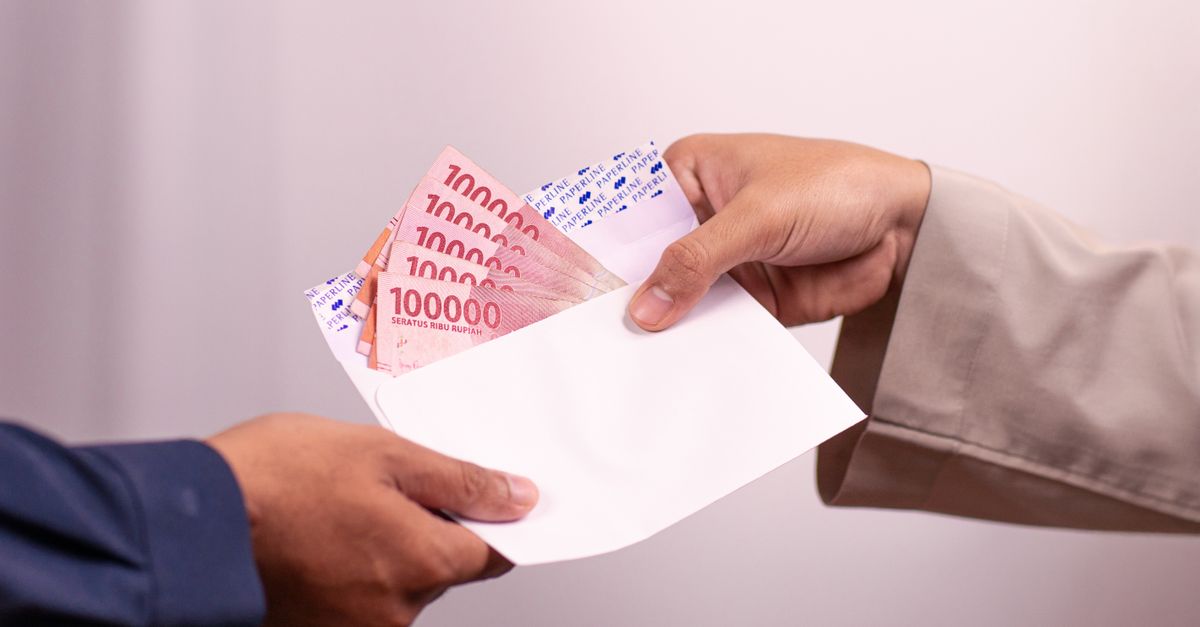
In Malaysia, tipping is generally not compulsory: in a restaurant, hotel or taxi, you can pay the amount shown without automatically adding anything extra. The useful habit is to check the bill, as some establishments already include service charges. If you were particularly satisfied with the service, leaving a small extra amount is possible, but it is a voluntary gesture, not a general rule.
Tipping practices vary according to the type of establishment and the situation. In tourist areas or Malaysian hotels, a gesture may be appreciated, while with taxis and other transport it is common to pay the requested fare without adding a supplement. These customs and etiquette form part of Malaysia’s diverse culture, where practices can differ from one context to another. To avoid misunderstandings, it is best to check the bill and simply ask whether service is already included.

The simplest rule for travelling in Malaysia is not to treat tipping as compulsory. You can pay the bill or fare exactly as presented. If you would like to thank someone for particular care or assistance, you can offer an extra amount, but not leaving a tip is not, in itself, a breach of local customs.
This approach avoids automatically transferring the habits of another country. Practices change according to the venue, type of service and establishment’s clientele. A restaurant frequented by tourists may be used to receiving tips, whereas a small shop or a meal in a more informal setting may operate without such an expectation. There is no universal amount to apply to every service.
The rules of good conduct in Malaysia help explain why it is important to observe the context rather than follow an automatic routine. A polite thank you is always appropriate; money is a separate gesture. If you are unsure, you can ask whether service is already included or simply pay the displayed total.
Payment methods can also influence the gesture. If you pay by card or through an app, do not assume that a screen offering a tipping option means it is compulsory. Check the final amount before confirming and choose freely. To prepare more broadly for payments during your stay, see this guide to currency and payment methods in Malaysia.
At a restaurant, start by reading the bill. Some establishments add a service charge, while others do not display one. The wording and presentation can vary: if in doubt, ask the staff whether a line refers to service or whether the amount shown is the total to pay.
The presence of a service charge does not necessarily mean that you should add another tip. It is reasonable to take the amount already charged into account before deciding. If the service exceeded your expectations, you can leave an additional amount, but this depends on your judgement and budget. To discover table customs and local specialities, the guide to Malaysian gastronomy offers further pointers.
In informal establishments, particularly when ordering and paying at the counter, the process may differ from that of a restaurant with table service. Do not look for a single rule: observe the payment method and displayed information, then pay the amount requested. If you leave some change, do so discreetly and without expecting a particular reaction.
| Situation | Recommended approach | Tip |
|---|---|---|
| Meal at a restaurant | Read the bill and look for service charges | Optional |
| Order at the counter | Pay the displayed total | Not automatically expected |
| Particularly appreciated service | Say thank you and decide according to your judgement | Voluntary gesture |

At hotels in Malaysia, tipping depends on the service received and how the establishment charges for its services. A member of staff who helps with luggage or responds to a particular request may receive a tip if you wish. However, there is no need to systematically give money to every person you meet during your stay.
Before leaving money in your room or handing it to an employee, make sure that the gesture is clear and that the person can accept it. If you would like to thank someone in particular, you can give them the tip directly, accompanied by a thank you. Avoid assuming that every service — housekeeping, reception or assistance — should be treated in the same way.
Charges shown on a hotel bill may cover different services. Check the breakdown rather than assuming that a line necessarily represents a tip. As prices and conditions vary from one establishment to another, check directly with the hotel what is included in the booked rate. To plan your spending more broadly, the guide to the cost of living in Malaysia can help you assess different budget items, without replacing the information provided by your accommodation.
The same caution applies to services provided by external suppliers, such as an excursion booked through the hotel. Ask whether the quoted price includes service charges and whether an extra payment is expected. A simple question helps you thank people appropriately, without turning an optional gesture into a presumed obligation.
To get online as soon as you land, a Malaysia eSIM can be installed before you leave, with no need to look for a local SIM card.
For taxis and transport, start with the fare displayed, agreed or presented by the service you are using. A tip is not automatically necessary for an ordinary journey. If the driver provided particular assistance, for example by helping with your luggage, you can choose to leave extra or round up the payment, depending on the payment method available.
With a transport app, check the final amount and the options offered before confirming payment. An optional option is not an obligation. For a taxi taken directly, clarify the price or calculation method before setting off where necessary; this precaution concerns the fare, not the tip.
Journeys may also involve private drivers or transfers booked in advance. In this case, check the conditions provided by the supplier: they sometimes specify what is included in the price. Practices are not necessarily the same for an urban journey, a long excursion and an organised service, which is why it is better to ask beforehand rather than guess.
To better understand transport options and plan your journeys, see the guide to transport and tourism in Malaysia. The basic principle remains the same: pay the requested price, then regard any extra as a freely offered thank you, never as an amount to add automatically.
Malaysia brings together diverse communities and traditions. Local customs therefore cannot be reduced to one uniform rule on tipping. Context matters: the type of business, service arrangement and establishment’s practices can influence how a gesture is received.
Politeness remains a reliable guide. Clearly thank the person who helped you and ask, if necessary, whether service charges are already included. A brief exchange helps you understand the situation without making the employee uncomfortable. To explore behavioural guidelines further, you can read this guide to Malaysian culture.
It is also preferable not to present a tip as a measure of the quality of a person or service. If you would like to leave extra, do so because you want to and because the circumstances make it appropriate. Conversely, paying exactly the amount on the bill remains acceptable when nothing indicates that an additional payment is expected.
Tipping practices are therefore best understood through observation and communication, not through a fixed amount that applies everywhere. During your stay, keep three simple actions in mind: read the bill, ask whether service is included and thank people courteously. These are more reliable guidelines than a rule imported from another country.
No, it is generally not compulsory. First check whether a service charge appears on the bill; an extra amount remains optional if you particularly appreciated the service.
They may already appear on the bill, but their treatment varies by establishment. Ask the staff what the relevant line covers before adding an amount.
For an ordinary journey, you can pay the requested fare without adding anything. Rounding up or leaving an extra amount is possible if you wish, particularly after receiving special assistance.
There is no general obligation. You can thank a member of staff for particular assistance, but the services and charges included vary from one hotel to another.
To book tours and activities in Malaysia ahead, see the options on Klook.
Discover bak kut teh, Malaysia’s flavourful pork rib soup with herbs, garlic and spices, and learn about its variations and traditional accompaniments.
Discover the durian season in Malaysia, key varieties such as Musang King and D24, and the best places to taste this iconic fruit.

Explore Tun Sakaran Marine Park near Semporna, with volcanic islands, sheltered lagoons, coral reefs, snorkelling and scuba diving.
Discover Malaysia’s plug types, voltage and frequency, and find out whether you need a travel adapter or voltage converter for your devices.

Explore Malaysian universities, student visa requirements and study and living costs to plan your move and student budget with confidence.
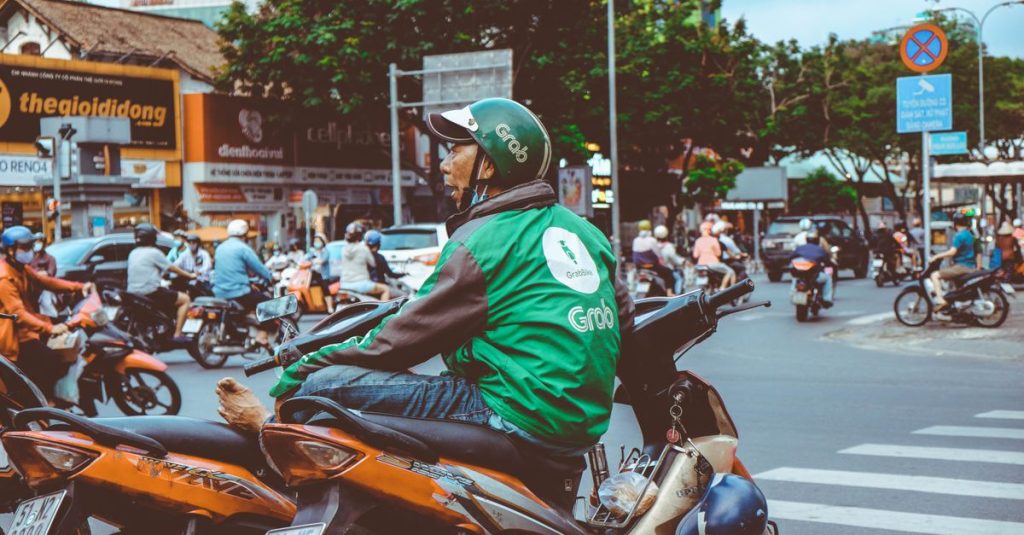
Learn how to use Grab in Malaysia: book rides, check fares, pay by card or cash, order food and choose the right transport option.
Discover Malaysia’s public holidays and dates to plan your travels, stays and administrative arrangements throughout the year.

Discover Pulau Ketam, the fishing island near Kuala Lumpur, with stilt houses, seafood, mangroves and a distinctive coastal village.
Scroll to see more articles →