
Bak Kut Teh: Malaysia’s Pork Rib Soup
Discover bak kut teh, Malaysia’s flavourful pork rib soup with herbs, garlic and spices, and learn about its variations and traditional accompaniments.
Published on
Durian is enjoyed in Malaysia according to the rhythm of the harvest, at roadside stalls, markets and orchards that welcome visitors. The durian season varies according to the region and that year’s conditions: it is better to ask sellers what is ripe during your trip than to rely on a fixed calendar. Musang King and D24 are among the durian varieties commonly offered, with different flavour profiles and textures.
For a successful durian tasting, choose a fruit opened on the spot, start with a small portion and ask for advice about its ripeness. Durian markets are also an opportunity to observe a living food tradition, while visiting a durian orchard helps explain the connection between harvesting, terroir and food tourism. Here are the useful pointers for organising this discovery without turning a personal preference into a general rule.
In brief

The durian season is a harvest period, not a single date that applies throughout Malaysia. Its calendar varies according to the states, growing areas and weather conditions. A well-stocked stall in one region therefore does not guarantee that the same fruits will be available elsewhere at the same time.
Before planning a tasting, ask traders which fruits are currently in season and where they come from. This question helps distinguish a local harvest from a delivery from another region. It also tells you whether the selection is broad or whether certain varieties are temporarily unavailable.
Ripeness matters just as much as the harvest period. A fruit that is not ripe enough may seem firm and lack the expected texture, while a very ripe durian develops a stronger smell and flavour. Experienced sellers can generally explain their selection criteria; ask them to guide you rather than relying only on the appearance of the husk.
The climate can influence harvest periods, but it cannot by itself predict whether a variety will be available at a particular shop. If your stay is organised around this discovery, keep your itinerary reasonably flexible and check the situation locally. Durian is easier to discover by following the actual harvest than by looking for a supposedly universal date. You can also check our guide to the climate in Malaysia when planning your trip.
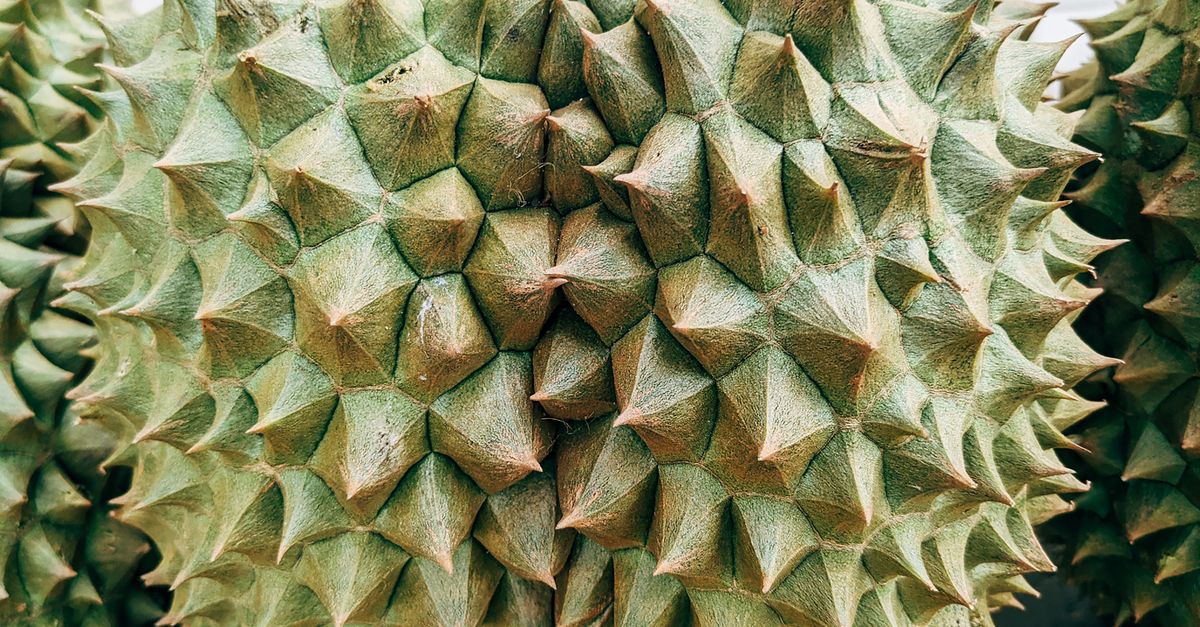
Durian varieties differ in texture, fragrance and the balance of their flavours. These differences are also a matter of taste: a description such as “creamy” or “full-bodied” gives an indication, but does not replace tasting. If you are trying the fruit for the first time, compare small portions rather than choosing a large specimen without knowing whether you will enjoy its profile.
| Variety | Flavour guide | Tasting advice |
|---|---|---|
| Musang King | Often described as creamy and intense. | Start with a small portion if you are not used to powerful aromas. |
| D24 | A rich profile, with a texture generally appreciated by enthusiasts. | Taste it alongside another variety to notice the differences. |
| Red Prawn | Often associated with soft, supple flesh. | Ask the seller whether the fruit is ripe and ready to eat. |
| Black Thorn | A variety sought by some enthusiasts for its pronounced flavour. | Availability varies: ask about its origin and freshness. |
Musang King, also known as Mao Shan Wang, is one of the best-known names outside Malaysia. Its reputation does not mean it will be the best choice for everyone: someone who prefers milder flavours may enjoy another variety more. D24 is also widely discussed when it comes to the fruit and makes an interesting comparison for a first tasting.
At a market, ask for the exact name of the variety, the price of the portion and whether the fruit has just been opened. Names and availability can differ between sellers; if in doubt, choose a small quantity and a trader who is willing to describe clearly what is being offered. To explore the fruit’s place in the country’s culinary habits, also see this guide to Malaysian cuisine.
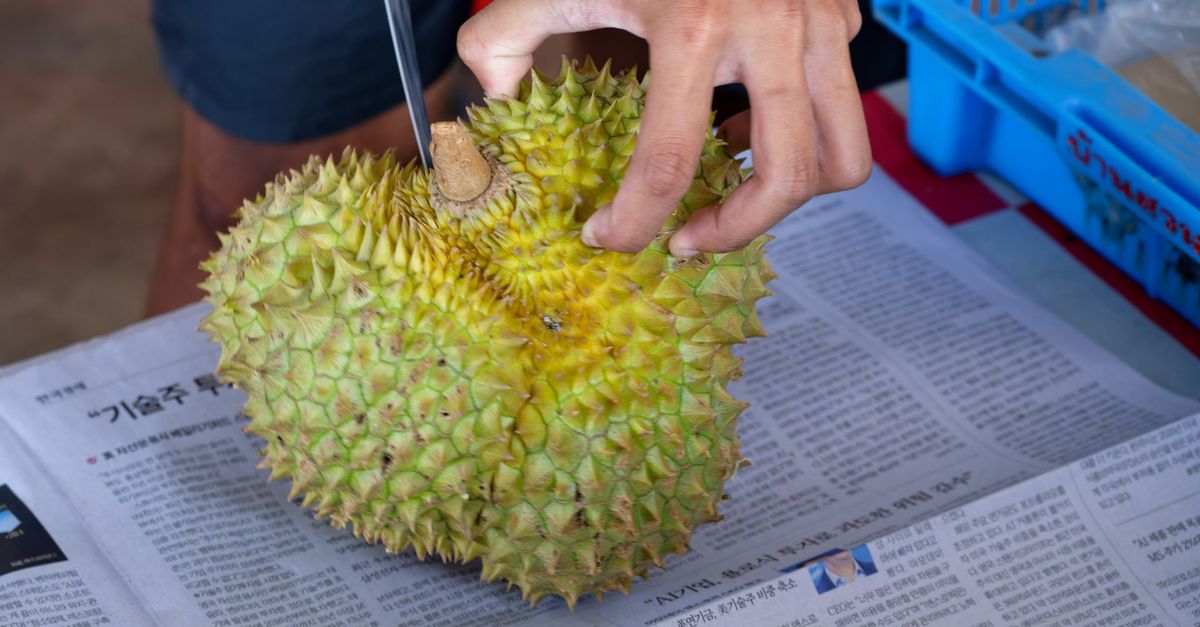
Durian markets and specialist stalls are the easiest places to taste several varieties. Some sellers open the fruit when you buy it and serve the segments in the husk. This avoids having to choose a whole fruit yourself and allows you to ask about its origin, ripeness and characteristics.
In Kuala Lumpur, visitors can find fruit shops in various neighbourhoods, particularly around areas popular with residents and travellers. The selection changes according to the season and deliveries: a well-known market will not necessarily have every variety every day. To explore this side of the city, our guide to local markets in Malaysia may help you choose where to go.
Durian orchards offer a different experience. Depending on the farm and the period, a visit may allow you to observe the trees, learn more about harvesting and taste fruit on site. Check in advance whether the orchard welcomes visitors, whether booking is required and what the visit includes: these arrangements vary from one establishment to another.
This is fully-fledged food tourism, provided you remain attentive to local realities. An orchard is a place of production, not just a setting for visitors; follow the instructions given by the team and do not pick fruit without permission. To place durian within a wider overview of the country’s specialities, also explore this guide to gastronomy in Malaysia.
To get online as soon as you land, a Malaysia eSIM can be installed before you leave, with no need to look for a local SIM card.
For your first durian tasting, start with a modest portion and try the fruit fresh. Its texture may be meltingly soft, dense or firmer depending on the variety and degree of ripeness. Take time to distinguish the aroma, sweetness and intensity: the smell alone does not tell you whether you will enjoy the flavour.
You can ask the seller to offer two varieties in small quantities. This comparison is more informative than tasting one variety in isolation, as it highlights differences in texture and aromatic strength. If you do not like the first bite, there is no need to force yourself: durian provokes very different reactions and no profile appeals to everyone.
A few precautions make the experience more comfortable:
The tasting can also take other forms: desserts, drinks and local preparations sometimes incorporate the fruit. Their taste varies according to the recipe and the quantity used; ask whether the product contains fresh durian or a processed preparation. To broaden the experience, combine this discovery with other specialities rather than devoting an entire meal to a single fruit. The best approach is simply to taste without assuming that all durians have the same character.
In Malaysia, durian is more than a fruit sold at retail. Its harvest involves growers, sellers and enthusiasts who follow deliveries and share their preferences. Conversations about a variety, its origin or its ripeness are part of the experience: they provide practical insight into how local people choose the fruit.
This social dimension explains why markets are often more interesting than a quick purchase at a supermarket. You can observe how the fruits are selected, hear sellers describe the differences between varieties and see how portions are prepared. However, commercial activity should not be confused with guaranteed availability: the selection depends on the harvests and deliveries at the time.
Durian has a powerful smell that can linger in an enclosed space. For this reason, some accommodation providers or transport operators may have rules about bringing it inside. Check directly with the establishment or carrier before buying a fruit to take away. This precaution avoids turning an enjoyable tasting into an inconvenience for other travellers.
The simplest option is to eat the fruit where it is sold, then continue exploring other local specialities. Durian can become an introduction to the diversity of Malaysian flavours without being presented as a compulsory experience. To better understand everyday practices and social codes, the guide to Malaysian culture provides useful background.
The calendar varies according to the region, harvesting conditions and deliveries. Ask local sellers which varieties are available when you visit.
There is no universal choice. Ask for a small portion and, if possible, compare Musang King and D24 with a variety that has a milder profile.
Durian markets and specialist stalls often serve portions ready to eat. Some orchards also welcome visitors, depending on their organisation and the time of year.
Rules vary by establishment and transport operator, particularly because of the lingering smell. Check the instructions directly before buying a fruit to take away.
To book tours and activities in Malaysia ahead, see the options on Klook.
Discover bak kut teh, Malaysia’s flavourful pork rib soup with herbs, garlic and spices, and learn about its variations and traditional accompaniments.

Explore Tun Sakaran Marine Park near Semporna, with volcanic islands, sheltered lagoons, coral reefs, snorkelling and scuba diving.

Discover Malaysia’s plug types, voltage and frequency, and find out whether you need a travel adapter or voltage converter for your devices.

Tipping in Malaysia: learn local customs, suggested amounts and when leaving a tip is appreciated or unnecessary in restaurants, hotels and taxis.

Explore Malaysian universities, student visa requirements and study and living costs to plan your move and student budget with confidence.

Learn how to use Grab in Malaysia: book rides, check fares, pay by card or cash, order food and choose the right transport option.

Discover Malaysia’s public holidays and dates to plan your travels, stays and administrative arrangements throughout the year.

Discover Pulau Ketam, the fishing island near Kuala Lumpur, with stilt houses, seafood, mangroves and a distinctive coastal village.
Scroll to see more articles →