
Bak Kut Teh: Malaysia’s Pork Rib Soup
Discover bak kut teh, Malaysia’s flavourful pork rib soup with herbs, garlic and spices, and learn about its variations and traditional accompaniments.
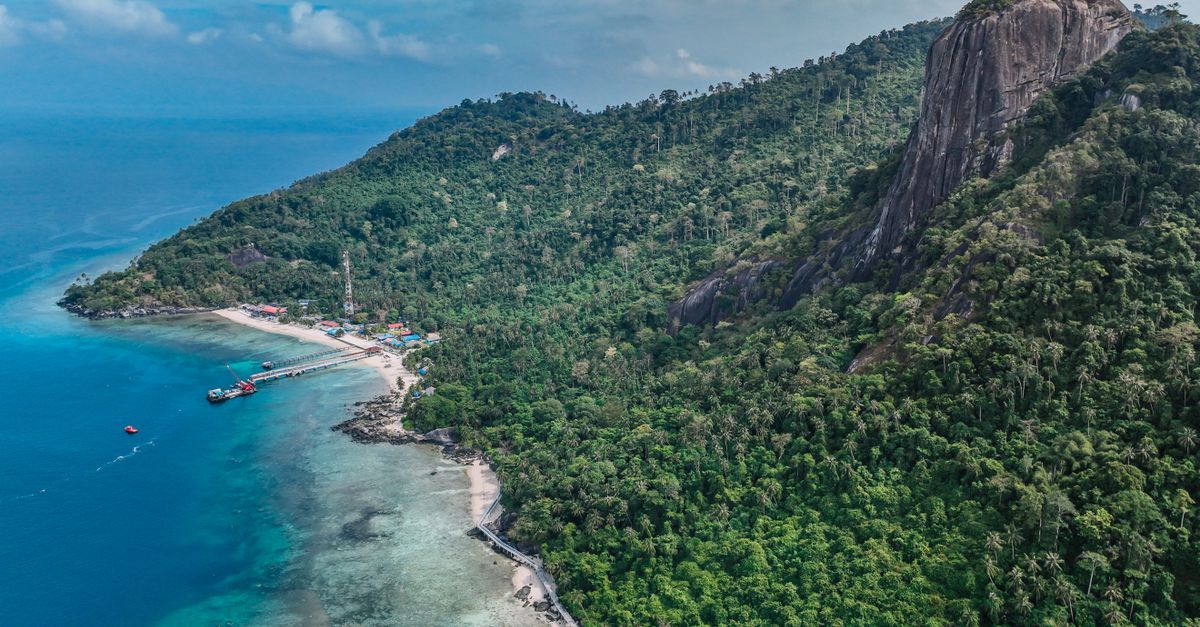
Published on
Tun Sakaran Marine Park is visited from Semporna for its volcanic islands, sheltered lagoons and shallow coral reefs. An excursion usually combines a panoramic hike on Bohey Dulang with snorkelling or scuba-diving stops around islands such as Mantabuan and Sibuan. In the Celebes Sea, this park offers a different experience from sites known for their deep drop-offs: visitors can observe both underwater landscapes and the small creatures concealed in the sand and coral.
This diversity makes the archipelago appealing to travellers with varying levels of experience, provided they choose an outing suited to their confidence in the water and check the conditions on the day. The programme, trail access and sites visited may depend on the weather, sea conditions and rules applied by the park authorities. To prepare for your stay in the region, also see our advice on getting around Malaysia and the climate in Malaysia.
In brief

Off Semporna, Tun Sakaran Marine Park brings together islands and reefs whose contours evoke a partially submerged ancient volcanic caldera. Bohey Dulang and Bodgaya form a mountainous rim around calmer waters, while coral shoals create shallow areas in varying shades of turquoise. This contrast between rock, lagoon and reefs explains the variety of landscapes visible during a single outing.
The islands and reef barriers reduce the swell in some areas. Sandy seabeds and seagrass beds provide habitats that differ from coral slopes exposed to the open sea: small fish, invertebrates and camouflaged animals can be spotted if you take the time to look. The park’s marine biodiversity is therefore not limited to iconic large animals; part of its appeal lies in these less spectacular habitats, which are rich in detail.
The park forms part of the Semporna islands, a destination known for its tropical waters and water-based activities. Underwater landscapes vary from one site to another: a sheltered area may suit a relaxed swim, while an outer reef may have stronger currents. To place this excursion within Malaysia’s natural heritage, also explore our guide to biodiversity and national parks in Malaysia.

Bohey Dulang is best known for its hike and panoramic view of the lagoon. The climb follows a natural trail that can be steep and slippery, particularly after rain. Closed shoes with good grip are therefore more suitable than sandals; before setting off, ask the organiser whether the trail is open and which instructions apply that day.
The reward is a sweeping view of the archipelago’s terrain and the water’s changing colours. This stop also provides a geographical perspective of the park: from higher ground, it is easier to distinguish deeper areas from shallow coral flats. If the hike is not suitable for all participants, mention this when booking so you can check whether another arrangement is possible.
Mantabuan is a popular stop for water-based activities. Snorkellers can stay near the surface, while divers explore the reef slopes with suitable supervision. Sibuan, with its pale sand and coastal vegetation, offers a break on the island and seabed that lends itself to slow observation. The choice of stops nevertheless varies by excursion: a published itinerary is not a guarantee if the sea or local conditions require a change.
| Site | What makes it distinctive | What to expect |
|---|---|---|
| Bohey Dulang | Hike and lagoon views | Closed shoes and confirmation that the trail is open |
| Mantabuan | Reefs accessible by snorkelling or diving | Suitable equipment and the guide’s instructions |
| Sibuan | Sandbar and seabed observation | Sun protection and respect for the site |
| Isolated reefs | Flats and slopes exposed to offshore conditions | Access depends on sea conditions and the participants’ level |
Snorkelling is a good way to discover the park’s coral reefs without having to descend into deeper water. A well-fitting mask, a suitable snorkel and flotation assistance if necessary make observation more comfortable. Keep your distance from the coral, avoid standing on the reef and do not take anything away: contact can damage fragile organisms, even when it seems harmless.
Scuba diving allows visitors to explore more pronounced formations and look for discreet species in sandy areas. Ghost pipefish, frogfish and moray eels may be seen at certain sites, but their presence is never guaranteed. Patience matters more than distance travelled: maintaining stable buoyancy limits the stirring up of sediment and preserves visibility for the group.
Isolated reef areas may offer landscapes very different from sheltered lagoons. They are also more sensitive to currents and swell, so the guide must adapt the site to the divers’ experience and the conditions at the time. Travellers wishing to compare marine and terrestrial ecosystems can consult our guide to diving in Malaysia and our feature on parks and biodiversity in Malaysia.
A preview video may help you visualise the landscapes, but it does not replace the safety instructions given before entering the water. When choosing an outing, ask in particular which sites are planned, whether equipment is provided and how the group is organised between snorkellers and divers.
Tip: set up a Malaysia eSIM before departure so your data works on arrival.
The park is generally visited by boat from Semporna, as a day trip. Timings, sailing duration, lunch and the number of stops depend on the operator and the weather; confirm them when booking and again before departure. As prices and access conditions may change, check them with the organiser and the relevant authorities.
Pack light clothing, sun protection, a towel and a reusable water bottle. A dry bag protects your phone and personal belongings during transfers. Take your rubbish with you and avoid single-use packaging: not all the islands have visitor services, and waste can end up in the water or on the beaches.
Tourism in Sabah depends on the quality of the environments that attract visitors. Choosing an operator that explains the park rules, respects swimming areas and does not encourage animals to move contributes to better marine conservation. On the return journey, some excursions pass areas inhabited by Bajau Laut communities. Always ask permission before photographing people or their homes; an image is not a souvenir to take without consent.
Yes. An excursion can combine a hike on Bohey Dulang, time on a beach and snorkelling. Check the programme with the operator, as stops vary according to the weather and the boat’s arrangements.
No, snorkelling allows you to observe shallow areas. For scuba diving, confirm the site and required level with the dive team, depending on the currents and each participant’s experience.
The trail can be steep and slippery. Check whether it is open and what equipment is required before the trip, and do not climb if the conditions or your physical fitness are unsuitable.
The excursions offered generally take place during the day from Semporna. Confirm accommodation options and the rules in force with the park authorities or your operator before planning your stay.
To book tours and activities in Malaysia ahead, see the options on Klook.
Discover bak kut teh, Malaysia’s flavourful pork rib soup with herbs, garlic and spices, and learn about its variations and traditional accompaniments.
Discover the durian season in Malaysia, key varieties such as Musang King and D24, and the best places to taste this iconic fruit.

Discover Malaysia’s plug types, voltage and frequency, and find out whether you need a travel adapter or voltage converter for your devices.

Tipping in Malaysia: learn local customs, suggested amounts and when leaving a tip is appreciated or unnecessary in restaurants, hotels and taxis.

Explore Malaysian universities, student visa requirements and study and living costs to plan your move and student budget with confidence.

Learn how to use Grab in Malaysia: book rides, check fares, pay by card or cash, order food and choose the right transport option.
Discover Malaysia’s public holidays and dates to plan your travels, stays and administrative arrangements throughout the year.
Discover Pulau Ketam, the fishing island near Kuala Lumpur, with stilt houses, seafood, mangroves and a distinctive coastal village.
Scroll to see more articles →