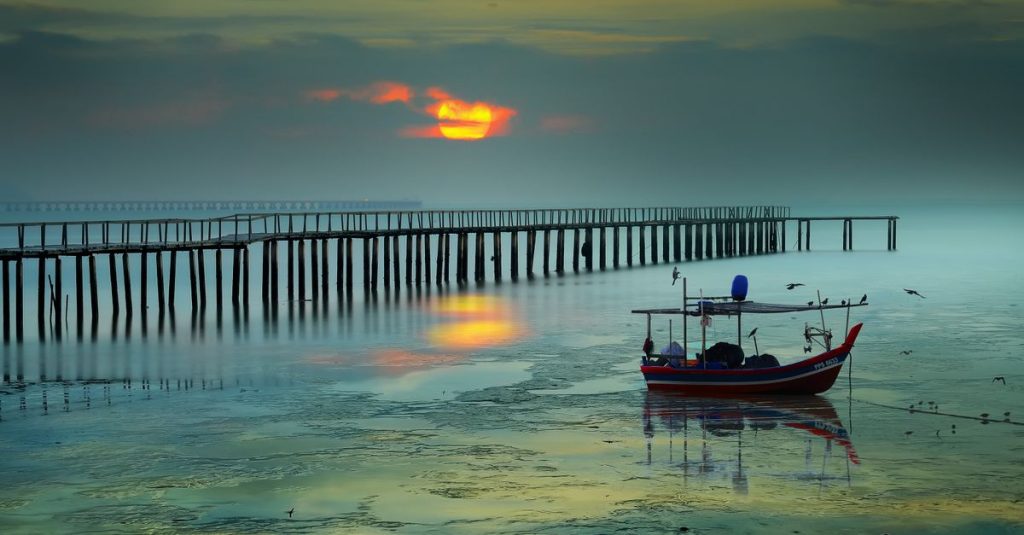
Pulau Ketam: The Fishing Island Near Kuala Lumpur
Discover Pulau Ketam, the fishing island near Kuala Lumpur, with stilt houses, seafood, mangroves and a distinctive coastal village.
Published on
Public holidays in Malaysia do not all follow a uniform calendar: some are celebrated nationwide, while others apply only to certain states or territories. Malaysian public holiday dates must therefore be checked for the relevant year and region, particularly for festivals whose date depends on the lunar calendar. To prepare for a stay, a move or a period of work, it is best to consult the official calendar published by the Malaysian authorities and confirm closures with the relevant services.
In brief, Malaysia’s national day, Labour Day in Malaysia, the King of Malaysia’s birthday, Hari Raya Aidilfitri, Hari Raya Aidiladha, Chinese New Year and Deepavali are among the celebrations to look out for. Their impact on transport, shops and public services varies according to the location and period. An annual calendar provides an initial indication, but local verification remains essential.

The public holiday calendar combines celebrations shared across the country with festivals recognised by certain state administrations. This organisation reflects Malaysia’s diversity: religious practices, local traditions and decisions by regional authorities all help determine which days are holidays. There is therefore no single list that applies without distinction to every city and every employer.
When planning a trip, start by identifying the places where you will stay, then check the public holidays applicable to each one. A holiday in one state may not be a holiday in another. Dates announced in advance make planning easier, but festivals linked to the lunar calendar may require official confirmation as the event approaches.
A practical calendar should also distinguish the celebration date from its concrete effects. Some public services may close, while shops, restaurants and tourist attractions follow their own opening hours. Transport may operate to adjusted timetables without this implying a general closure of services.
| What to check | Why it is useful | Where to confirm |
|---|---|---|
| State or territory | Local public holidays are not necessarily the same everywhere. | Authorities in the relevant state or territory |
| Annual date | Movable festivals may fall on different dates from one year to the next. | Official calendar for the relevant year |
| Whether a service is open | Opening hours for shops and public services may differ. | The establishment or organisation concerned |
| Employment conditions | Rights and arrangements may depend on the contract and applicable rules. | Employer and competent authorities |
The official calendar is a starting point, not a guarantee that every service will be open or closed in the same way. To understand the traditions associated with the different celebrations, the guide to religions in Malaysia provides useful insight into the cultural context. If you are preparing your first arrival, the guide to arrival formalities in Malaysia can also help with the practical steps.
Among the best-known celebrations, Hari Raya Aidilfitri marks the end of the fasting month of Ramadan. Families get together, visit relatives and share meals. This period can lead to significant travel and alter the activity of some shops or services. The exact date should be checked against official announcements, as it is linked to the lunar calendar.
Hari Raya Aidiladha is another major Muslim festival. It includes religious practices and family gatherings, with varying importance depending on the communities and regions. Visitors should take this period into account when organising their journeys, without assuming that all businesses will follow the same opening hours.
Chinese New Year involves family reunions and cultural celebrations that may extend over several days depending on local practices. To understand the associated traditions more fully, see the guide to Chinese New Year in Malaysia. Deepavali, celebrated by many Hindus, is also marked by visits, prayers and decorations in the places concerned.
Labour Day in Malaysia and Malaysia’s national day belong to a different category: they are respectively associated with the world of work and national commemoration. The King of Malaysia’s birthday is also one of the important dates to identify. For these celebrations, as for religious festivals, check the official calendar for the year and the applicable local rules.
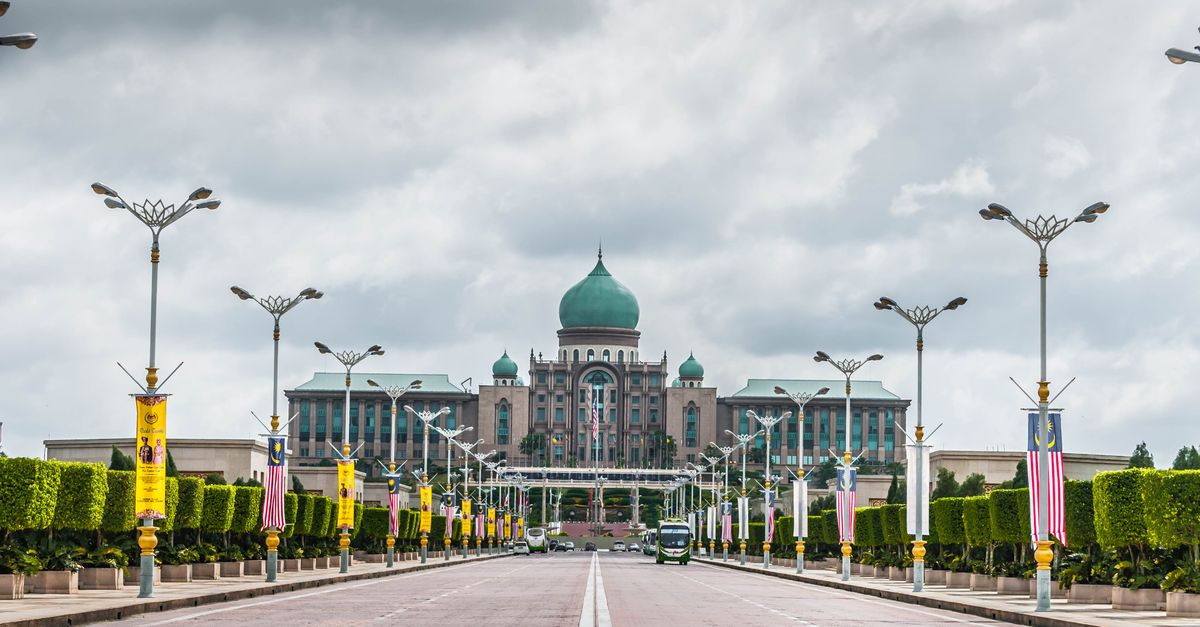
These festivals are not simply closure days: they also offer an opportunity to experience traditions and a more visible form of community life. The guide to Malaysian culture helps explain this diversity without confusing the customs of different communities. The broader guide to festivals in Malaysia provides further ideas for understanding the country’s celebrations.
To book tours and activities in Malaysia ahead, see the options on Klook.
To obtain Malaysian public holiday dates, first look for the official calendar published for the year of your stay. Then check that the list corresponds to the state or territory where you will be staying. General calendars can be useful for identifying the main festivals, but they do not replace confirmation from the relevant administration.
This precaution is particularly important for Hari Raya Aidilfitri and Hari Raya Aidiladha, whose dates follow the Islamic calendar and may depend on official announcements. The same approach applies to Chinese New Year and Deepavali: do not automatically carry over a date from a previous year. If a booking depends on a particular service being open, contact the establishment directly.
A stay that coincides with a festival can be a good opportunity to observe the celebrations, but it may also complicate some journeys. Before booking, check transport conditions and any service changes with the operators. The practical guide to transport in Malaysia helps you anticipate the available options, while weather information can be found in the guide to Malaysia’s climate.
For spring stays, local conditions may vary by region: the page on Malaysia’s weather in April is a useful addition to your preparations. Official dates nevertheless remain the decisive reference for knowing when a festival is observed.
To get online as soon as you land, a Malaysia eSIM can be installed before you leave, with no need to look for a local SIM card.
During major festivals, travel may increase, particularly when residents return to their families in another city or state. This rise can affect the availability of certain tickets and accommodation. Booking early is sensible when your dates are fixed, but you should also check the amendment or cancellation conditions before paying.
Public services and businesses do not necessarily follow the same opening hours. A public service may close on a day when a restaurant or shopping centre remains accessible. Conversely, a small family-run shop may suspend its activity during a festival even if other businesses in the neighbourhood remain open. Confirm opening hours directly with the place you want to visit.
Travellers who drive should allow more flexibility in their itinerary during holiday departure and return periods. It is useful to check road conditions and transport operators’ advice rather than relying on a general estimate. If an unforeseen event requires you to change your trip, the information on travel cancellation insurance from Malaysia helps explain which guarantees to examine.
Public holidays can also influence the food available and market activity. Visitors can discover seasonal specialities while respecting the practices of the communities celebrating these festivals. The guide to Malaysian cuisine helps you explore the country’s culinary diversity, but establishments’ opening hours should still be confirmed locally.
Good preparation therefore involves more than noting a date: it means checking the practical consequences of that date for every journey and service.
For employees, the impact of a public holiday depends on the workplace, the contract and the applicable rules. An expatriate should not assume that a day observed by the people around them is automatically a non-working day at their company. The employer’s calendar and contractual provisions are the first points to check.
If you are unsure how a public holiday is treated, ask your human resources department for written confirmation. This helps clarify working hours, any on-call arrangements and the remuneration provisions applicable to your professional situation. General information on employment contracts in Malaysia and Malaysian labour law can help you prepare the right questions, but does not replace advice tailored to your circumstances.
Families must also anticipate closures affecting schools, nurseries and regular services. The school calendar and that of a childcare provider do not necessarily coincide with an employer’s calendar. To organise periods without childcare, the guide to childcare in Malaysia provides practical pointers.
Finally, appropriate conduct and respect for celebrations matter in shared spaces. Learning about local customs helps avoid awkward situations, particularly during visits or religious events. The guide to good conduct in Malaysia completes this preparation.
No. Some days are observed nationwide, while others depend on the state or territory. Check the official calendar for the relevant location.
Consult the official calendar published for the relevant year and announcements from the competent authorities. For a particular service, confirm its opening hours directly.
Opening hours vary between establishments and regions. Some shops may close or adjust their hours, while others remain open: check before travelling.
Do not assume that the date remains the same from one year to the next. Refer to the official calendar published for the year of your stay.
Discover Pulau Ketam, the fishing island near Kuala Lumpur, with stilt houses, seafood, mangroves and a distinctive coastal village.
See fireflies along the Selangor River and silvered leaf monkeys at Bukit Melawati in Kuala Selangor, with practical wildlife tips.
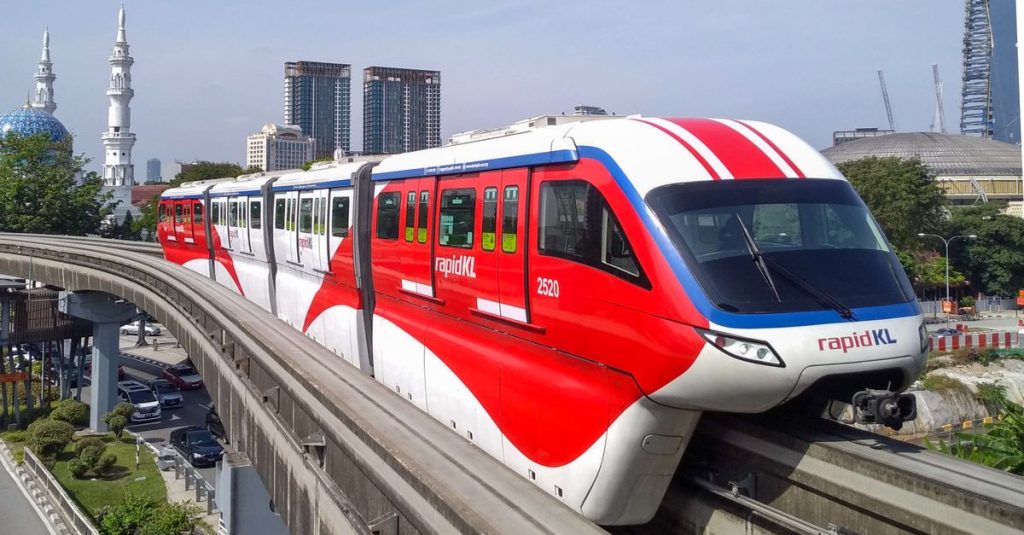
Compare the ETS train and bus from Kuala Lumpur to Ipoh, including journey times, transport options and practical tips for choosing.
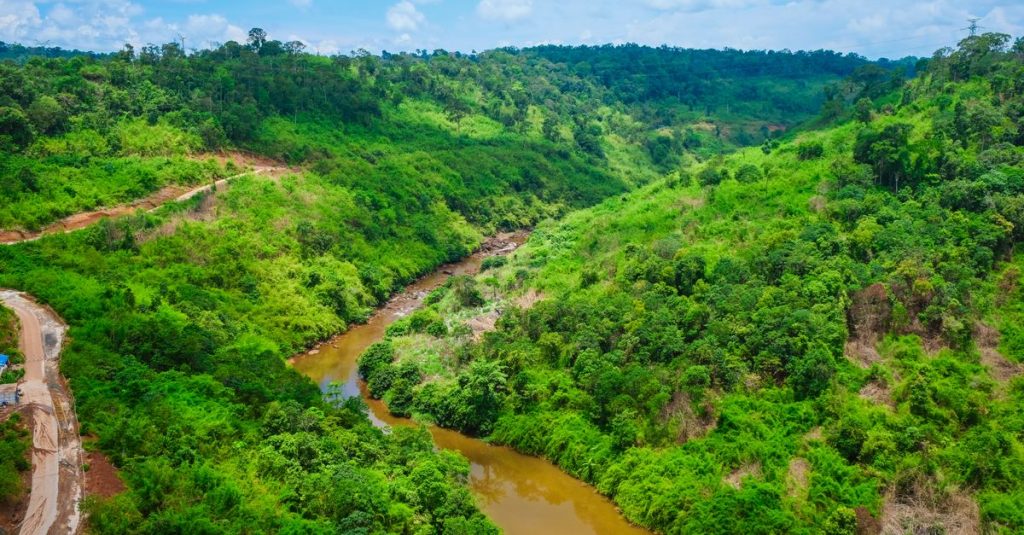
Explore Danum Valley, Borneo’s ancient rainforest, with its remarkable biodiversity, orangutans, guided walks, access details and practical advice.
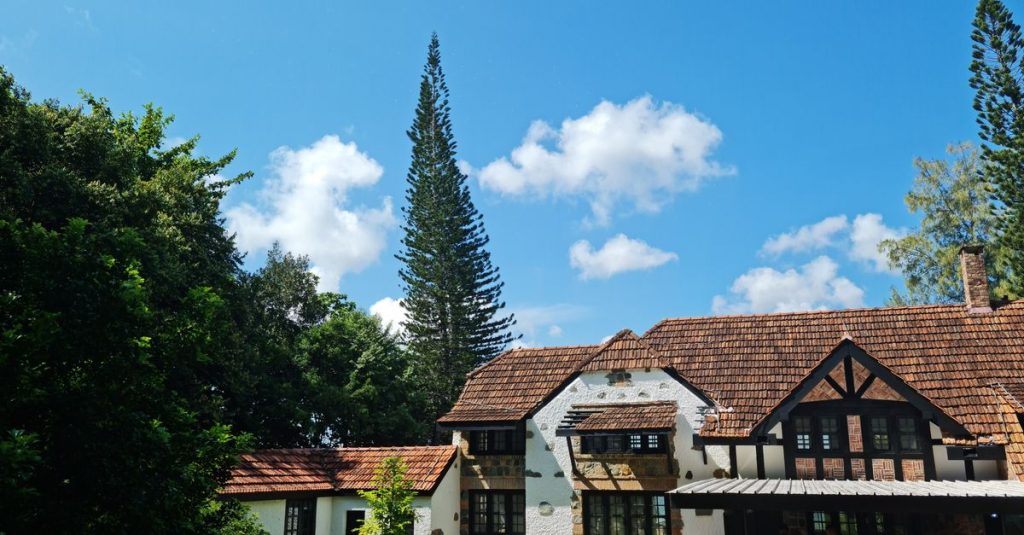
Discover Fraser’s Hill, a peaceful mountain retreat near Kuala Lumpur, with tropical forest, cool weather, hiking trails and birdwatching.
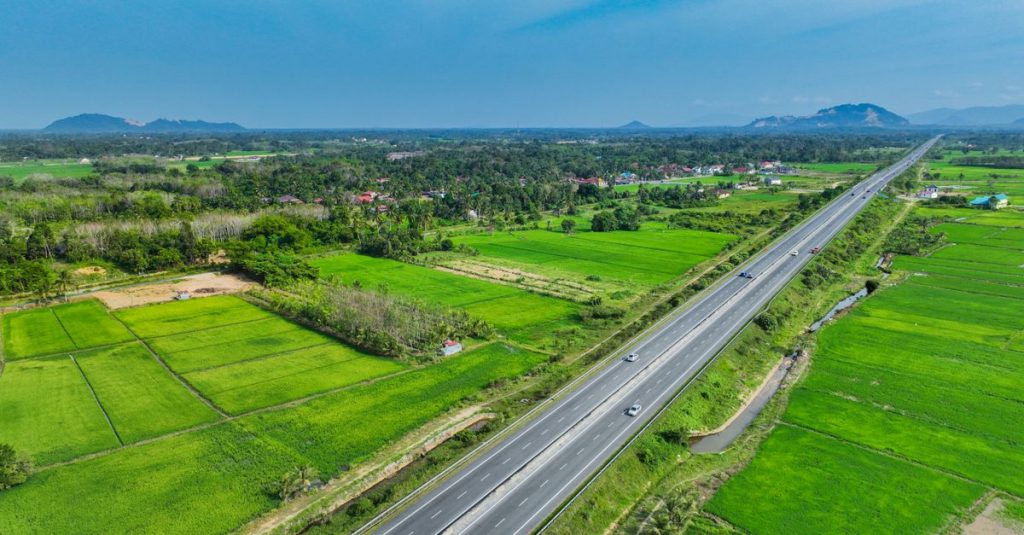
Discover what to do in Kota Bharu and how to reach the Perhentian Islands, with cultural visits, transport options and practical travel tips.
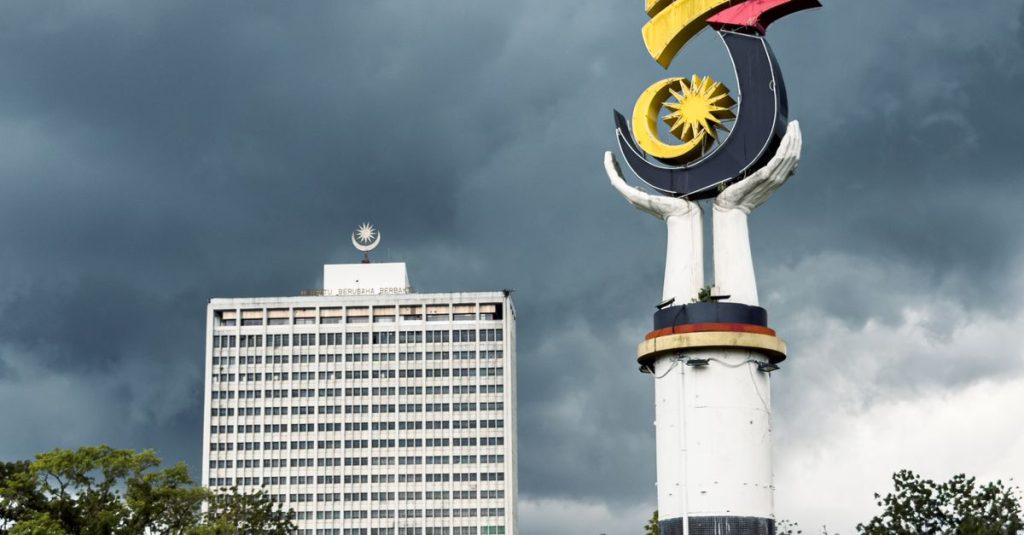
Discover S-MM2H, Sarawak’s long-stay programme: eligibility, benefits, application steps and checks before living in Malaysia.
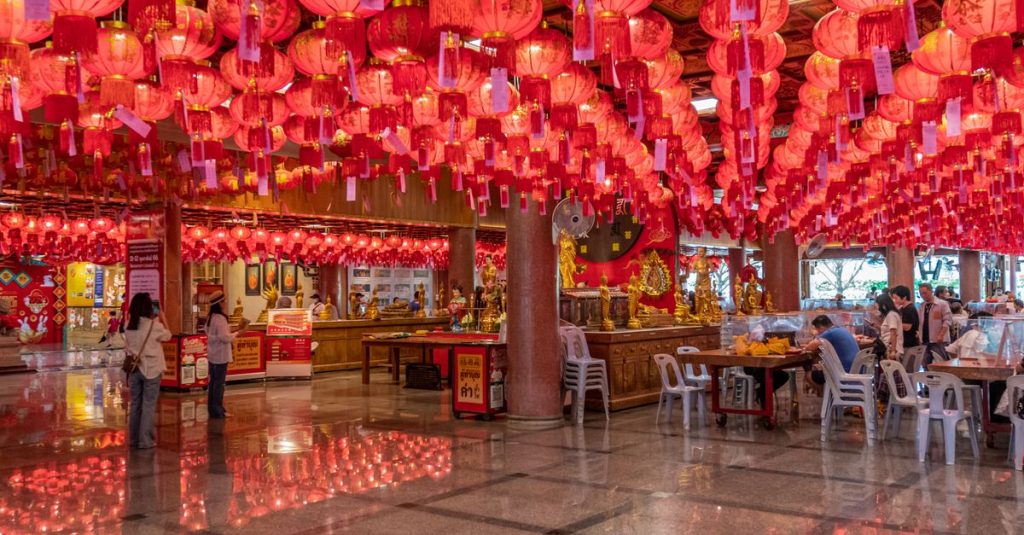
Discover Thean Hou Temple in Kuala Lumpur, with practical advice on visiting, access, transport, opening hours and respectful behaviour.
Scroll to see more articles →