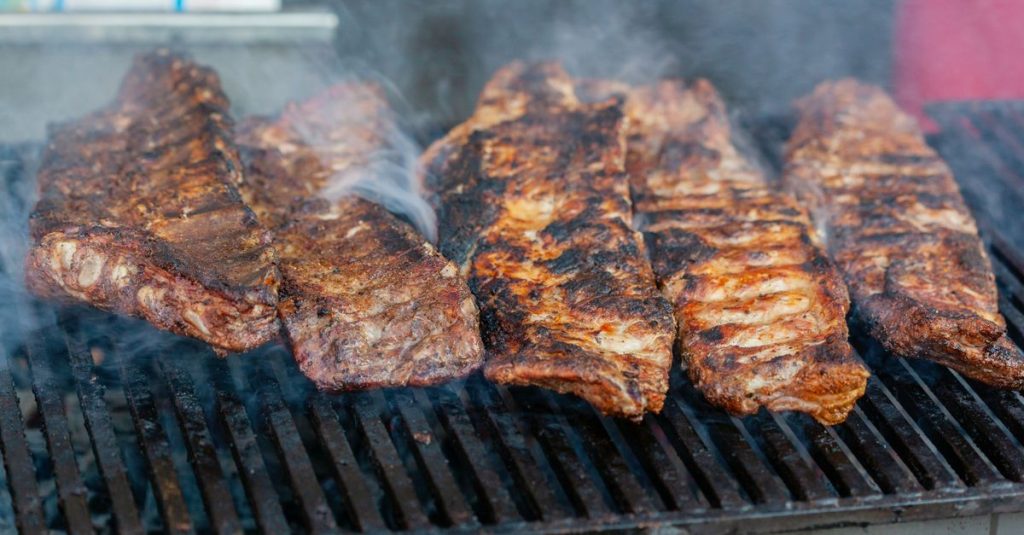
Bak Kut Teh: Malaysia’s Pork Rib Soup
Discover bak kut teh, Malaysia’s flavourful pork rib soup with herbs, garlic and spices, and learn about its variations and traditional accompaniments.
Published on
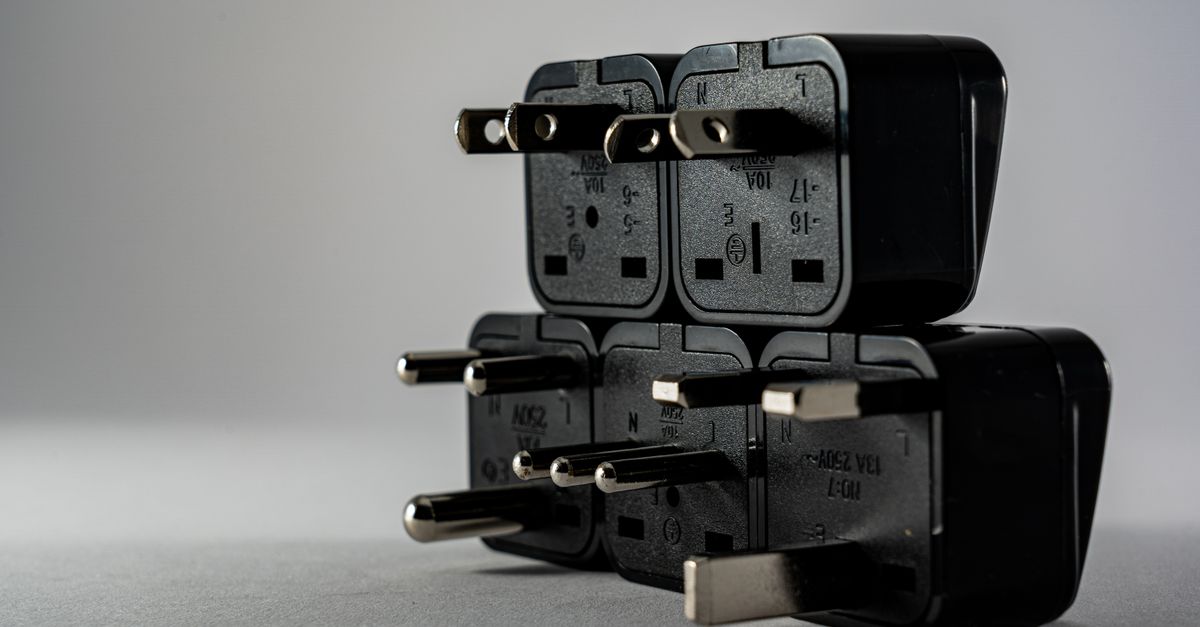
In Malaysia, the most common electrical plug is type G, recognisable by its three rectangular pins arranged in a triangle, like a British plug. The electricity supply is rated at 240 volts and 50 hertz. Travellers departing from France will therefore generally need a plug adapter, but not a voltage converter if their device accepts the local voltage. The right approach is to check the label on each charger or appliance before leaving: the shape of the plug and electrical compatibility are two separate questions.
The marking “100-240 V, 50/60 Hz” on a charger means that it can operate across a range of voltages and frequencies covering the Malaysian supply. In this case, only a mechanical adapter may be needed. A single-voltage appliance, on the other hand, may require a suitable converter, or may need to be left at home if its instructions do not provide for this use. This check is particularly important for heating appliances, which can have high power requirements.
In brief

Electrical sockets in Malaysia are generally type G. They have three rectangular pins, with an earth pin positioned above the other two. Hotels, homes and many public places use this format, so a French type C or E plug cannot be inserted directly.
Type G plugs are similar to those used in the United Kingdom, but this resemblance does not mean that a French appliance can be connected without an accessory. You need a plug adapter compatible with the French plug on one side and the local socket on the other. Check that the adapter holds the plug securely: a loose connection can heat up or interrupt the power supply.
Some directories also mention types A, C or M in the country. This does not guarantee that these formats will be available at your accommodation: when preparing for a stay, the most practical choice remains an adapter that includes type G. If you use a universal model, check before leaving that its pins are correctly configured for this format and that it supports earthing when your appliance requires it.
A British plug and a Malaysian type G plug therefore share a similar shape, but caution is still advisable with cheap or damaged adapters. To prepare for your stay, you can also read the practical advice on eco-friendly habits in Malaysia, particularly on limiting disposable accessories and choosing durable equipment.
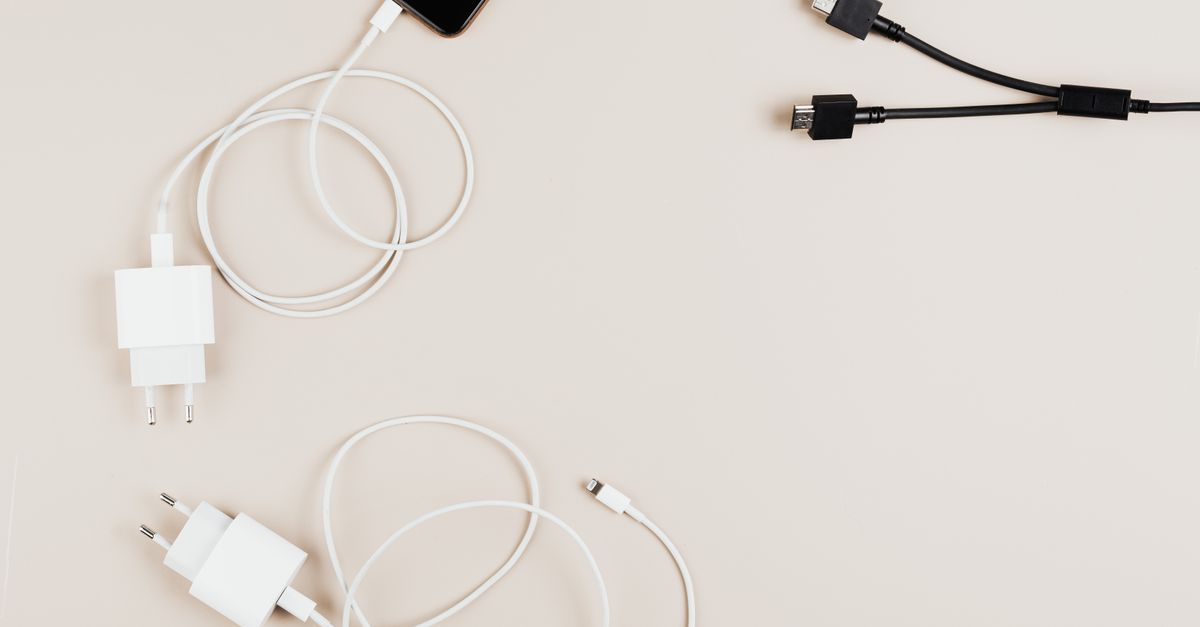
The Malaysian supply is rated at 240 volts and 50 hertz. Voltage describes the potential difference supplied by the network; frequency, expressed in hertz, corresponds to the rate of the alternating current. For most travellers, the key question is whether these characteristics fall within the range accepted by each appliance.
Read the label on the charger or the manufacturer’s instructions. If it states “100-240 V, 50/60 Hz”, the appliance is designed to operate on several electrical networks: in Malaysia, it should not require a voltage converter. However, you will need an adapter if its plug does not match the local socket. Phone, laptop and camera chargers often carry this type of marking, but do not assume it without checking.
A marking showing only one voltage requires more attention. If it does not cover the local network’s characteristics, do not use the appliance directly: consult the instructions and the manufacturer’s recommendations to determine whether a suitable converter is authorised. A converter does not necessarily correct the frequency; this compatibility must also be checked.
Hairdryers, hair straighteners and some travel irons deserve particular attention because they are heating appliances that may require considerable power. The appliance category alone is not enough to decide: only its label shows its input range and rated power. If the information is missing or illegible, it is better not to plug it in until you have obtained reliable confirmation.
A plug adapter allows a plug to fit into a socket of a different shape. It does not alter the electricity supplied by the network. A converter, by contrast, is used to adapt the voltage when the appliance cannot accept the country’s supply; it must be selected according to the appliance’s power requirements and the manufacturer’s instructions.
This distinction helps avoid a common mistake: buying a universal adapter believing that it will automatically protect every appliance. A universal adapter may combine several plug formats, but it does not necessarily transform the voltage. Some models combine both functions; read their instructions and check the power limits before connecting an appliance, especially one that heats up or operates for a long time.
| Marking on the appliance | Accessory generally required | Useful check |
|---|---|---|
| 100-240 V, 50/60 Hz | Adapter if the plug does not match | Check the plug type and the condition of the adapter |
| Single voltage covering the local supply | Adapter if necessary | Also confirm the stated frequency |
| Single voltage not covering the local supply | Suitable converter, if authorised by the manufacturer | Check the power rating and frequency compatibility |
For a regular stay, a good-quality universal adapter and a multi-port USB charger can reduce the number of accessories you need to pack. A small power strip can be useful if only one adapter is available, provided you do not exceed the capacity stated in its specifications. Electric vehicle charging equipment involves different requirements from sockets intended for small appliances: consult a guide to electric cars in Malaysia rather than relying on a simple travel adapter.
To get online as soon as you land, a Malaysia eSIM can be installed before you leave, with no need to look for a local SIM card.
Before leaving, make an inventory of the appliances you genuinely plan to use. For each one, check the plug shape, voltage range, frequency and, where necessary, power rating. This method helps distinguish compatible chargers from appliances requiring special precautions, without buying an unnecessary transformer.
You can then prepare a small travel kit:
At your accommodation, visually check the socket and plug before connecting an appliance. Do not use a cracked socket, bent plug or cable with damaged insulation. Keep electrical equipment away from water and damp surfaces, and unplug it if you notice an unusual smell, excessive heat or abnormal operation.
Available sockets may vary from one property to another, so do not assume that an adapter will be provided. If you take a universal model, test it with your appliances before travelling and check that the plugs fit firmly. For a multi-stop trip, a portable charger can also help when access to a socket is temporarily limited, but it does not replace an adapter for recharging from the mains.
The answers always depend on the information shown on the appliance and the type of socket available. If you are unsure about an expensive or high-powered appliance, follow its instructions and ask the manufacturer for advice before plugging it in.
Yes, generally. French type C or E plugs cannot be connected directly to Malaysian type G sockets. An adapter changes the shape of the plug without changing the voltage.
Check its label. If it states 100-240 V and 50/60 Hz, it is designed for a range covering the Malaysian supply; a plug adapter may nevertheless still be required.
No, not for an appliance whose input range covers the local supply. A single-voltage appliance may require a converter authorised by its manufacturer; also check the power rating and frequency.
Type G, which is common in Malaysia, has a shape similar to a British socket: three rectangular pins arranged in a triangle. An appliance with a French plug nevertheless requires a compatible adapter.
To book tours and activities in Malaysia ahead, see the options on Klook.
Discover bak kut teh, Malaysia’s flavourful pork rib soup with herbs, garlic and spices, and learn about its variations and traditional accompaniments.

Discover the durian season in Malaysia, key varieties such as Musang King and D24, and the best places to taste this iconic fruit.
Explore Tun Sakaran Marine Park near Semporna, with volcanic islands, sheltered lagoons, coral reefs, snorkelling and scuba diving.
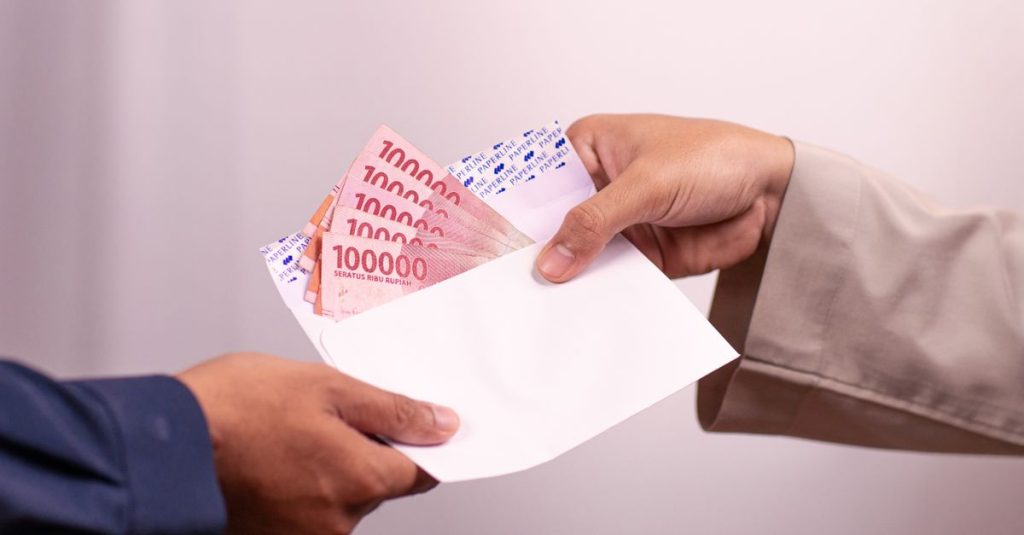
Tipping in Malaysia: learn local customs, suggested amounts and when leaving a tip is appreciated or unnecessary in restaurants, hotels and taxis.

Explore Malaysian universities, student visa requirements and study and living costs to plan your move and student budget with confidence.
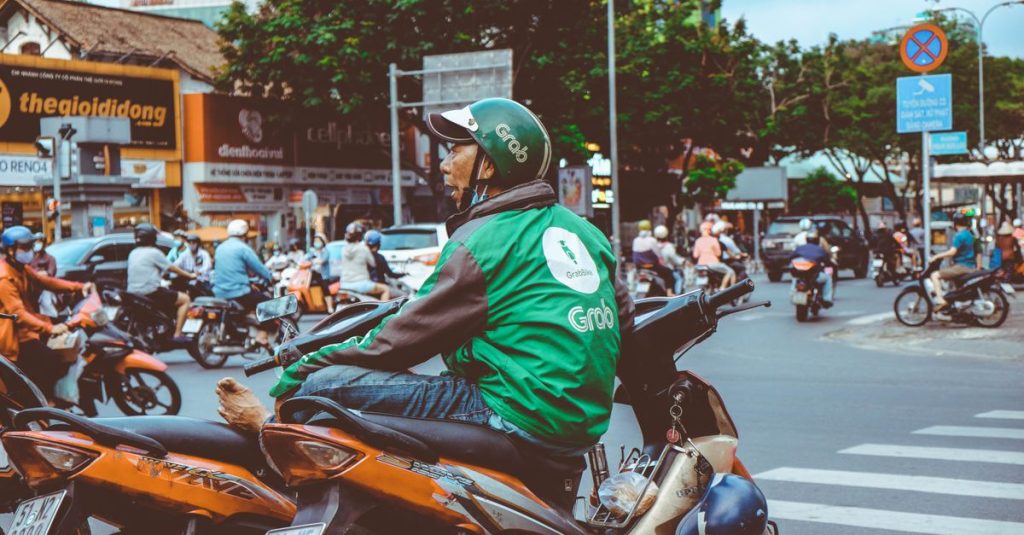
Learn how to use Grab in Malaysia: book rides, check fares, pay by card or cash, order food and choose the right transport option.
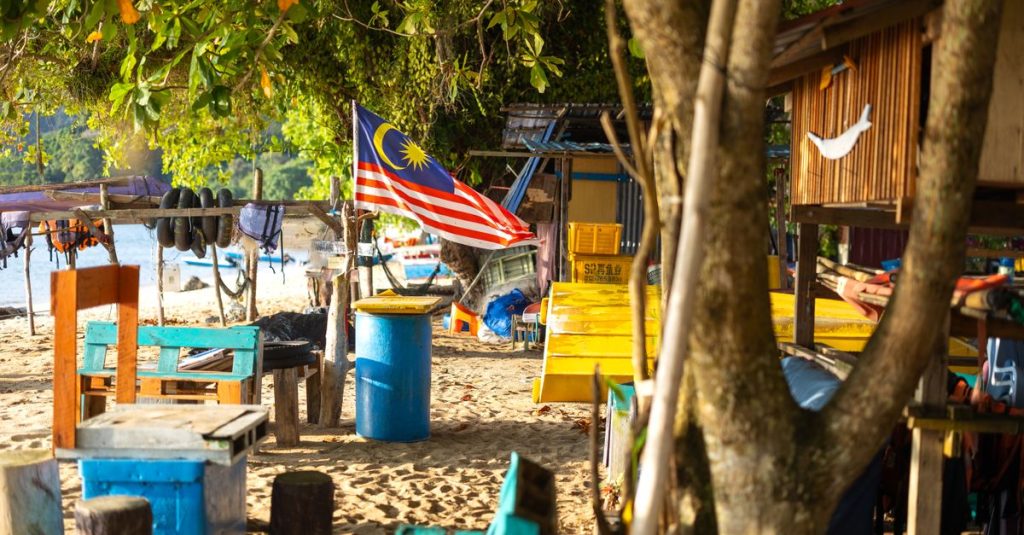
Discover Malaysia’s public holidays and dates to plan your travels, stays and administrative arrangements throughout the year.

Discover Pulau Ketam, the fishing island near Kuala Lumpur, with stilt houses, seafood, mangroves and a distinctive coastal village.
Scroll to see more articles →