Durian in Malaysia: Season, Varieties and Where to Try It
Discover the durian season in Malaysia, key varieties such as Musang King and D24, and the best places to taste this iconic fruit.
Published on
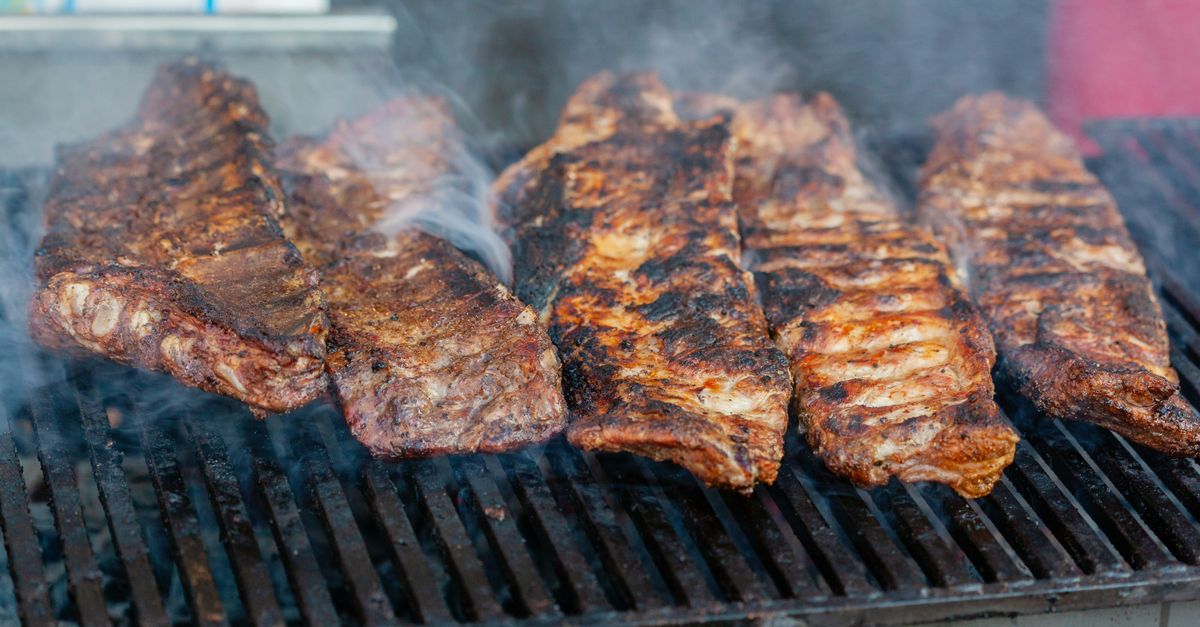
Bak kut teh is a soup made with pork ribs simmered in a broth flavoured with herbs, garlic and spices. A prominent feature of Malaysian Chinese cuisine, it is served hot, often with rice and sauces to season according to taste. Its name literally means “pork rib tea” in Hokkien, but tea is not generally added to the soup: it may instead be served at the table to accompany the meal.
There is no single recipe. Depending on the restaurant and family traditions, the broth may be dark and herbal, or lighter with a stronger pepper flavour. This diversity makes bak kut teh a landmark of Malaysian cuisine, while also reflecting the importance of Chinese culinary traditions in the country. One point to bear in mind: the classic recipe contains pork and is therefore not suitable for people looking for a halal dish.
In brief

Bak kut teh holds a special place in Malaysian cuisine: it is associated both with a complete meal and with a preparation that puts the broth centre stage. The ribs provide texture and flavour, while simmering allows the aromatics to infuse the liquid. The result is a nourishing soup, served in a bowl or individual pot, with rice on the side.
The dish is often associated with Klang, in the state of Selangor, but accounts of its origins are not always consistent. It is more accurate to describe it as a Sino-Malaysian culinary tradition, shaped by practices and tastes that developed in Malaysia, rather than attributing to it a single, undisputed history. This identity can be seen in the many interpretations offered by restaurants.
The word “tea” can sometimes be confusing. It does not necessarily refer to an ingredient in the recipe: during some meals, tea is served separately and accompanies the soup. To see how this speciality fits into the country’s dishes, also consult our guide to Malaysian cuisine, as well as this overview of Malaysian gastronomy.
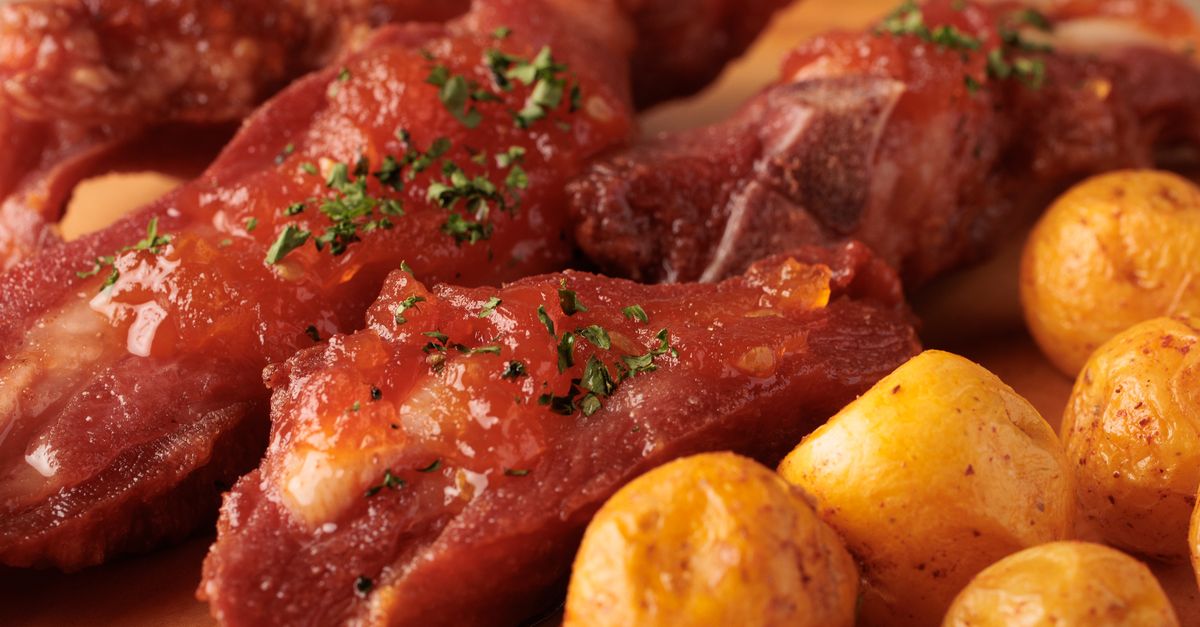
The character of bak kut teh first depends on its herbal broth. Garlic and aromatics are common, and various spices may also be added. Mixtures vary between cooks, so it is best not to treat any list of ingredients as a compulsory formula. Some broths are strong and dark, while others are lighter or have more heat from pepper.
The pork ribs cook in this liquid until tender. Cooking times and methods vary from one kitchen to another; the central idea is to allow the flavours to blend without reducing the dish to a simple spicy soup. Garlic contributes to its distinctive aroma, while the herbs give the broth a depth that sets this preparation apart from a more ordinary soup.
Soy sauce may be included in the preparation or offered separately, depending on the recipe and restaurant. It can be used to adjust the saltiness and flavour, sometimes together with chilli or other condiments. To understand the contrast between herbal and peppery versions, ask how the broth is seasoned before ordering: the name of the dish does not guarantee the same flavour profile everywhere.
| Element | Role in the dish | Possible variations |
|---|---|---|
| Pork ribs | They are the main filling and give the soup its substance. | More or less meaty pieces, depending on the cut used. |
| Garlic and herbs | They flavour the broth during cooking. | The mixture and intensity change from one recipe to another. |
| Spices and pepper | They add depth and aromatic warmth. | One version may be more peppery than another. |
| Soy sauce | It may season the soup or be served as a condiment. | Its use depends on the cook and on diners’ preferences. |
Bak kut teh does not have one uniform flavour. Some versions highlight a dark broth flavoured with herbs and seasonings; others are lighter and give pepper a more prominent role. These differences do not necessarily mean that one recipe is more authentic than another: they reflect culinary habits and local preferences.
The meal is built around the soup, but does not stop there. Rice allows you to make the most of the broth, while vegetables or other accompaniments may complete the serving. Condiments, when offered, allow diners to enhance the ribs or personalise each mouthful. This is one reason why the dish is often enjoyed as a meal to share rather than as a soup eaten on its own.
For a first tasting, start by comparing the aroma and texture of the broth before adding soy sauce or chilli. This helps you distinguish the herbal notes from the table seasonings. If you enjoy exploring culinary traditions while travelling, the guide to things to do in Kuala Lumpur can also help you plan a stop in the capital.
Tip: set up a Malaysia eSIM before departure so your data works on arrival.
You can look for bak kut teh in specialist restaurants and Chinese eateries across Malaysia. Menus and serving customs differ: some establishments focus on the soup, while others offer several accompaniments or different versions of the broth. In Kuala Lumpur, with its many neighbourhoods and restaurants, it is useful to check the menu on site and ask whether the broth is mainly herbal or peppery.
The dish does not represent all of Malay cuisine on its own, which brings together diverse traditions and influences. Rather, it illustrates the country’s culinary plurality and the place occupied by recipes from Chinese communities. Trying it alongside other specialities gives a better understanding of this diversity, without conflating Malay, Malaysian Chinese and wider Asian cuisines.
As the exact composition is not standardised, people with allergies or dietary restrictions should ask for the list of ingredients and condiments. The presence of pork is an essential point to check, particularly if you are looking for a halal meal. To plan a visit to the capital around restaurants and neighbourhoods, you can also consult this guide to living in Kuala Lumpur.
The expression literally means “pork rib tea” in Hokkien. Tea is generally not an ingredient in the soup; it may be served separately with the meal.
No. Some versions are mainly herbal, while others are more peppery. The intensity varies according to the recipe and restaurant.
It is often served with rice. Condiments or accompaniments may be offered, but their presence and nature vary from one establishment to another.
The classic recipe is made with pork ribs and is therefore not suitable for a halal diet. You should check the ingredients directly if a variation is advertised.
To book tours and activities in Malaysia ahead, see the options on Klook.
Discover the durian season in Malaysia, key varieties such as Musang King and D24, and the best places to taste this iconic fruit.

Explore Tun Sakaran Marine Park near Semporna, with volcanic islands, sheltered lagoons, coral reefs, snorkelling and scuba diving.

Discover Malaysia’s plug types, voltage and frequency, and find out whether you need a travel adapter or voltage converter for your devices.

Tipping in Malaysia: learn local customs, suggested amounts and when leaving a tip is appreciated or unnecessary in restaurants, hotels and taxis.

Explore Malaysian universities, student visa requirements and study and living costs to plan your move and student budget with confidence.

Learn how to use Grab in Malaysia: book rides, check fares, pay by card or cash, order food and choose the right transport option.

Discover Malaysia’s public holidays and dates to plan your travels, stays and administrative arrangements throughout the year.

Discover Pulau Ketam, the fishing island near Kuala Lumpur, with stilt houses, seafood, mangroves and a distinctive coastal village.
Scroll to see more articles →