The Soul of Malaysia:
A Guide to Local Markets
Dive into an explosion of flavours, colours and traditions. From the buzz of the Pasar Malam to the hidden treasures of local craftsmanship, discover the beating heart of Malaysian trade in 2026.
More than a marketplace, a cultural institution
In Malaysia, the market is not simply a place where goods are exchanged for Ringgit. It is the crossroads of civilisations. As you wander the aisles of a local market, you travel through centuries of history, from the spice trade that made Melaka's fortune to the modern influences of global street food.
Whether you are a new expat looking to do your shopping in Malaysia or a traveller in search of authenticity, understanding how the markets work is essential. This is where everyday Malaysian culture is shaped.
The Mosaic of Malaysian Markets
Pasar Pagi (Morning Markets)
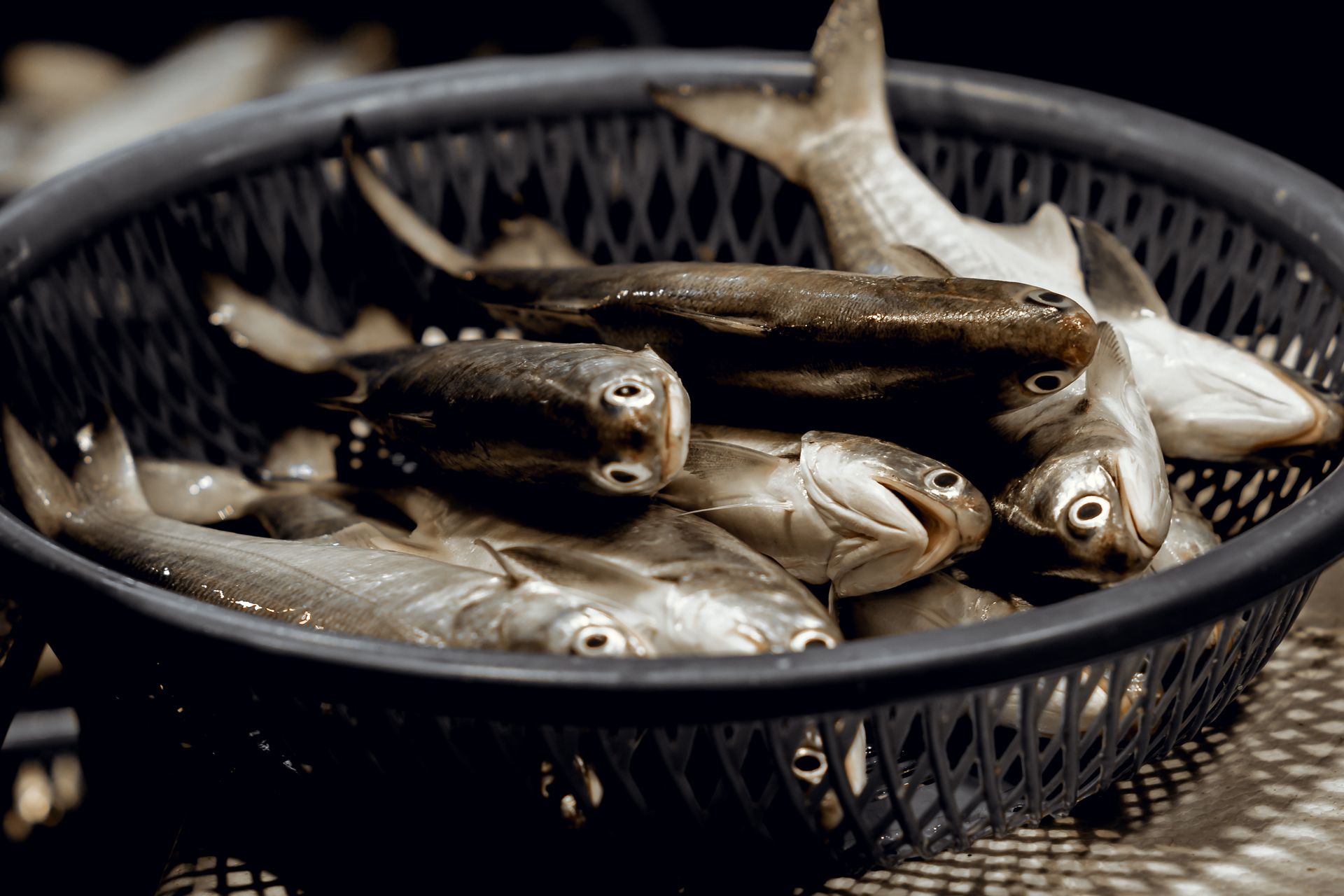
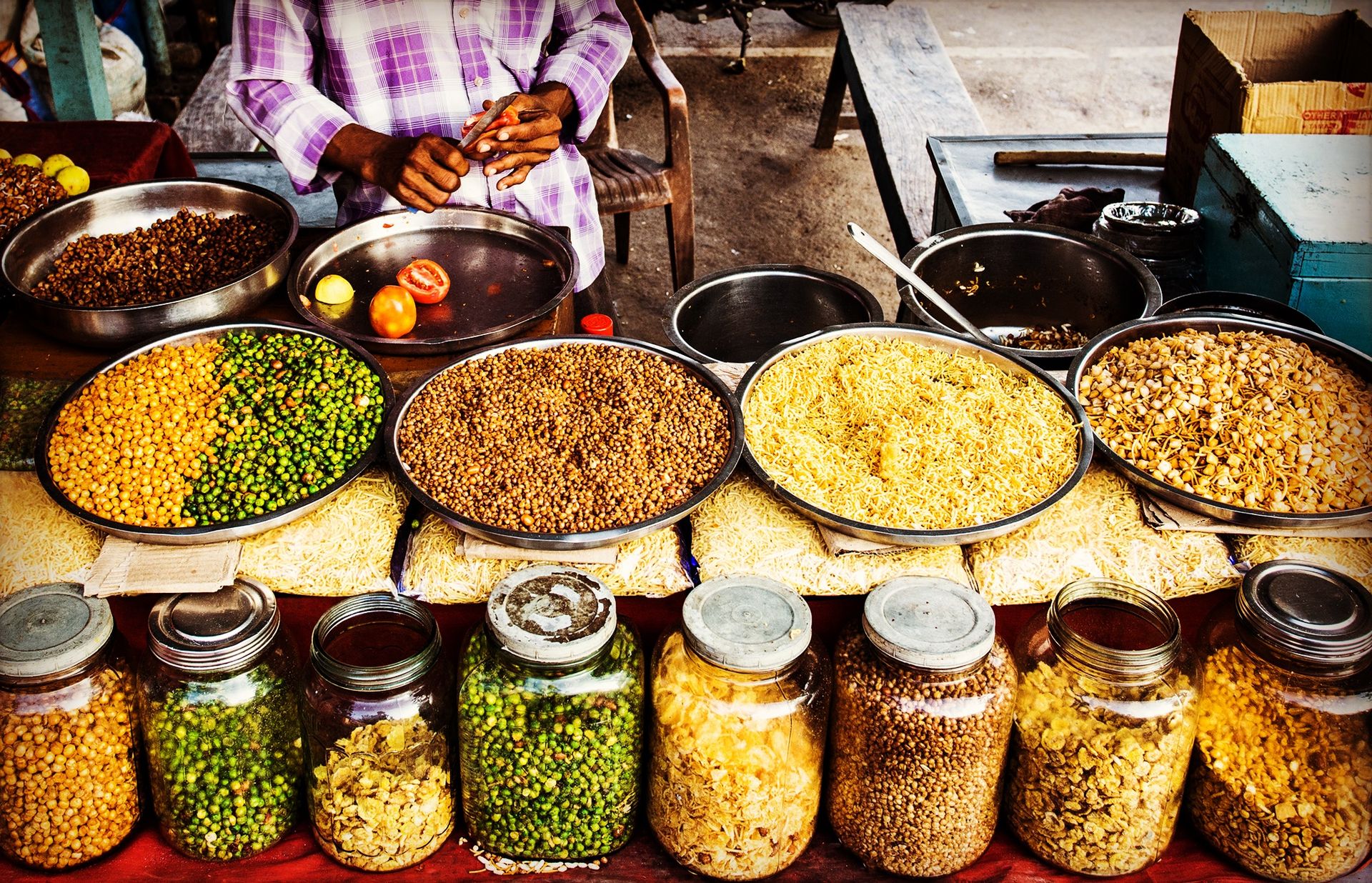
An awakening of the senses. From 6am, locals flock in for the freshest produce. Just-landed fish, vegetables from the Cameron Highlands and sun-ripened tropical fruit.
- • Authentic, bustling atmosphere
- • Unbeatable prices for fresh produce
- • Perfect for discovering Malaysian cuisine at its source
Little India
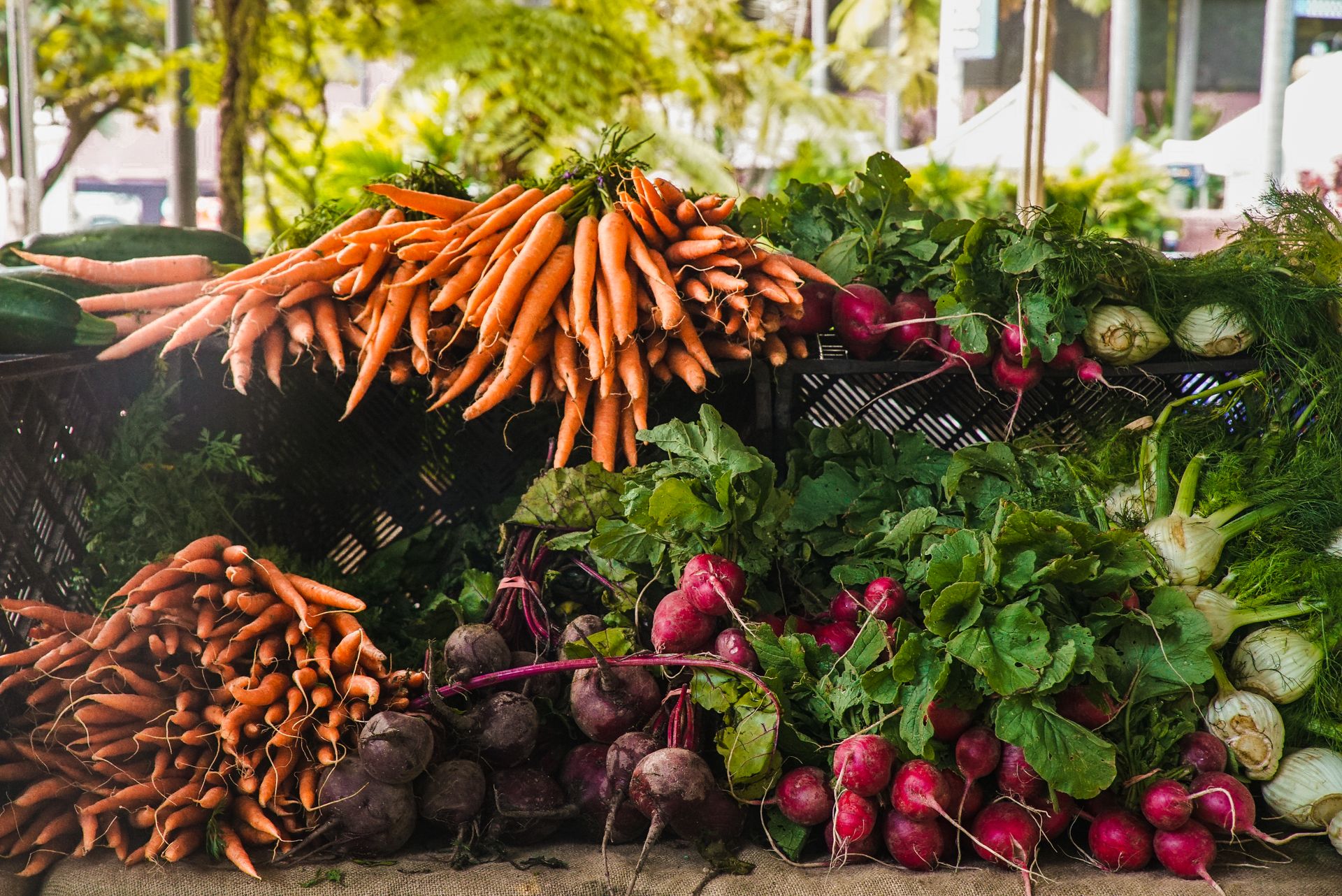
A kaleidoscope of colour. Here, the air is saturated with the scent of incense and jasmine. People come for silk saris, gold jewellery and freshly ground spices.

Chinatown & Petaling St.
A paradise for bargains and traditional herbal shops. Don't miss the rare teas and time-honoured remedies.
Explore KL →Crafts & Batik
Discover the skill of local artisans. From intricate wood carvings to hand-dyed Batik fabrics, every piece tells a story of tradition and innovation.
Tip: Kuala Lumpur's Central Market is a must-visit for collectors.

Pasar Malam: Nighttime Magic
When the sun sets and the tropical heat eases, the streets transform. Blue and red tents go up, generators hum and the irresistible smell of grilled Satay fills the air. The Pasar Malam is the ultimate social gathering.
A culinary explosion
Char Kway Teow, Nasi Lemak, Apam Balik... get your stomach ready for an unforgettable journey.
Eclectic shopping
From phone cases to local fashion, you'll find everything at the Pasar Malam.
A rotating location
Each neighbourhood has its dedicated day. Ask your neighbours or check our forum.
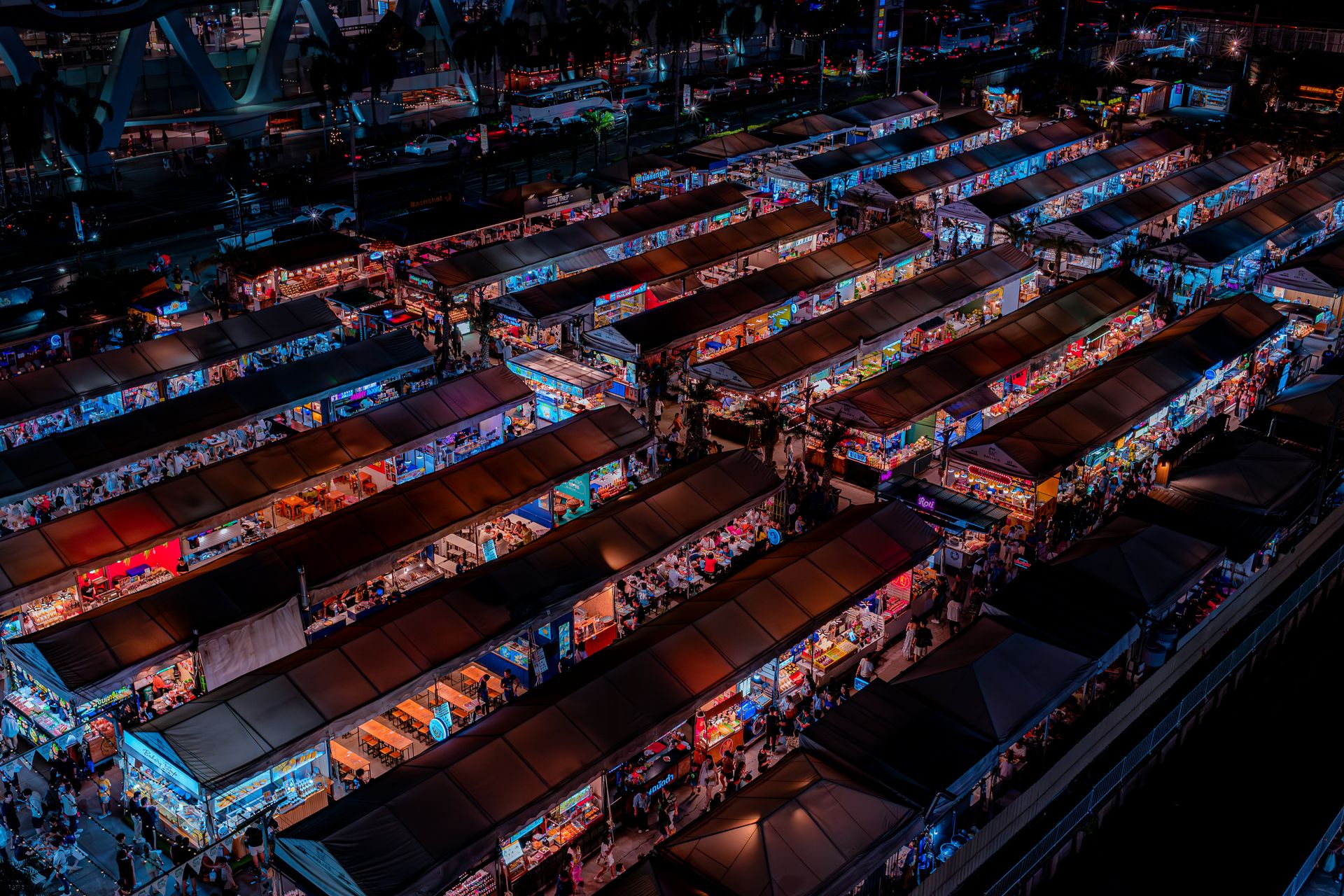
"The Taman Connaught Pasar Malam in KL stretches over more than 2 kilometres!"
2026 Market Basket Simulator
Estimate your spending for a foodie and craft-filled experience.
🛒 Your selections
Experience summary
Based on average prices observed at markets in Kuala Lumpur and Penang in 2026. Indicative exchange rate: 1 EUR ≈ 4.8 MYR.
History Between the Stalls
From colonial trading post to living heritage
The Central Market of Kuala Lumpur, built in 1888, is the perfect example of this transformation. Once a simple wet market for fish, it is now a heritage-listed landmark and a showcase for Malaysian arts and crafts.
Each community brought its own structures: Chinese shophouses with their covered arcades, vibrant Indian bazaars and the floating markets still found in parts of the north towards the Thai border. Understanding this evolution helps you appreciate the depth of the shopping experience today.
An Analysis of the Malaysian Consumer Market
The Consumer Profile
The Malaysian consumer in 2026 is hyper-connected yet deeply attached to their roots. A hybrid behaviour is emerging: people order lunch through an app, but still prefer to buy their fish at the local market to guarantee freshness.
The Importance of Halal
With a Muslim majority, Malaysia is a global leader in the halal economy. This influences not only food but also cosmetics and financial services. For more information, see our guide on eating halal in Malaysia.
Digitalisation & Cashless
Even at the most traditional markets, QR code payments (DuitNow) have become the norm. Still, always keep a little cash (Ringgit) on hand for small rural stalls.
Trends for entrepreneurs
- ✔ The rise of eco-conscious consumption (zero waste).
- ✔ Strong demand for "local premium" products.
- ✔ Explosive growth in hybrid e-commerce (O2O).
For those looking to invest or start a business in Malaysia, understanding this market dynamic is crucial. The Malaysian market often serves as a testing ground for expansion across ASEAN.
The Art of Shopping in Malaysia
Haggling
It's done with a smile. Never be aggressive. If the price doesn't suit you, say thanks and move on.
Timing
Mornings for freshness (before 9am), evenings for the atmosphere and end-of-day deals on cooked dishes.
Staying hydrated
The tropical climate can be exhausting. Drink plenty of water (or grab a fresh coconut on the spot!).
How to get there?
Most major urban markets are easily reached via Kuala Lumpur's public transport (LRT, MRT, Monorail). However, to explore the lesser-known gems of villages or regions like Terengganu, flexibility is key.
Recommended options:
- ● Grab: The essential app for short, comfortable trips.
- ● Car rental: Ideal for a road trip to the markets of Melaka or Ipoh. See our guide on car insurance in Malaysia.
- ● Walking: The best way to discover the hidden treasures of Chinatown or Little India.

Frequently Asked Questions
Is it safe to eat street food at the markets? ▼
Yes, generally. Malaysia has strict hygiene standards. Favour stalls that are busy (a sign of freshness) and where the food is prepared in front of you. For extra precautions, read our health tips.
When is the best time to visit a Pasar Malam? ▼
Night markets start around 5pm, but the buzz peaks between 7pm and 9pm. That's the ideal time to soak up the atmosphere and enjoy all the flavours.
Can you pay by bank card? ▼
Rarely at small stalls. Apps like GrabPay or DuitNow are accepted almost everywhere, but for tourists, cash is still king. See our page on currency and payments.
What original souvenirs can you bring back from the markets? ▼
Authentic Batik, BOH tea from the Cameron Highlands, Ipoh white coffee, or pewter craftwork.
What precautions should you take with the weather? ▼
Tropical rain is sudden and intense. Always pack a small umbrella or a poncho, even though many markets are partially covered.
Are there markets specifically for expats? ▼
Yes, neighbourhoods like Mont Kiara in KL host weekend designer and organic markets that are very popular with the expat community.

Ready to live the Malaysian experience?
Whether you're here for a week or for life, the markets will be your best guides to understanding this fascinating country.