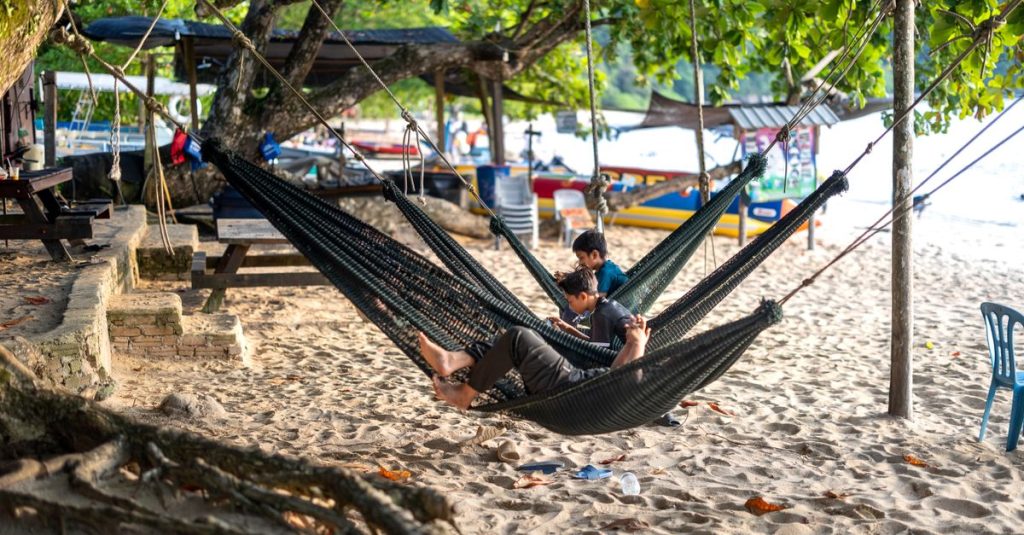
Pangkor Island: Beaches, Access and Things to Do
Discover Pangkor Island, from its beaches and fishing villages to ferry access, activities and practical tips for planning your stay.
Published on
To see Rafflesia in Malaysia, the main areas to consider are Tambunan and Poring in Sabah, Gunung Gading National Park in Sarawak, and certain forests accessible from the Cameron Highlands. The choice depends above all on which flowers are actually open during your stay: none of these places can guarantee a sighting on a date fixed well in advance.
The “world’s largest flower” refers to an individual flower, not an arrangement of small flowers. Several Rafflesia species exist, so the flower you see in Malaysia will not necessarily be Rafflesia arnoldii, the species famous for holding this record.
In brief
Tambunan and Poring are the main areas to consider in Sabah. They allow you to organise a search from Kota Kinabalu or as part of a route around the Kinabalu massif, but they involve different journeys and visiting conditions.
You must distinguish between a destination known to host this plant and a location where a flower has actually just opened. An old photograph or the word “Rafflesia” in the name of an excursion does not establish that a sighting will be possible on the day of departure.
The Rafflesia Information Centre in Tambunan is a useful place to ask about local opportunities. Before arranging transport, ask whether an open flower has been found, whether its location is accessible and what assistance is provided.
This approach has a practical purpose: a visible bud does not offer the same experience as a fully open flower. Its development does not allow visitors to work out a reliable opening date for themselves, and a journey based solely on this information may result in a different sighting from the one expected.
Access also deserves careful attention. Depending on the reported location, reaching it may involve a forest trail and terrain conditions unlike those of a developed walkway. Ask about the slope, the state of the path and the possibility of turning back.
The Poring area is also associated with Rafflesia sightings. Some sightings may be on locally managed land, so ask exactly where the flower is, who authorises access and whom to pay for any applicable fees.
Do not confuse a visit to Kinabalu National Park with a guaranteed Rafflesia sighting. Exploring the park’s trails, taking an excursion to Poring and climbing the summit are different activities, each requiring separate arrangements.
Our guide to Mount Kinabalu and its surroundings can help place these stages in an itinerary. For the flower itself, however, the decision should remain based on information provided by the site managers or the people responsible for the location concerned.
Ask the provider to distinguish clearly between the road journey, the walk and the time available on site. An outing described as an excursion “around Kinabalu” may combine stops that are far apart without botanical observation being its main purpose.
If this discovery is your priority, ask what happens when no flower is accessible: postponement, a changed route or simply a hike. The commercial terms should be known before payment, not discovered at departure.
Schedules, access rights and accompanying arrangements may change. Check them with Sabah Parks for sites under its management, or with the official person responsible for another site.
In Sabah, the best starting point is not necessarily the closest one: it is the place that allows you to reach a confirmed bloom in conditions suitable for your group.
In Sarawak, Gunung Gading National Park is a recognised destination for looking for Rafflesia. It is in the Lundu area and can be included in a stay organised from Kuching, provided the journey is planned according to information from the park.
Its appeal lies in the possibility of observing the flower in a protected area, with information about accessible sections. This does not turn the plant into a permanent attraction: the presence of suitable habitat does not mean that an open flower awaits visitors every day.
Ask Sarawak Forestry Corporation or the park’s official reception about recent sightings. Specifically ask whether the report concerns an open flower, a bud or a flower already in decline, as these situations are sometimes grouped under the same general announcement.
Confirmation should also cover authorised access. A flower may be in an area unsuitable for visitors, and protecting the environment may mean that the public is not taken to its exact location.
Do not infer current conditions from an old travel story. The route taken by a previous visitor, the difficulty of their walk and the arrangements for their guide do not necessarily describe the experience offered during your stay.
Before booking transport, ask for a description of the path used to reach the reported location. Useful details include the elevation gain, roots, wet sections and whether it is possible to proceed at a moderate pace.
This check is particularly important with children or in case of reduced mobility. The flower’s spectacular size attracts a wide range of visitors, but its environment remains forested: do not assume access comparable to that of a botanical garden.
Wear shoes that support your feet, take water and bring rain protection. Keeping your hands free makes it easier to negotiate uneven ground; lightweight photography equipment is often more practical than a cumbersome kit beneath the trees.
Exploring Malaysia’s tropical forest gives you a worthwhile day even if no flower is open. Vines, layers of vegetation and relationships between plants provide essential context for understanding the way this parasitic species lives.
Ask reception which trails and other points of interest are actually open. Do not build a replacement programme around a waterfall or route without checking its accessibility, especially after periods of rain.
To compare this stop with other protected areas, see our guide to biodiversity and parks in Malaysia. The aim is to choose a place for what it genuinely allows you to discover, rather than accumulating excursions based on similar promises.
Prices, opening hours and guiding arrangements must be checked directly with the official manager. At Gunung Gading, recent information about the flower’s condition and the authorised route is more valuable than a booking made very early.
In Peninsular Malaysia, some excursions from the Cameron Highlands search for Rafflesia in the surrounding forests. However, distinguish between where you are staying and where the plant grows: departing from a hill station does not mean that the sighting takes place near the tea plantations.
Proposed tours may combine a hike, scenic stops and other visits. Before choosing one, check how much time is genuinely devoted to the botanical search and ask whether a flower has been located, rather than relying solely on the commercial title.
A precise offer should explain what the guide plans to show and what recent information the journey is based on. Ask whether the site has been checked, what condition the flower is in and whether access has been confirmed by those responsible for the land.
The phrase “Rafflesia reserve near the Cameron Highlands” should be clarified. It is not enough to identify a single location, protected status or permanent trail; ask for the name of the area and the entry conditions.
Also examine what the service includes. Transport, forest guiding, any access fees and additional activities should be distinguished so that you understand what is included and what remains payable.
Finding the flower depends on detailed knowledge of the terrain and host plants. When a route crosses an area used or managed by an Orang Asli community, make sure the visit takes place with its agreement and that the accompaniment respects local arrangements.
A guide does not remove the need to ask permission before photographing residents or their activities. A cultural encounter included in a tour should not be treated as automatic access to a community’s daily life.
Botanically, the guide can help distinguish a bud, an open flower and the remains of a past bloom. This understanding prevents the outing from being reduced to a photograph: it shows why the same location does not always offer the same spectacle.
An excursion sold from the Cameron Highlands may involve a road journey followed by a walk in hot, humid conditions. Do not choose your clothing solely according to the coolness felt at your accommodation.
Ask whether the route includes steep slopes, stream crossings or sections that may become difficult after rain. The guide should be able to explain possible route changes and the circumstances in which they would prefer to turn back.
Our page on the climate in Malaysia helps you prepare your equipment, but it does not replace a local assessment of the trail. Similarly, good physical fitness does not make a closed or discouraged route acceptable.
If you continue further into the peninsula, a guide to forest discoveries in Taman Negara can help organise other activities, without assuming that they include this flower. In the Cameron Highlands, choose accurate sighting information and quality guiding over a promise of a systematic observation.
There is no single calendar guaranteeing Rafflesia blooms throughout Malaysia. The relevant timing depends on the site, the species and the condition of locally monitored buds; a favourable travel period is therefore not the same as a sighting guarantee.
The open flower is a brief stage in the plant’s development. For visitors, this means planning flexibly: it is better to leave some room in your itinerary than to base the entire stay on a botanical appointment fixed long in advance.
A recent photograph can help you understand the reported condition, provided you ask when it was taken and whether it shows the proposed location. A promotional image illustrates a possibility; it does not prove that an accessible flower is currently present.
Also ask what “confirmed bloom” means to your contact. Is it a report from a third party, an on-site check or information published by the manager? This distinction helps assess how reliable the arrangements are without demanding an impossible biological guarantee.
| Area under consideration | Preferred contact | Essential check |
|---|---|---|
| Tambunan, Sabah | Information centre and site manager | Open flower, access and guiding |
| Poring, Sabah | Manager of the relevant area or land | Exact location and entry authorisation |
| Gunung Gading, Sarawak | Sarawak Forestry Corporation and park reception | Bloom condition and authorised route |
| Cameron Highlands area | Guide and person responsible for local access | Recent sighting and walking difficulty |
The cost depends in particular on transport, guiding and the status of the place visited. Access to locally managed land cannot be compared directly with an excursion including a vehicle and several visits.
Ask for a detailed price and the conditions applying if there is no flower, the trail is closed or the weather is unsuitable. Check entry fees and opening hours with the relevant official organisation; for a commercial service, ask the operator to confirm the arrangements in writing.
The guide to transport in Malaysia can help you assess travel options. Pay particular attention to the return journey: reaching a starting point does not guarantee that transport will be readily available once the visit is over.
Prepare your camera before approaching and follow the position indicated by the guide. The ground around a flower may also contain buds or parts of the host plant that visitors find difficult to identify.
Do not move leaves, branches or vegetation to clear the frame. Do not place an object against the lobes to show scale: a slightly less spectacular photograph is preferable to unnecessary handling.
In heavy rain, the decision to continue the walk rests with those responsible on site. The right visiting window combines an observable flower, authorised access and manageable terrain: none of these criteria replaces the others.
Rafflesia is a parasitic plant, not a fungus. It belongs to the Rafflesiaceae family and depends on vines of the genus Tetrastigma. Much of its organism develops inside these vines before its floral structures appear.
It has none of the green leaves, stems and roots usually associated with a flowering plant. Without chlorophyll, it cannot photosynthesise and depends on its host for the resources needed to develop.
The phrase “world’s largest flower” refers to an individual flower, with Rafflesia arnoldii as the famous example. It should not be confused with the large inflorescences of other plants, which bring together many flowers on a shared structure.
The name Rafflesia also refers to a genus containing several species. It would therefore be misleading to claim that every Rafflesia seen in Sabah, Sarawak or the peninsula belongs to the species associated with the world record.
To identify the flower in front of you, rely on information from the manager and specialist guide. Resemblance to a photograph found online is not enough, especially when the image does not specify its geographical origin or botanical identification.
Its smell of decomposing animal matter attracts pollinating flies. The flower’s fleshy appearance and colours reinforce this deception: what seems unpleasant to visitors serves a reproductive function.
The perceived intensity is not a reliable way to judge the quality of the sighting. The flower’s condition, distance and surrounding conditions influence the experience; the absence of a strong smell on arrival does not mean that you have seen the wrong plant.
This relationship with insects is also why you should avoid gestures intended to chase them away from the corolla. Observing the flower’s visitors can be as informative as looking at its shape, provided their activity is not disturbed.
Protecting Rafflesia means preserving its host plant and forest environment. Deforestation and illegal harvesting threaten this relationship: preserving an isolated flower is meaningless if the conditions allowing it to develop disappear.
Trampling is an avoidable risk during a visit. Stay behind installed barriers, do not cross a rope to obtain a better angle and do not ask the guide to handle a bud to make it more visible.
Do not take any fragments and do not buy buds or flowers presented as remedies. The existence of traditional uses does not demonstrate medical effectiveness, and collecting them removes elements needed for the plant’s renewal from the environment.
Finally, choose a guide who explains the restrictions and is prepared to abandon a sighting when access threatens the site. Genuinely useful eco-tourism in Malaysia protects the vines and undergrowth as much as the spectacular flower that attracts visitors.
In Sabah, enquire about Tambunan and Poring. In Sarawak, rely on information from Gunung Gading National Park. On the peninsula, some excursions depart from the Cameron Highlands. Above all, choose according to recently confirmed blooms and authorised access.
No. A booking does not guarantee that a flower will be open and accessible on the planned day. Ask for recent confirmation and clarify the conditions for postponing or changing the excursion.
No. Climbing the summit and searching for Rafflesia are separate activities. Opportunities around Poring or Tambunan must be arranged separately according to local sightings.
It depends on the route actually used. Ask the site manager about the slope, terrain, obstacles and options for turning back before deciding.
No: keep your distance and follow the guide’s instructions. Also avoid walking around the flower, as buds and parts of the host plant may be difficult to spot.
Discover Pangkor Island, from its beaches and fishing villages to ferry access, activities and practical tips for planning your stay.
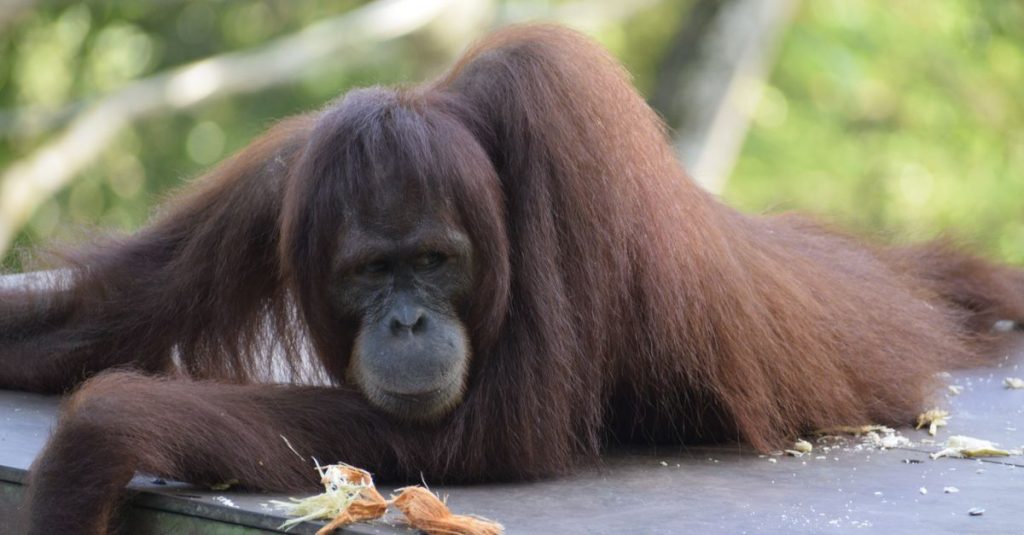
Discover Sepilok in Borneo and observe orangutans in the rainforest, while learning about rehabilitation and wildlife conservation.
Explore the Kinabatangan River in Borneo with boat safaris, proboscis monkeys, orangutans, pygmy elephants and rainforest wildlife.
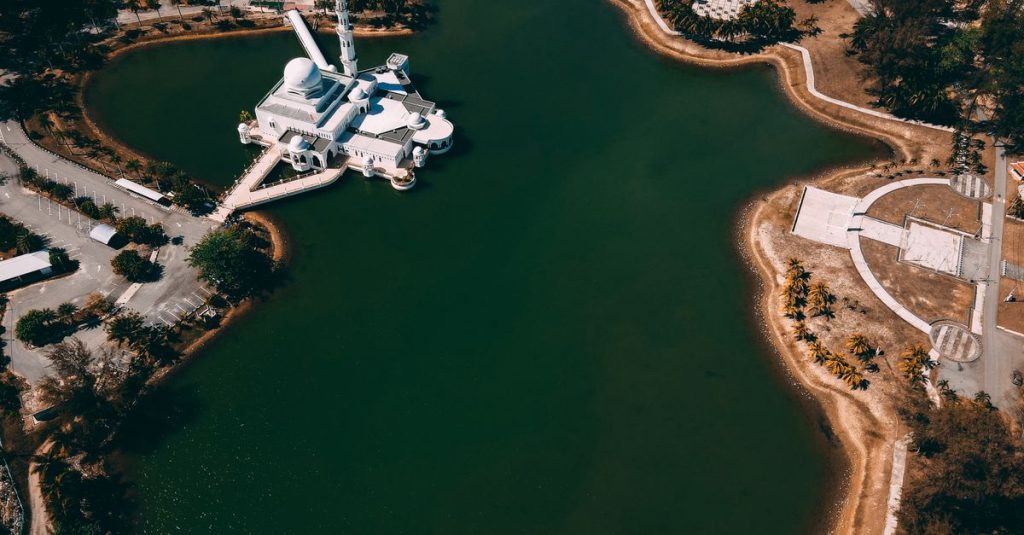
Discover Malaysia itineraries for 10 days, 2 or 3 weeks, with essential stops and practical advice for organising your trip.
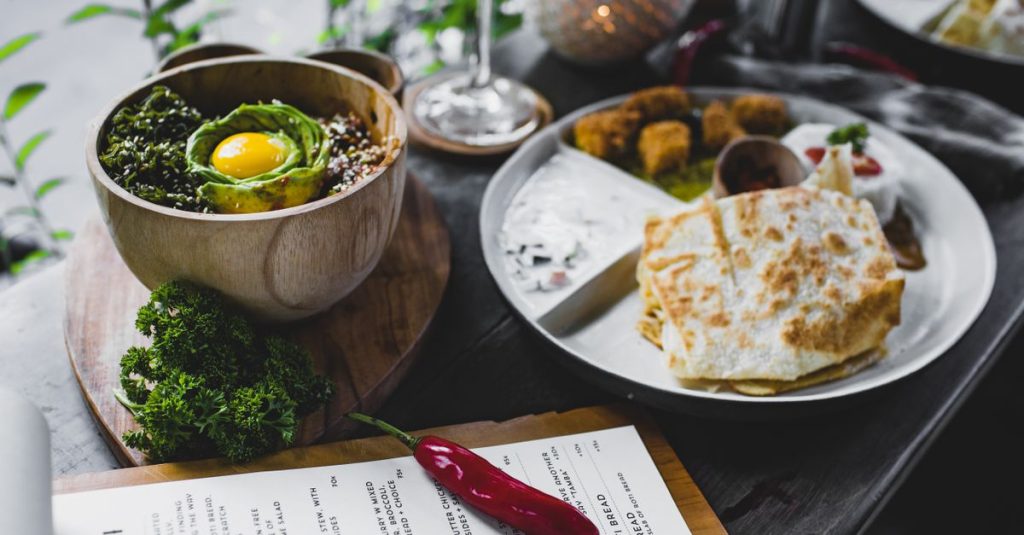
Discover roti canai, Malaysia’s flaky, crisp breakfast flatbread, served with curry or dhal and enjoyed at mamak restaurants or home.
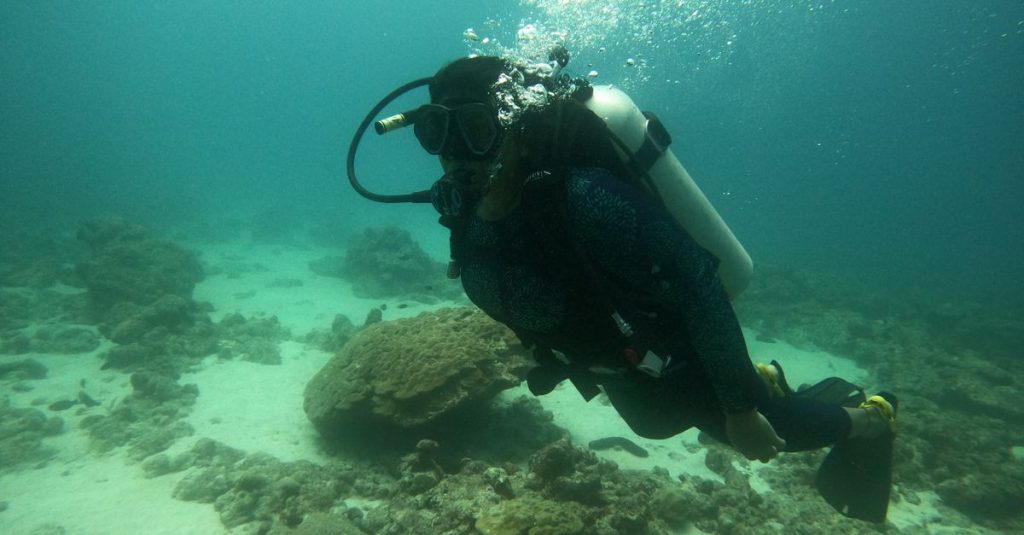
Discover Sipadan, Borneo’s legendary island: diving permits, the best season and practical advice for planning your underwater adventure.
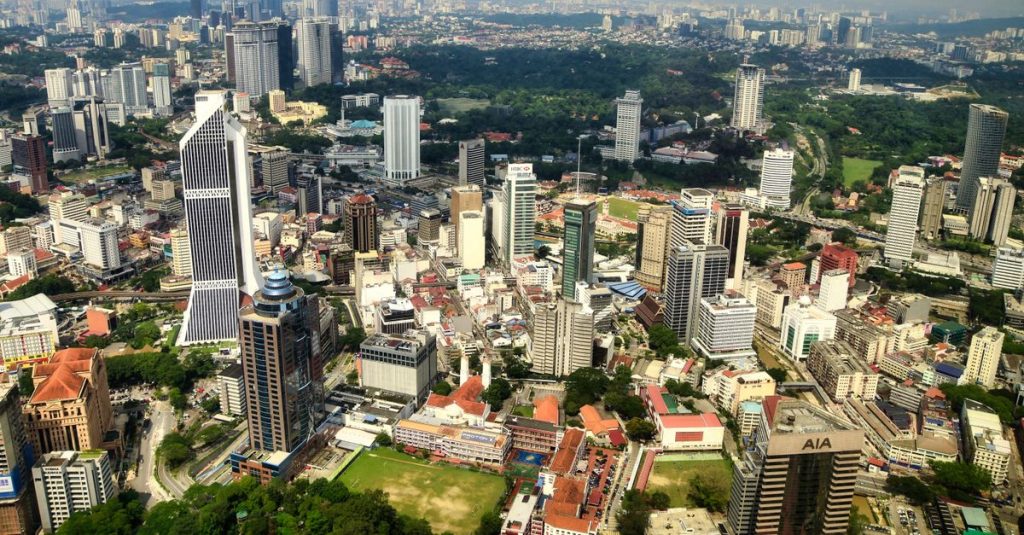
Discover Malaysia’s population, ethnic diversity and main religions, and understand the differences between citizens, residents and communities.

Experience the Malaysia MotoGP Grand Prix at Sepang: practical advice on tickets, access, accommodation and making the most of race day.
Scroll to see more articles →