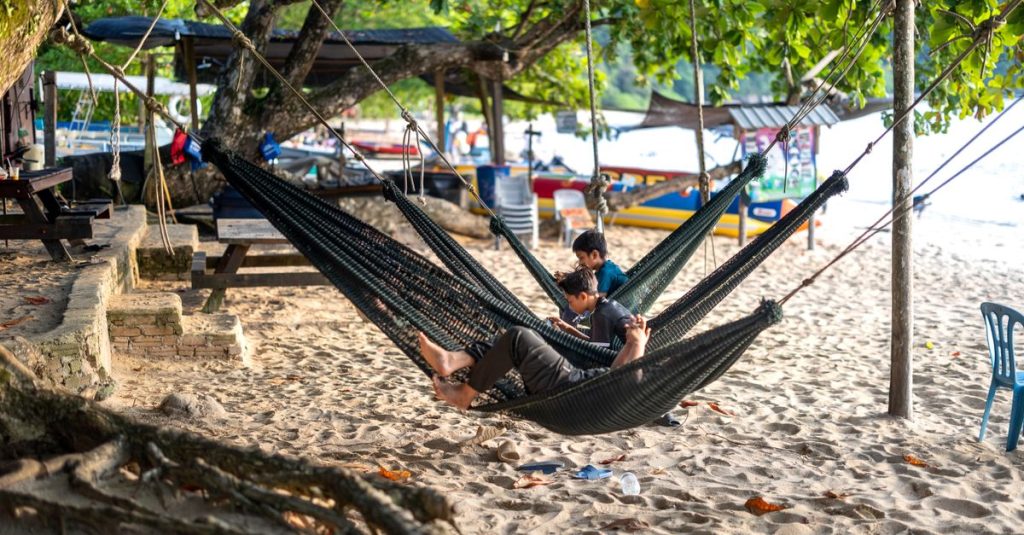
Pangkor Island: Beaches, Access and Things to Do
Discover Pangkor Island, from its beaches and fishing villages to ferry access, activities and practical tips for planning your stay.
Published on
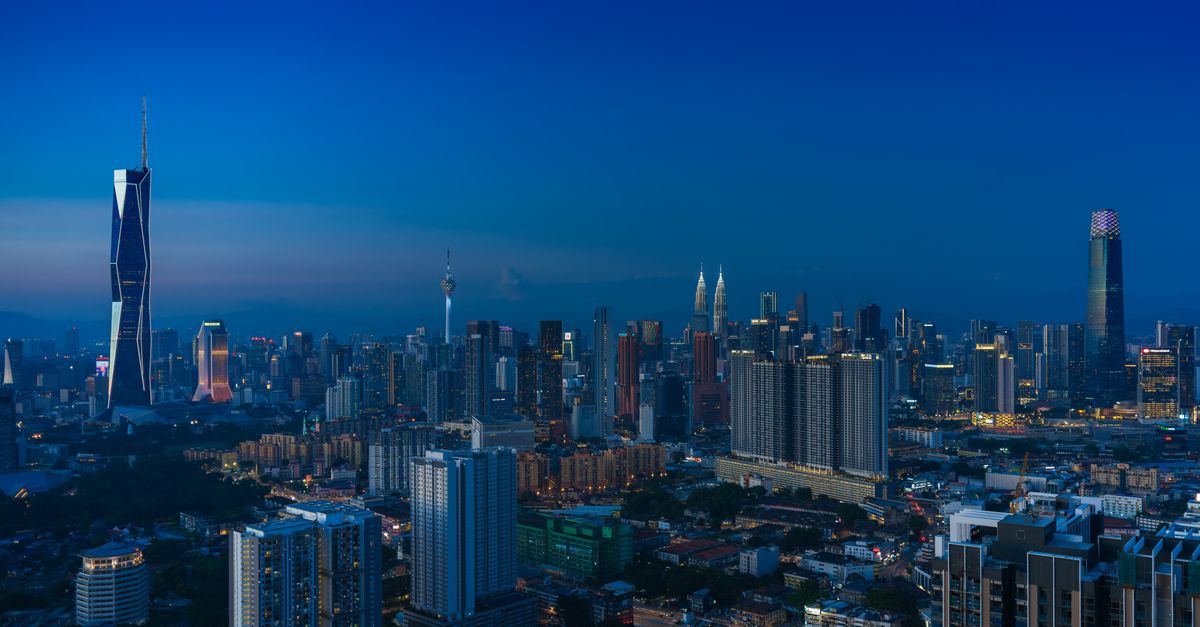
The capital of Malaysia is Kuala Lumpur. Putrajaya is the federal administrative centre, where the Prime Minister and many ministries work. The transfer of government functions therefore did not remove Kuala Lumpur’s status as the national capital.
This distinction explains why the names of these cities often appear together. In this Southeast Asian country, Kuala Lumpur retains Parliament, the King’s official residence and a major economic role, while Putrajaya brings together much of the federal administration in a planned urban setting.
In brief
For a geography question asking for Malaysia’s capital, Kuala Lumpur is the answer. The expression ‘administrative capital’, applied to Putrajaya, describes the location of many public functions; it does not mean that the national capital has changed.
The status of a city must be distinguished from the institutions it hosts. A state can distribute its political bodies between several locations: Parliament does not necessarily have to be located immediately next to the Prime Minister’s offices.
| Function | Kuala Lumpur | Putrajaya |
|---|---|---|
| Main status | National capital | Federal administrative centre |
| Institutions | Parliament and the King’s Istana Negara residence | Prime Minister’s offices and many ministries |
| Urban profile | Major economic, commercial and cultural centre | Planned city organised around administrative functions |
| Tourist appeal | Historic districts, food, museums and skyscrapers | Mosques, institutional architecture, gardens and a lake |
It would therefore be misleading to describe Kuala Lumpur as a former capital. It would be equally inaccurate to reduce it to a symbolic role: Parliament still carries out its legislative function there, while the presence of Istana Negara retains a genuine institutional dimension.
Conversely, Putrajaya is not simply an office district belonging to its neighbour. It has its own federal territory and an urban layout designed to accommodate government departments, their staff and residential areas.
Malaysia is a federal constitutional monarchy. The King is the head of state, while the Prime Minister leads the government within a parliamentary system.
The states of the federation also have their own capitals. Shah Alam is the capital of Selangor, for example. It should not be confused with the national capital, even though Kuala Lumpur is geographically surrounded by this state.
The word ‘capital’ therefore does not always refer to the same scale or function. This distinction helps explain the political map without artificially setting the cities against one another.
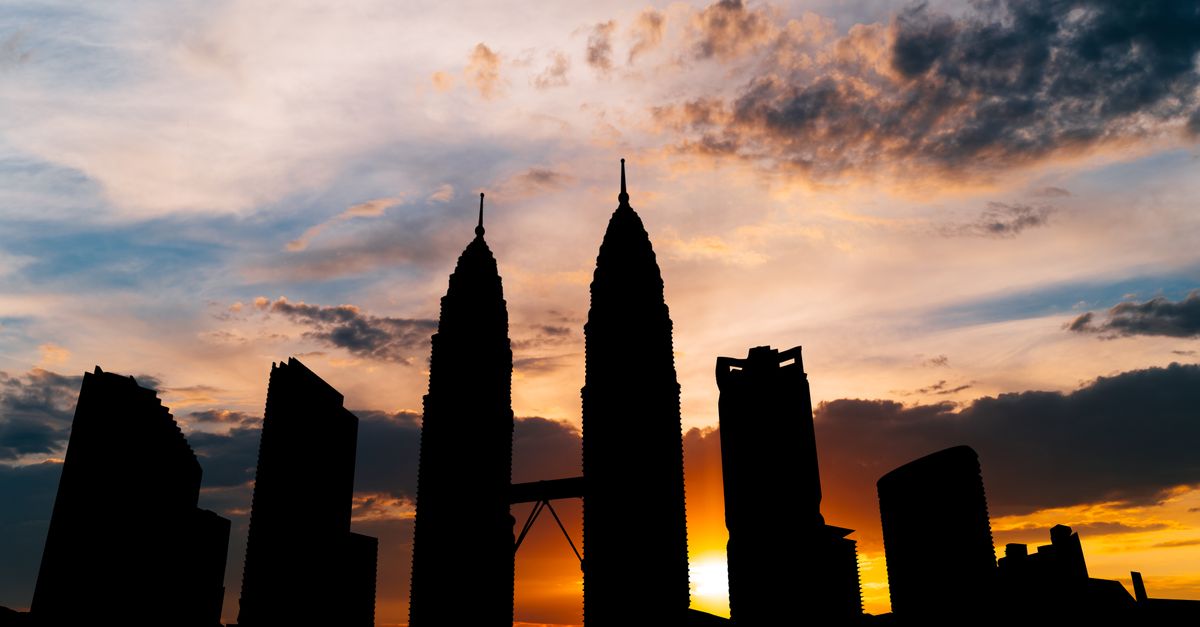
Kuala Lumpur developed around trade and tin mining, at the confluence of the Klang and Gombak rivers. Its name is generally translated as ‘muddy confluence’, a reminder of this river geography that is still visible in the historic centre.
Its growth was not explained solely by mineral resources, however. Trade, the establishment of government departments and the development of infrastructure gradually strengthened its position within the country’s organisation.
Around Jamek Mosque, the landscape helps explain the original site of the settlement. The waterways, shopping streets and institutional buildings tell a different story from the glass towers.
The area around Merdeka Square reflects the legacy of the British administration and the memory of independence. The Sultan Abdul Samad Building remains an important architectural landmark, with its arcades and domes.
Petaling Street illustrates another part of this development: the story of Chinese trading communities. Its shops, places of worship and food businesses make the diversity that accompanied urban growth tangible.
The relocation of some government departments did not mean that all economic activity moved as well. Financial services, company headquarters, hotels and retail continue to give Kuala Lumpur a major role in the country.
This concentration also explains its appeal to visitors. The KLCC and Bukit Bintang districts combine hotels, restaurants, cultural facilities and shopping centres, with atmospheres very different from the old centre.
There are geographical limits to bear in mind, however: Kuala Lumpur’s territory is not the same as its entire metropolitan area. Petaling Jaya and other neighbouring urban centres belong to Selangor, even though daily travel links them closely.
To identify the districts and plan your visits, see our guide to things to do in Kuala Lumpur. The capital’s appeal lies precisely in the coexistence of its heritage, institutions and contemporary economy.
Putrajaya was designed to bring federal administrative functions together in a setting better suited to their expansion. The project responded in particular to the space and traffic constraints of an already busy metropolis.
Rather than concentrating more public offices within the existing urban fabric, the authorities developed a planned city south of Kuala Lumpur. The transfer took place gradually: it should not be imagined as all institutions leaving at the same time.
The Perdana Putra complex, which houses the Prime Minister’s offices, illustrates this role. Its dominant position and monumental architecture give the executive branch strong visibility.
Wide avenues, bridges, administrative districts and landscaped areas create an environment very different from the capital’s shopping streets. The lake forms part of this layout and provides views of the public buildings.
The city also has residents, schools, shops and services. Describing it as a mere institutional backdrop would overlook its residential life, even though its operation remains closely linked to government departments.
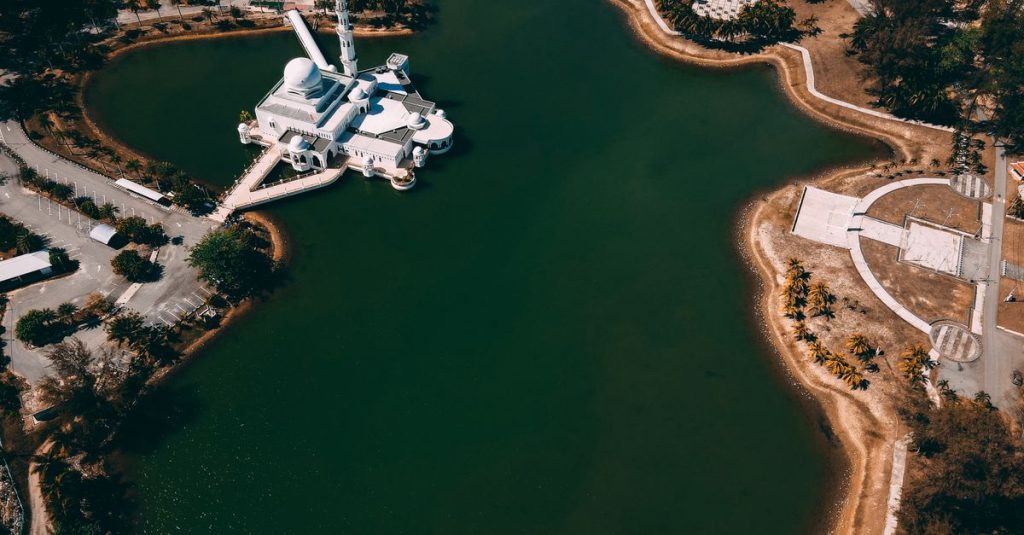
Putra Mosque, recognisable by its pink tones, is a major attraction. Walks along the lake offer views of the urban layout and the structures connecting the different areas.
Tuanku Mizan Zainal Abidin Mosque offers another architectural perspective, with a more contemporary expression. At places of worship, check the visiting conditions with the relevant administration and respect areas reserved for prayer.
The distances between monuments can make exploring entirely on foot tiring in a hot, humid climate. Planning travel between sites is therefore as important as choosing which buildings to see.
Putrajaya is worth visiting to understand the organisation and operation of the state, rather than to find the commercial activity of Kuala Lumpur. Our guide to visiting Putrajaya can help you explore it further.
Kuala Lumpur is generally the most versatile base for a tourist stay. It offers a wide range of accommodation, lively districts and connections for continuing your journey through Peninsular Malaysia. For longer stays, our guide to living in Kuala Lumpur provides additional context.
KLCC is convenient for reaching the Petronas Towers and their immediate surroundings. Bukit Bintang focuses on restaurants and shopping, while the area around KL Sentral is useful when rail connections are an important part of your itinerary.
The Petronas Towers show the contemporary face of the capital, but they are not enough to discover the city. A walk around Jamek Mosque, Merdeka Square and Petaling Street provides a complementary historical perspective.
Batu Caves, located in Gombak in Selangor, offer the chance to discover an important Hindu shrine. They are not in the city centre: plan the visit as a separate journey and wear clothing suited to the religious nature of the site.
Cultural diversity can also be discovered through food. Nasi lemak, roti canai and noodle soups reflect different culinary traditions, which you can explore with our guide to Malaysian cuisine.
Putrajaya can be reached by rail, including via Putrajaya Sentral. As this station is not next to every monument, plan the rest of the journey rather than treating arrival by train as arrival at the site itself.
Check timetables, services and fares with the official operators, particularly Rapid KL and Express Rail Link. Our guide to transport in Malaysia helps distinguish between the networks.
When arriving by air, check the terminal shown by your airline. The international airport serves the Kuala Lumpur region, but it is not in the city centre.
Finally, rain is possible all year round: presenting one perfectly dry season and another that is exclusively wet would be an oversimplification. Consult our page on the Malaysian climate and the Malaysian Meteorological Department’s forecasts before heading out.
For living in the region, your workplace matters more than the capital label. Living near an office in Putrajaya and commuting every day to central Kuala Lumpur involve different housing choices.
An address that looks close on a map may require changes of transport or a difficult road journey. Before signing a lease, examine the actual route, access to shops and the journeys required at the times that matter to you.
Your budget depends on the district, accommodation, any schooling costs and your chosen means of transport. A cheaper home far from your daily activities may increase your mobility expenses.
Our guide to the cost of living in Malaysia helps identify the expenses to compare. Then request up-to-date quotations from providers: a tourist budget cannot accurately estimate the cost of a long-term move.
For furnishing, the second-hand market in Malaysia may be useful. The condition of the items, transport and delivery options should be included in your comparison.
If you are considering shipping your furniture, look at the options for moving your belongings to Malaysia. The choice depends in particular on the volume to be transported and whether the property is furnished.
The presence of many ministries in Putrajaya does not mean that every procedure takes place there. The relevant office depends on the organisation, the case and sometimes your residential address.
Check directly with the relevant department where the appointment will take place and which supporting documents are required. For entry and residence requirements, consult our guide to the Malaysian visa for French citizens, then confirm the formalities with the Malaysian Immigration Department and the relevant consular authorities. Rules differ by nationality and should be checked with the appropriate official authority.
A successful move depends on well-planned journeys and clearly located procedures, not simply on choosing between the names Kuala Lumpur and Putrajaya.
Kuala Lumpur is the national capital. It is home to Parliament and Istana Negara, the King’s official residence.
Putrajaya houses the Prime Minister’s offices and many ministries. This concentration of government functions explains its description as the administrative capital or federal administrative centre.
No. The relocation of many government departments did not remove Kuala Lumpur’s status as the national capital. Institutional functions are divided between the cities.
Yes, rail services allow travellers to reach Putrajaya Sentral. You must then plan the journey to the monuments or government offices. Check services, timetables and fares with Rapid KL or Express Rail Link.
Discover Pangkor Island, from its beaches and fishing villages to ferry access, activities and practical tips for planning your stay.

Discover Sepilok in Borneo and observe orangutans in the rainforest, while learning about rehabilitation and wildlife conservation.

Explore the Kinabatangan River in Borneo with boat safaris, proboscis monkeys, orangutans, pygmy elephants and rainforest wildlife.
Discover Malaysia itineraries for 10 days, 2 or 3 weeks, with essential stops and practical advice for organising your trip.

Discover roti canai, Malaysia’s flaky, crisp breakfast flatbread, served with curry or dhal and enjoyed at mamak restaurants or home.
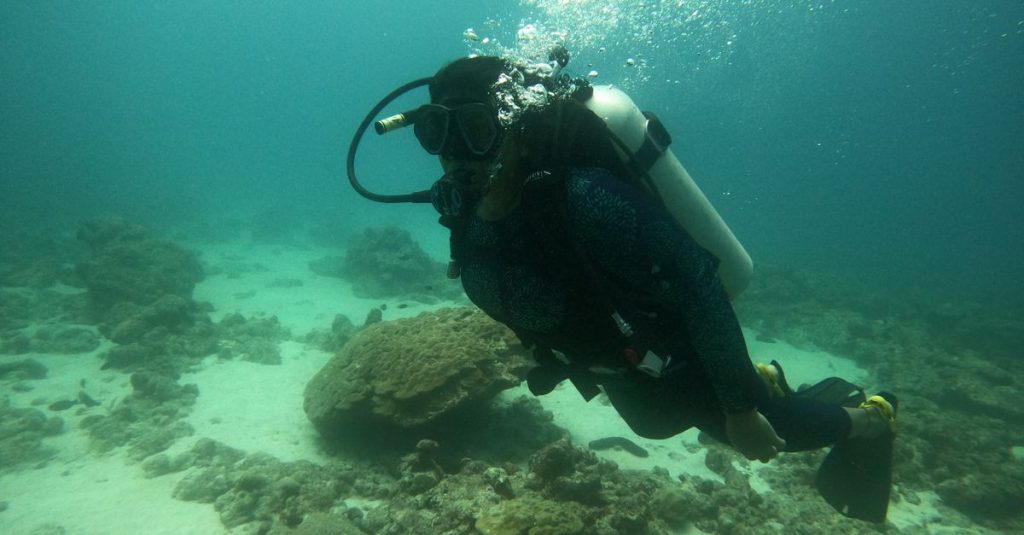
Discover Sipadan, Borneo’s legendary island: diving permits, the best season and practical advice for planning your underwater adventure.
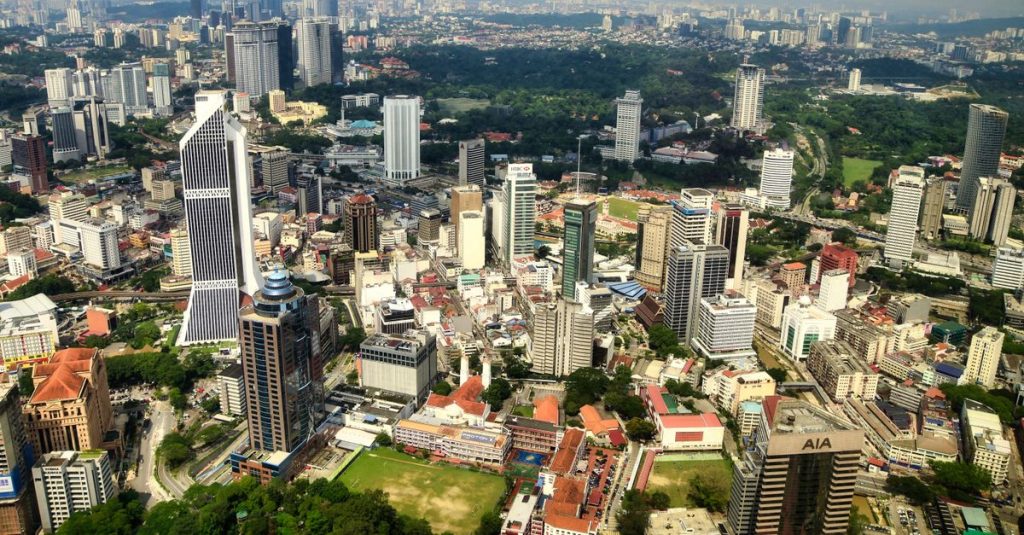
Discover Malaysia’s population, ethnic diversity and main religions, and understand the differences between citizens, residents and communities.

Experience the Malaysia MotoGP Grand Prix at Sepang: practical advice on tickets, access, accommodation and making the most of race day.
Scroll to see more articles →