
Pangkor Island: Beaches, Access and Things to Do
Discover Pangkor Island, from its beaches and fishing villages to ferry access, activities and practical tips for planning your stay.

Published on
A direct flight from Kuala Lumpur to Bali is the simplest way to combine an urban stay in Malaysia with time on the Indonesian island. The route connects Kuala Lumpur International, identified by the code KUL, with Ngurah Rai, Bali’s airport, identified by DPS. To find out how long the journey takes, use the duration published by the airline for your departure, then add transfers and formalities: time spent in the air represents only part of the journey.
A trip to Malaysia and Bali mainly requires planning around the international ticket, baggage and the entry conditions in each country. The aim is to enjoy complementary destinations without turning your transition days into a succession of connections.
In brief
To search for direct flights to Bali, use the KUL and DPS codes. This avoids confusion between the different airports serving the Kuala Lumpur region and the commercial names used for the Balinese destination.
AirAsia, Indonesia AirAsia, Batik Air Malaysia and Malaysia Airlines are among the carriers to consider for this route. Schedules change: check with the airline which departures are actually marketed for your dates, as well as the identity of the operating carrier.
Do not assume that all offers include the same services. A ticket with checked baggage may be better value than a headline fare to which a suitcase, seat selection and other optional services are added later.
| Criterion | Useful check | Practical consequence |
|---|---|---|
| Journey | Non-stop flight or itinerary with a stopover | Avoids a detour and additional handling |
| Baggage | Cabin and checked-baggage allowance for the selected fare | Allows you to compare the actual amount paid |
| Changes | Applicable conditions and possible fees | Determines how flexible the trip will be |
| Airport and terminal | Information shown on the booking | Determines the transfer from the city |
| Connection | Single ticket or separate bookings | Changes the assistance available if disruption occurs |
Compare several dates when your schedule allows, then check the final amount before paying. A cheaper departure may lose its appeal if it requires an extra night near the airport or a difficult-to-arrange transfer.
User reviews can provide additional insight, but they do not replace reading the conditions of carriage. Without knowing when they were collected and how many reviews there are, they cannot objectively identify the best airline.
When preparing your budget, separate international transport, the regional journey and spending at your destination. The guide to the cost of living in Malaysia helps you prepare the Malaysian part, but do not automatically apply those expenses to Indonesia: the right ticket should be judged across the whole journey.

The Kuala Lumpur to Bali flight duration to use is the one shown on your booking for the selected departure. Timetables and scheduled journey times may vary by service: check them directly with the carrier, particularly after receiving a change notification.
Kuala Lumpur Airport is not located in the tourist centre. The transfer must therefore be included in your day, whether you choose a rail service, coach or car. The Kuala Lumpur Airport guide can help you prepare this part of the journey.
The choice depends on your departure district, baggage and departure time. A rail connection means you are less dependent on traffic, while a door-to-door vehicle avoids carrying suitcases between several connections.
Check the terminal on your travel documents rather than relying on an old experience. Also consult your airline’s instructions regarding check-in and baggage drop-off; the guide to transport in Malaysia helps you prepare your overland journeys.
Bali Airport, also called Ngurah Rai or Denpasar in booking engines, is not your final destination. The journey to your accommodation depends on its location and traffic, particularly if you are continuing inland.
A stay in Ubud requires different planning from an arrival at accommodation near the airport area. Give your flight number to the provider if you book a pick-up, then confirm the meeting point and the conditions that apply in the event of a delay.
For an early departure, staying closer to the terminal can simplify your final night. Conversely, after a late arrival, starting immediately with a long transfer adds fatigue without providing meaningful sightseeing time.
Therefore, avoid planning a non-refundable activity immediately after landing. The right planning unit is the journey between your accommodations, not just the flight time.
A stopover in Kuala Lumpur may be a simple air connection or a genuine sightseeing stop. This distinction should be made when booking, because it determines your choice of tickets, how you handle your luggage and whether you may need to enter Malaysia.
With an itinerary sold as a connection on a single ticket, the airline normally plans the coordination between the segments. Nevertheless, check the assistance conditions in the event of disruption and ask whether your baggage will be checked through to the final destination.
A booking grouped by an agency does not necessarily mean that the flights benefit from this protection. Read the information about self-transfers and identify the person responsible for assisting you if the first aircraft arrives late.
With separate tickets, a delay to the international journey may make you miss the departure for Bali without automatic assistance from the second carrier. You may also have to collect your luggage, pass entry controls and check in again.
A lower total price does not always compensate for this risk. A stopover with accommodation may be preferable to a tight connection, particularly when the intercontinental return represents a significant expense.
If you want to visit the capital between flights, calculate the return journey to the city before booking activities. The guide to things to do in Kuala Lumpur helps you select visits grouped by area rather than making several cross-city journeys.
Do not assume that a ticket to Bali is enough to authorise leaving the transit area. Consult the Malaysian Immigration Department and, for French passport holders, check the guide to Malaysian formalities for French citizens: the protection provided by the ticket should guide your choice of connection. Rules differ by nationality and should be checked with the relevant official authority.
To combine Kuala Lumpur and Bali, first choose your flight structure. A return international journey via the Malaysian capital means returning from Indonesia; a multi-city booking may avoid this return, but it must be compared based on its full cost and conditions.
The capital offers a first stop focused on neighbourhoods, markets and food. Group your visits by area to limit travel, then use the guide to Malaysian cuisine to understand the specialities rather than choosing only the most visible addresses.
Bali can then provide a stop more focused on landscapes, temples or the coast. However, do not view the island as one single beach resort: your choice of base strongly affects daily travel and the activities available.
A coherent Kuala Lumpur to Bali itinerary therefore combines bases suited to the visits you want to make. Changing hotels frequently may look appealing on a map, but every move takes preparation and travel time.
If you also want to discover rainforest, plan a proper extension rather than adding an excursion between two flights. The guide to activities in Taman Negara helps you assess how much time this stop and its transfers require.
The Cameron Highlands are another option, with more emphasis on highland scenery. However, combining the capital, rainforest, plantations and several regions of Bali can dilute the trip: it is better to choose the environments that genuinely interest you.
To place these destinations within a regional itinerary, explore ideas for holidays in Asia from Malaysia. A successful combined trip is based on complementary stops, not on the number of places visited.
Airline proximity does not mean that the procedures are shared. Malaysia and Indonesia apply their own entry conditions, which must be checked according to your nationality, passport, purpose of stay and itinerary.
Before paying for non-refundable services, consult the Malaysian Immigration Department and Indonesia’s Directorate General of Immigration. Check the required documents, any authorisations or declarations, and the requirements concerning your passport and onward travel.
If your return passes through the Malaysian capital again, also examine whether this involves a new entry. Leaving the international area to collect baggage may change the required procedures compared with a transit that remains airside.
Also check customs formalities and any applicable tourist contribution with the Indonesian authorities and the provincial government of Bali. As these provisions may change, do not rely solely on the account of a previous trip.
Weather conditions cannot simply be inferred from the destinations’ proximity. Consult the guide to Malaysia’s climate, then the information from Indonesia’s BMKG weather service for the Balinese part of the trip.
Allow some flexibility for outdoor activities. A museum visit or food tour can replace an outing exposed to rain, while a maritime activity also depends on sea conditions and the operator’s decisions.
For spending, distinguish Malaysian ringgit payments from those in Indonesian rupiah. Check your bank’s fees and the exchange rate actually applied at the time of the transaction, rather than treating an old exchange rate as a lasting reference.
Finally, check your insurance cover for the destinations, activities and any missed connections. The practical tips for travelling in Malaysia complement this preparation: your formalities and cover should match the itinerary actually booked.
Yes, the route between Kuala Lumpur International, code KUL, and Bali Ngurah Rai, code DPS, is available without a connection. Check with the airlines which departures are available on your dates.
Use the scheduled duration shown by the airline for the selected flight. To plan your day, add the transfer to the airport, departure procedures, arrival controls and the journey to your accommodation.
Compare the total cost and the protection offered. Separate tickets may be worthwhile, but a missed connection does not automatically result in assistance from the following carrier. A stopover with accommodation may reduce this risk.
This depends on the time genuinely available and your eligibility to enter Malaysia. Check entry conditions, return transfers, the terminal and check-in instructions before planning a visit.
Discover Pangkor Island, from its beaches and fishing villages to ferry access, activities and practical tips for planning your stay.

Discover Sepilok in Borneo and observe orangutans in the rainforest, while learning about rehabilitation and wildlife conservation.

Explore the Kinabatangan River in Borneo with boat safaris, proboscis monkeys, orangutans, pygmy elephants and rainforest wildlife.

Discover Malaysia itineraries for 10 days, 2 or 3 weeks, with essential stops and practical advice for organising your trip.

Discover roti canai, Malaysia’s flaky, crisp breakfast flatbread, served with curry or dhal and enjoyed at mamak restaurants or home.
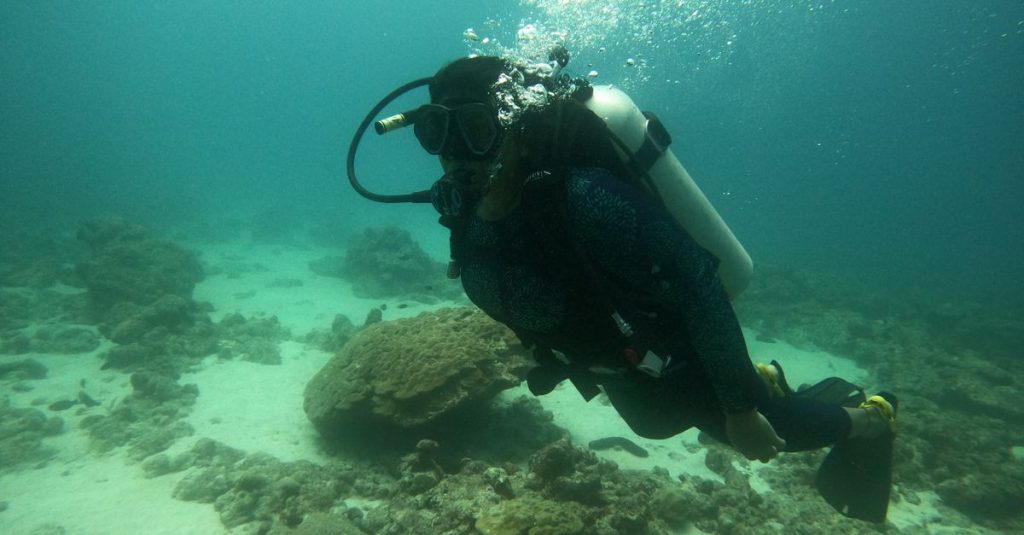
Discover Sipadan, Borneo’s legendary island: diving permits, the best season and practical advice for planning your underwater adventure.
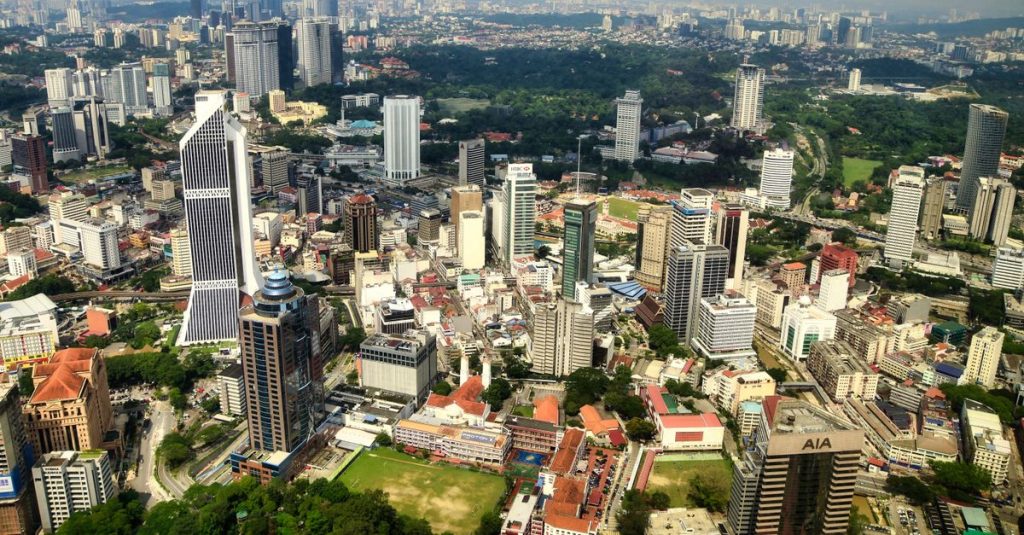
Discover Malaysia’s population, ethnic diversity and main religions, and understand the differences between citizens, residents and communities.

Experience the Malaysia MotoGP Grand Prix at Sepang: practical advice on tickets, access, accommodation and making the most of race day.
Scroll to see more articles →