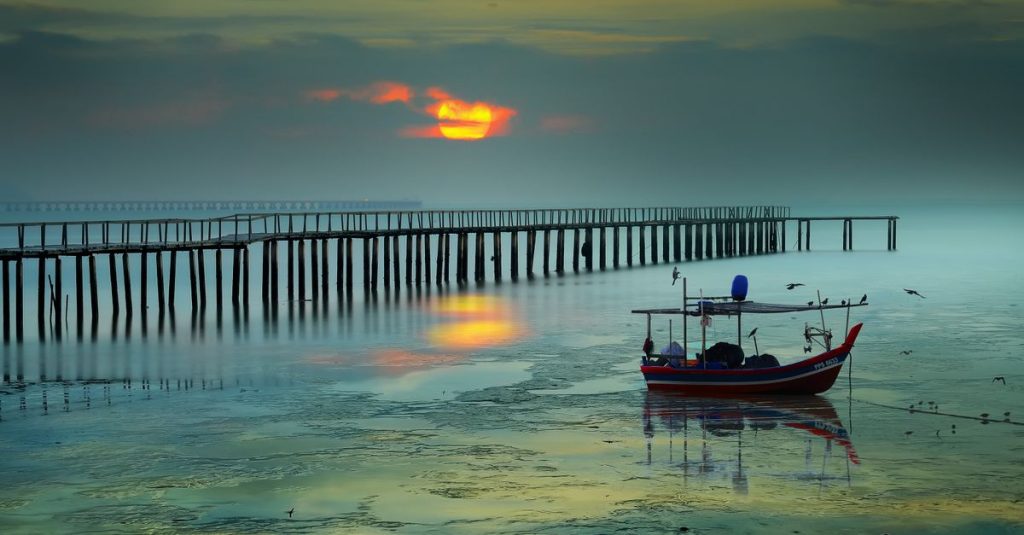
Pulau Ketam: The Fishing Island Near Kuala Lumpur
Discover Pulau Ketam, the fishing island near Kuala Lumpur, with stilt houses, seafood, mangroves and a distinctive coastal village.
Published on
Yes, travelling to Malaysia in July can be a good option, provided you choose the region according to the weather. Malaysia’s east coast, particularly the Perhentian Islands, generally offers better conditions for the sea and water-based activities, while the west coast experiences more showers. Kuala Lumpur, Malacca and Langkawi remain attractive for a stay combining city visits, heritage and beaches, provided you keep your itinerary flexible.
Malaysia’s climate remains hot and humid all year round: a shower does not necessarily mean the day is ruined, but it can affect boat trips or hikes. Before booking, check local conditions and event dates with the relevant organisations. Here are the key points for planning a trip suited to Malaysia’s weather, without confusing the rainy season with constant bad weather.
In brief

In July, heat and humidity are present across most of the country. On Malaysia’s west coast, the weather often alternates between sunny spells and showers, which may be more likely in the afternoon or evening. In Kuala Lumpur, the day is generally suitable for sightseeing, but it is useful to have a back-up plan for rainy periods: museums, cultural centres or covered spaces.
The climate averages provided for Kuala Lumpur indicate highs of around 33°C and rainfall spread across several days of the month. These figures are climate guidelines, not a forecast for your dates: they cannot tell you what time it will rain during your stay. Check official weather bulletins just before departure and during your trip.
The term “rainy season” does not describe a uniform period everywhere. Rainfall patterns vary between the peninsula, its two coasts and Borneo; a tropical shower may be brief, but it can also disrupt a sea excursion or make a trail slippery. To prepare your luggage, also consult the guide to Malaysia’s climate.
Sun protection remains important even when the sky is cloudy. Pack breathable clothing, a water bottle, quick-drying shoes and a light waterproof jacket. The best approach is to schedule outdoor activities in the morning and leave room to adapt the rest of the day.
The west coast includes very different stops. Kuala Lumpur suits travellers who want to discover urban life, markets and cultural districts; Malacca is better suited to heritage visits; Langkawi offers a combination of beaches and island scenery. These destinations are generally considered favourable in July, but showers remain possible and conditions are not identical from one city to another.
In Kuala Lumpur, alternate morning walks with indoor visits. A late-afternoon shower can make getting around on foot more difficult, so plan your journeys and check traffic conditions. To choose your activities, see the guide to things to do in Kuala Lumpur.
Penang and George Town also deserve a stop for their architecture, heritage and food. Climate averages indicate a wetter month in Penang than in some other west-coast locations, so plan visits that can be swapped around. Sea temperatures remain warm, but this does not guarantee calm seas or that a boat trip will go ahead.
Malacca, Langkawi, Ipoh and Taiping can complete a circuit, depending on your interests and the time available. For a city-focused stay, also consult the guide to Malacca. In all cases, book some activities with local conditions in mind rather than structuring every day around a single outdoor excursion.
For beaches and water-based activities, Malaysia’s east coast is often the most appealing choice in July. The Perhentian Islands attract visitors for swimming, snorkelling and diving, while other parts of the coast offer opportunities to enjoy the shoreline. However, sea conditions can change: confirm boat departures, sea conditions and any restrictions with local operators.
As this period is popular for beach holidays, it is best to arrange transfers and accommodation in advance. Timetables and boat availability may change; check them directly with carriers or local authorities. Do not assume that a service runs every day or that an excursion will operate in all weather conditions.
The islands are about more than beaches. Snorkelling and diving depend on underwater visibility, which can vary according to recent conditions. Choose a provider that explains the safety rules and avoid touching coral or feeding marine life. For journeys around the peninsula and connections, the guide to transport in Malaysia helps compare land and sea options.
The east coast is particularly suitable for travellers who are happy to spend several days by the sea and retain some flexibility. If your priority is discovering major cities, an itinerary combining Kuala Lumpur and an island may be more balanced than a trip focused solely on the beach.
Tip: set up a Malaysia eSIM before departure so your data works on arrival.
Malaysian Borneo offers a different side of the country: tropical forests, national parks and varied landscapes. July may suit travellers who want to devote time to hiking or wildlife watching, but a seasonal trend should not be interpreted as a guarantee of good weather. Rain, heat and trail conditions can vary depending on the area and the conditions at the time.
An excursion to Kinabalu Park requires checking access rules, availability and hiking conditions with the official managers. Highland routes are different from a walk in the city: suitable shoes, rainwear and physical preparation are needed. In the forest, follow local instructions and stay on authorised routes. The guide to Mount Kinabalu can help you prepare this part of your trip.
The Cameron Highlands and other mountainous areas may offer a cooler atmosphere than the lowlands, making walks pleasant when trails are accessible. However, the weather can change quickly at altitude. Check local forecasts before setting out and adjust your walking time to visibility and ground conditions.
When building a nature itinerary, avoid combining long journeys with a demanding hike on the same day. Keep a spare day in case an excursion depends on a road, guide or booking. This is particularly useful when a trip combines the peninsula and Borneo, as the journeys involve separate connections.
A good itinerary takes the weather into account without trying to predict it day by day. Prioritise booking essential accommodation and transfers, then keep alternative activities for rainy periods. As timetables, prices and formalities may change, check the information directly with official organisations or the relevant providers before departure.
Cultural events can enrich your stay. The George Town Festival and Rainforest World Music Festival are among the events associated with July in the available information, but their dates, programmes and exact venues must be confirmed with the organisers for the year of travel. Do not build your entire itinerary around an announcement whose schedule has not been verified.
Food is a good way to discover the country’s cultural diversity, particularly when rain makes an outing less practical. To better understand local customs and celebrations, read this guide to Malaysian culture. For preparation, an arrival checklist for Malaysia can help organise your first few days, while the page on emergency contacts in Malaysia is useful to keep during your stay.
To summarise your practical choices: prioritise the east coast for a beach holiday, keep covered activities available on the west coast and check conditions before any outing in nature. This flexibility, rather than the promise of cloudless skies, makes a July trip more relaxed.
| Travel plans | Destination to consider | Key point to check |
|---|---|---|
| Beach, snorkelling and diving | Perhentian Islands and the east coast | Confirm sea conditions and boat connections |
| Urban and cultural visits | Kuala Lumpur and Malacca | Plan activities sheltered from showers |
| Heritage and food | Penang and George Town | Keep your schedule flexible in case of rain |
| Hiking and nature | Malaysian Borneo or highland areas | Check trail access and local instructions |
Yes, if you adapt the region to your priorities. The east coast is often preferred for beaches, while the west coast may experience more frequent showers. Check local forecasts before departure.
No. Showers may interrupt an outing, but city sightseeing remains possible if you plan covered activities and leave some flexibility in your itinerary.
July is a popular period for the Perhentian Islands. However, check transfers, sea conditions and accommodation availability with the relevant providers.
Pack light clothing, sun protection, insect repellent, suitable shoes and a compact waterproof jacket. For hiking or a sea excursion, add equipment suited to the activity.
To book tours and activities in Malaysia ahead, see the options on Klook.
Discover Pulau Ketam, the fishing island near Kuala Lumpur, with stilt houses, seafood, mangroves and a distinctive coastal village.
See fireflies along the Selangor River and silvered leaf monkeys at Bukit Melawati in Kuala Selangor, with practical wildlife tips.

Compare the ETS train and bus from Kuala Lumpur to Ipoh, including journey times, transport options and practical tips for choosing.
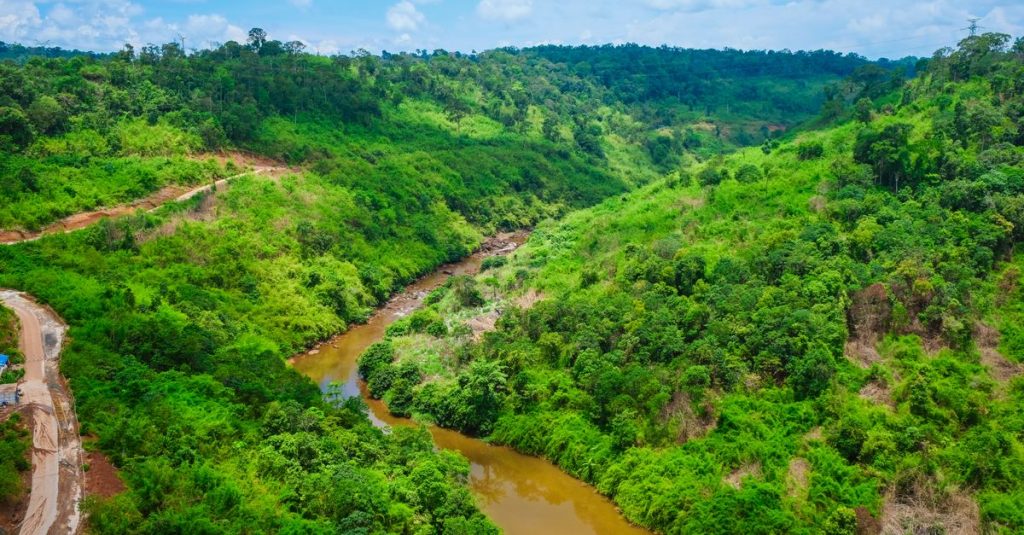
Explore Danum Valley, Borneo’s ancient rainforest, with its remarkable biodiversity, orangutans, guided walks, access details and practical advice.

Discover Fraser’s Hill, a peaceful mountain retreat near Kuala Lumpur, with tropical forest, cool weather, hiking trails and birdwatching.
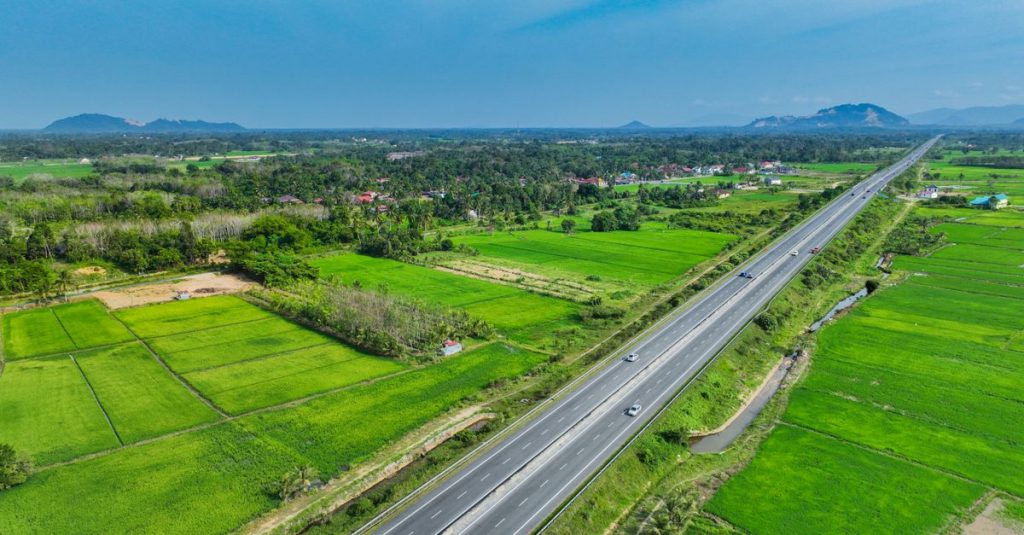
Discover what to do in Kota Bharu and how to reach the Perhentian Islands, with cultural visits, transport options and practical travel tips.
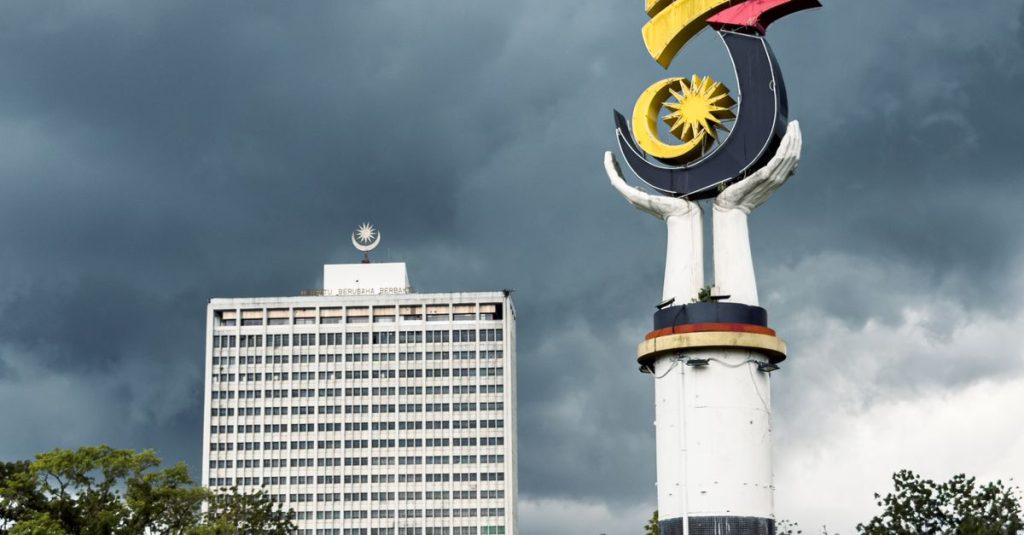
Discover S-MM2H, Sarawak’s long-stay programme: eligibility, benefits, application steps and checks before living in Malaysia.

Discover Thean Hou Temple in Kuala Lumpur, with practical advice on visiting, access, transport, opening hours and respectful behaviour.
Scroll to see more articles →